EN

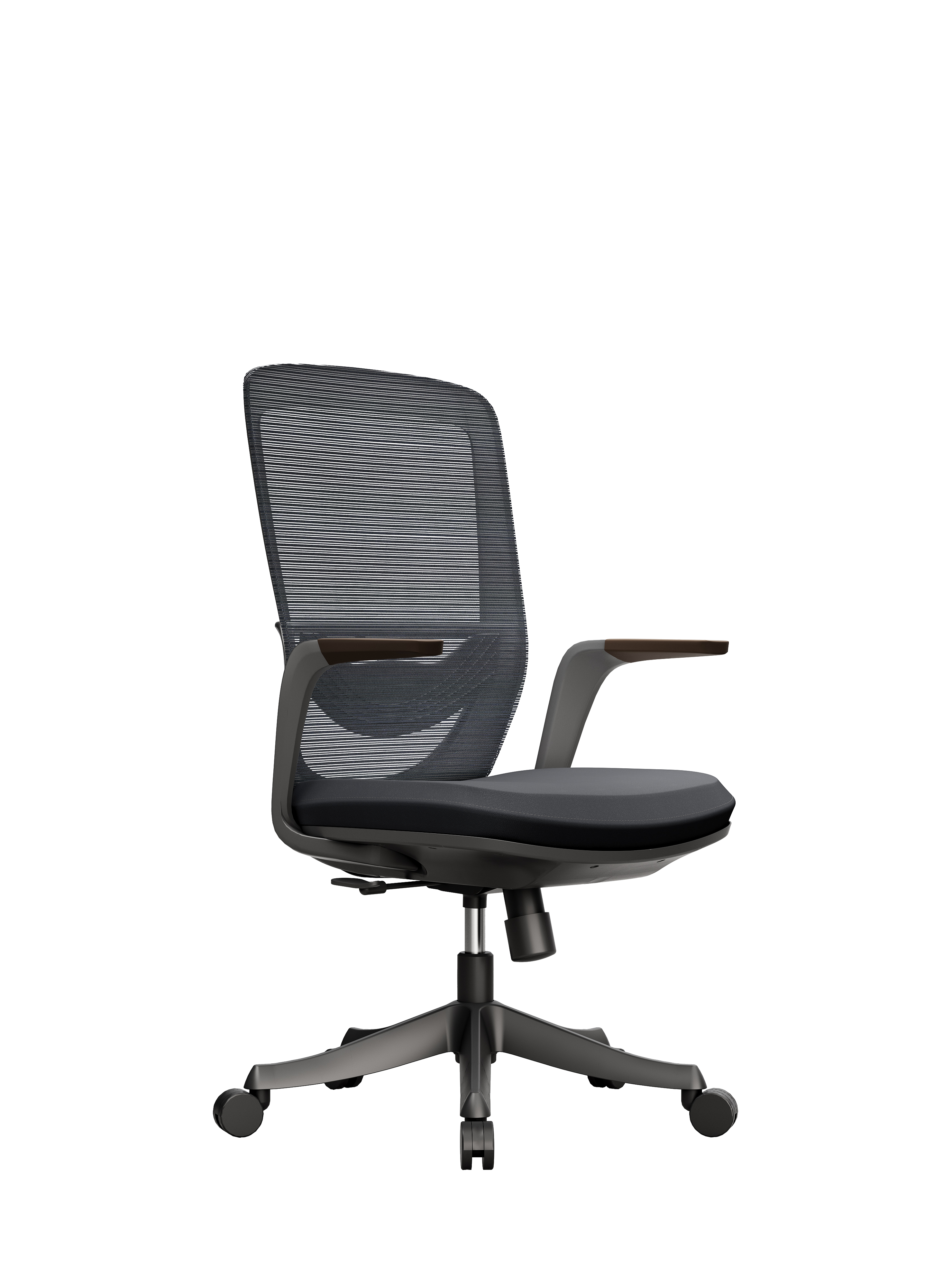
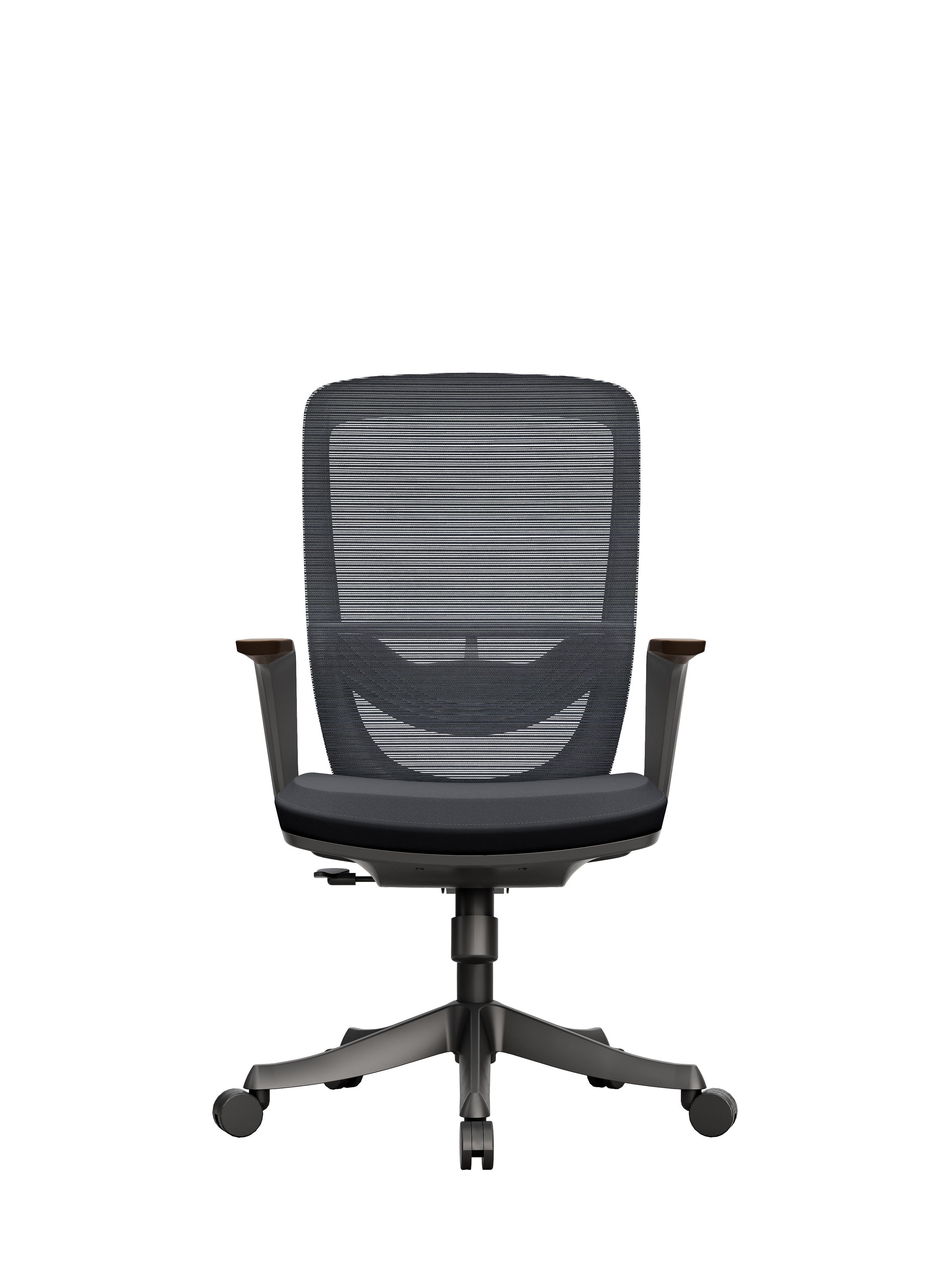
Task chairs with wheels are an essential component of modern office environments, offering mobility and flexibility for users across various settings, including corporate offices, educational institutions, and healthcare facilities. They are designed to enhance productivity by allowing users to move easily within their workspace while providing comfort and support. As a purchasing manager or decision-maker, understanding the cost factors, technical specifications, and potential issues related to task chairs with wheels is crucial for making informed procurement choices. This article will provide you with valuable insights into these aspects, helping you to navigate the selection process effectively.
Technical Specifications of Task Chairs with Wheels You Should Know
Understanding technical specifications is crucial when selecting the right task chairs with wheels. Key specifications to evaluate include:
Weight Capacity: Each chair will have a specified weight limit that ensures its structural integrity. This capacity is essential for assessing whether the chair meets the needs of your users.
Seat Height Adjustment: The ability to adjust seat height is critical for ergonomic support. Look for chairs that offer a wide range of height adjustments to accommodate different user preferences.
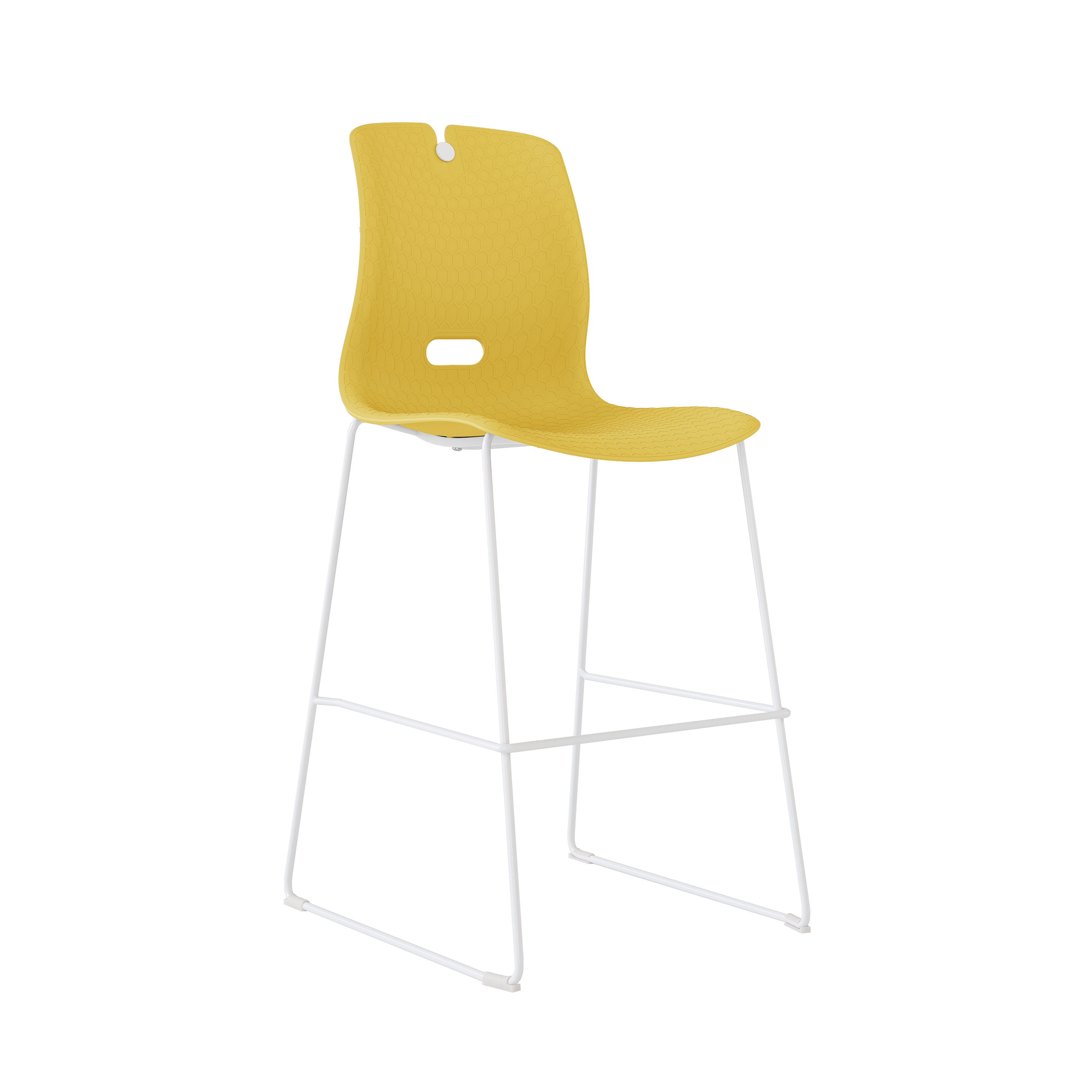
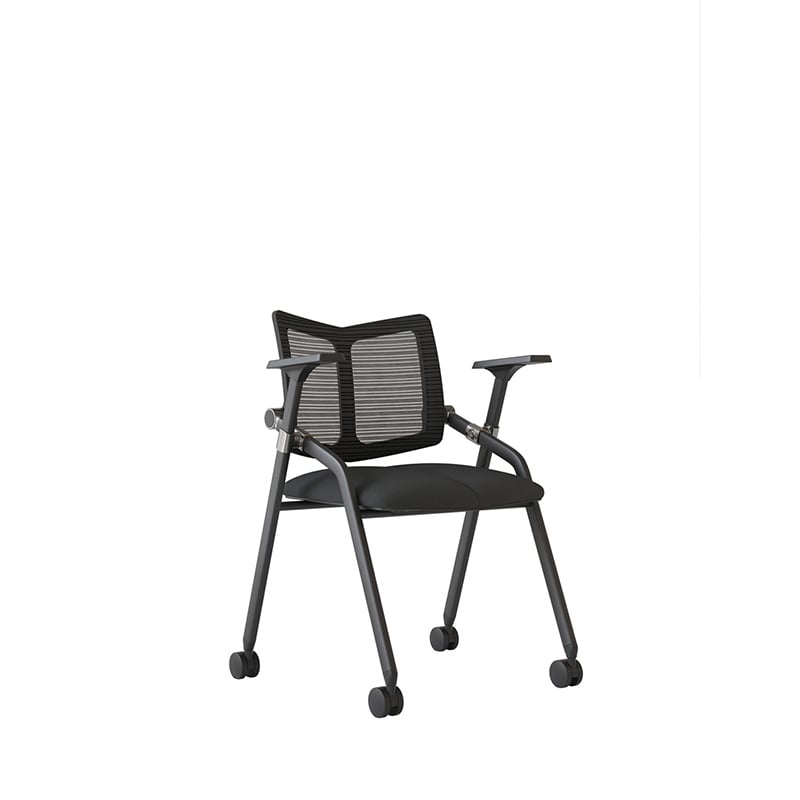
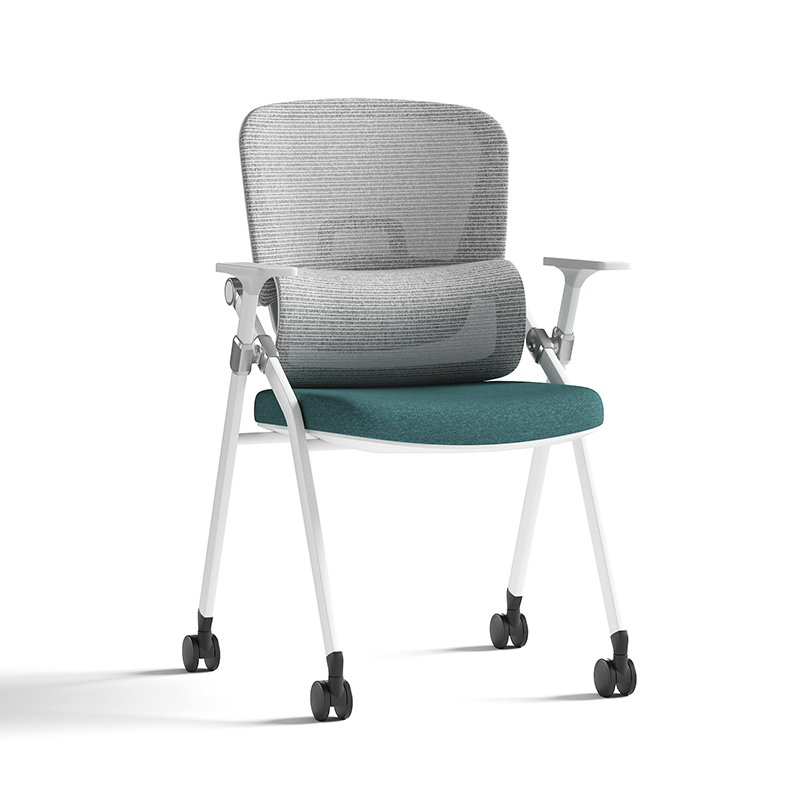
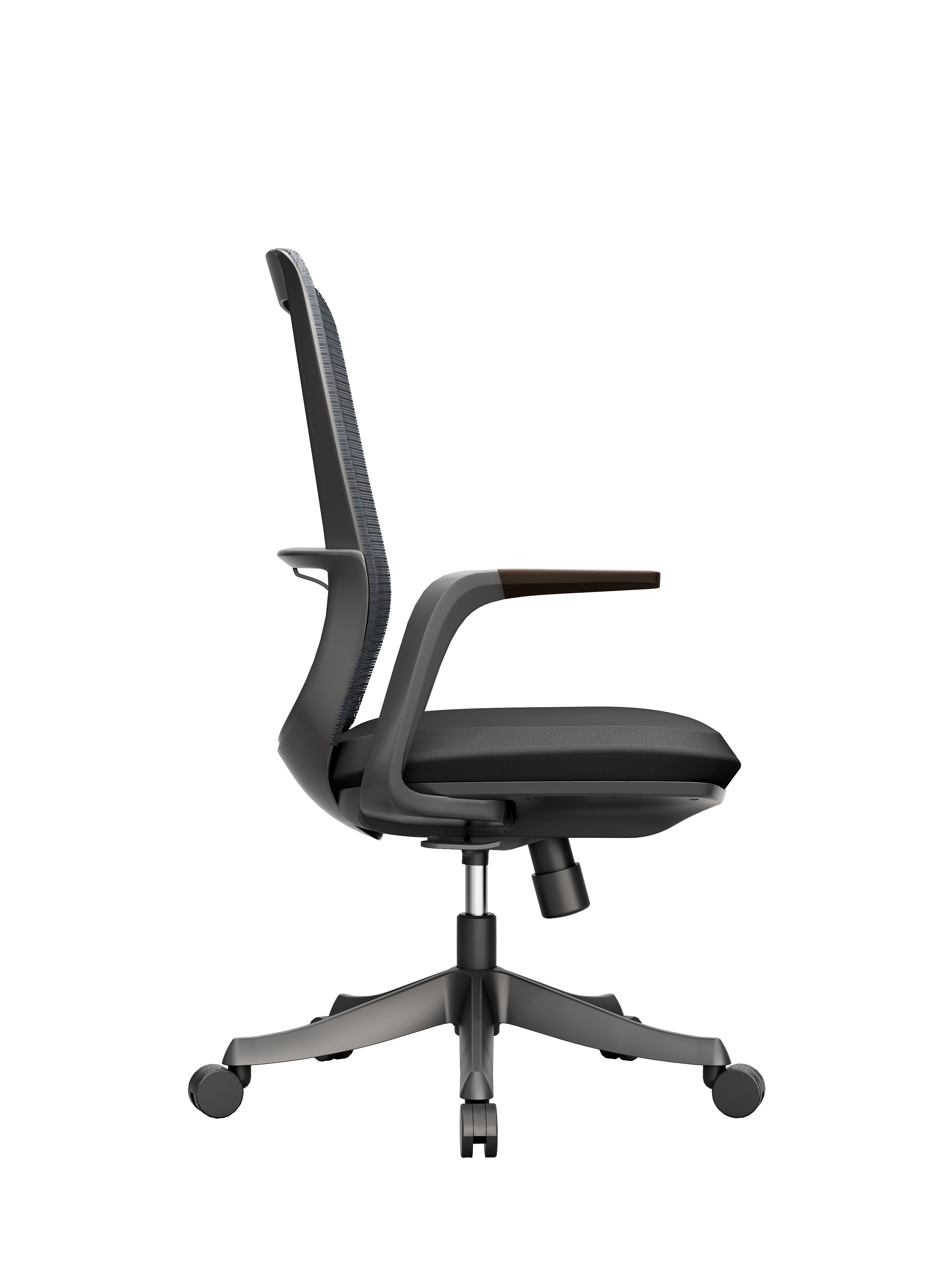
Wheel Type and Base: The type of wheels (casters) and base can significantly impact mobility. Chairs with larger wheels may perform better on carpets, while smaller wheels are often suitable for hard floors. Ensure the base is sturdy enough to support the chair's weight and provide stability.
Warranty and Quality Control: A robust warranty indicates the manufacturer’s confidence in their product. Understanding the quality control processes used during production can also provide insight into the chair's reliability.