
Choosing the Right Ergonomic Task Chair

All Categories

ergonomic task chair

Ergonomic task chairs play a crucial role in enhancing workplace comfort and productivity. These specialized chairs are designed to support the natural posture of the user, minimizing discomfort and the risk of musculoskeletal disorders. For B2B buyers such as purchasing managers, office planners, or facility managers, it’s essential to understand the key features and specifications of ergonomic task chairs to make informed purchasing decisions. This article will guide you through what to consider, key specifications, installation guidance, common issues and solutions, and the material advantages of these chairs.
Key Specifications to Evaluate in Ergonomic Task Chairs

Key Specifications to Evaluate in Ergonomic Task Chairs

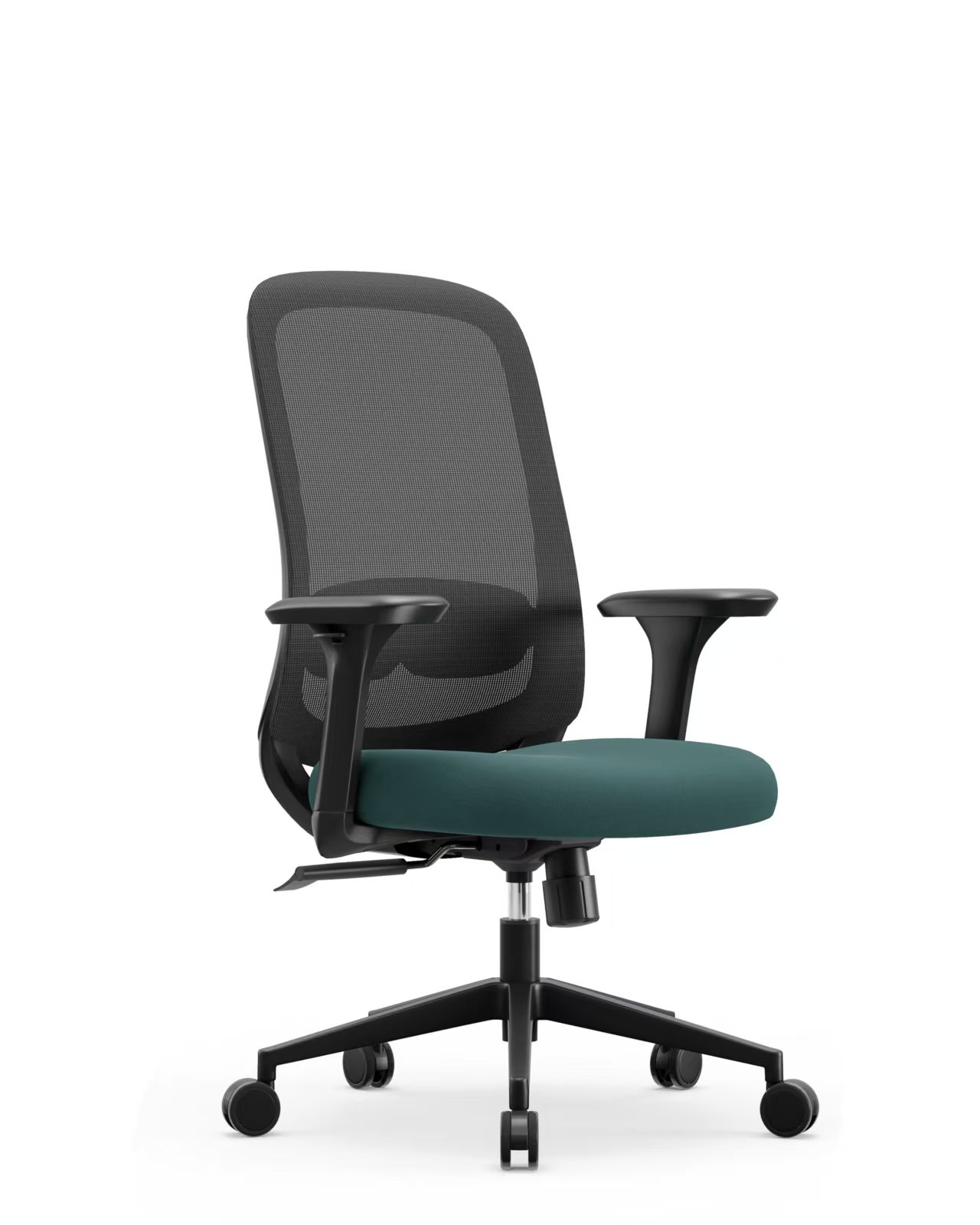
When assessing ergonomic task chairs, several specifications are essential to ensure optimal comfort and functionality. Key specifications include:

Seat Height Adjustment: The chair should have a gas lift mechanism that allows users to adjust the seat height easily, ensuring proper leg positioning relative to the floor.

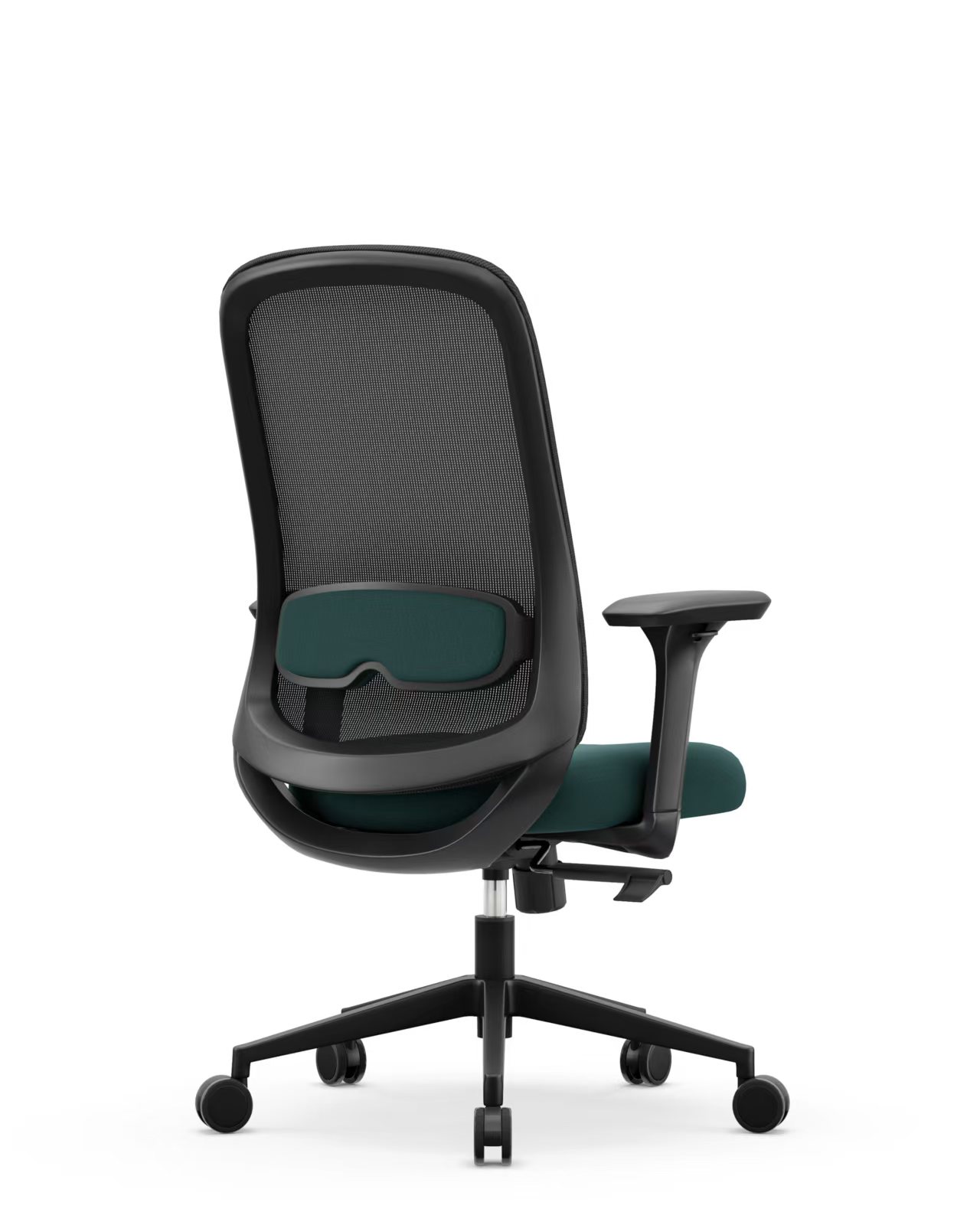
Lumbar Support: A chair with adjustable lumbar support helps maintain the natural curve of the spine, reducing the risk of back pain. Look for chairs that provide both height and depth adjustments.

Seat Depth and Width: The seat depth should allow users to sit back against the lumbar support while leaving a few inches of space between the back of the knees and the seat edge. The width should accommodate varying body sizes comfortably.

Material Quality: The upholstery material should be breathable and easy to clean, while the frame should be made from durable materials that can support a significant weight capacity. Investing in options like a Foldable Chair could also be beneficial for multi-purpose spaces.

Armrest Adjustability: Armrests should be adjustable in height and width to ensure proper arm positioning, which can alleviate shoulder strain.

Mobility Features: Consider the chair’s mobility features, such as swivel capabilities and wheel designs suited for the floor type in the workspace.

By focusing on these specifications, buyers can select chairs that not only fit their ergonomic needs but also stand the test of time in demanding environments.
Installation Guidance for Ergonomic Task Chairs in Commercial Spaces

Installation Guidance for Ergonomic Task Chairs in Commercial Spaces

Proper installation of ergonomic task chairs is vital for maximizing their benefits. When setting up these chairs in a commercial setting, consider the following steps:

Space Planning: Ensure that there is adequate space between each chair to allow for movement and easy access to workstations. The arrangement should support collaborative work while maintaining personal space.

Assembly Instructions: Follow the manufacturer’s assembly instructions carefully. Typically, ergonomic task chairs come with all necessary tools and components, making assembly straightforward. Ensure that all screws are tightened and that the chair functions correctly before use.

User Adjustment Training: Provide users with guidance on how to adjust their chairs to suit their individual needs. Conducting a brief training session can help staff understand the features of their chairs, including how to set the height, adjust lumbar support, and position armrests.

Regular Maintenance: Establish a maintenance schedule to check for wear and tear. Regular inspections can prevent issues before they arise, ensuring that all chairs remain safe and comfortable for users.

By implementing these practices, businesses can ensure that ergonomic task chairs are utilized to their full potential, promoting employee health and comfort.

Common Problems with Ergonomic Task Chairs and Effective Solutions

Common Problems with Ergonomic Task Chairs and Effective Solutions

Despite their advantages, ergonomic task chairs can present challenges if not selected or maintained properly. Here are some common problems and their solutions:

Poor Adjustability: If a chair lacks sufficient adjustment features, it may not fit all users properly. Solution: Select chairs with comprehensive adjustability options and encourage users to personalize their settings.

Durability Issues: Chairs in high-usage areas may experience wear and tear more rapidly. Solution: Invest in chairs with robust construction and quality materials. Regular inspections can identify potential issues early.

Discomfort: Users may experience discomfort due to improper setup or lack of familiarity with the chair’s features. Solution: Provide training on proper usage and adjustments. Encourage employees to take breaks and change positions periodically.

Noisy Movement: Some chairs may squeak or make noise when moved. Solution: Regularly check the chair’s moving parts and lubricate if necessary to ensure smooth operation.

By addressing these common issues proactively, businesses can maintain a comfortable and efficient work environment.

Material Advantages of Ergonomic Task Chairs for Long-Term Use

The materials used in ergonomic task chairs significantly influence their performance, comfort, and longevity. Here are some material considerations:

Upholstery: High-quality upholstery materials, such as breathable mesh or durable fabric, enhance comfort and air circulation, reducing heat buildup during long periods of sitting. Mesh is particularly effective in warmer environments.

Frame Construction: A sturdy frame made from metal or high-grade plastic ensures durability. Metal frames typically offer superior strength and longevity, while lightweight plastic frames can reduce overall weight for easier mobility.

Cushioning: High-density foam padding provides better support and comfort compared to standard foam. This type of cushioning retains its shape over time, ensuring that the chair remains comfortable throughout its lifespan.

Base and Wheels: The base and wheels should be constructed from materials designed for specific flooring types (e.g., hard floors or carpets). High-quality wheels improve mobility and reduce wear on the flooring.

In summary, selecting ergonomic task chairs made from superior materials ensures long-term functionality and user satisfaction, ultimately benefiting the organization’s productivity and employee well-being. By understanding these aspects of ergonomic task chairs, B2B buyers can make informed decisions that enhance workplace efficiency and comfort.

What to Consider

When selecting ergonomic task chairs for commercial spaces, several factors need to be evaluated. First, the chair's adjustability is paramount; features such as seat height, armrest height, and lumbar support should be customizable to accommodate a diverse range of body types and preferences. Consider the chair’s intended use—whether it’s for long hours of desk work or for collaborative environments where frequent movement is expected. Additionally, you might also want to explore options like Dining Table setups for a cohesive environment.

Additionally, buyer concerns often revolve around durability and maintenance. Chairs that are frequently used in high-traffic areas should be made from robust materials that can withstand wear and tear. It’s also important to consider the aesthetic alignment of the chairs with the overall office design, as a cohesive look can enhance the workplace atmosphere.

Lastly, evaluating the supplier's manufacturing capabilities and quality control processes can provide assurance regarding the longevity and reliability of the chairs. A manufacturer like DESTON FURNITURE, with strict quality control and precision production, can deliver durable solutions that meet commercial needs effectively.

Get a Free Quote

Our representative will contact you soon.
Name
Email
Company Name
Telephone
Message
0/1000
Attachment
Please upload at least an attachment
Up to 3 files, each no larger than 30MB. Supported formats: jpg, jpeg, png, pdf, doc, docx, xls, xlsx, csv, txt, stp, step, igs, x_t, dxf, prt, sldprt, sat, rar, zip.

Related product categories

Choosing the Right Ergonomic Task Chair

Get a Free Quote

Our representative will contact you soon.
Name
Email
Company Name
Telephone
Message
0/1000
Attachment
Please upload at least an attachment
Up to 3 files, each no larger than 30MB. Supported formats: jpg, jpeg, png, pdf, doc, docx, xls, xlsx, csv, txt, stp, step, igs, x_t, dxf, prt, sldprt, sat, rar, zip.