
Key Factors to Consider for Chairs with Wheels

All Categories

chairs with wheels

Chairs with wheels are essential components of modern office and commercial environments, providing both mobility and comfort. As a B2B buyer, you may focus on various factors, including durability, cost-effectiveness, and application suitability. This article will guide you through the key specifications, cost factors, installation guidance, common problems, and the benefits of using durable materials in chairs with wheels, helping you make informed purchasing decisions.
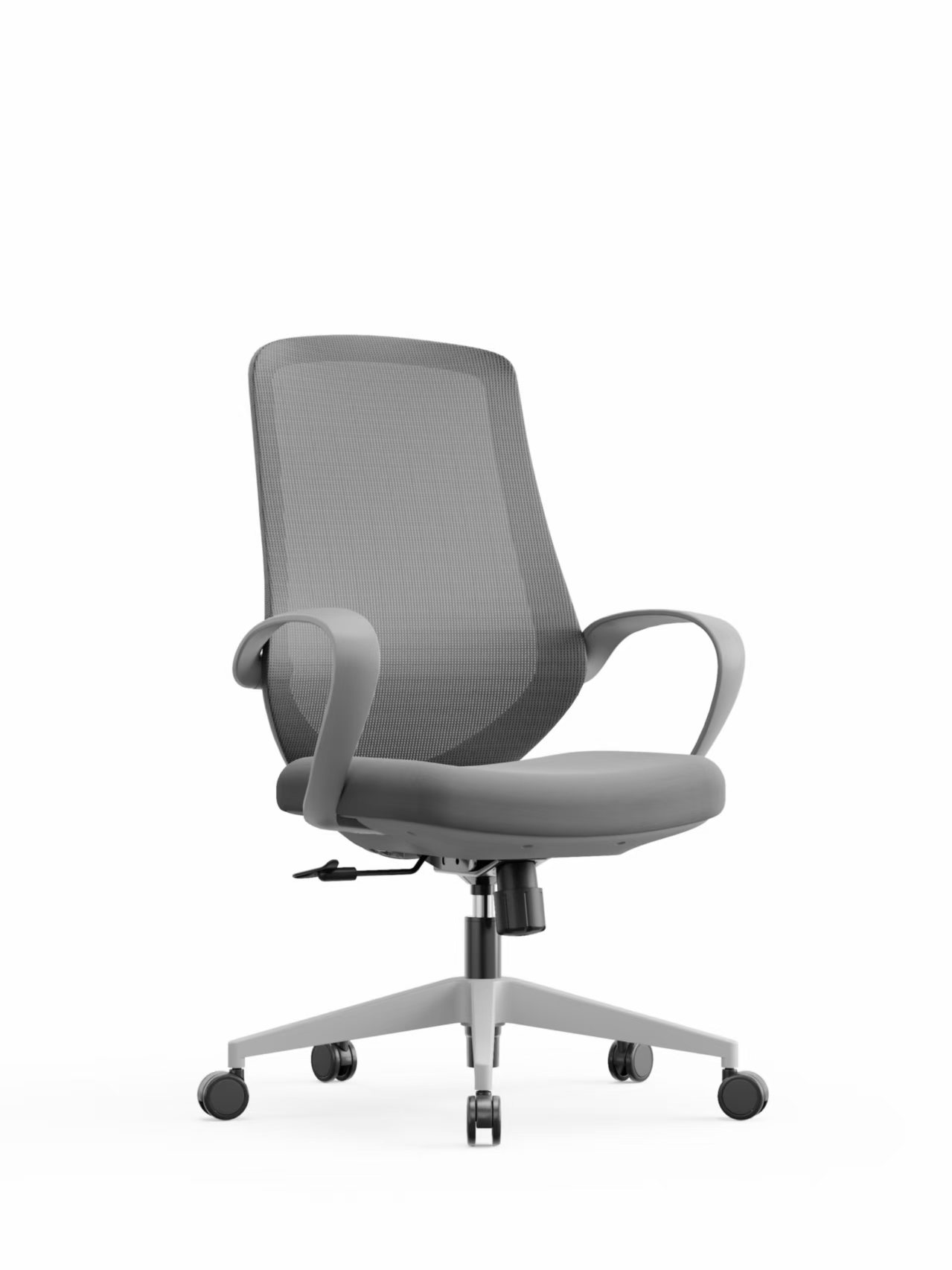
Understanding the Cost Factors of Chairs with Wheels

Understanding the Cost Factors of Chairs with Wheels

Pricing for chairs with wheels can vary significantly based on several factors. Understanding these can help you make budget-conscious decisions:

Material Quality: Higher-quality materials typically lead to higher costs. For instance, a chair with a durable metal frame and high-grade upholstery will generally be more expensive than one made from lower-grade plastic.

Design Complexity: Custom designs or ergonomic features will increase the price. If your project requires unique specifications or branding, account for these additional costs in your budget.

Production Volume: Many manufacturers, like DESTON FURNITURE, offer pricing advantages for bulk orders. Understanding the minimum order quantity (MOQ) can help you determine the best financial approach for your needs.

Shipping and Logistics: Don’t forget to factor in shipping costs, which can vary based on distance and weight. Consider delivery timelines as well, as expedited shipping may incur additional fees.

Warranty and Support: Chairs with wheels that come with extended warranties or service packages may have higher upfront costs but can save money in the long run through reduced maintenance and replacement needs.
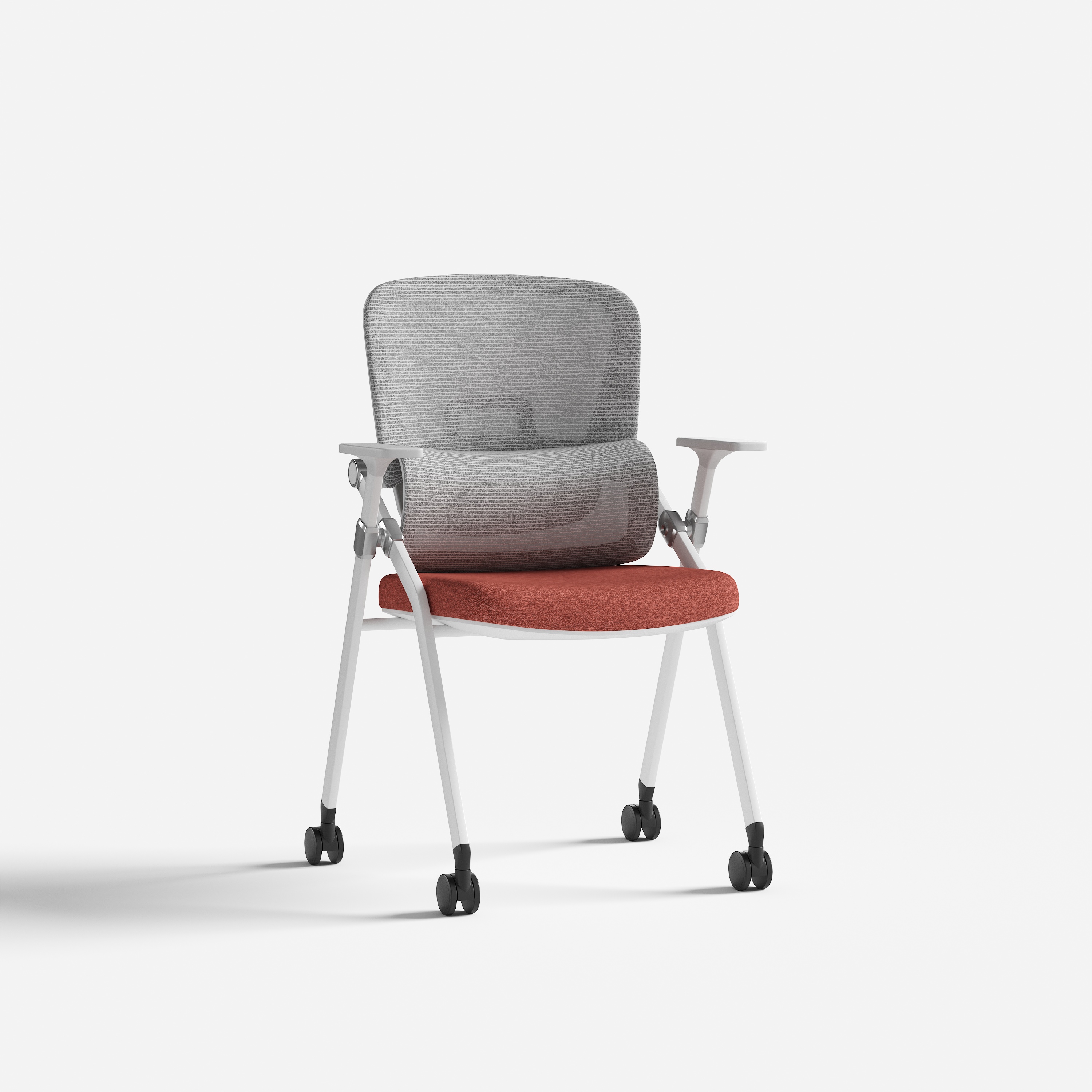
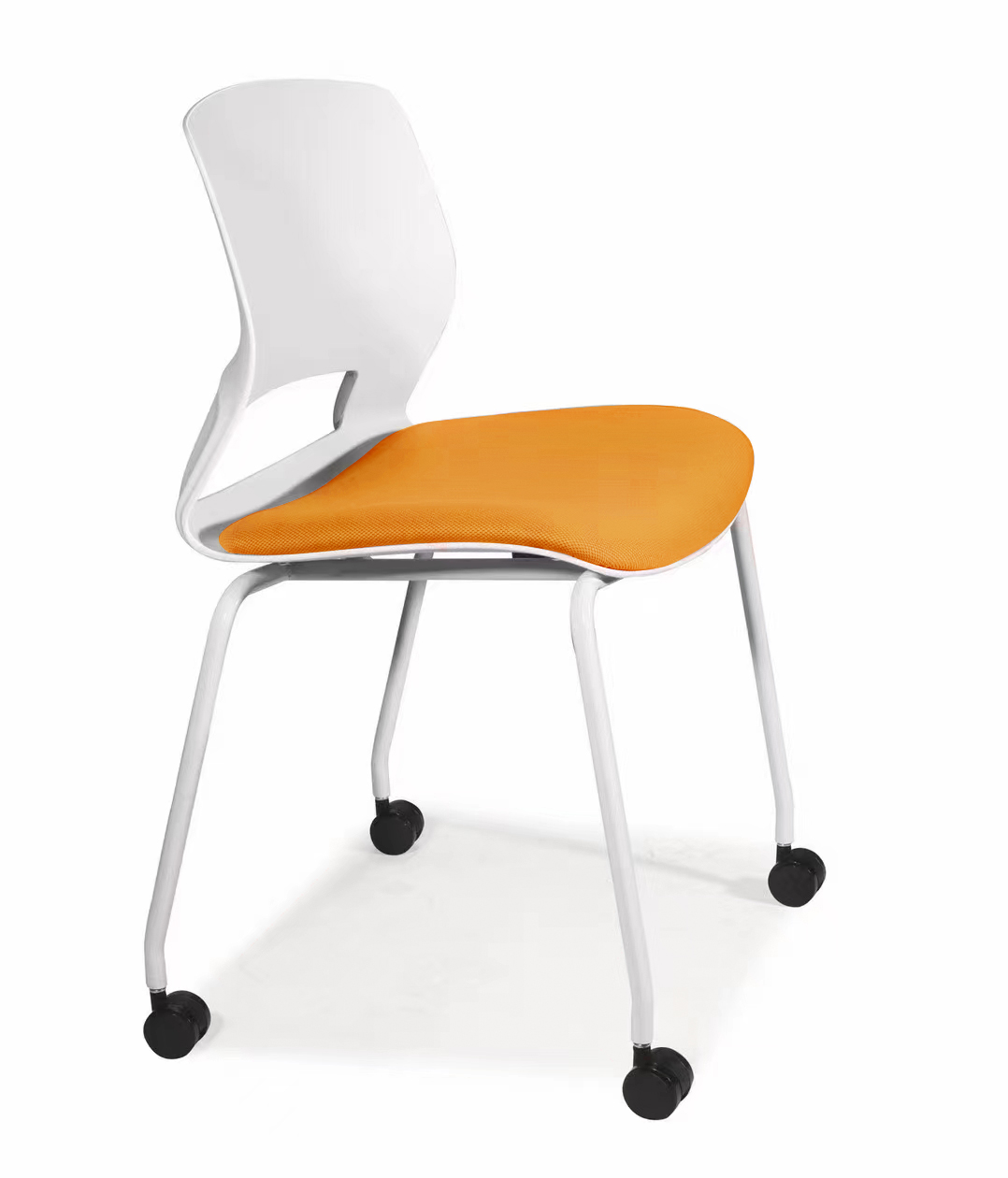
Installation Guidance for Chairs with Wheels in Commercial Spaces

Installation Guidance for Chairs with Wheels in Commercial Spaces

Installing chairs with wheels in commercial settings requires careful planning to ensure functionality and safety. Here are some steps to follow:

Assess the Space: Before installation, evaluate the layout of the area where the chairs will be placed. Ensure there's enough space for movement, especially in high-traffic areas.

Check Floor Compatibility: Different flooring types may require specific chair casters. Ensure that the chosen wheels are compatible with the floor material to prevent damage and ensure smooth operation.

Follow Manufacturer Instructions: Each chair model may have specific assembly requirements. Carefully read through the installation instructions provided by the manufacturer, such as DESTON FURNITURE, to ensure proper setup.

Conduct a Safety Check: After installation, check that all screws are tightened, and the wheels roll smoothly. This will help mitigate any potential accidents in the workplace.

User Training: Educate users on how to adjust their chairs correctly and use the wheels safely. This proactive approach can reduce wear and tear and enhance user satisfaction.

Common Problems with Chairs with Wheels and Their Solutions

Common Problems with Chairs with Wheels and Their Solutions

While chairs with wheels are designed for durability and ease of use, they can experience issues. Here are some common problems and their solutions:

Wheels Getting Stuck: Over time, dust and debris can accumulate in the wheels, causing them to stick. Regular cleaning can prevent this issue. If the problem persists, consider replacing the wheels with new casters designed for your flooring type.

Seat Height Adjustment Failure: If the seat height mechanism fails, it can lead to discomfort. Regular maintenance checks can identify issues early. If necessary, replacing the gas lift cylinder is often a straightforward fix.

Frame Structural Weakness: A chair may develop wobbliness or structural failure due to overloading. Always adhere to the specified weight capacity and replace chairs that show signs of wear.

Upholstery Damage: Wear and tear can affect upholstery, especially in high-use environments. Consider using protective covers or choosing chairs with removable, washable covers for easier maintenance.

Noise Issues: Squeaking wheels can be bothersome. Lubricating the wheel's axle can often resolve this issue. If the noise persists, inspect for damage or consider replacing the wheels.

Benefits of Using Durable Materials in Chairs with Wheels

Selecting chairs with wheels made from durable materials offers numerous advantages, particularly in commercial settings:

Longevity: Chairs constructed from high-quality materials, such as steel or reinforced plastic, tend to have a longer lifespan, making them a better investment over time.

Reduced Maintenance Costs: Durable materials often require less maintenance and fewer replacements, which can significantly lower the total cost of ownership.

Enhanced Comfort: Chairs with durable upholstery materials, such as breathable mesh, not only provide comfort but also maintain their appearance over time, even with continuous use.

Improved Safety: High-quality materials ensure that the chair's structure can withstand daily wear and tear, reducing the risk of accidents related to chair failure.

Aesthetic Appeal: Durable materials often contribute to a professional look that enhances the office's overall aesthetic, which can positively impact employee morale and client perceptions.

Understanding the specifications, cost factors, installation guidance, common problems, and benefits of durable materials in chairs with wheels is essential for making informed purchasing decisions. As a B2B buyer, this knowledge will empower you to select the right chairs that meet your organization’s functional and aesthetic needs. Additionally, consider options like the HL-670 Series Integrally Molded Fixed Backrest Training Chair for enhanced ergonomic support.

Key Specifications to Evaluate in Chairs with Wheels

When selecting chairs with wheels, it's essential to consider specific specifications that directly impact performance and user satisfaction. Here are the most critical factors:

Weight Capacity: Ensure the chair can support the intended user load. Most commercial chairs with wheels have a weight capacity ranging from 250 to 400 pounds. This specification helps prevent premature wear and structural failure.

Wheel Type: Different wheel types are suited for various flooring surfaces. Hard floors require double-wheel casters, while carpets benefit from single-wheel casters designed for better maneuverability. Assessing the environment where the chair will be used is crucial for optimal performance.

Seat Height Range: Adjustable seat height is vital for ergonomic comfort. Look for chairs that offer a range of adjustments, allowing users to set the seat height based on their individual needs and desk height.

Material Composition: The materials used in both the chair frame and upholstery affect durability and maintenance. Common materials include metal frames for strength, and mesh or fabric for breathability and comfort. For instance, you might consider the HL-651Series Double-Back Lumbar Support Training Chair for its robust materials.

Ergonomic Features: Features such as lumbar support, adjustable armrests, and a tilting mechanism enhance user comfort and promote better posture during prolonged usage. Evaluate these features based on the specific needs of your workforce.

Get a Free Quote

Our representative will contact you soon.
Name
Email
Company Name
Telephone
Message
0/1000
Attachment
Please upload at least an attachment
Up to 3 files, each no larger than 30MB. Supported formats: jpg, jpeg, png, pdf, doc, docx, xls, xlsx, csv, txt, stp, step, igs, x_t, dxf, prt, sldprt, sat, rar, zip.

Related product categories

Key Factors to Consider for Chairs with Wheels

Get a Free Quote

Our representative will contact you soon.
Name
Email
Company Name
Telephone
Message
0/1000
Attachment
Please upload at least an attachment
Up to 3 files, each no larger than 30MB. Supported formats: jpg, jpeg, png, pdf, doc, docx, xls, xlsx, csv, txt, stp, step, igs, x_t, dxf, prt, sldprt, sat, rar, zip.