Key Specifications of Plastic Stackable Chairs

All Categories

plastic stackable chair

Plastic stackable chairs are a versatile seating solution for various commercial applications, offering durability and ease of storage. As a B2B buyer, understanding the specifications, cost factors, installation requirements, and potential issues associated with these chairs is crucial for making informed purchasing decisions. This article will provide you with insights into the key specifications, financial considerations, installation guidance, common problems, and material advantages of plastic stackable chairs, helping you select the right product for your needs.
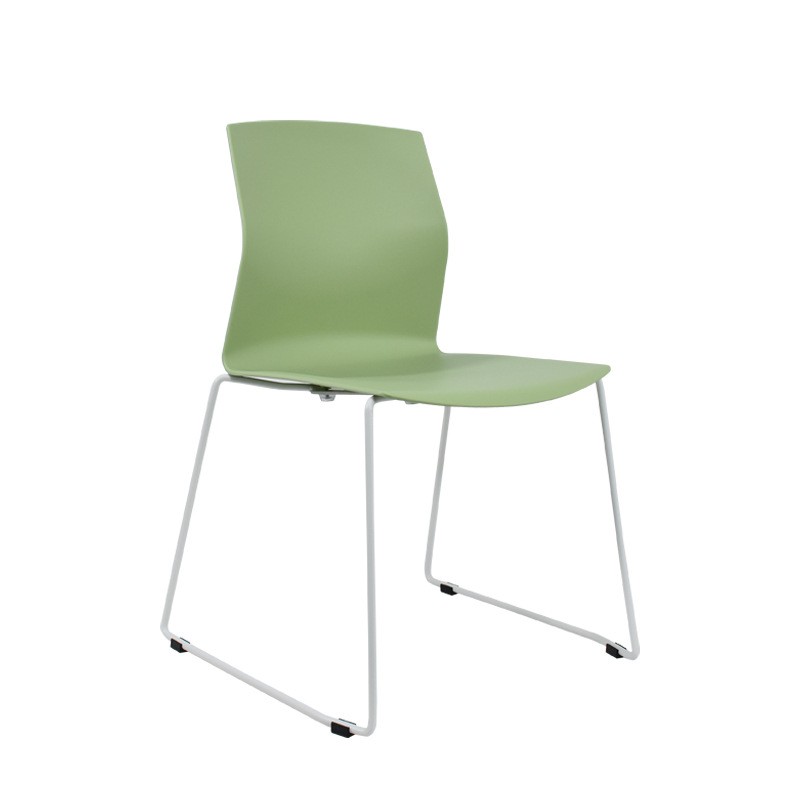
Cost Factors to Consider When Purchasing Plastic Stackable Chairs

Cost Factors to Consider When Purchasing Plastic Stackable Chairs

When budgeting for plastic stackable chairs, several cost factors should be taken into account:

Unit Price: The base price per chair can vary significantly based on design, material quality, and brand reputation. A lower-priced chair may not always offer the same durability or comfort as a higher-priced alternative.

Shipping Costs: Consider shipping expenses, which can vary based on the supplier's location and order size. Bulk orders may qualify for lower shipping rates, making it more economical.

Customization Options: If you require custom colors, logos, or designs, be prepared for additional costs. Customization can enhance brand visibility but may increase the unit price.

Volume Discounts: Many manufacturers, including DESTON FURNITURE, offer discounts for bulk purchases. Understanding the minimum order quantity (MOQ) can help optimize your budget.

Warranty and After-Sales Support: Evaluate the warranty terms and after-sales support offered by the manufacturer. A strong warranty can provide peace of mind and reduce long-term costs in case of defects or damages.

By carefully considering these cost factors, you can make a more informed decision and ensure that your investment in plastic stackable chairs aligns with your budget and project requirements. Additionally, consider options like the HL-670 Series Integrally Molded Fixed Backrest Training Chair for added value.
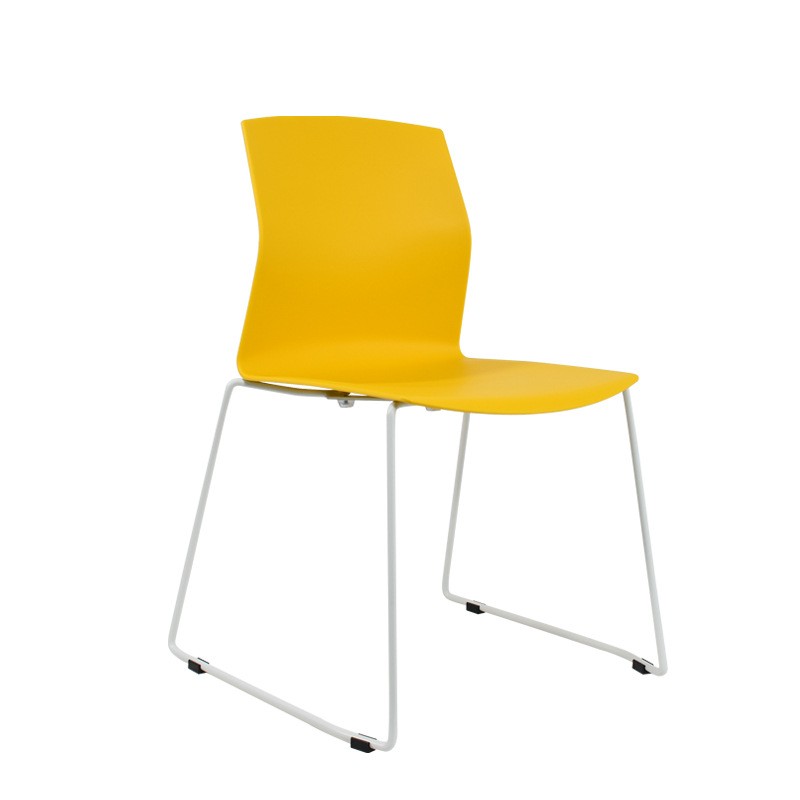
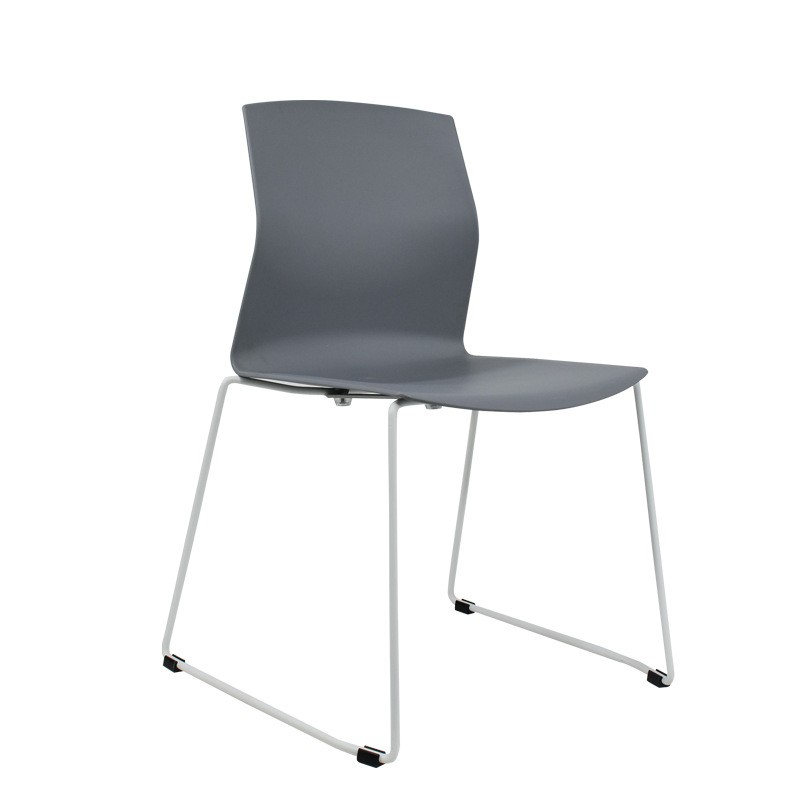
Installation Guidance for Plastic Stackable Chairs in Commercial Spaces

Installation Guidance for Plastic Stackable Chairs in Commercial Spaces

Installing plastic stackable chairs in commercial spaces requires thoughtful planning to ensure safety and functionality. Here are several guidelines to follow:

Space Planning: Assess the layout of your space to determine how many chairs can be accommodated without obstructing pathways or fire exits. Consider the arrangement of other furniture, like tables or desks, to create a cohesive environment.

Assembly Instructions: Most plastic stackable chairs come partially assembled. Ensure that you follow the manufacturer’s assembly instructions carefully to avoid any safety issues.

Check Stability: After installation, check each chair for stability. Ensure that all legs are even and that the chairs do not wobble, which can lead to discomfort and potential safety hazards.

Cleaning and Maintenance: Establish a regular cleaning schedule to maintain the chairs' appearance and hygiene, especially in high-use areas. Most plastic stackable chairs can be easily wiped down with mild detergent and water.

Storage Solutions: If the chairs will be stacked for storage, provide a dedicated area that allows for easy access and minimizes damage during retrieval. Ensure that the stacking does not compromise the chair's structural integrity.

By following these installation guidelines, you can ensure that the plastic stackable chairs are not only functional but also enhance the overall aesthetic of your commercial space.

Common Problems with Plastic Stackable Chairs and Effective Solutions

Common Problems with Plastic Stackable Chairs and Effective Solutions

While plastic stackable chairs are generally durable, several common issues may arise during their usage. Understanding these problems and their solutions will help you maintain their performance:

Fading and Discoloration: Over time, chairs exposed to sunlight may fade. To mitigate this, consider using UV-resistant materials or placing the chairs in shaded areas when not in use.

Cracks or Breakage: Although designed for durability, heavy use can lead to cracks. Regular inspections can help identify any signs of wear early. If cracks appear, consult the manufacturer's warranty policy for repair options.

Stacking Issues: Sometimes, chairs may not stack properly due to uneven legs or incompatible designs. Ensure that chairs are from the same model and batch for optimal stacking. Regularly check for any debris that may obstruct stacking.

Cleaning Challenges: Some stains may be difficult to remove from plastic surfaces. Implementing a regular cleaning routine with appropriate cleaning agents can help maintain their appearance. Always test a small area first to avoid damage.

By anticipating these common problems and implementing effective solutions, you can enhance the longevity and performance of your plastic stackable chairs.

Comparing Material Advantages of Plastic Stackable Chairs for Buyers

The choice of materials in plastic stackable chairs significantly impacts their performance, durability, and suitability for various applications. Here’s a comparison of common materials used:

Polypropylene: Known for its lightweight and flexible properties, polypropylene is resistant to moisture and easy to clean. It’s an excellent choice for environments like schools and hospitals where hygiene is paramount.

High-Density Polyethylene (HDPE): This material offers superior strength and impact resistance compared to standard plastics. HDPE chairs are ideal for outdoor use due to their weather resistance and UV stability.

Reinforced Plastic: Some manufacturers utilize reinforced plastic blends to enhance durability further. These materials may include glass fibers or other additives, providing additional strength for high-traffic areas.

Bamboo or Wood-Look Finishes: While primarily plastic, some chairs offer finishes that mimic natural materials. This feature combines aesthetics with the functional benefits of plastic, making them suitable for upscale environments.

When selecting plastic stackable chairs, consider the intended application and environment. Understanding the advantages of different materials will help you choose chairs that not only meet aesthetic requirements but also perform well in their specific setting. For instance, the HL-660 Series Double-Back Lumbar S-Shaped Ergonomic Folding Training Chair is a great choice for its ergonomic design.

By addressing these key aspects, you can make a well-informed decision when purchasing plastic stackable chairs, ensuring they meet the unique needs of your commercial environment.

Key Specifications of Plastic Stackable Chairs for Contract Purchases

When evaluating plastic stackable chairs, several specifications are vital for ensuring they meet your contract needs. Key specifications include:

Weight Capacity: Most plastic stackable chairs are designed to hold a weight limit between 250 to 400 pounds. This specification is crucial for ensuring safety and comfort in various environments.

Dimensions: Standard seat height ranges from 17 to 20 inches, with widths typically around 18 to 22 inches. Understanding these dimensions helps in assessing how the chairs will fit within your space and accommodate your users.

Material Quality: High-density polyethylene (HDPE) or polypropylene are common materials used in these chairs due to their resistance to fading, scratching, and moisture. Buyers should verify that the materials used meet the specific durability and aesthetic requirements of their environment.

Stacking Height: Most plastic stackable chairs can be stacked up to 10-12 units high. This feature is important for efficient storage, especially in environments where space is at a premium.

Certifications: Look for certifications that indicate compliance with industry standards, such as BIFMA (Business and Institutional Furniture Manufacturers Association). These certifications can provide assurance of the chair's durability and safety.

Understanding these specifications will help you ensure that the plastic stackable chairs you choose will meet the demands of your project and provide long-lasting performance. For example, the HL-651 Series Double-Back Lumbar Support Training Chair offers exceptional durability and comfort.

Get a Free Quote

Our representative will contact you soon.
Name
Email
Company Name
Telephone
Message
0/1000
Attachment
Please upload at least an attachment
Up to 3 files, each no larger than 30MB. Supported formats: jpg, jpeg, png, pdf, doc, docx, xls, xlsx, csv, txt, stp, step, igs, x_t, dxf, prt, sldprt, sat, rar, zip.

Related product categories

Key Specifications of Plastic Stackable Chairs

Get a Free Quote

Our representative will contact you soon.
Name
Email
Company Name
Telephone
Message
0/1000
Attachment
Please upload at least an attachment
Up to 3 files, each no larger than 30MB. Supported formats: jpg, jpeg, png, pdf, doc, docx, xls, xlsx, csv, txt, stp, step, igs, x_t, dxf, prt, sldprt, sat, rar, zip.