EN
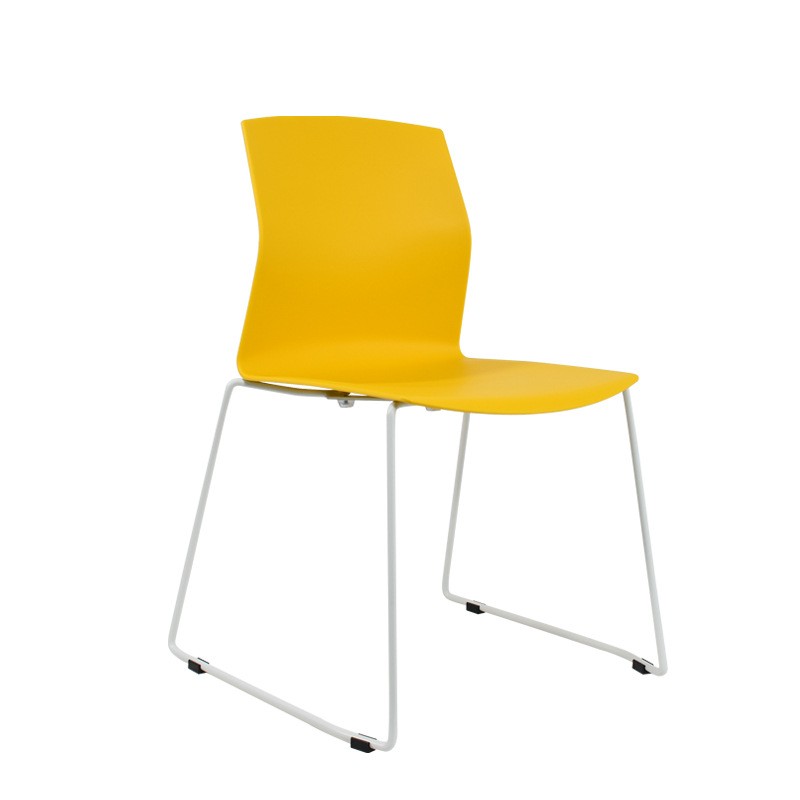
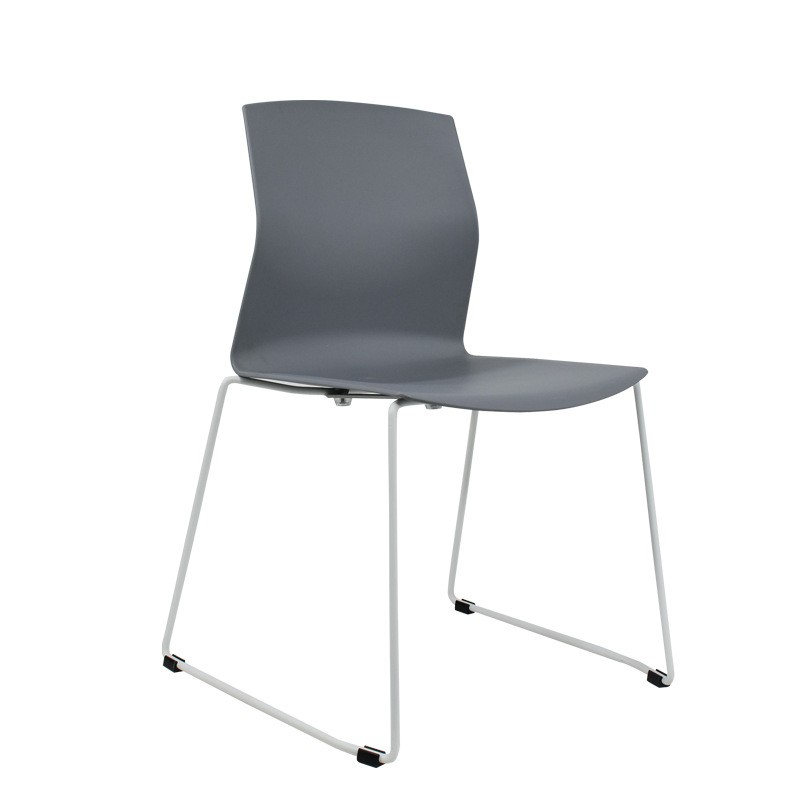
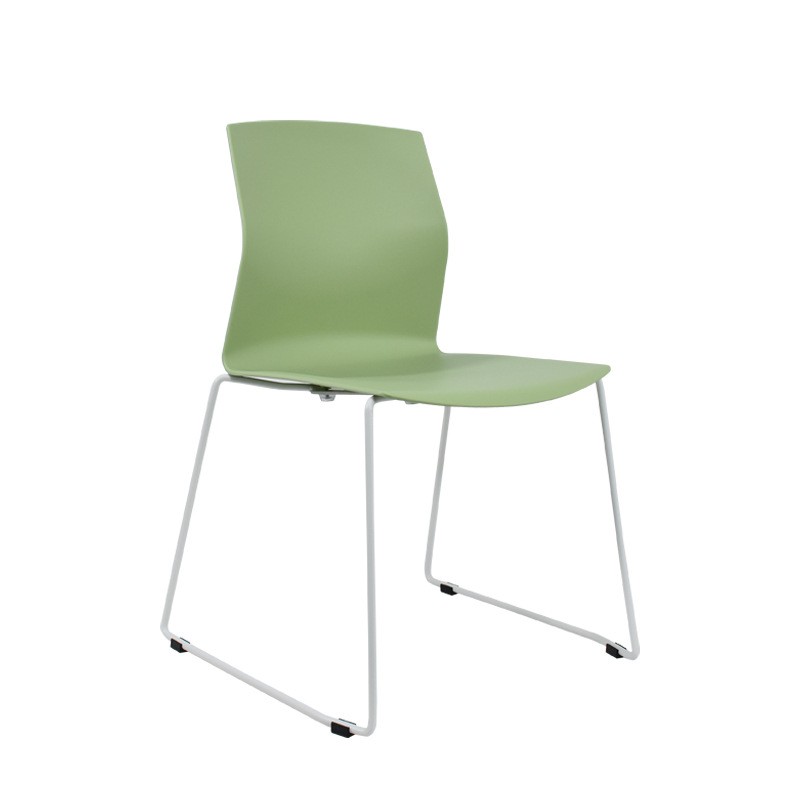
Plastic stackable chairs are a versatile seating solution for various commercial applications, offering durability and ease of storage. As a B2B buyer, understanding the specifications, cost factors, installation requirements, and potential issues associated with these chairs is crucial for making informed purchasing decisions. This article will provide you with insights into the key specifications, financial considerations, installation guidance, common problems, and material advantages of plastic stackable chairs, helping you select the right product for your needs.
Cost Factors to Consider When Purchasing Plastic Stackable Chairs
When budgeting for plastic stackable chairs, several cost factors should be taken into account:
Unit Price: The base price per chair can vary significantly based on design, material quality, and brand reputation. A lower-priced chair may not always offer the same durability or comfort as a higher-priced alternative.
Shipping Costs: Consider shipping expenses, which can vary based on the supplier's location and order size. Bulk orders may qualify for lower shipping rates, making it more economical.
Customization Options: If you require custom colors, logos, or designs, be prepared for additional costs. Customization can enhance brand visibility but may increase the unit price.
Volume Discounts: Many manufacturers, including DESTON FURNITURE, offer discounts for bulk purchases. Understanding the minimum order quantity (MOQ) can help optimize your budget.
Warranty and After-Sales Support: Evaluate the warranty terms and after-sales support offered by the manufacturer. A strong warranty can provide peace of mind and reduce long-term costs in case of defects or damages.
By carefully considering these cost factors, you can make a more informed decision and ensure that your investment in plastic stackable chairs aligns with your budget and project requirements. Additionally, consider options like the HL-670 Series Integrally Molded Fixed Backrest Training Chair for added value.