Choosing Boardroom Tables and Chairs for Your Project

All Categories

boardroom table and chairs

When selecting boardroom tables and chairs, understanding the specific requirements that fit your organizational needs is crucial. Boardroom tables and chairs not only serve a functional purpose but also contribute to the overall aesthetic of the meeting space, influencing productivity and professional impressions. Buyers, such as purchasing managers and facility planners, typically seek durability, comfort, and design that align with their corporate identity. This article will guide you through key considerations, specifications, material choices, and cost factors to help you make informed decisions for your project.
Specifications You Need for Durable Boardroom Tables and Chairs

Specifications You Need for Durable Boardroom Tables and Chairs

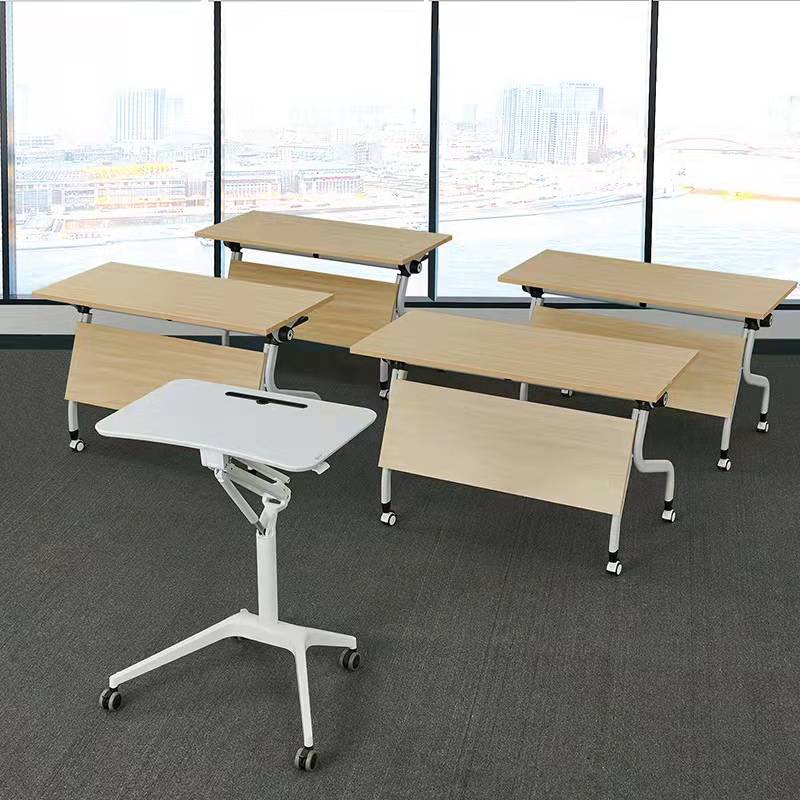
When evaluating specifications for boardroom tables and chairs, several factors contribute to their durability and functionality:

Table Dimensions: The ideal table size should accommodate the number of participants while allowing for comfort. Standard lengths range from 6 to 12 feet, with widths of 3 to 5 feet being common. Height is typically around 29-30 inches.

Weight Capacity: Ensure the table can support the weight of any technology used, as well as the combined weight of all participants. This is especially important for tables that will be used for varied purposes.

Chair Height and Adjustability: Chair height should be adjustable or fixed according to the table height to maintain ergonomic standards. Look for options with lumbar support and adjustable armrests for added comfort, such as the HL-651 Series Double-Back Lumbar Support Training Chair.

Material Thickness: Thicker tabletops (1.5 inches or more) generally offer better durability, while chair frames should be made from sturdy materials to withstand daily use.

Finish and Surface Treatment: The surface material should be easy to clean and maintain. Consider finishes that resist scratches and stains, which can significantly extend the lifespan of the furniture.
Compare Material Advantages of Boardroom Tables and Chairs for Your Needs

Compare Material Advantages of Boardroom Tables and Chairs for Your Needs

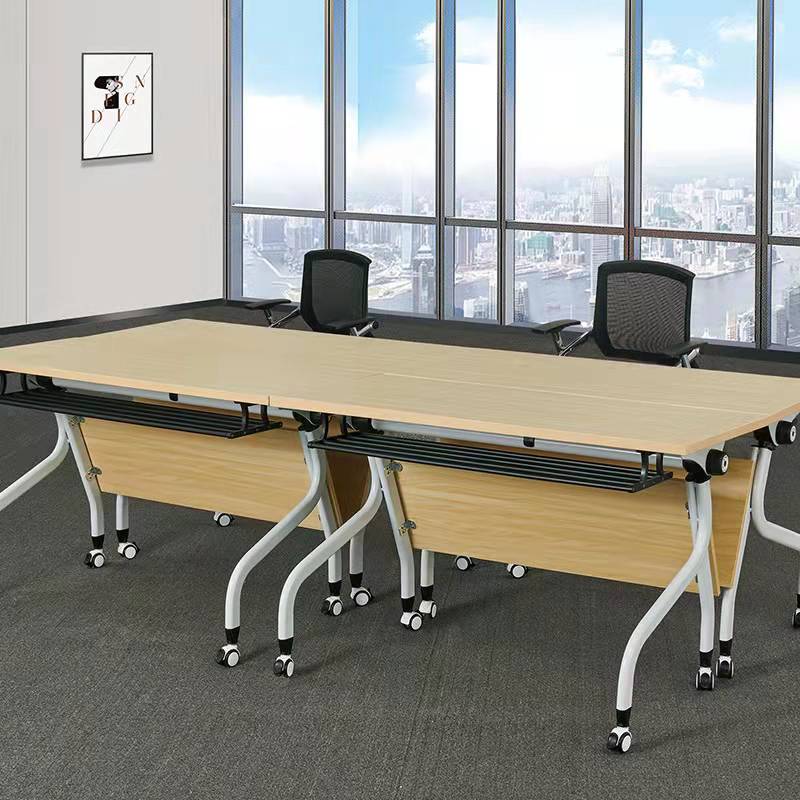
Material selection significantly affects both the durability and aesthetic of boardroom tables and chairs. Here are common materials and their advantages:

Wood: Offers a classic and professional look. Solid wood is durable but can be heavy and more expensive. Veneer options provide similar aesthetics at a lower cost, but may be less durable.

Metal: Often used for chair frames and table bases. Metal is durable and can support significant weight. It also allows for sleek designs but may lack warmth compared to wood.

Laminate: Provides a cost-effective and versatile surface option. Laminate is resistant to scratches and stains, making it suitable for high-traffic areas, although it may not have the same aesthetic appeal as wood.

Upholstery Materials: For chairs, consider fabric, leather, or synthetic materials. Each has its benefits—fabric can be breathable and comfortable, while leather offers a more upscale appearance.

Glass: Commonly used as a tabletop material due to its modern aesthetic. Glass tops can be easy to clean but may require careful handling to avoid breakage.

Cost Factors to Consider When Purchasing Boardroom Tables and Chairs

Cost Factors to Consider When Purchasing Boardroom Tables and Chairs

Understanding the cost implications of boardroom furniture is essential for budget management. Factors influencing costs include:

Material Quality: Higher quality materials typically lead to higher prices. Solid wood and premium upholstery will increase overall costs compared to laminate or basic fabrics.

Design Complexity: Custom designs or unique features such as integrated technology will increase costs. Simple, standard designs tend to be more economical.

Brand Reputation: Established brands may command higher prices due to perceived reliability and quality assurance, while lesser-known brands might offer lower prices but with potential trade-offs in quality.

Volume Discounts: Purchasing in bulk can often lead to significant savings. Assessing your needs ahead of time can allow for negotiations with suppliers to secure better pricing.

Shipping and Setup Fees: Don’t forget to factor in the costs of shipping and assembly, as these can add to the overall expenditure. Some suppliers include these in their pricing, while others may charge extra.

Applications of Boardroom Tables and Chairs in Different Industries

Boardroom tables and chairs serve various functions across different sectors. Understanding how they are utilized can inform your purchasing decisions:

Corporate Offices: In corporate environments, boardroom furniture is essential for facilitating meetings, presentations, and decision-making sessions. Ergonomic designs are favored to enhance comfort during long meetings.

Educational Institutions: Schools and universities may require flexible seating arrangements for various group sizes. Durable materials that withstand heavy use and frequent reconfiguration are preferred.

Healthcare Facilities: In hospitals and clinics, boardroom furniture is used for administrative meetings and patient consultations. Furniture must be easy to clean and maintain, with a focus on comfort for patients and staff alike.

Government Agencies: Here, boardroom tables and chairs must often meet specific compliance standards and durability requirements due to frequent use. A formal aesthetic is also typically preferred.

Nonprofits and NGOs: Budget-conscious organizations may seek cost-effective solutions without sacrificing quality. Multi-functional furniture, such as the GJ035 Series Sled-foot Stackable Chair, that can cater to different needs is often of particular interest.

In summary, choosing the right boardroom table and chairs involves careful consideration of specifications, materials, costs, and industry applications. By understanding these factors, you will be better equipped to make an informed decision tailored to your organization’s needs.

What to Consider When Choosing Boardroom Tables and Chairs for Your Projec

Choosing the right boardroom tables and chairs requires a balance of functionality, comfort, and style. Key considerations include:

Room Dimensions: Measure the space to determine the size of the table and number of chairs that can comfortably fit without overcrowding. Ensure there is enough room for movement and access to technology like projectors or screens.

Design and Aesthetics: The design should reflect your company's branding and culture. Whether you opt for a modern aesthetic with clean lines or a more traditional look, the furniture should align with your corporate identity.

Usage Requirements: Consider how often the boardroom will be used and for what purposes. Frequent, extended meetings may necessitate more ergonomic chairs, such as the HL-670 Series Integrally Molded Fixed Backrest Training Chair, while occasional use may allow for simpler designs.

Technology Integration: Modern boardrooms often require technology integration, such as built-in power outlets and data ports. Ensure that the table design accommodates these needs without compromising aesthetics.

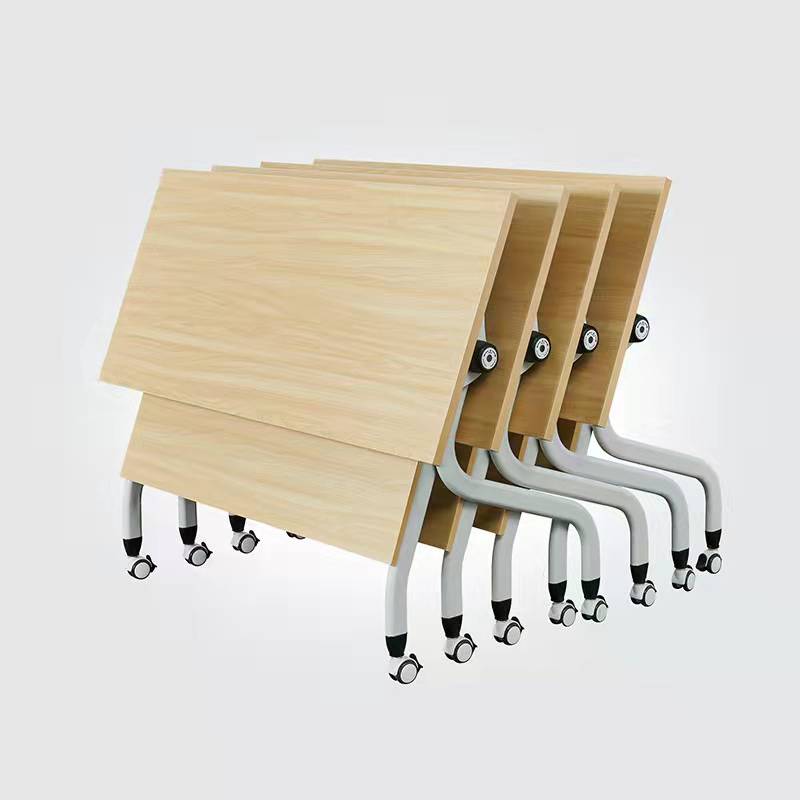
Flexibility and Customization: If your boardroom needs may change, consider modular furniture options that can be reconfigured easily to adapt to different meeting styles.

Get a Free Quote

Our representative will contact you soon.
Name
Email
Company Name
Telephone
Message
0/1000
Attachment
Please upload at least an attachment
Up to 3 files, each no larger than 30MB. Supported formats: jpg, jpeg, png, pdf, doc, docx, xls, xlsx, csv, txt, stp, step, igs, x_t, dxf, prt, sldprt, sat, rar, zip.

Related product categories

Choosing Boardroom Tables and Chairs for Your Project

Get a Free Quote

Our representative will contact you soon.
Name
Email
Company Name
Telephone
Message
0/1000
Attachment
Please upload at least an attachment
Up to 3 files, each no larger than 30MB. Supported formats: jpg, jpeg, png, pdf, doc, docx, xls, xlsx, csv, txt, stp, step, igs, x_t, dxf, prt, sldprt, sat, rar, zip.