EN
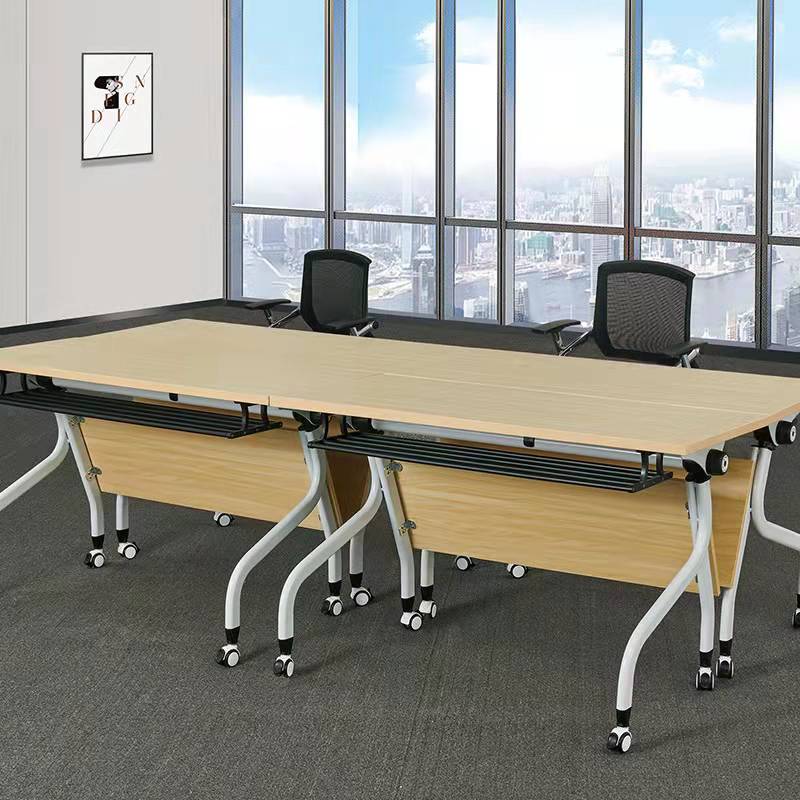
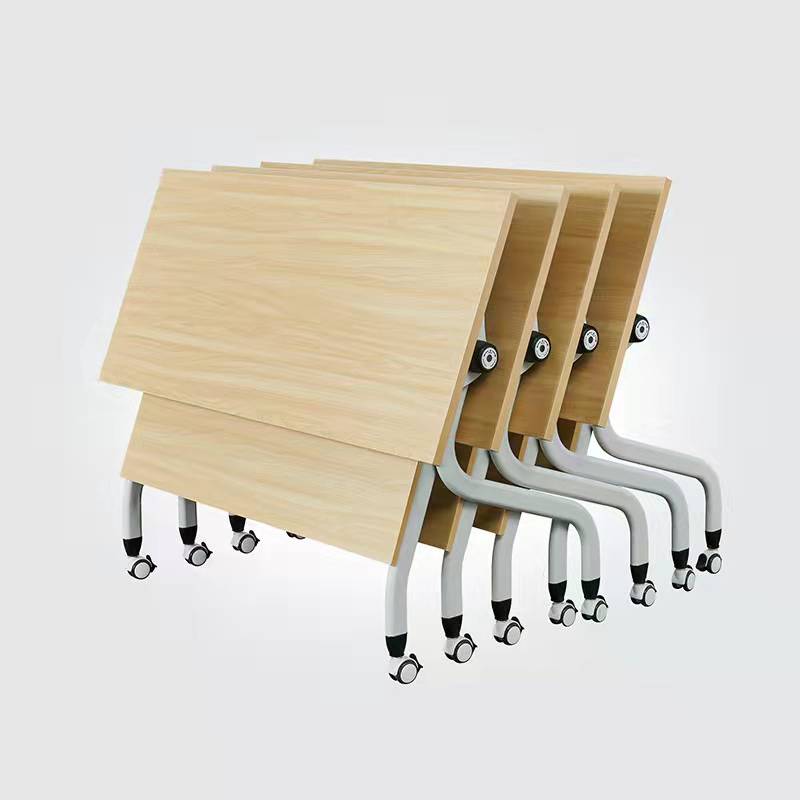
When selecting boardroom tables and chairs, understanding the specific requirements that fit your organizational needs is crucial. Boardroom tables and chairs not only serve a functional purpose but also contribute to the overall aesthetic of the meeting space, influencing productivity and professional impressions. Buyers, such as purchasing managers and facility planners, typically seek durability, comfort, and design that align with their corporate identity. This article will guide you through key considerations, specifications, material choices, and cost factors to help you make informed decisions for your project.
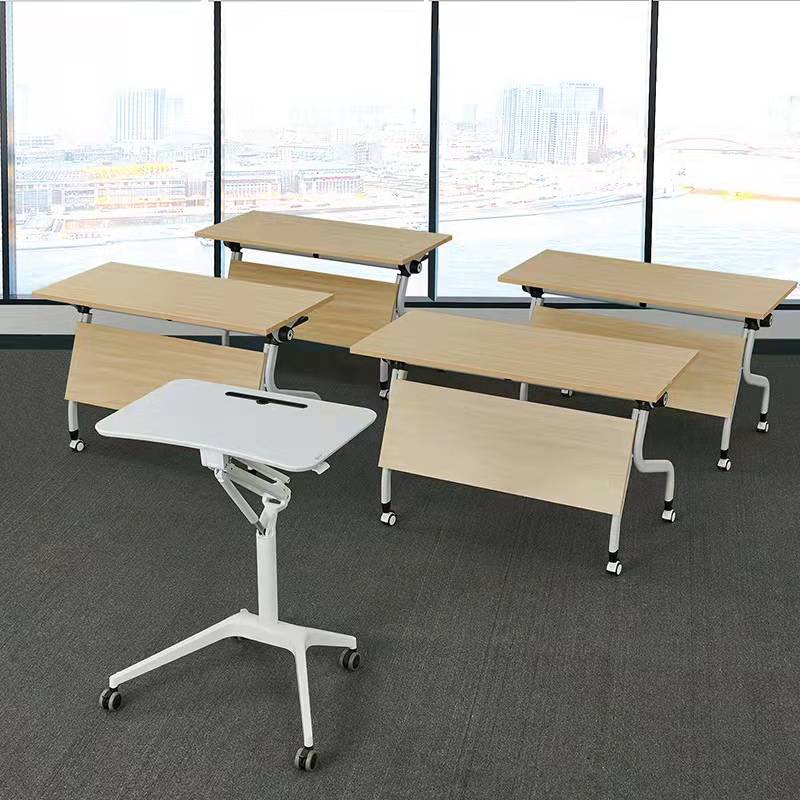
Specifications You Need for Durable Boardroom Tables and Chairs
When evaluating specifications for boardroom tables and chairs, several factors contribute to their durability and functionality:
Table Dimensions: The ideal table size should accommodate the number of participants while allowing for comfort. Standard lengths range from 6 to 12 feet, with widths of 3 to 5 feet being common. Height is typically around 29-30 inches.
Weight Capacity: Ensure the table can support the weight of any technology used, as well as the combined weight of all participants. This is especially important for tables that will be used for varied purposes.
Chair Height and Adjustability: Chair height should be adjustable or fixed according to the table height to maintain ergonomic standards. Look for options with lumbar support and adjustable armrests for added comfort, such as the HL-651 Series Double-Back Lumbar Support Training Chair.
Material Thickness: Thicker tabletops (1.5 inches or more) generally offer better durability, while chair frames should be made from sturdy materials to withstand daily use.
Finish and Surface Treatment: The surface material should be easy to clean and maintain. Consider finishes that resist scratches and stains, which can significantly extend the lifespan of the furniture.