EN

Choosing the right work chair is crucial for enhancing productivity and ensuring comfort in any office environment. As B2B buyers, purchasing managers, and facility planners, your primary concerns often revolve around durability, ergonomics, cost-effectiveness, and suitability for various applications. This article will guide you through the essential aspects of selecting work chairs, from key specifications to material advantages, helping you make informed purchasing decisions.
Key Specifications to Consider When Sourcing Work Chairs
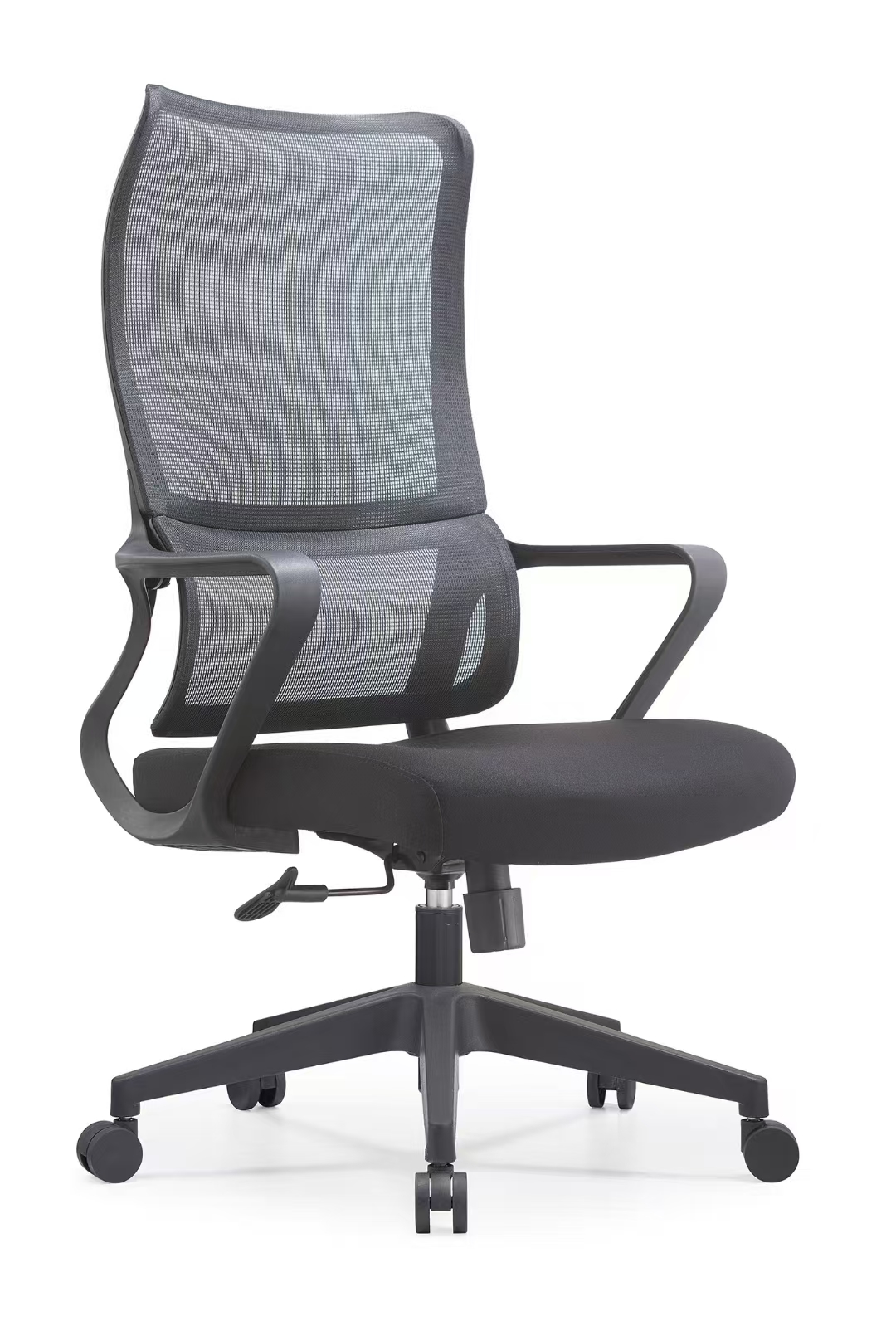
Key specifications play a vital role in the overall performance and comfort of work chairs. Here are several important factors to consider:
Weight Capacity: Ensure that the chair can support the weight of its intended users. Most chairs will specify their weight capacity, which is essential for safety and comfort.
Dimensions: The chair's dimensions, including seat width, depth, and height, should fit the workspace and the average user. A chair that is too wide or too narrow can lead to discomfort.
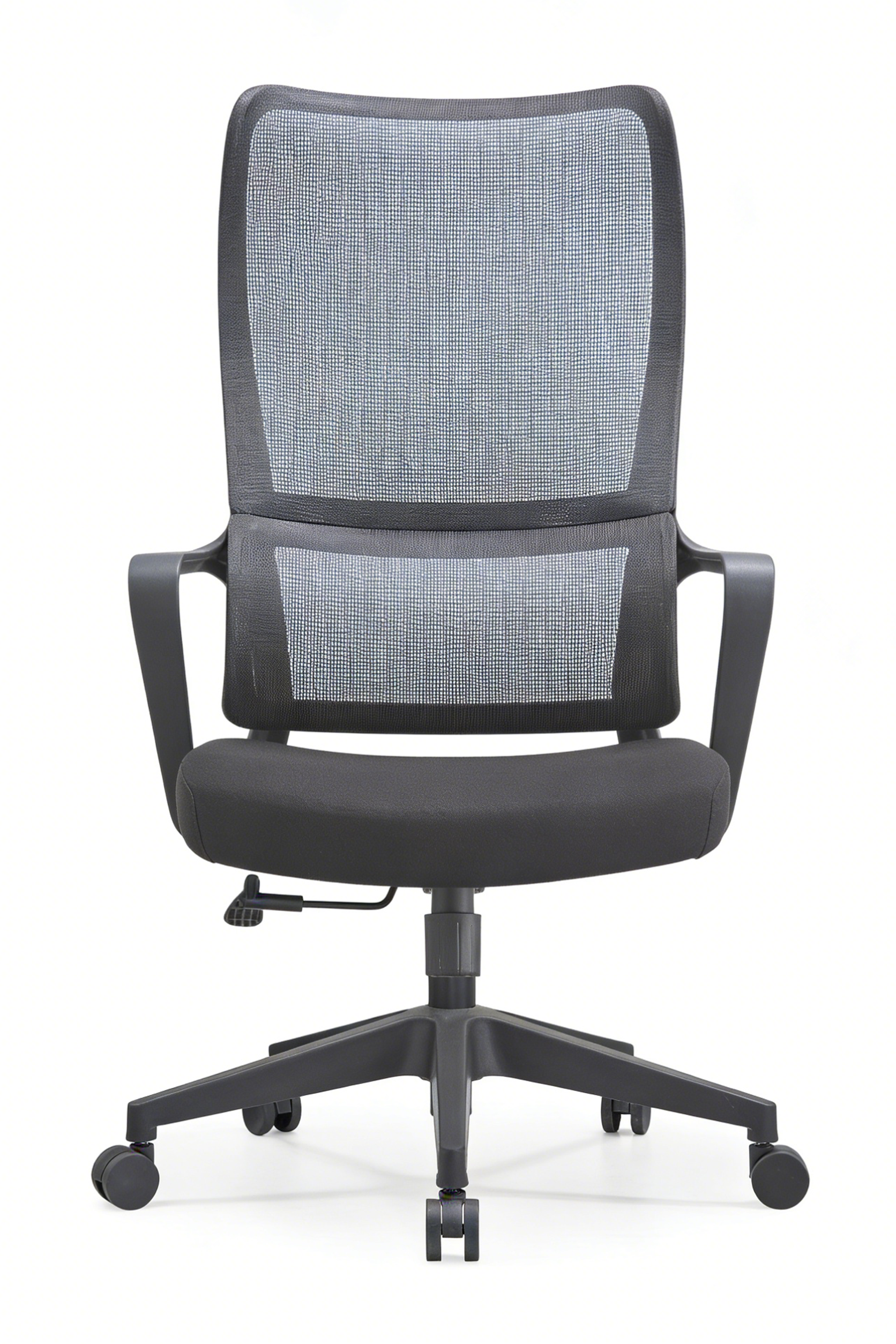
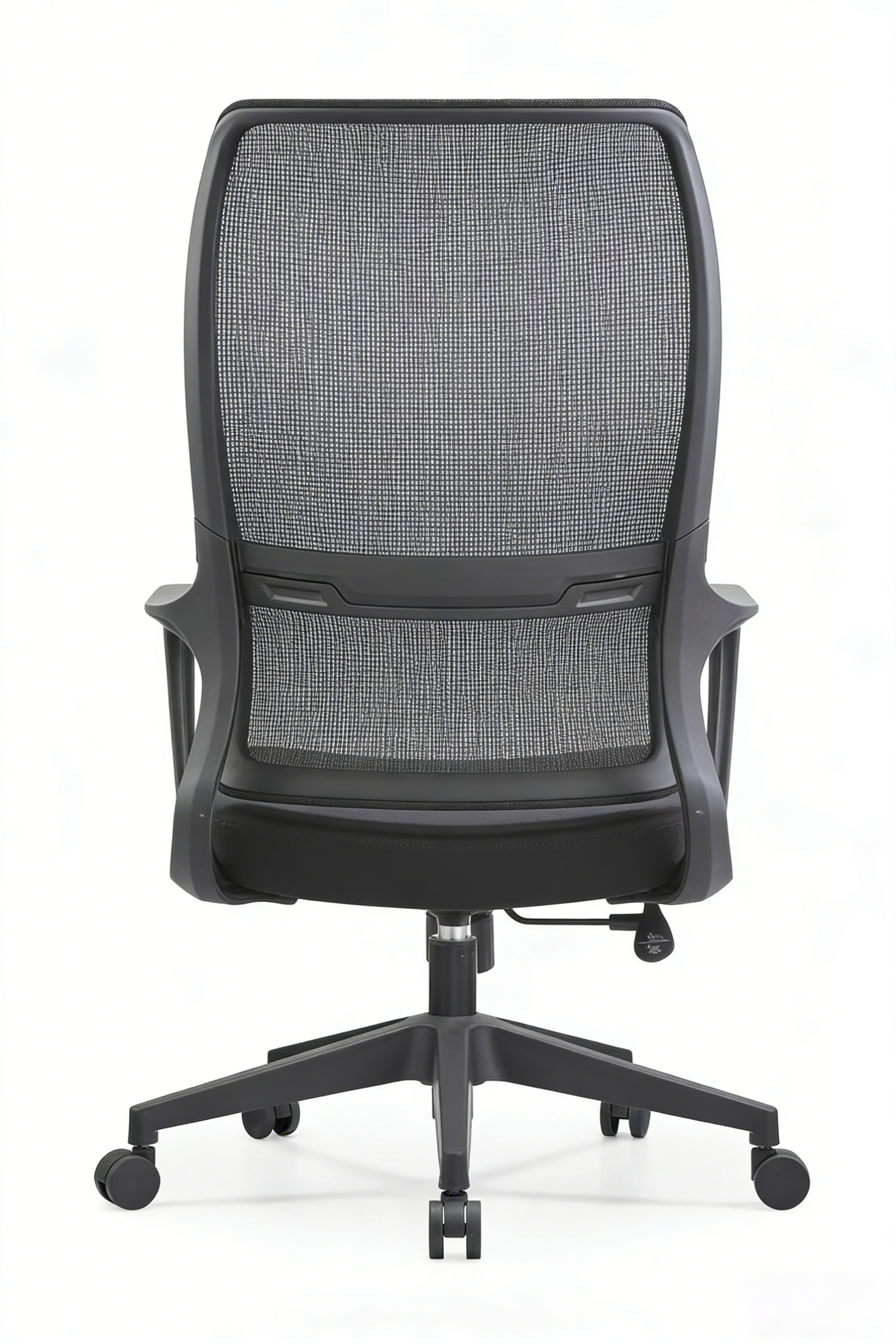
Material: The materials used in the chair's construction affect its durability, comfort, and maintenance. Common materials include fabric, leather, and mesh, each offering different levels of breathability and ease of cleaning. For example, HL-651 Series Double-Back Lumbar Support Training Chair combines ergonomic support with durable materials.
Adjustability: Look for adjustable lumbar support, seat depth, and armrests. This flexibility allows users to customize the chair to their specific ergonomic needs.
Mobility: Consider whether you need a chair with wheels for easy movement or a stationary chair for stability. The type of flooring in your office can also influence this choice.
Understanding these specifications will help you select chairs that meet both comfort and functionality requirements.