
Choosing the Right Work Chair for Your Office

All Categories

work chair

Choosing the right work chair is crucial for enhancing productivity and ensuring comfort in any office environment. As B2B buyers, purchasing managers, and facility planners, your primary concerns often revolve around durability, ergonomics, cost-effectiveness, and suitability for various applications. This article will guide you through the essential aspects of selecting work chairs, from key specifications to material advantages, helping you make informed purchasing decisions.
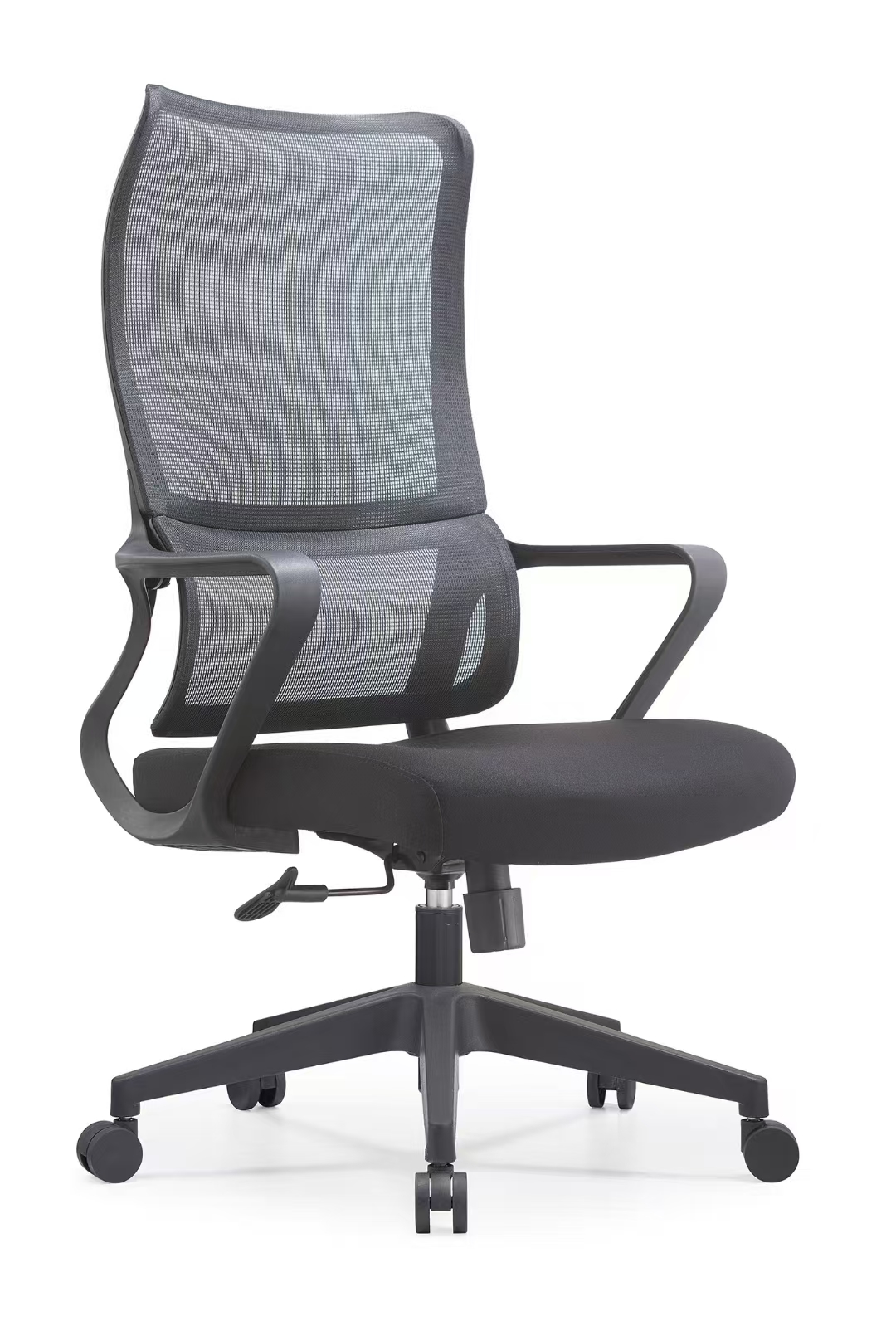
Key Specifications to Consider When Sourcing Work Chairs

Key Specifications to Consider When Sourcing Work Chairs

Key specifications play a vital role in the overall performance and comfort of work chairs. Here are several important factors to consider:

Weight Capacity: Ensure that the chair can support the weight of its intended users. Most chairs will specify their weight capacity, which is essential for safety and comfort.

Dimensions: The chair's dimensions, including seat width, depth, and height, should fit the workspace and the average user. A chair that is too wide or too narrow can lead to discomfort.

Material: The materials used in the chair's construction affect its durability, comfort, and maintenance. Common materials include fabric, leather, and mesh, each offering different levels of breathability and ease of cleaning. For example, HL-651 Series Double-Back Lumbar Support Training Chair combines ergonomic support with durable materials.

Adjustability: Look for adjustable lumbar support, seat depth, and armrests. This flexibility allows users to customize the chair to their specific ergonomic needs.

Mobility: Consider whether you need a chair with wheels for easy movement or a stationary chair for stability. The type of flooring in your office can also influence this choice.

Understanding these specifications will help you select chairs that meet both comfort and functionality requirements.
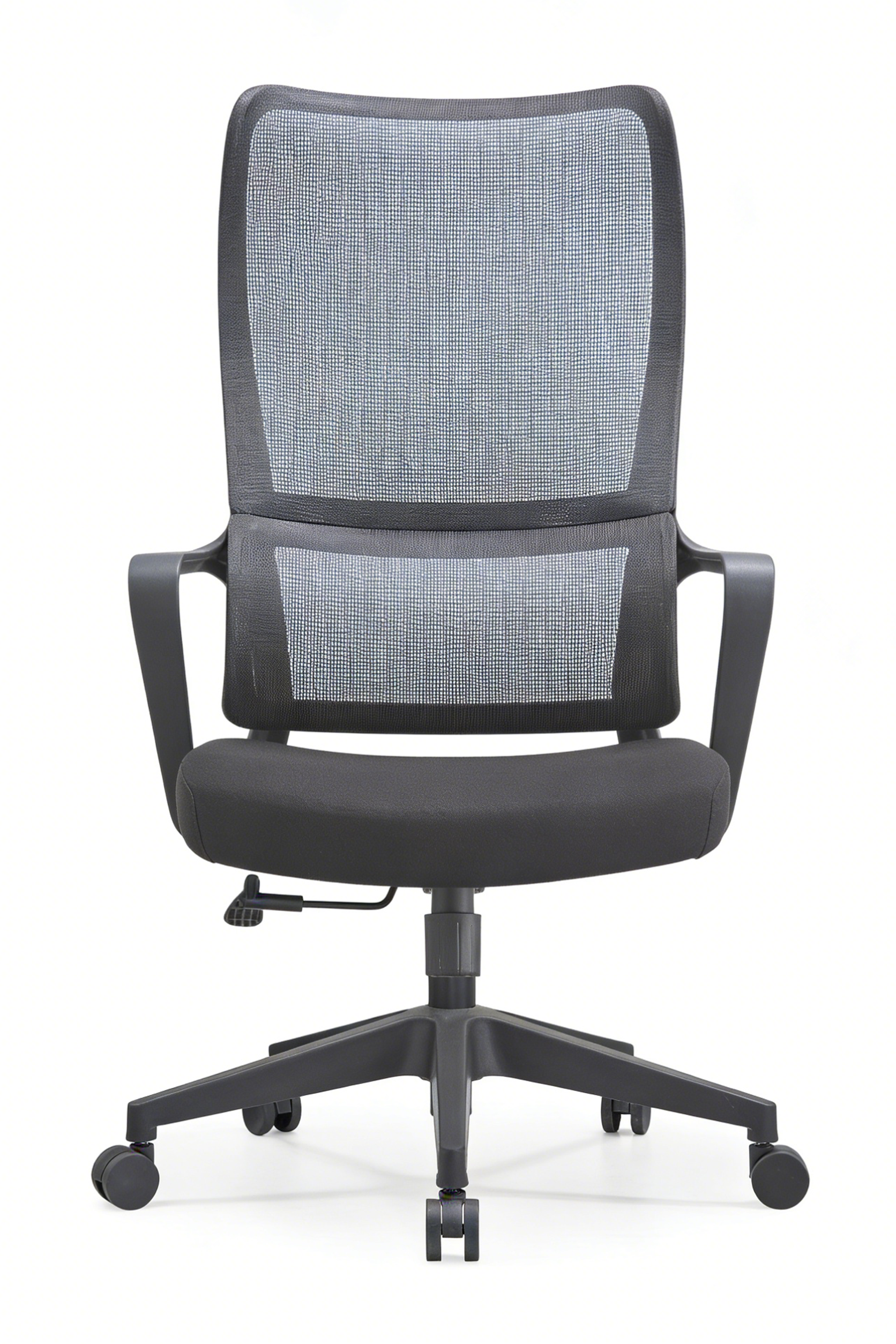
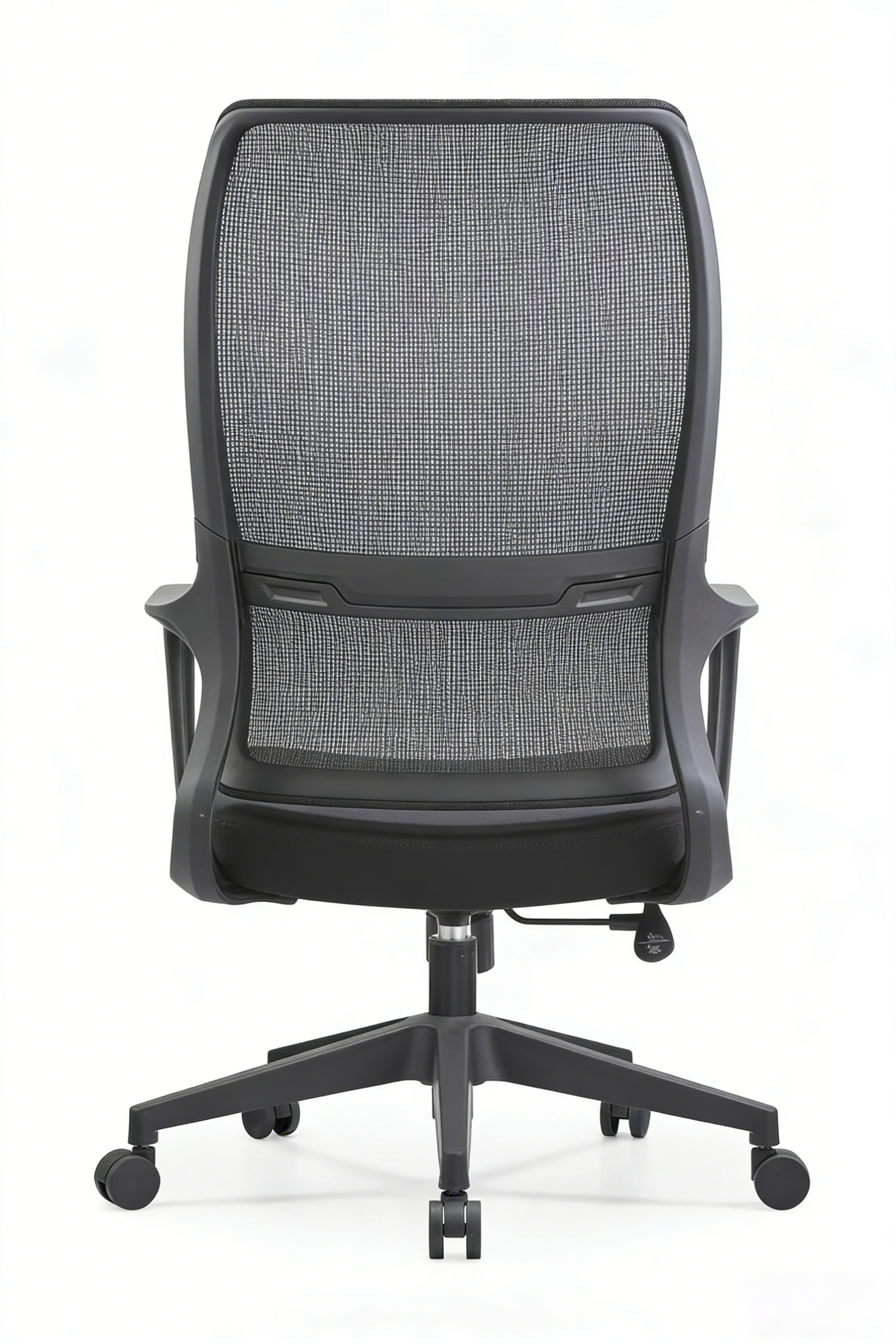
Cost Factors to Evaluate When Purchasing Work Chairs

Cost Factors to Evaluate When Purchasing Work Chairs

Cost is often a primary concern for B2B buyers when sourcing work chairs. While it may be tempting to opt for the lowest price, consider the total cost of ownership. Here are some cost factors to evaluate:

Initial Purchase Price: This is the most obvious factor, but remember that cheaper chairs may not offer the same durability or comfort as higher-priced options.

Warranty and Support: A longer warranty can indicate a manufacturer's confidence in their product. Consider the cost of potential repairs or replacements if the chair fails early.

Maintenance Costs: Some materials require more upkeep than others. For instance, leather may need regular conditioning, while mesh can be easier to clean.

Ergonomics and Productivity Impact: Investing in ergonomic chairs can reduce employee discomfort and increase productivity, potentially offsetting higher initial costs with improved performance.

Bulk Purchase Discounts: When sourcing for a large office, inquire about bulk purchase discounts, which can significantly lower the overall cost per unit.

Evaluating these factors will provide a clearer picture of the true cost associated with each work chair option.

Advantages of Different Materials Used in Work Chair Design

Advantages of Different Materials Used in Work Chair Design

The materials used in work chair design significantly influence comfort, durability, and aesthetics. Here are some common materials and their advantages:

Mesh: Known for its breathability, mesh allows air circulation, which helps to keep users cool. It also provides a good range of flexibility and support, adapting to the user's movements.

Fabric: Available in various colors and patterns, fabric chairs can enhance the aesthetic appeal of an office. They often provide a softer feel but may require more maintenance to keep clean.

Leather: Leather chairs convey a sense of luxury and professionalism. They are durable and can be easier to clean, although they typically come at a higher price point.

Foam Padding: High-density foam ensures comfort by conforming to the user's body shape. Look for chairs with memory foam for enhanced support, especially for long hours of sitting.

Plastic: Often used in training chairs, plastic is lightweight, easy to clean, and can be molded into various shapes, making it versatile for different settings.

Choosing the right material involves balancing comfort, maintenance, and design to meet the specific needs of your office environment.

Applications of Work Chairs in Commercial and Industrial Settings

Work chairs are versatile products that serve various purposes across commercial and industrial settings. Here are a few applications to consider:

Office Environments: Ergonomic chairs are essential in traditional office settings to promote productivity and reduce the risk of musculoskeletal disorders.

Training Rooms: Stackable or lightweight chairs are ideal for training and seminar rooms, allowing for easy rearrangement and storage. The GJ035C Modern Stylish 4-Seater Integrated Canteen Table-Chair Set is a great option for such settings.

Healthcare Facilities: Chairs designed for hospitals and clinics often include features like easy-to-clean surfaces and supportive designs to accommodate patients and medical staff.

Manufacturing: In industrial settings, work chairs may need to withstand heavy use and exposure to various environmental factors. Chairs with durable materials and robust designs are ideal.

Educational Institutions: Schools and universities require chairs that are both comfortable and durable, as they will be used by students for extended periods.

Understanding these applications can guide you in selecting the most suitable work chairs that fulfill the unique requirements of different environments.

By carefully considering these factors, you can select work chairs that not only meet ergonomic and aesthetic standards but also enhance productivity and comfort in your workspace. This thoughtful approach to sourcing work chairs will ultimately contribute to a healthier and more efficient work environment.

How to Choose the Right Work Chair for Your Office Environment

When selecting a work chair, consider the specific needs of your office environment. Start by assessing the intended use—will the chair be used primarily for desk work, meetings, or training sessions? Ergonomics is a critical factor; look for chairs that offer adjustable features such as seat height, backrest angle, and armrests to accommodate various body types and preferences. HL-670 Series Integrally Molded Fixed Backrest Training Chair is an excellent option for meeting and classroom use.

Next, evaluate the chair's design. A mesh chair, for example, provides breathability and support, making it suitable for long hours of use, while training chairs may prioritize stackability for easy storage. Consider the overall aesthetic as well, ensuring that the chair complements your office decor. Finally, take into account the chair's warranty and quality assurance—this will provide insight into its longevity and the manufacturer's commitment to durability.

Get a Free Quote

Our representative will contact you soon.
Name
Email
Company Name
Telephone
Message
0/1000
Attachment
Please upload at least an attachment
Up to 3 files, each no larger than 30MB. Supported formats: jpg, jpeg, png, pdf, doc, docx, xls, xlsx, csv, txt, stp, step, igs, x_t, dxf, prt, sldprt, sat, rar, zip.

Related product categories

Choosing the Right Work Chair for Your Office

Get a Free Quote

Our representative will contact you soon.
Name
Email
Company Name
Telephone
Message
0/1000
Attachment
Please upload at least an attachment
Up to 3 files, each no larger than 30MB. Supported formats: jpg, jpeg, png, pdf, doc, docx, xls, xlsx, csv, txt, stp, step, igs, x_t, dxf, prt, sldprt, sat, rar, zip.