
Key Specifications for Office Sitting Chairs

All Categories

office sitting chairs

When sourcing office sitting chairs, B2B buyers face numerous considerations, from specifications and quality control to cost factors and application suitability. Office sitting chairs are essential for maintaining comfort and productivity in various settings, including offices, schools, and hospitals. This article will guide purchasing managers and decision-makers through the critical aspects to evaluate when selecting office sitting chairs, helping them make informed decisions that meet their organizational needs.
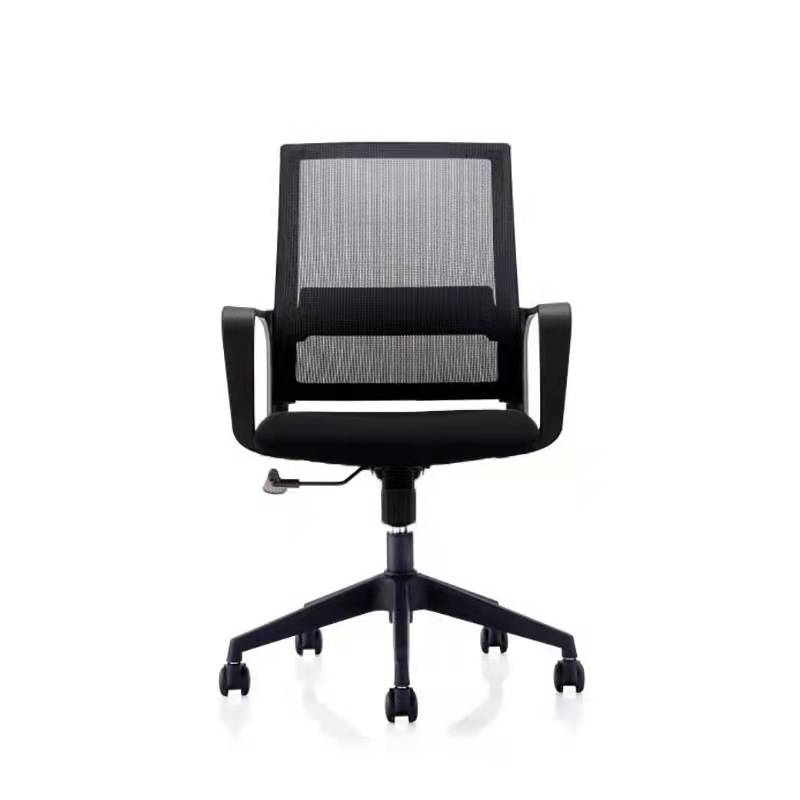
Office Sitting Chairs for Bulk Orders

Office Sitting Chairs for Bulk Orders

When ordering office sitting chairs in bulk, several factors come into play that can affect both pricing and logistics. First, it's essential to establish the Minimum Order Quantity (MOQ) with your supplier. This figure often varies based on the manufacturer’s production capabilities and the specific product line.

Bulk orders typically result in cost savings, but buyers should ensure they understand the pricing structure. Discounts for larger quantities can significantly impact the overall budget, so requesting a detailed quotation that outlines unit costs, shipping fees, and any potential additional charges is crucial.

Buyers should also consider lead times for bulk orders. Depending on the manufacturer’s production capacity and the complexity of the order, lead times can vary widely. Establishing clear communication with the supplier about expected delivery dates can prevent delays in project timelines.

Additionally, ensure that the chosen chairs are customizable to suit your branding or functional needs. Customization options may include fabric choices, colors, and even the addition of company logos, which can enhance workplace aesthetics and employee morale. For example, the HL-651 Series Double-Back Lumbar Support Training Chair offers various customization options that could fit your branding needs.
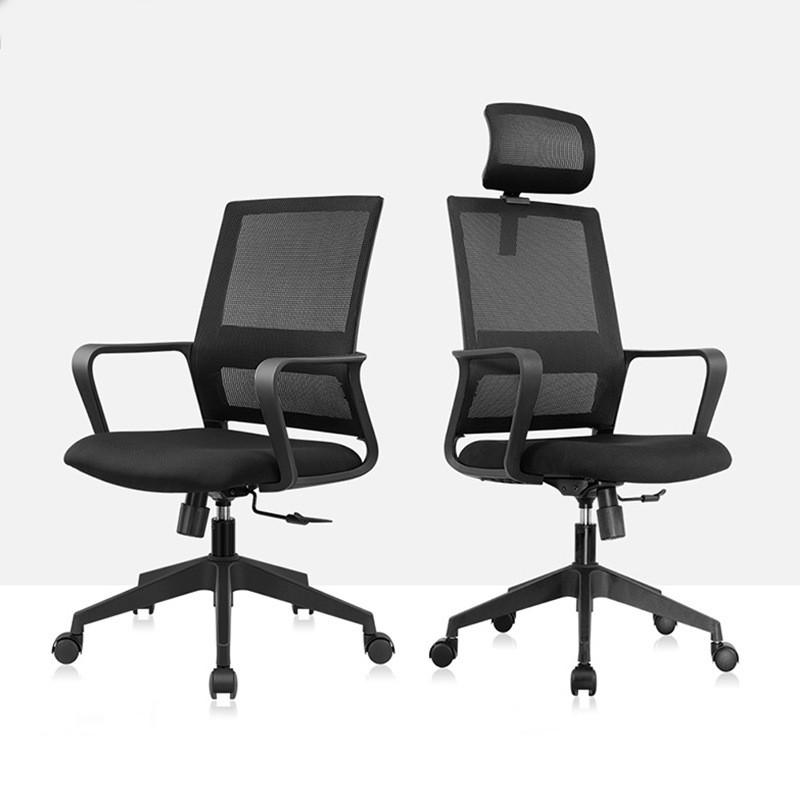
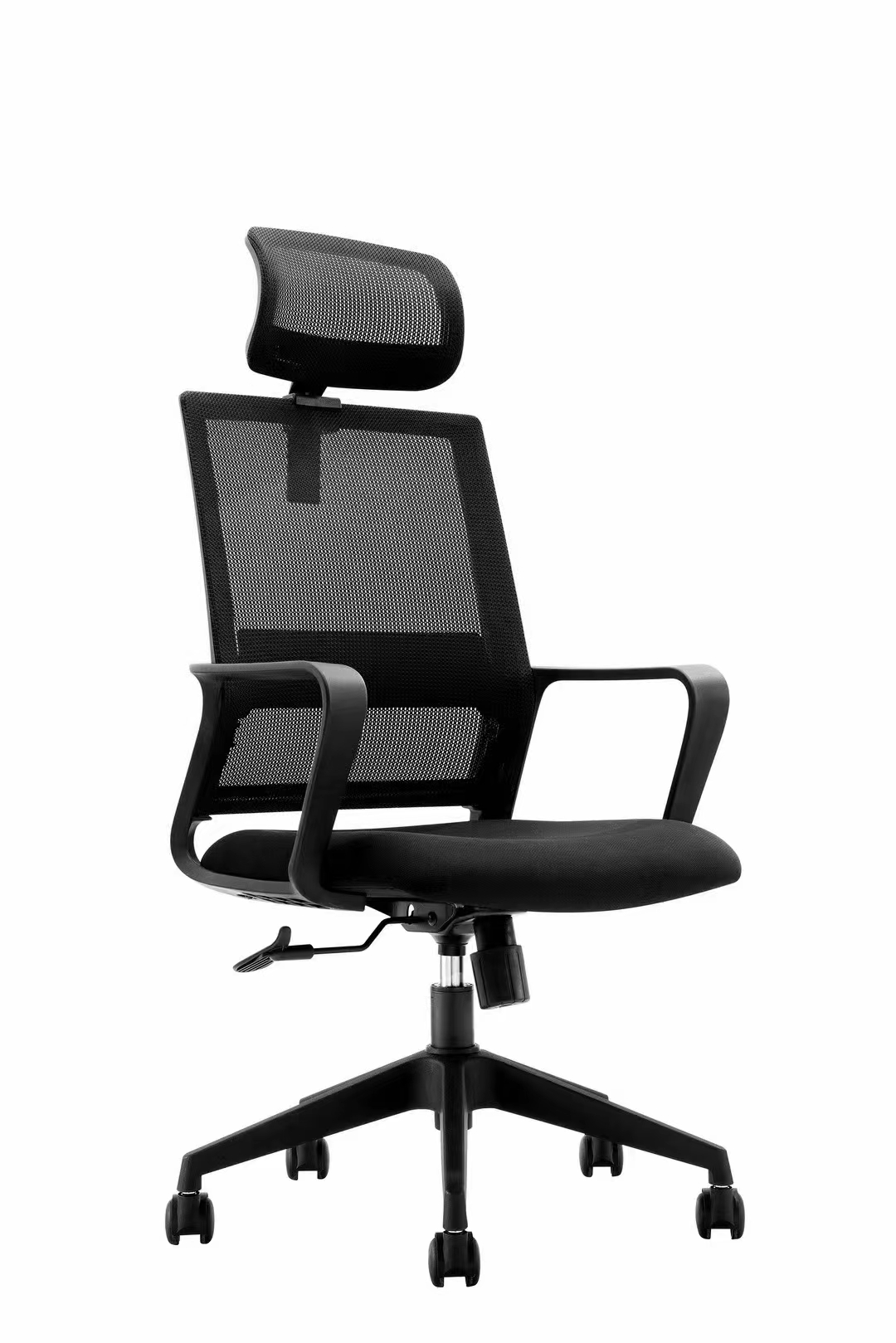
Quality Control Measures in Office Sitting Chair Manufacturing

Quality Control Measures in Office Sitting Chair Manufacturing

Quality control is a vital aspect of the manufacturing process for office sitting chairs. At DESTON FURNITURE, strict quality control measures are implemented throughout production to ensure that every chair meets the highest standards.

The quality control process begins with material selection. Suppliers are carefully vetted to ensure that all materials used, such as foam density, fabric durability, and frame strength, meet predetermined specifications. This initial step is crucial as it sets the foundation for the chair’s overall performance.

During production, random inspections are conducted to assess various aspects of the chairs, including assembly precision, surface finish, and functional tests such as swivel and tilt mechanisms. These inspections help identify any defects early in the process, allowing for timely corrections.

Finally, before shipment, a final quality assessment ensures that the chairs meet all design specifications and industry standards. This comprehensive approach to quality control not only enhances the product's reliability but also builds trust with buyers, knowing that they are receiving durable and well-crafted chairs.

Cost Factors to Evaluate When Purchasing Office Sitting Chairs

Cost Factors to Evaluate When Purchasing Office Sitting Chairs

Understanding the various cost factors is essential when purchasing office sitting chairs. The base price is only one component; buyers should also consider additional costs such as shipping, taxes, and potential customs fees if importing chairs.

Material choices can significantly influence overall costs. High-quality materials, while more expensive upfront, can lead to lower replacement costs and reduced maintenance over time. For instance, investing in a chair with a durable frame and upholstery can minimize wear and tear, ensuring a longer lifespan.

Another factor is the level of customization required. Custom features such as specific colors, finishes, or ergonomic adjustments can increase production costs. Therefore, it’s advisable to balance the need for customization with budgetary constraints.

Buyers should also assess warranty options. A robust warranty can provide peace of mind and may save costs in the long run if issues arise. Evaluating warranty coverage, including parts and labor, can be as important as the initial purchase price.

Applications of Office Sitting Chairs in Various Industry Settings

Office sitting chairs serve diverse applications across various industry settings, making their selection critical. In traditional office environments, ergonomic chairs promote productivity and employee well-being. Features such as adjustable lumbar support and seat height are essential for prolonged use.

In educational settings, such as schools and training centers, chairs must be versatile and durable. Lightweight chairs that can be easily moved and stacked for storage are often preferred. Additionally, materials that resist staining and wear are crucial for maintaining a clean and professional appearance.

Healthcare facilities, including hospitals and clinics, require chairs that are not only comfortable but also easy to clean and maintain. Materials that are resistant to spills and contamination are vital, as is the ability to accommodate diverse patient needs.

Lastly, in corporate settings where branding is essential, customized office sitting chairs can enhance a company’s image. Chairs that reflect corporate colors or include logos can make a positive impression on clients and visitors, contributing to a cohesive brand identity.

By understanding these applications, purchasing managers can select chairs that not only meet functional requirements but also align with the specific needs of their industry environment.

Key Specifications to Consider When Sourcing Office Sitting Chairs

When evaluating office sitting chairs, specific key specifications should be prioritized. First, consider the material used in the chair's construction. Common materials include mesh, fabric, and leather, each offering distinct benefits in terms of durability, comfort, and maintenance. For instance, mesh chairs provide breathability and are often preferred for warmer environments, while leather offers a more professional appearance.

Another crucial specification is the ergonomic design, which impacts user comfort and health. Features such as adjustable seat height, lumbar support, and armrest adjustments are vital to accommodate various body types and preferences. Ergonomic chairs can reduce strain and fatigue, leading to increased productivity. For those interested in ergonomic options, the HL-670 Series Integrally Molded Fixed Backrest Training Chair is a great choice.

Weight capacity is another factor to assess, especially in commercial settings where chairs may be used by a diverse workforce. Chairs must be tested for their load-bearing capabilities to ensure safety and longevity. Additionally, dimensions such as seat width, depth, and overall height should match the intended use and space requirements.

Lastly, take note of any certifications that the chairs may have, such as BIFMA (Business and Institutional Furniture Manufacturer's Association) standards, which ensure the product meets specific safety and performance criteria.

Get a Free Quote

Our representative will contact you soon.
Name
Email
Company Name
Telephone
Message
0/1000
Attachment
Please upload at least an attachment
Up to 3 files, each no larger than 30MB. Supported formats: jpg, jpeg, png, pdf, doc, docx, xls, xlsx, csv, txt, stp, step, igs, x_t, dxf, prt, sldprt, sat, rar, zip.

Related product categories

Key Specifications for Office Sitting Chairs

Get a Free Quote

Our representative will contact you soon.
Name
Email
Company Name
Telephone
Message
0/1000
Attachment
Please upload at least an attachment
Up to 3 files, each no larger than 30MB. Supported formats: jpg, jpeg, png, pdf, doc, docx, xls, xlsx, csv, txt, stp, step, igs, x_t, dxf, prt, sldprt, sat, rar, zip.