EN

When sourcing office sitting chairs, B2B buyers face numerous considerations, from specifications and quality control to cost factors and application suitability. Office sitting chairs are essential for maintaining comfort and productivity in various settings, including offices, schools, and hospitals. This article will guide purchasing managers and decision-makers through the critical aspects to evaluate when selecting office sitting chairs, helping them make informed decisions that meet their organizational needs.
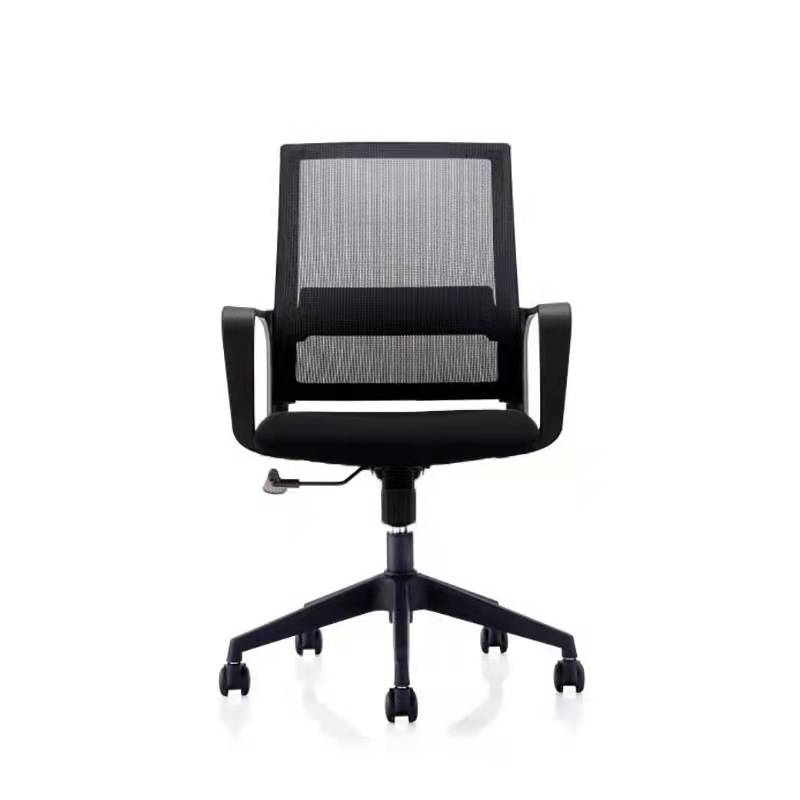
Office Sitting Chairs for Bulk Orders
When ordering office sitting chairs in bulk, several factors come into play that can affect both pricing and logistics. First, it's essential to establish the Minimum Order Quantity (MOQ) with your supplier. This figure often varies based on the manufacturer’s production capabilities and the specific product line.
Bulk orders typically result in cost savings, but buyers should ensure they understand the pricing structure. Discounts for larger quantities can significantly impact the overall budget, so requesting a detailed quotation that outlines unit costs, shipping fees, and any potential additional charges is crucial.
Buyers should also consider lead times for bulk orders. Depending on the manufacturer’s production capacity and the complexity of the order, lead times can vary widely. Establishing clear communication with the supplier about expected delivery dates can prevent delays in project timelines.
Additionally, ensure that the chosen chairs are customizable to suit your branding or functional needs. Customization options may include fabric choices, colors, and even the addition of company logos, which can enhance workplace aesthetics and employee morale. For example, the HL-651 Series Double-Back Lumbar Support Training Chair offers various customization options that could fit your branding needs.