
Office Chairs Without Wheels: A Buyer's Guide

All Categories

office chair without wheels

Office chairs without wheels, also known as static chairs, are becoming increasingly popular in various work environments, offering a stable seating solution that enhances focus and productivity. Buyers often seek these chairs for their durability, ease of maintenance, and suitability for specific applications such as schools, hospitals, and corporate offices. This article will explore essential considerations when purchasing office chairs without wheels, focusing on specifications, cost factors, installation guidance, and reliable sourcing options.
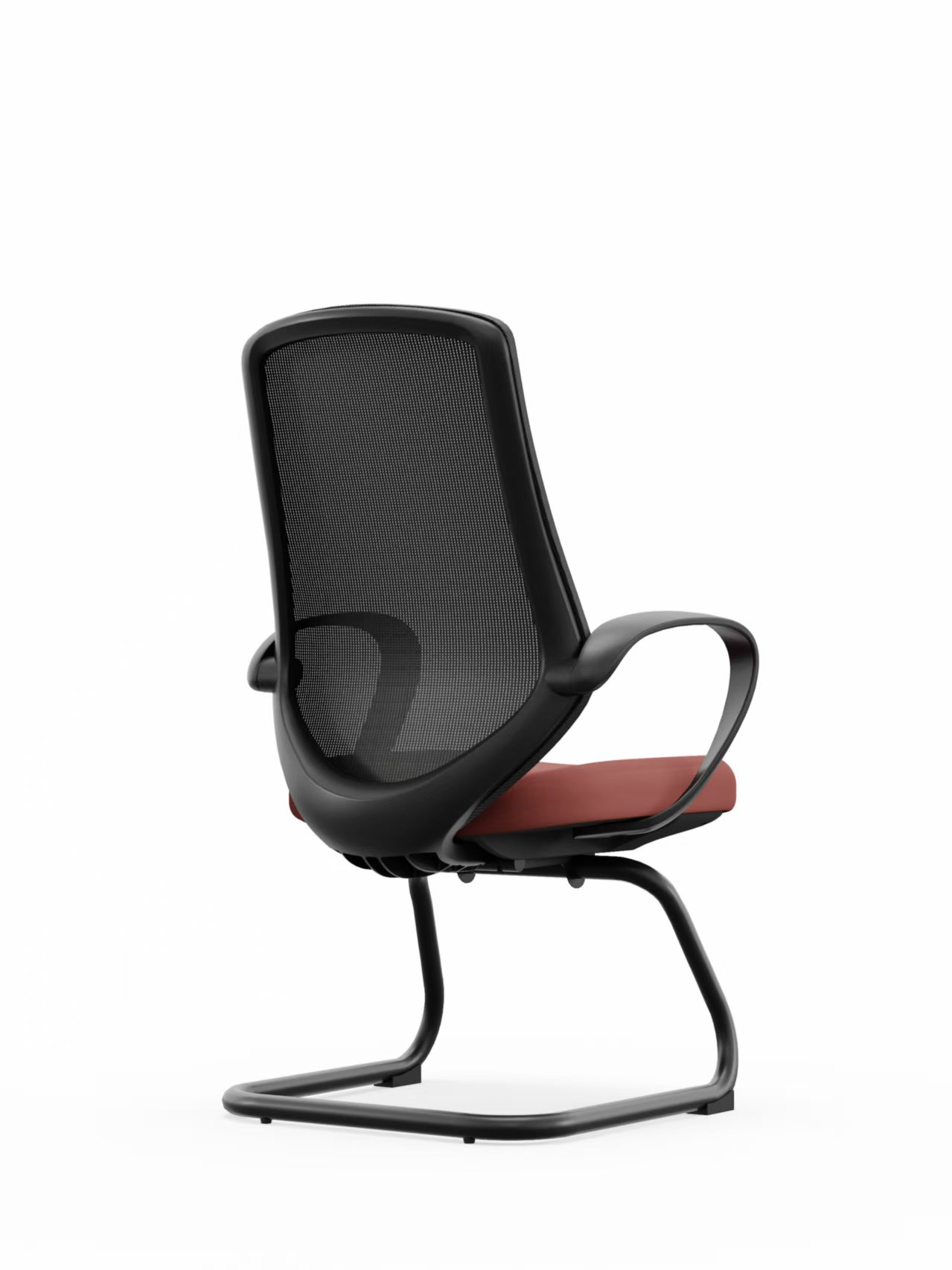
Key Specifications for High-Quality Office Chairs Without Wheels

Key Specifications for High-Quality Office Chairs Without Wheels

When selecting office chairs without wheels, several specifications should be prioritized:

Material: High-quality chairs are typically made from durable materials such as steel frames and high-density foam for cushioning. Fabrics should be breathable and resistant to wear and tear.

Weight Capacity: Ensure the chair can support the intended user's weight. Most commercial chairs have a weight capacity of 250-300 pounds, but it’s essential to verify this specification.

Dimensions: The height, width, and depth of the chair should be appropriate for the intended user demographic. Chairs should provide adequate seating area and back support.

Ergonomic Features: Look for adjustable features such as seat height, backrest angle, and armrest height, which can enhance comfort and support for various users. Options like the HL-651 Series Double-Back Lumbar Support Training Chair can provide excellent ergonomic benefits.

Stability: A solid base design is crucial. Static chairs should have a wide base that prevents tipping and ensures safety during use.

Certifications: Check for certifications such as BIFMA (Business and Institutional Furniture Manufacturers Association) which ensures products meet specific safety and performance standards.
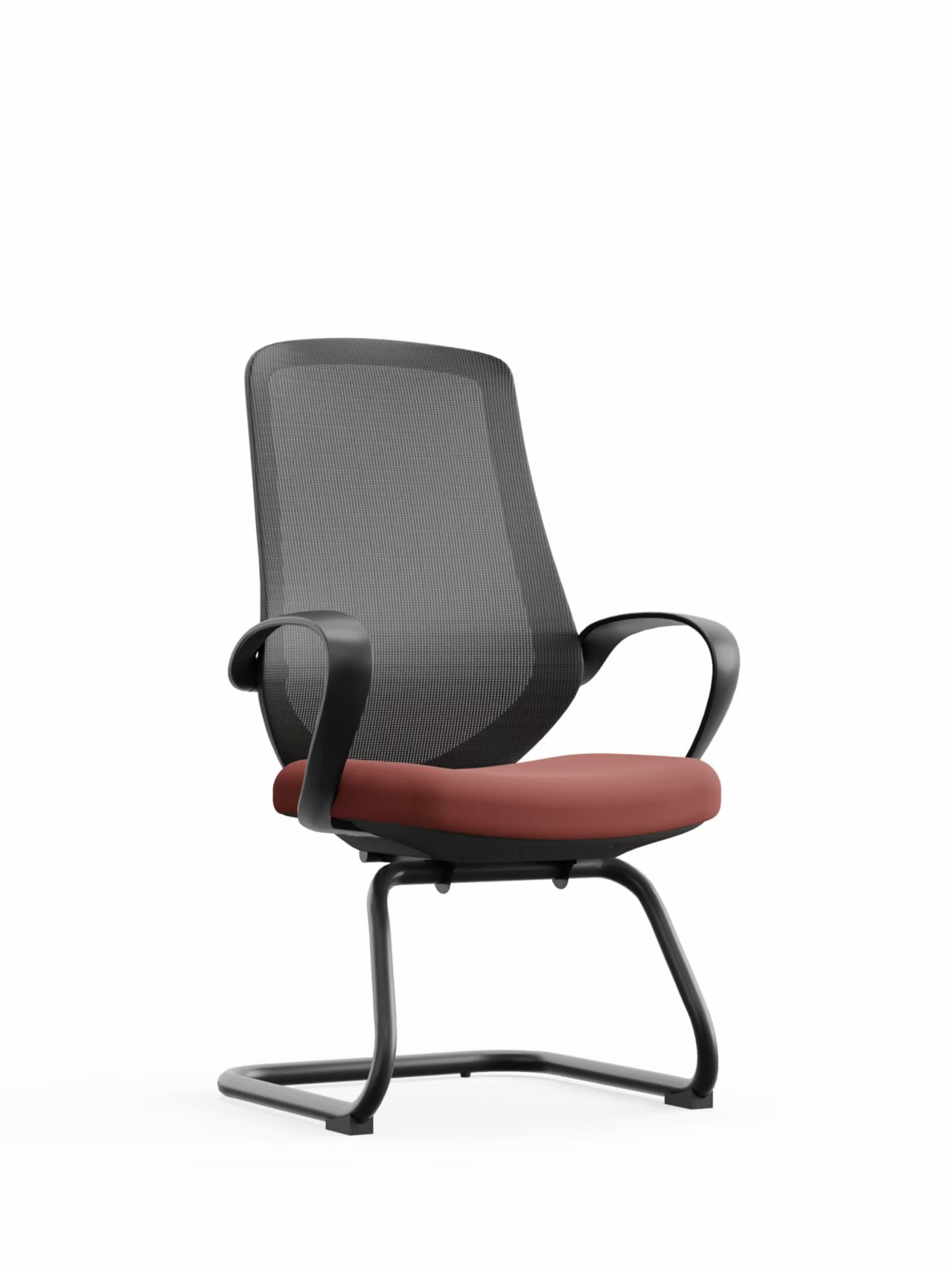
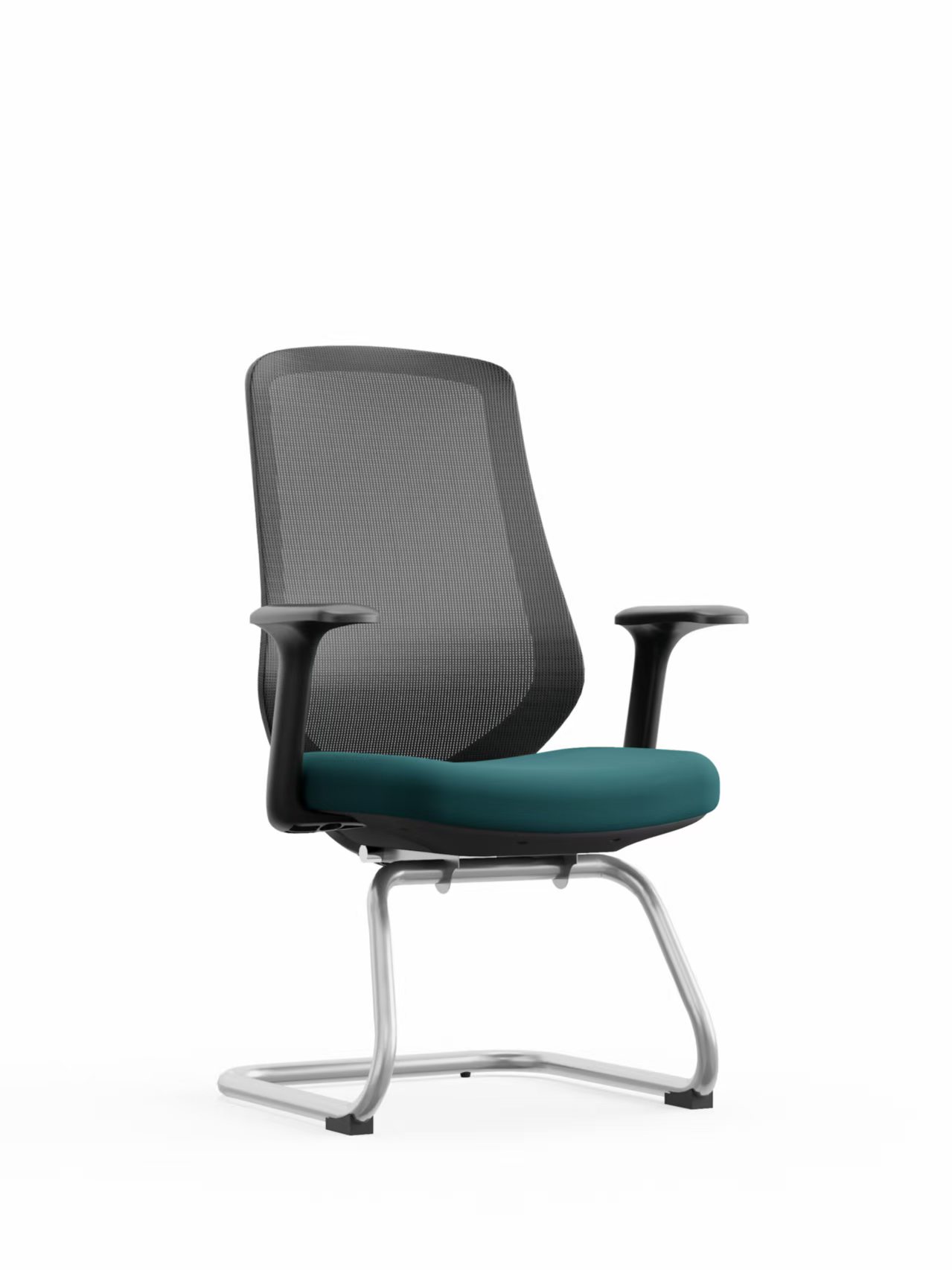
Cost Factors to Keep in Mind for Office Chairs Without Wheels

Cost Factors to Keep in Mind for Office Chairs Without Wheels

Understanding the cost structure associated with office chairs without wheels is essential for making informed purchasing decisions. Key factors influencing pricing include:

Material Quality: Higher quality materials typically result in increased costs. Investing in durable fabrics and sturdy frames usually translates into longer-lasting products.

Design Complexity: Custom-designed chairs or those with advanced ergonomic features may come at a premium. Simpler designs are generally more budget-friendly.

Manufacturing Processes: Chairs produced using advanced manufacturing techniques may incur higher costs due to the technology and labor involved. It’s advisable to inquire about these processes to understand their impact on pricing.

Order Quantity: Bulk purchases often lead to discounts. Understanding the minimum order quantities (MOQ) and negotiating pricing based on volume can lead to significant savings.

Shipping and Handling: Consider the logistics involved in delivery. Shipping costs can vary based on distance, size, and weight of the order, potentially affecting the overall budget.

Installation Guidance for Office Chairs Without Wheels in Your Projects

Installation Guidance for Office Chairs Without Wheels in Your Projects

Proper installation of office chairs without wheels is vital for ensuring safety and functionality. Here are some steps to consider:

Assembly Instructions: Most chairs come with detailed assembly instructions. Ensure that the assembly process is straightforward and that all necessary tools are included or readily available.

Placement: Consider the layout of the space. Chairs should be placed in a manner that promotes accessibility and comfort, allowing for easy movement and interaction.

Testing Stability: After installation, test each chair for stability. Check that all components are securely fastened and that the chair does not wobble.

User Feedback: Once installed, gather feedback from users regarding comfort and usability. This information can guide future purchasing decisions and adjustments to the arrangement.

Maintenance: Incorporate a maintenance schedule to ensure that chairs remain in good condition. Regular checks for wear and tear can prevent issues before they arise.

Where to Source Reliable Suppliers for Office Chairs Without Wheels

Finding a dependable supplier for office chairs without wheels is crucial for ensuring quality and service. Here are some tips for sourcing:

Industry Research: Conduct thorough research on manufacturers and suppliers that specialize in commercial furniture. Look for companies with a strong reputation and positive customer reviews.

Product Catalogs: Review product catalogs to assess the range of options available. A diverse selection can indicate a supplier's expertise and capability to meet varied needs.

Certifications and Standards: Verify that potential suppliers adhere to industry standards and hold relevant certifications. This adds an extra layer of trust regarding product quality.

Samples and Prototypes: Request samples or prototypes before placing a bulk order. Testing a sample can provide insights into the chair's quality, comfort, and overall fit for your needs.

Customer Service: Evaluate the supplier's customer service approach. A responsive and knowledgeable team can significantly enhance the purchasing experience.

By understanding the specifics of office chairs without wheels and carefully evaluating suppliers, buyers can make informed decisions that suit their organizational needs while ensuring comfort and functionality in their workspaces.

A Buyeru2019s Guide

When considering office chairs without wheels, it's important to evaluate various factors that influence their effectiveness and suitability for your needs. Buyers should first identify the primary purpose of the chairs, whether it be for office work, educational settings, or healthcare environments. Understanding the specific requirements will help narrow down options.

Key considerations include ergonomics, material quality, and design features. Ergonomic designs promote better posture and comfort during extended use, which is particularly vital in professional settings. Materials used in construction should be durable and easy to clean, especially in environments like hospitals or schools where hygiene is paramount. Additionally, buyers should consider the aesthetic aspects of the chairs to ensure they align with the overall design of the space. Color, texture, and style can significantly impact the ambiance of an office or classroom setting. For example, the HL-670 Series Integrally Molded Fixed Backrest Training Chair is designed to blend functionality and style effectively.

Get a Free Quote

Our representative will contact you soon.
Name
Email
Company Name
Telephone
Message
0/1000
Attachment
Please upload at least an attachment
Up to 3 files, each no larger than 30MB. Supported formats: jpg, jpeg, png, pdf, doc, docx, xls, xlsx, csv, txt, stp, step, igs, x_t, dxf, prt, sldprt, sat, rar, zip.

Related product categories

Office Chairs Without Wheels: A Buyer's Guide

Get a Free Quote

Our representative will contact you soon.
Name
Email
Company Name
Telephone
Message
0/1000
Attachment
Please upload at least an attachment
Up to 3 files, each no larger than 30MB. Supported formats: jpg, jpeg, png, pdf, doc, docx, xls, xlsx, csv, txt, stp, step, igs, x_t, dxf, prt, sldprt, sat, rar, zip.