EN

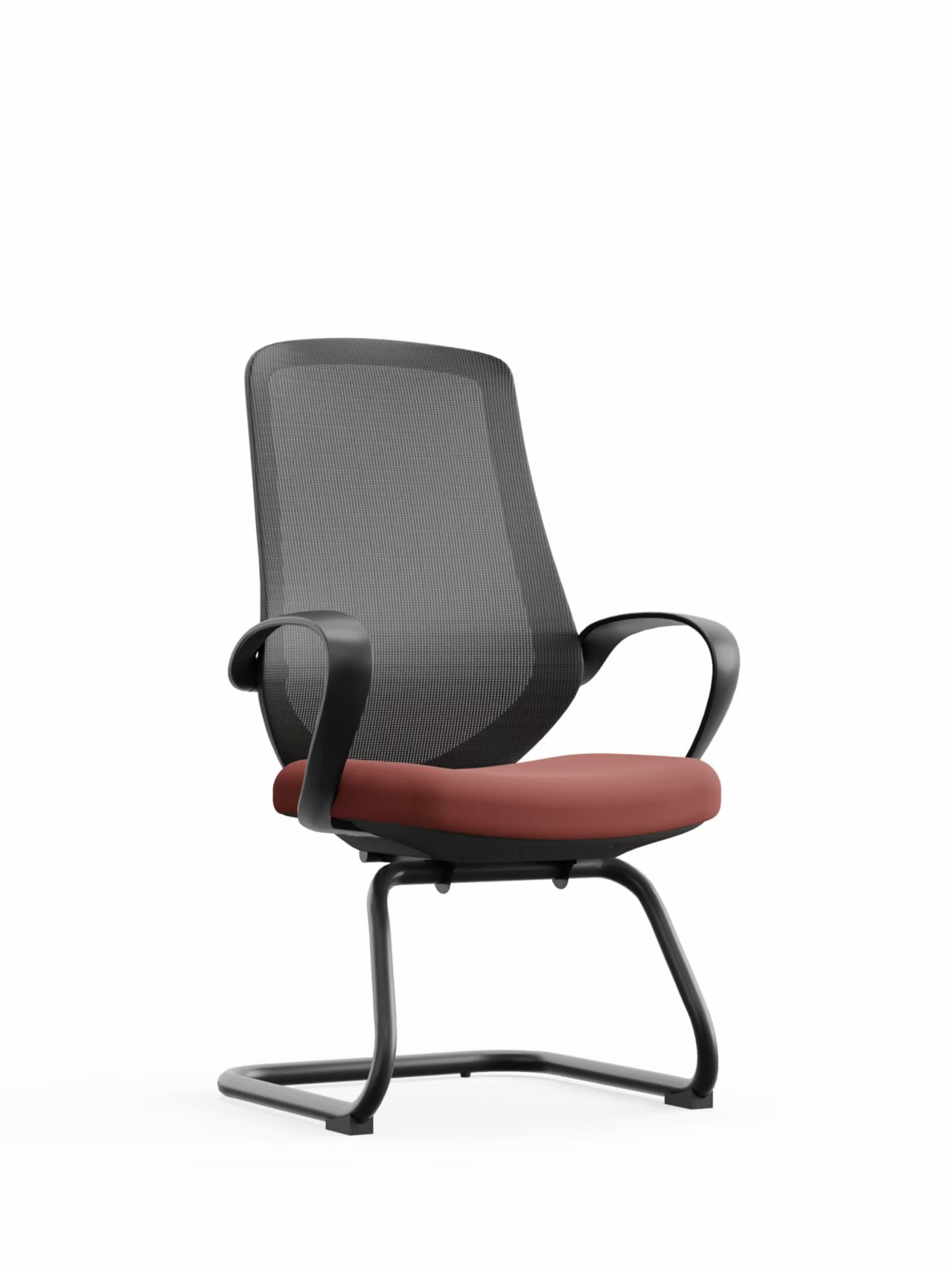
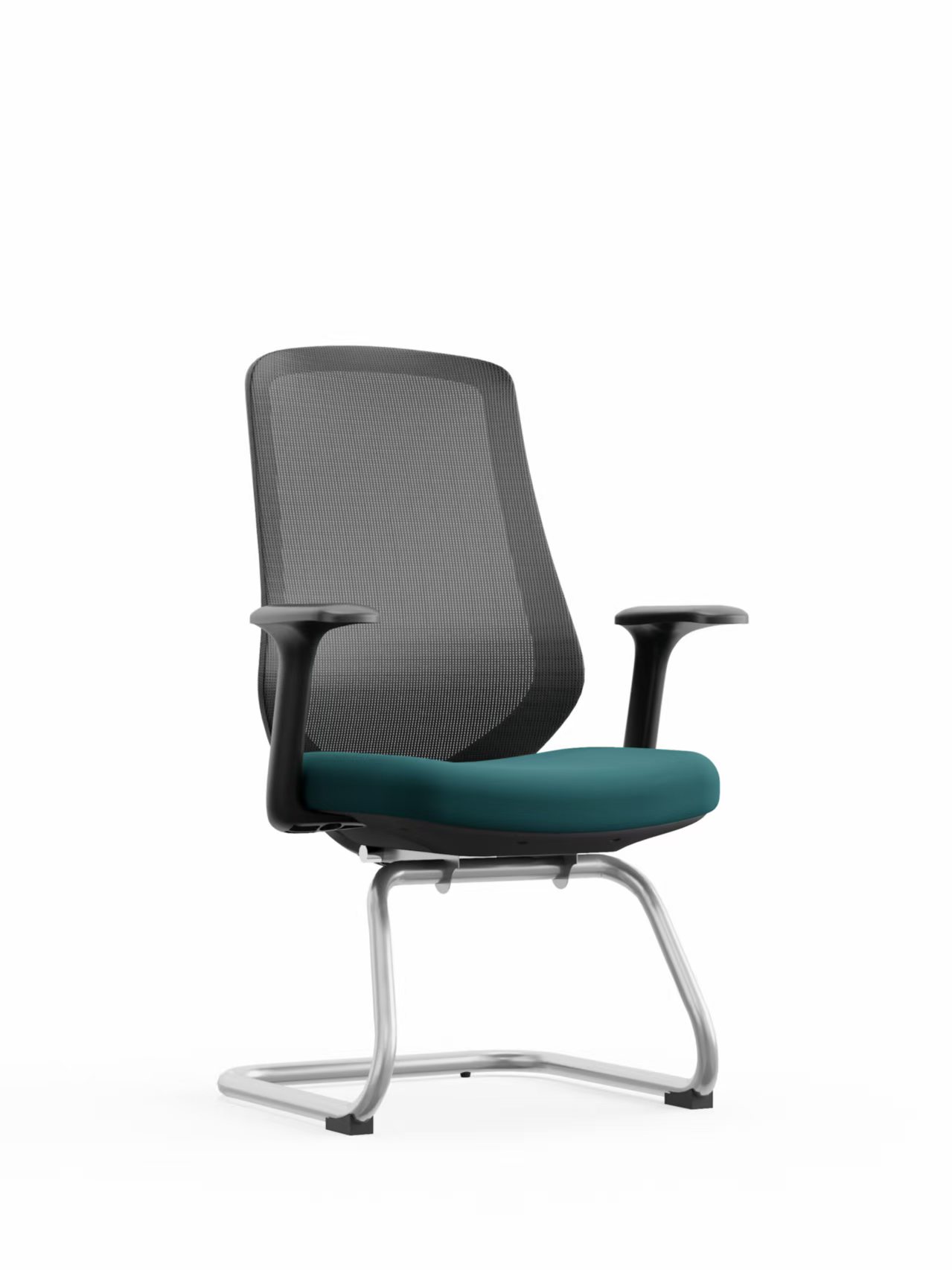
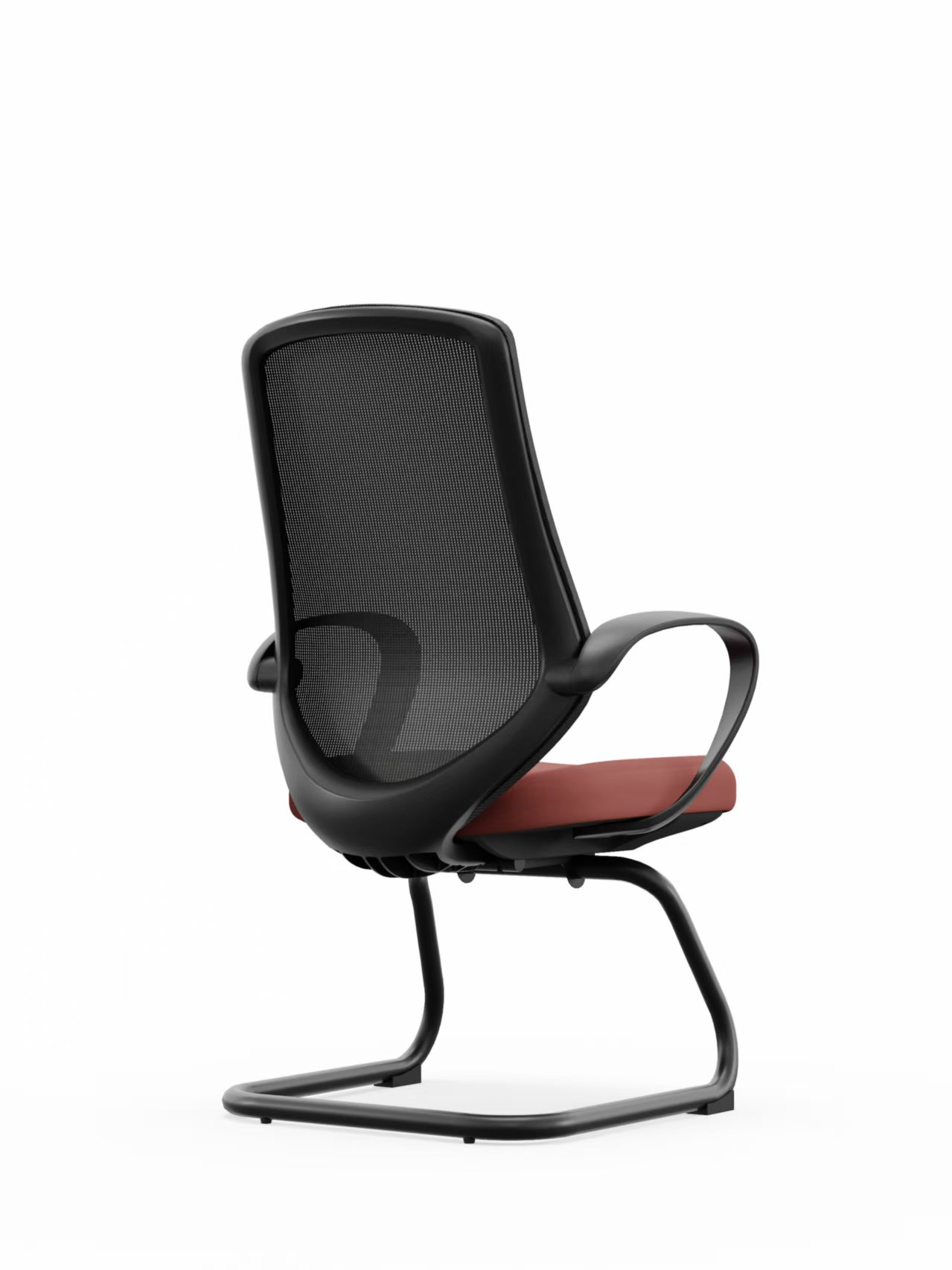
Office chairs without wheels, also known as static chairs, are becoming increasingly popular in various work environments, offering a stable seating solution that enhances focus and productivity. Buyers often seek these chairs for their durability, ease of maintenance, and suitability for specific applications such as schools, hospitals, and corporate offices. This article will explore essential considerations when purchasing office chairs without wheels, focusing on specifications, cost factors, installation guidance, and reliable sourcing options.
Key Specifications for High-Quality Office Chairs Without Wheels
When selecting office chairs without wheels, several specifications should be prioritized:
Material: High-quality chairs are typically made from durable materials such as steel frames and high-density foam for cushioning. Fabrics should be breathable and resistant to wear and tear.
Weight Capacity: Ensure the chair can support the intended user's weight. Most commercial chairs have a weight capacity of 250-300 pounds, but it’s essential to verify this specification.
Dimensions: The height, width, and depth of the chair should be appropriate for the intended user demographic. Chairs should provide adequate seating area and back support.
Ergonomic Features: Look for adjustable features such as seat height, backrest angle, and armrest height, which can enhance comfort and support for various users. Options like the HL-651 Series Double-Back Lumbar Support Training Chair can provide excellent ergonomic benefits.
Stability: A solid base design is crucial. Static chairs should have a wide base that prevents tipping and ensures safety during use.
Certifications: Check for certifications such as BIFMA (Business and Institutional Furniture Manufacturers Association) which ensures products meet specific safety and performance standards.