Choosing Folding Conference Tables for Your Business

All Categories

folding conference table

Folding conference tables are versatile furniture solutions designed for dynamic office environments and commercial spaces. These tables can be easily set up, folded away, or rearranged, making them ideal for meetings, trainings, and collaborative work sessions. For businesses looking to optimize their workspace, understanding the key features and specifications of folding conference tables is essential. This article will help purchasing managers, office designers, and facilities managers navigate the selection process, highlighting crucial considerations to ensure that they choose the right product for their needs.
Key Specifications to Evaluate Folding Conference Tables for Bulk Orders

Key Specifications to Evaluate Folding Conference Tables for Bulk Orders

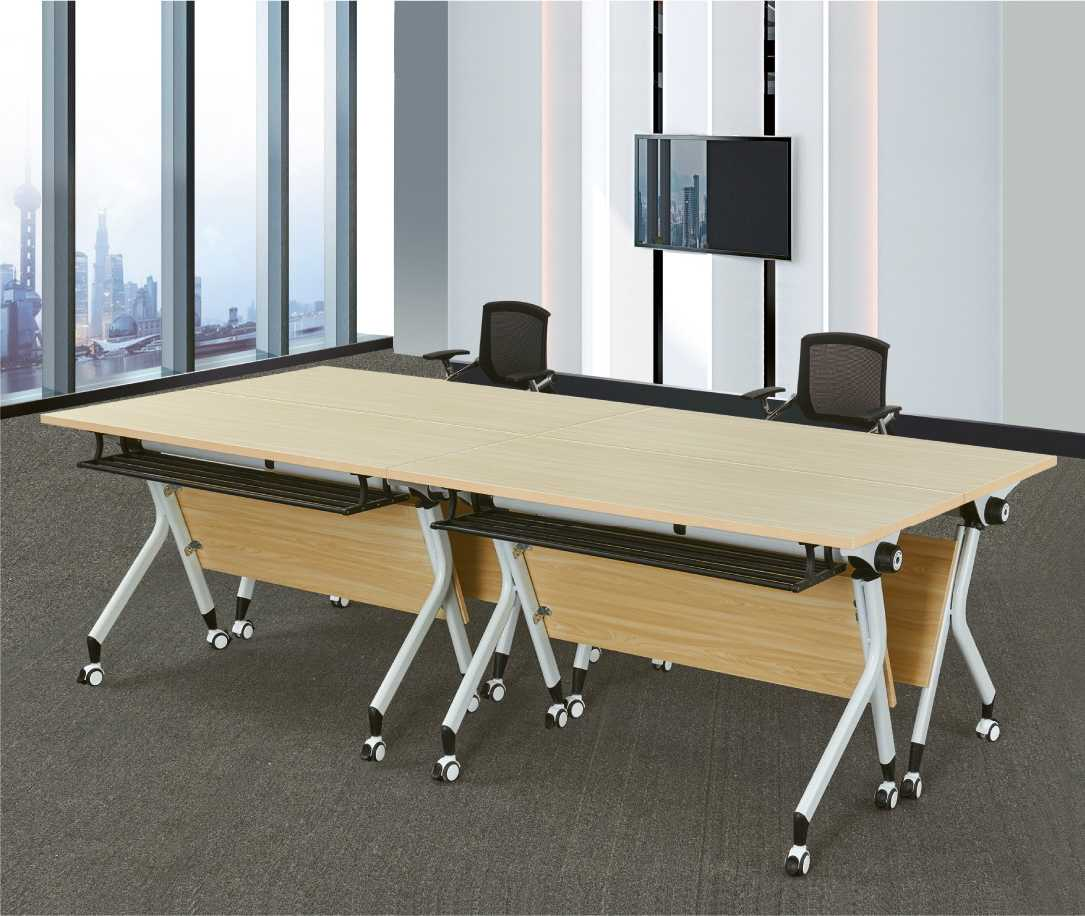
When ordering folding conference tables in bulk, specific specifications should be evaluated to ensure consistency and quality. Key specifications include dimensions, weight capacity, and folding mechanisms.

Dimensions: The size of the table should fit within the designated space while accommodating the required number of users. Standard lengths vary from 4 to 8 feet for rectangular tables. Consider the surface area needed for laptops, papers, and other materials.

Weight Capacity: Each table should meet a minimum weight capacity to ensure it can support the intended load. It is essential to verify that the table can handle the weight of equipment and materials typically used during meetings.

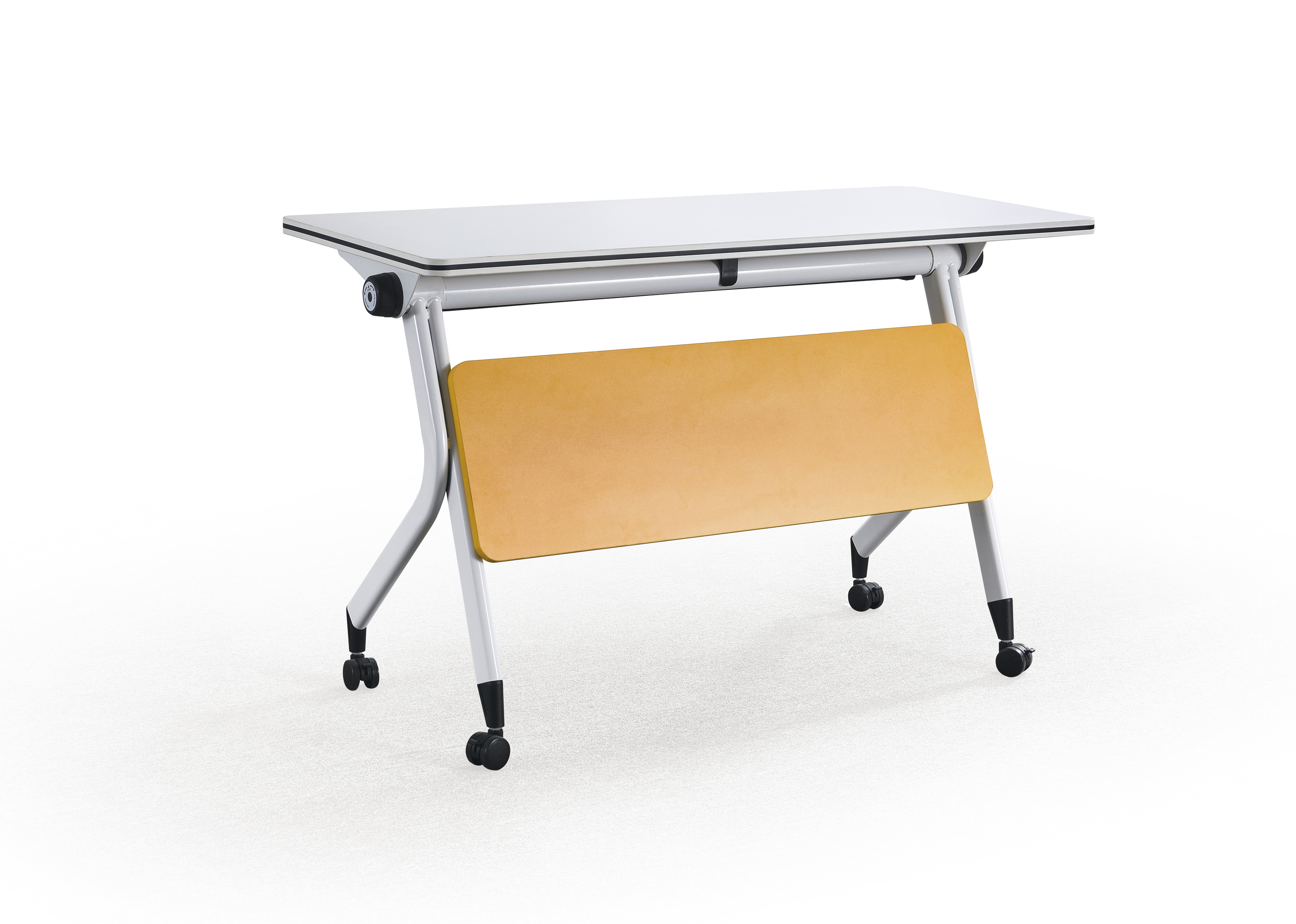
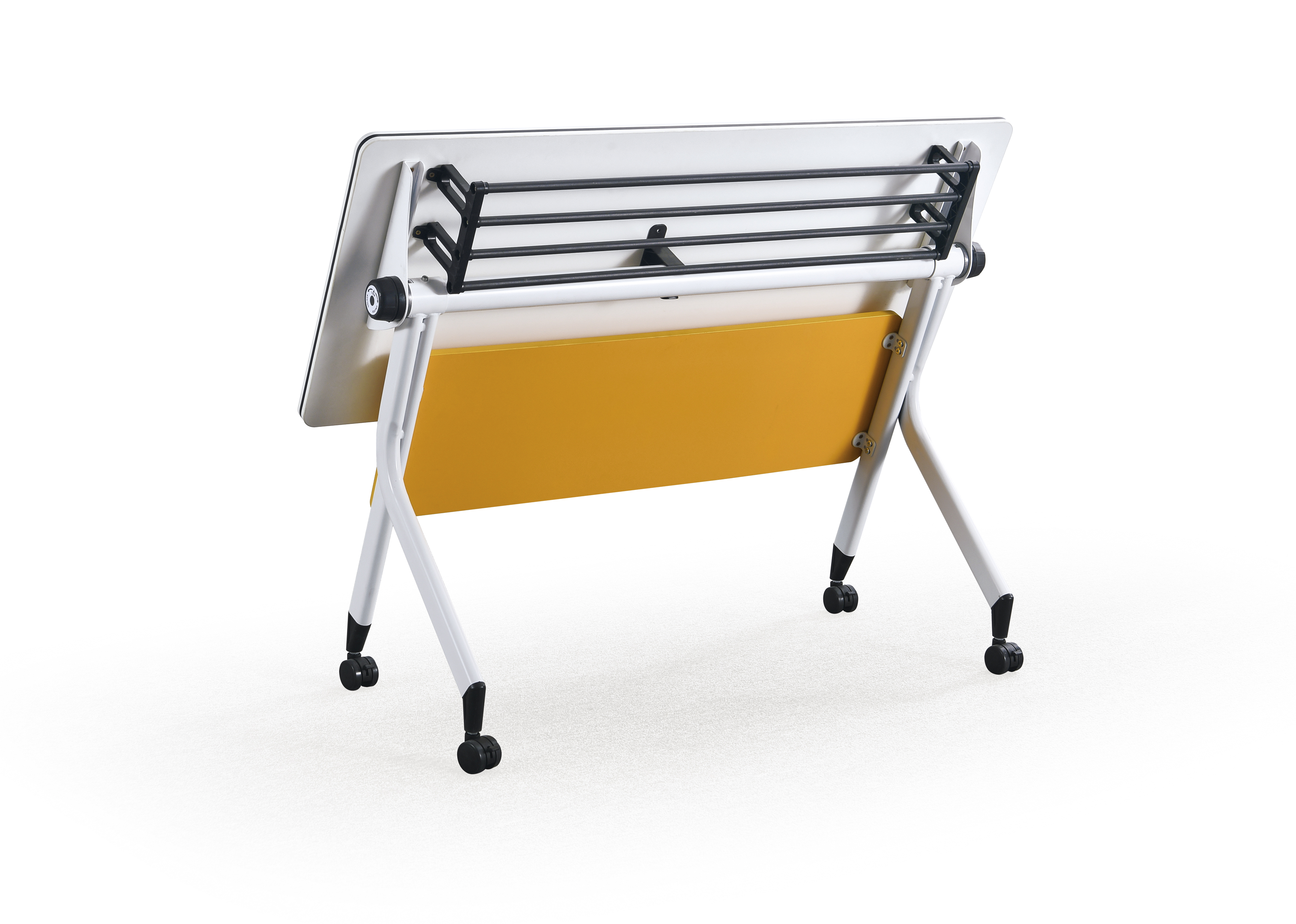
Folding Mechanism: The design of the folding mechanism should be user-friendly and durable. Tables that fold flat are easier to store and transport. Inspect whether the mechanism is easy to operate, as complicated designs can lead to wear and tear over time.

Quality Certifications: Ensure that the manufacturer’s products comply with relevant standards, such as ANSI/BIFMA, which indicates that the furniture meets safety and performance requirements. Additionally, consider options like the HL-651 Series Double-Back Lumbar Support Training Chair for enhanced seating comfort during conferences.
Installation Guidance for Folding Conference Tables in Office Spaces

Installation Guidance for Folding Conference Tables in Office Spaces

Proper installation of folding conference tables is vital for their functionality and longevity. Before installation, check the manufacturer's guidelines to ensure adherence to any specific recommendations.

Begin by assessing the space where the table will be used. Clear the area of obstacles and measure for adequate space around the table to allow for movement and seating.

When setting up the table, make sure it locks securely into place. This will ensure stability during use. If the table is being set up for a permanent installation, consider securing it to the floor or wall if necessary, especially if it will be used in high-traffic areas.

If multiple tables are being set up, consider their arrangement. For collaborative settings, U-shaped or circular configurations facilitate discussion, while rows may work better for presentations.

Common Problems with Folding Conference Tables and Effective Solutions

Common Problems with Folding Conference Tables and Effective Solutions

Despite their convenience, folding conference tables can face common issues that buyers should be aware of. One frequent problem is wobbling, which can occur due to uneven floors or manufacturing defects. Ensure that the table’s legs are adjustable or equipped with rubber feet to maintain stability.

Another issue is surface damage. Tables can be susceptible to scratches or stains, particularly if made from less durable materials. To mitigate this risk, opt for tables with scratch-resistant finishes or consider using tablecloths or coverings during meetings.

Lastly, folding mechanisms can become stiff or jammed over time. Regular maintenance, such as cleaning and lubricating hinges, can prevent this issue. Checking the mechanism during routine inspections will help ensure the table remains functional.

Cost Factors to Consider When Purchasing Folding Conference Tables in Bulk

Pricing for folding conference tables can vary significantly based on several factors. Material choice is a primary cost driver; for instance, laminate tables are typically more affordable than solid wood options.

Volume discounts are another consideration. Many manufacturers, including DESTON FURNITURE, offer better pricing for larger orders. Request quotes from multiple suppliers to compare bulk pricing and look for additional costs such as shipping and handling.

Customization options, such as logo printing or specific color finishes, can also affect the price. Ensure that your requirements are clearly communicated to the supplier, as custom orders may have longer lead times and minimum order quantities (MOQs).

Lastly, consider the long-term value versus initial cost. Investing in higher-quality tables may result in lower replacement costs and maintenance in the long run, providing better overall value for your business.

By understanding these key considerations, specifications, installation guidance, common issues, and cost factors, B2B buyers can make informed decisions when selecting folding conference tables that meet their operational needs and budget constraints.

What to Consider When Choosing a Folding Conference Table for Your Business

When selecting a folding conference table, several factors should guide your decision. First, consider the intended use of the table. Will it primarily host meetings, training sessions, or casual gatherings? This will influence the size, shape, and material you choose. Tables come in various configurations, including rectangular, round, and oval, each offering different benefits in terms of space utilization and seating capacity. For instance, the HL-670 Series Integrally Molded Fixed Backrest Training Chair is a great option for meeting setups.

Another important factor is the material. Folding conference tables are typically made from laminate, wood, or metal. Laminate surfaces are durable and easy to clean, making them suitable for high-traffic areas. Wooden tables offer an aesthetically pleasing option that can enhance an office’s professional appearance. Metal frames provide stability and longevity, which is crucial for tables that will be frequently moved.

Lastly, consider the weight and ease of mobility. A lightweight table will facilitate easier rearrangement, but ensure it maintains stability when in use. Look for features such as locking mechanisms for stability during meetings and rubber feet to protect flooring.

Get a Free Quote

Our representative will contact you soon.
Name
Email
Company Name
Telephone
Message
0/1000
Attachment
Please upload at least an attachment
Up to 3 files, each no larger than 30MB. Supported formats: jpg, jpeg, png, pdf, doc, docx, xls, xlsx, csv, txt, stp, step, igs, x_t, dxf, prt, sldprt, sat, rar, zip.

Related product categories

Choosing Folding Conference Tables for Your Business

Get a Free Quote

Our representative will contact you soon.
Name
Email
Company Name
Telephone
Message
0/1000
Attachment
Please upload at least an attachment
Up to 3 files, each no larger than 30MB. Supported formats: jpg, jpeg, png, pdf, doc, docx, xls, xlsx, csv, txt, stp, step, igs, x_t, dxf, prt, sldprt, sat, rar, zip.