EN

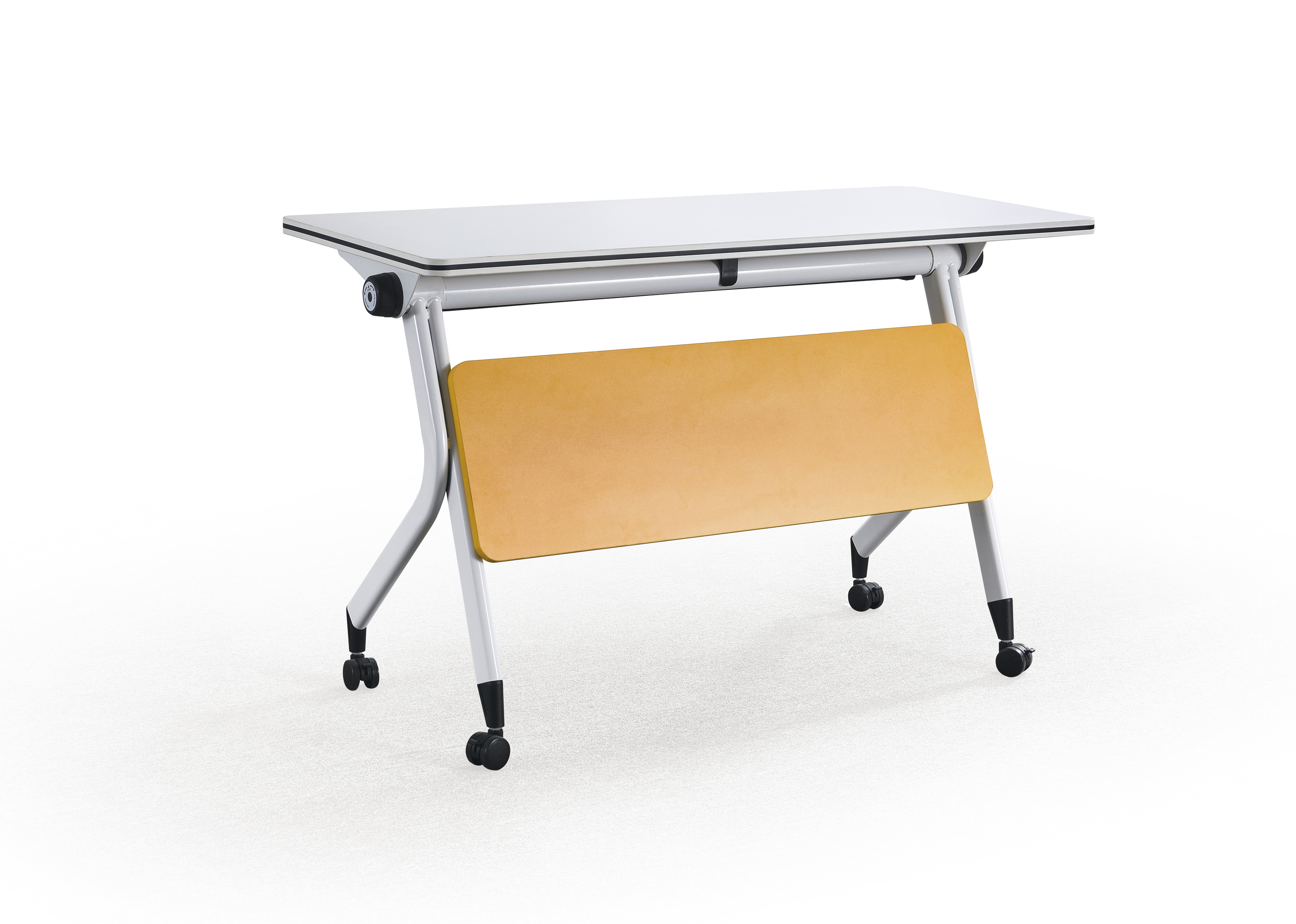
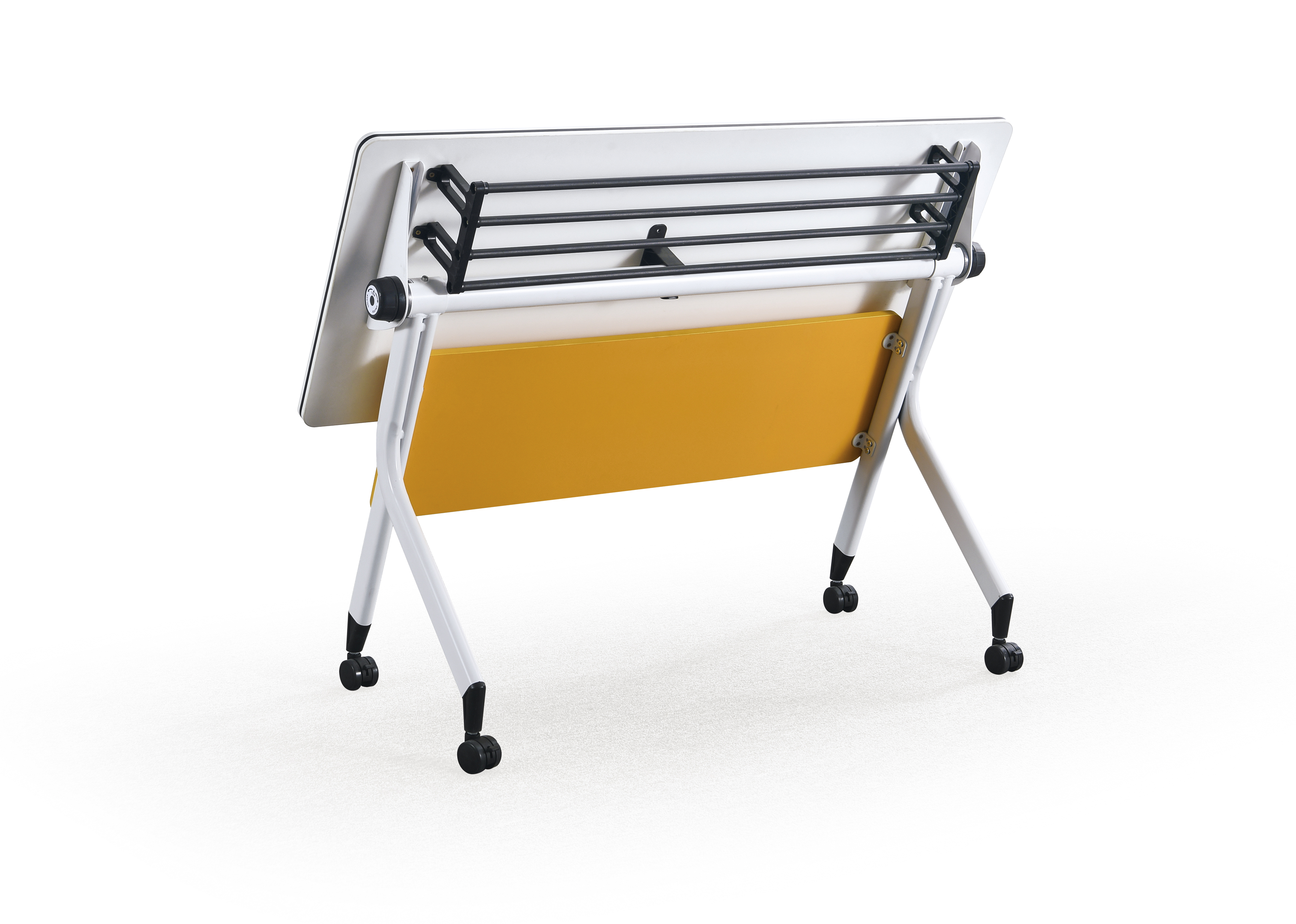
Folding conference tables are versatile furniture solutions designed for dynamic office environments and commercial spaces. These tables can be easily set up, folded away, or rearranged, making them ideal for meetings, trainings, and collaborative work sessions. For businesses looking to optimize their workspace, understanding the key features and specifications of folding conference tables is essential. This article will help purchasing managers, office designers, and facilities managers navigate the selection process, highlighting crucial considerations to ensure that they choose the right product for their needs.
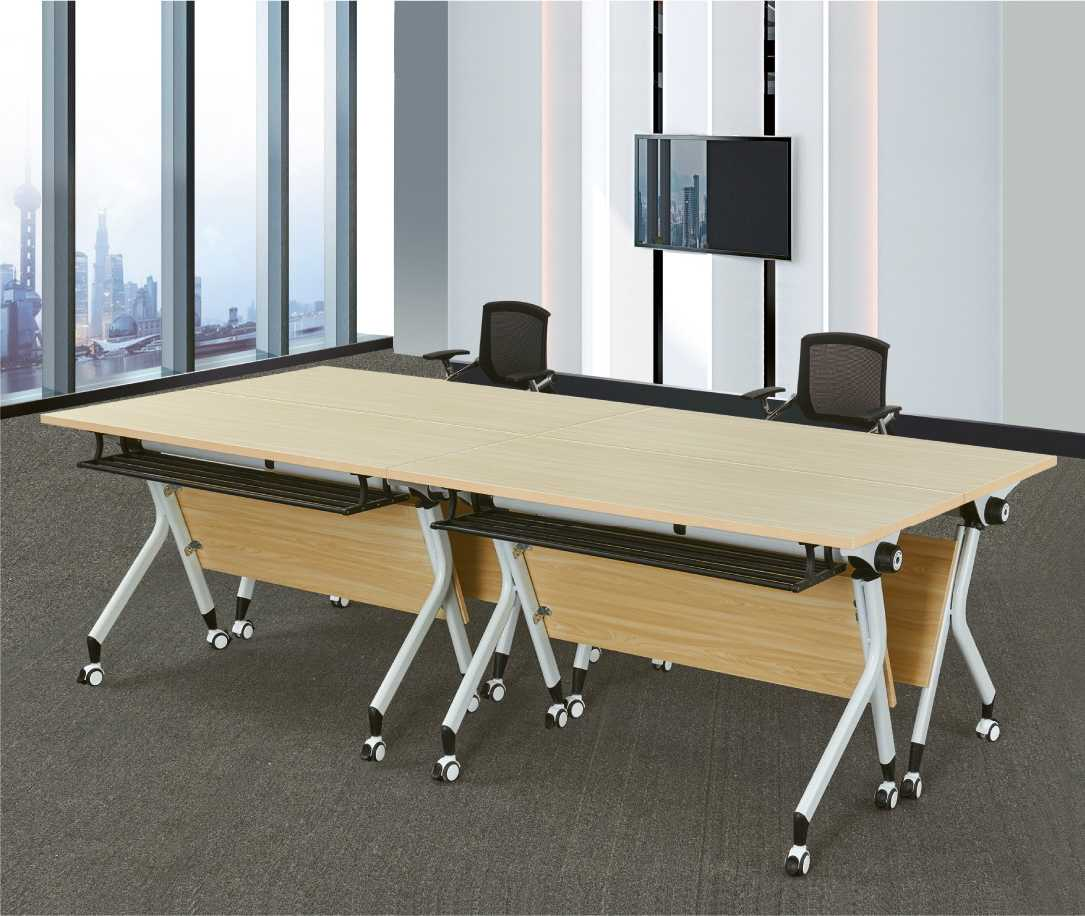
Key Specifications to Evaluate Folding Conference Tables for Bulk Orders
When ordering folding conference tables in bulk, specific specifications should be evaluated to ensure consistency and quality. Key specifications include dimensions, weight capacity, and folding mechanisms.
Dimensions: The size of the table should fit within the designated space while accommodating the required number of users. Standard lengths vary from 4 to 8 feet for rectangular tables. Consider the surface area needed for laptops, papers, and other materials.
Weight Capacity: Each table should meet a minimum weight capacity to ensure it can support the intended load. It is essential to verify that the table can handle the weight of equipment and materials typically used during meetings.
Folding Mechanism: The design of the folding mechanism should be user-friendly and durable. Tables that fold flat are easier to store and transport. Inspect whether the mechanism is easy to operate, as complicated designs can lead to wear and tear over time.
Quality Certifications: Ensure that the manufacturer’s products comply with relevant standards, such as ANSI/BIFMA, which indicates that the furniture meets safety and performance requirements. Additionally, consider options like the HL-651 Series Double-Back Lumbar Support Training Chair for enhanced seating comfort during conferences.