
Office Visitor Chairs: Quality, Materials & Solutions

All Categories

office visitor chairs

When selecting office visitor chairs, B2B buyers often face critical decisions regarding quality, comfort, durability, and style. These chairs are essential for creating a welcoming environment in offices, schools, hospitals, and commercial spaces. This article delves into the key aspects of office visitor chairs, including quality standards, materials, installation, common issues, and how to find reliable suppliers, providing insights that will assist purchasing managers and product managers in making informed choices.
Top Materials for Durable and Comfortable Visitor Chairs

Top Materials for Durable and Comfortable Visitor Chairs

Selecting the right materials for office visitor chairs is fundamental to ensuring durability, comfort, and ease of maintenance. Here are several materials commonly used:

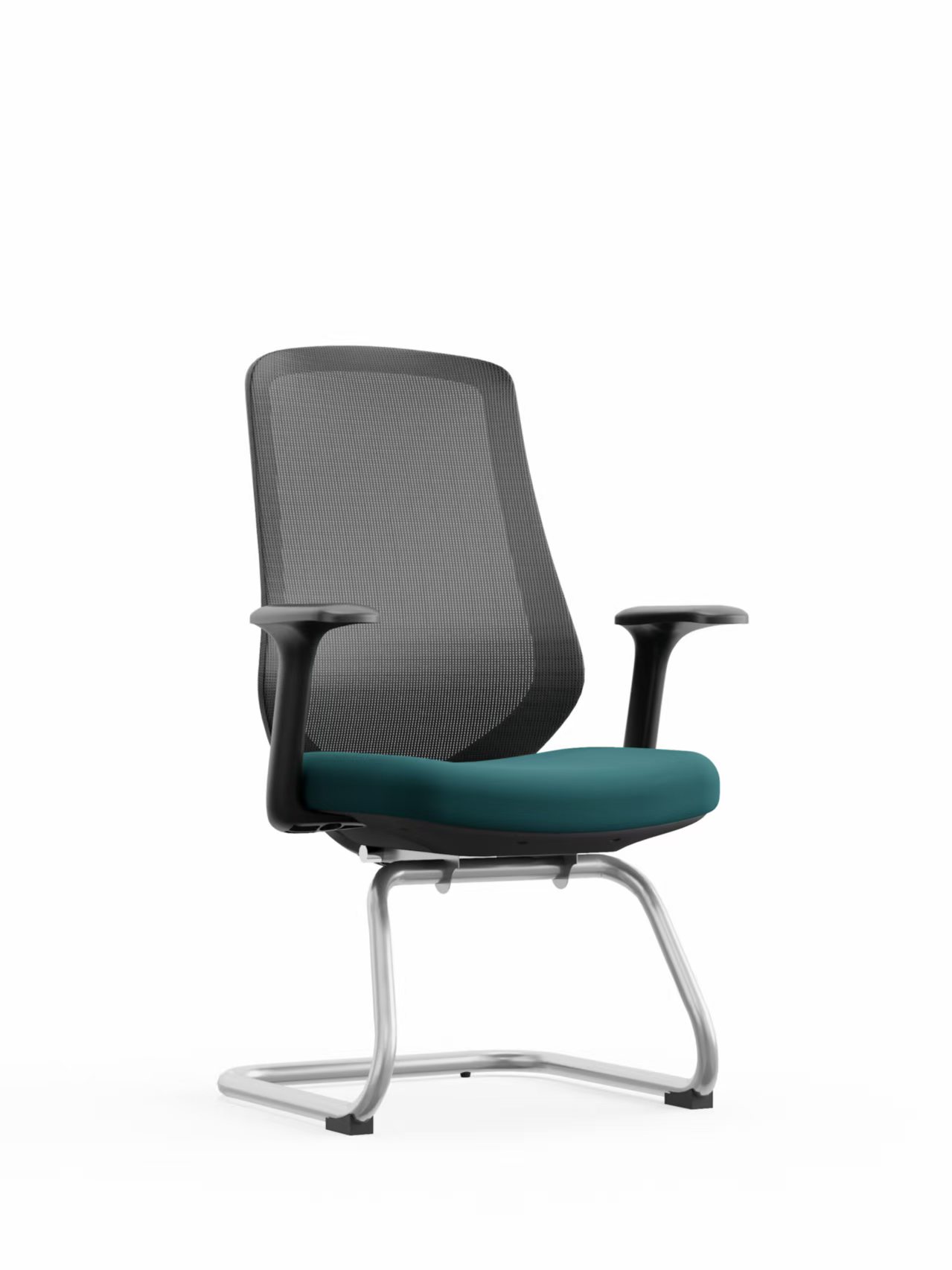
Mesh: Mesh chairs are popular for their breathability, which enhances comfort during long meetings or waiting periods. The flexibility of mesh also allows for better ergonomic adjustments, making it suitable for various body types.

Fabric Upholstery: Offering a range of textures and colors, fabric upholstery can add aesthetic value while providing comfort. Look for fabrics treated for stain resistance and durability, ensuring they withstand frequent usage in office environments.

Leather: While more expensive, leather chairs convey a sense of professionalism and luxury. They are easy to clean and maintain, making them suitable for high-traffic areas.

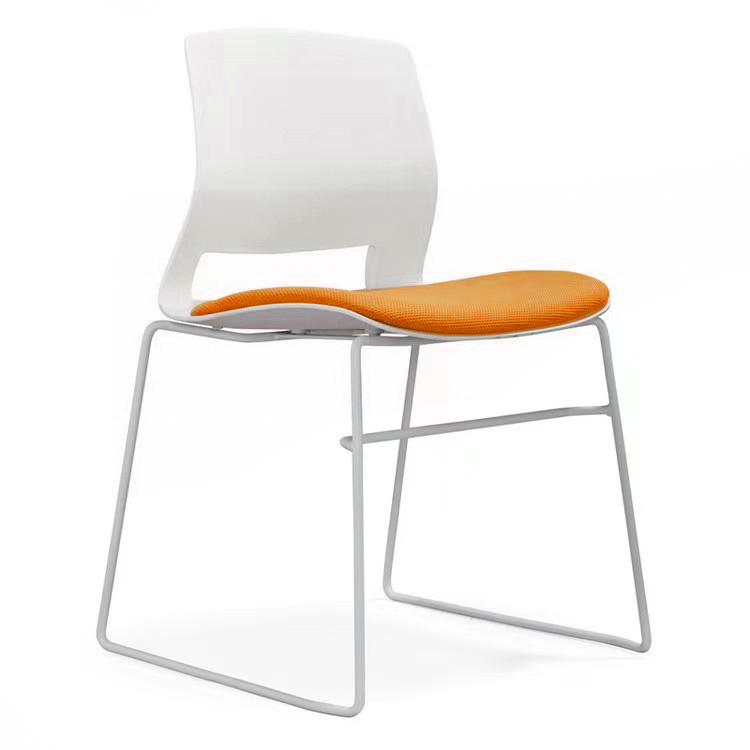
Plastic Shells: Plastic chairs are lightweight and often stackable, making them ideal for flexible spaces where chairs need to be moved frequently. Ensure that the plastic used is of high quality to prevent cracking and fading.

Steel Frames: For enhanced durability, chairs with steel frames offer a robust structure that can withstand significant wear and tear. Steel frames also provide stability, making them a preferred choice for high-use environments, similar to the HL-651 Series Double-Back Lumbar Support Training Chair.
Installation Guidance for Office Visitor Chairs in Commercial Spaces

Installation Guidance for Office Visitor Chairs in Commercial Spaces

Proper installation of office visitor chairs is crucial to ensuring safety and maximizing their lifespan. Here are some guidelines:

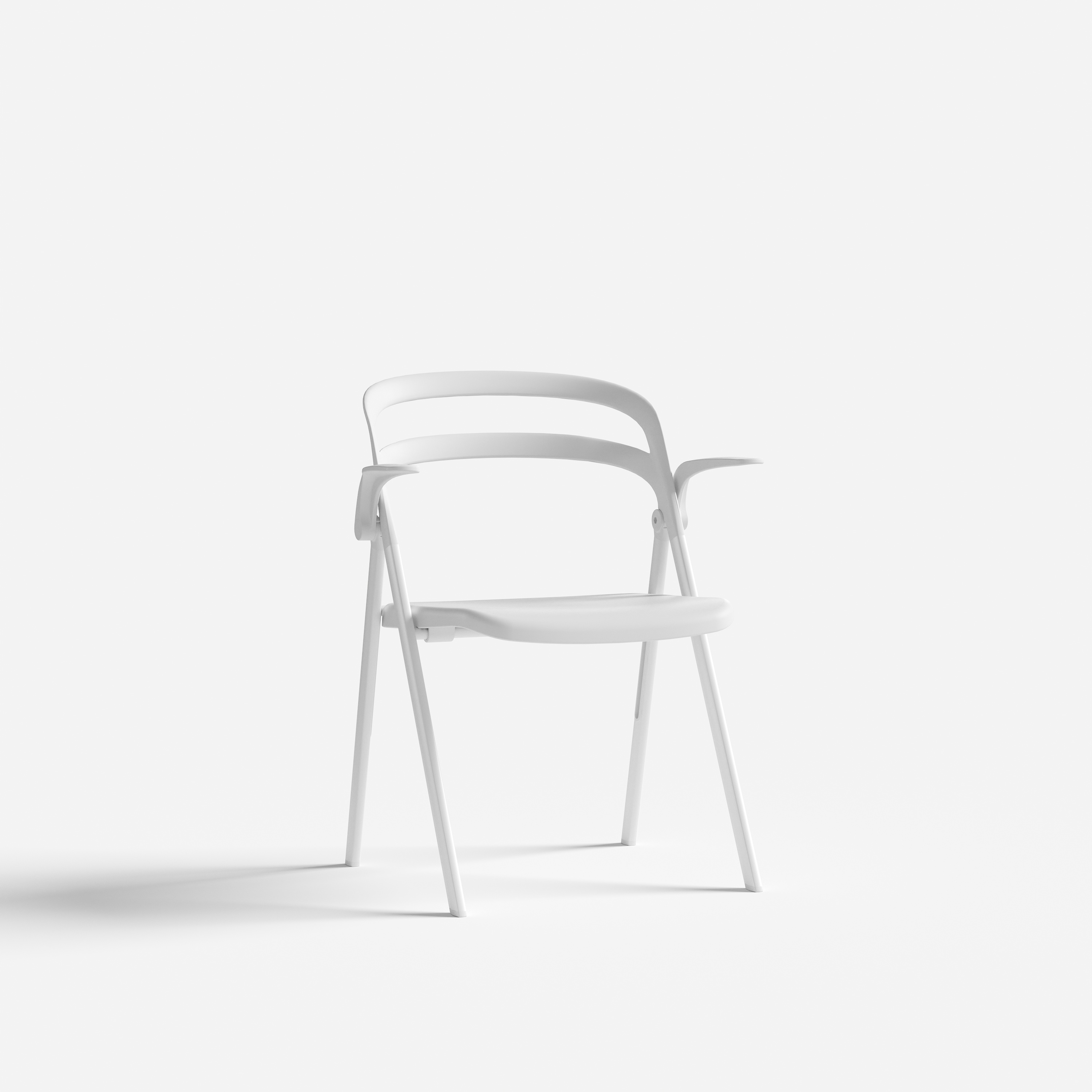
Assembly Instructions: Always refer to the manufacturer’s assembly instructions. Most modern chairs come with easy-to-follow guides, but it's vital to ensure that all parts are correctly fitted to maintain structural integrity.

Placement Considerations: When installing chairs in a commercial space, consider the layout of the area. Ensure that there is enough space between chairs for comfortable movement and accessibility, especially in offices where people may need to navigate through crowded areas.

Adjustability: If the chairs feature adjustable components (like height or armrest settings), ensure that these adjustments are made prior to use. This will enhance comfort and encourage proper posture.

Regular Maintenance Checks: After installation, periodic checks should be conducted to ensure all screws and fittings remain tight and that the chair surfaces are clean and free of damage.

Common Problems with Visitor Chairs and Effective Solutions

Common Problems with Visitor Chairs and Effective Solutions

While office visitor chairs are designed for durability, they can still encounter common issues. Here are some prevalent problems and their solutions:

Worn Upholstery: Over time, upholstery can show signs of wear such as fading or tearing. Regular cleaning and using protective covers can prolong the life of the fabric. If damage occurs, consider reupholstering or replacing the chair.

Stability Issues: If a chair becomes wobbly, it may be due to loose screws or damaged components. Regularly inspect the chair and tighten any loose parts. If the frame is bent or damaged, it may be more economical to replace the chair.

Comfort Complaints: If users report discomfort, it may indicate that the chair does not fit their ergonomic needs. Providing chairs with adjustable features can help accommodate various body types, or consider investing in cushions or lumbar supports for added comfort.

Mobility Problems: Chairs with wheels may struggle to move on certain flooring types. Ensure that the casters are suitable for the specific flooring (e.g., hardwood, carpet) to promote easy mobility without damaging surfaces.

Where to Find Trusted Suppliers for Office Visitor Chairs in Bulk

Finding reliable suppliers for office visitor chairs in bulk is essential for ensuring quality and cost-effectiveness. Here are some steps to identify trustworthy manufacturers and suppliers:

Industry Research: Conduct thorough research to identify reputable manufacturers specializing in office furniture. Look for companies with strong reviews, proven experience, and a portfolio of successful projects, such as DESTON FURNITURE.

Certifications: Choose suppliers who adhere to recognized quality standards and possess relevant certifications. This can provide assurance of product quality and compliance with safety regulations.

Customization Options: Many suppliers offer customization to meet specific needs. Ensure that the manufacturer can accommodate your design preferences, material choices, and quantity requirements.

Sample Requests: Before placing bulk orders, request samples to evaluate the quality, comfort, and overall aesthetics of the chairs. This step is crucial in ensuring the product meets your expectations.

Bulk Pricing and MOQ: Discuss pricing structures and minimum order quantities with potential suppliers. Understanding these factors can help in budgeting and determining the feasibility of large orders.

By following these guidelines, B2B buyers can confidently navigate the process of selecting, installing, and maintaining office visitor chairs, ensuring a positive impact on their workplace environment.

Understanding the Quality Standards of Office Visitor Chairs

Quality standards for office visitor chairs are pivotal in ensuring that the products meet the expectations of durability and performance. Typically, these standards encompass aspects such as material resistance, structural integrity, and ergonomic design.

Material Standards: Look for chairs made from high-quality materials that comply with industry standards for safety and durability. Common certifications include ANSI/BIFMA (American National Standards Institute/Business and Institutional Furniture Manufacturers Association), which ensures that the furniture meets specific performance and safety criteria.

Weight Capacity: A crucial quality standard is the weight capacity of the chair, which should be clearly specified by the manufacturer. Chairs that can support a variety of body types are essential in commercial settings to promote inclusivity.

Ergonomic Design: Quality office visitor chairs should also adhere to ergonomic principles, which help prevent discomfort and promote better posture during extended seating periods. Features such as adjustable seat height, lumbar support, and proper armrest positioning can significantly enhance user experience.

Durability Testing: Manufacturers often conduct tests to check the lifespan of their chairs under typical use conditions. Look for products that have undergone rigorous testing for wear and tear, ensuring they can withstand heavy usage without compromising on comfort. For instance, the HL-670 Series Integrally Molded Fixed Backrest Training Chair is designed to meet such high durability standards.

Get a Free Quote

Our representative will contact you soon.
Name
Email
Company Name
Telephone
Message
0/1000
Attachment
Please upload at least an attachment
Up to 3 files, each no larger than 30MB. Supported formats: jpg, jpeg, png, pdf, doc, docx, xls, xlsx, csv, txt, stp, step, igs, x_t, dxf, prt, sldprt, sat, rar, zip.

Related product categories

Office Visitor Chairs: Quality, Materials & Solutions

Get a Free Quote

Our representative will contact you soon.
Name
Email
Company Name
Telephone
Message
0/1000
Attachment
Please upload at least an attachment
Up to 3 files, each no larger than 30MB. Supported formats: jpg, jpeg, png, pdf, doc, docx, xls, xlsx, csv, txt, stp, step, igs, x_t, dxf, prt, sldprt, sat, rar, zip.