EN

When selecting office visitor chairs, B2B buyers often face critical decisions regarding quality, comfort, durability, and style. These chairs are essential for creating a welcoming environment in offices, schools, hospitals, and commercial spaces. This article delves into the key aspects of office visitor chairs, including quality standards, materials, installation, common issues, and how to find reliable suppliers, providing insights that will assist purchasing managers and product managers in making informed choices.
Top Materials for Durable and Comfortable Visitor Chairs
Selecting the right materials for office visitor chairs is fundamental to ensuring durability, comfort, and ease of maintenance. Here are several materials commonly used:
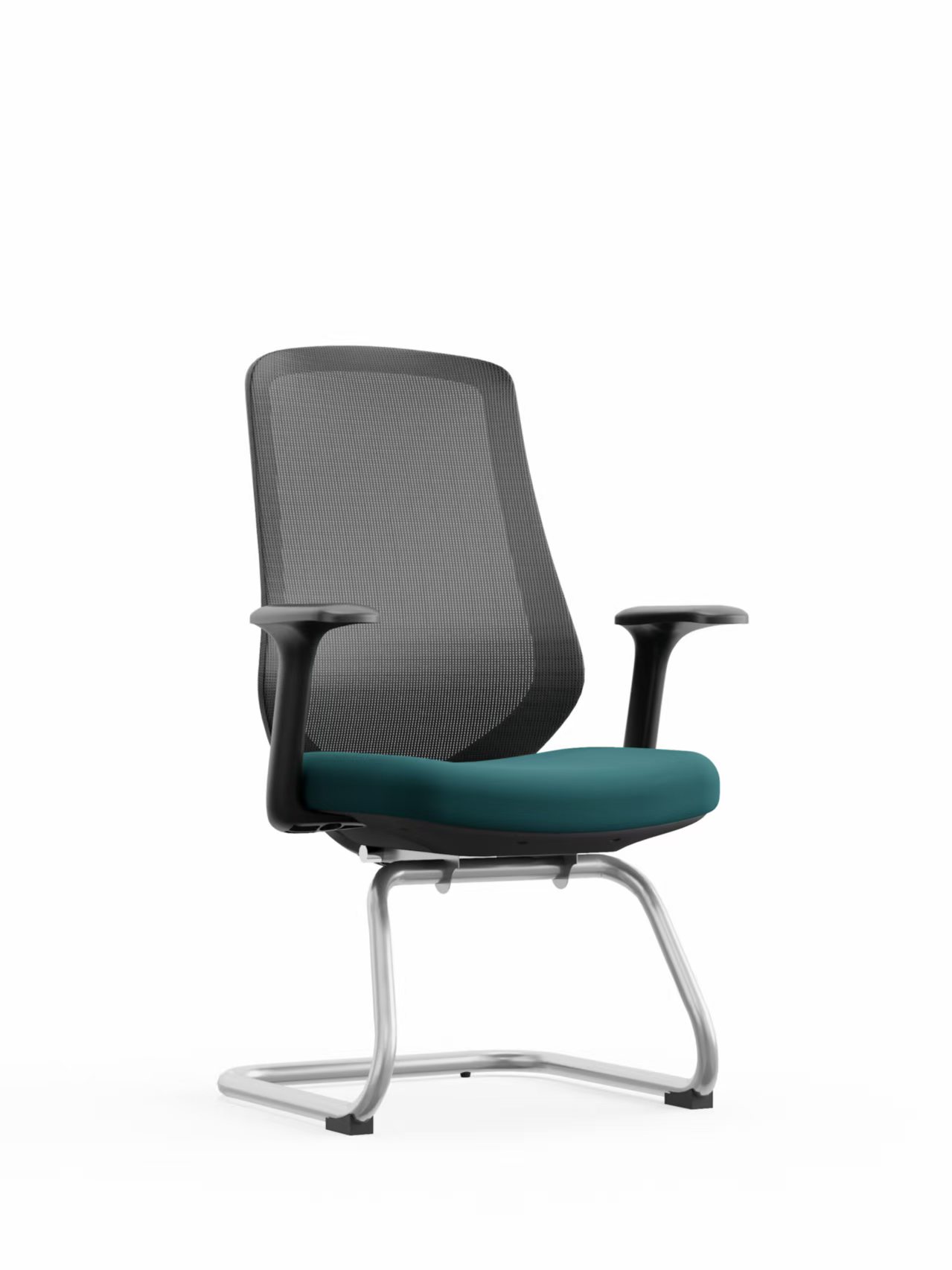
Mesh: Mesh chairs are popular for their breathability, which enhances comfort during long meetings or waiting periods. The flexibility of mesh also allows for better ergonomic adjustments, making it suitable for various body types.
Fabric Upholstery: Offering a range of textures and colors, fabric upholstery can add aesthetic value while providing comfort. Look for fabrics treated for stain resistance and durability, ensuring they withstand frequent usage in office environments.
Leather: While more expensive, leather chairs convey a sense of professionalism and luxury. They are easy to clean and maintain, making them suitable for high-traffic areas.
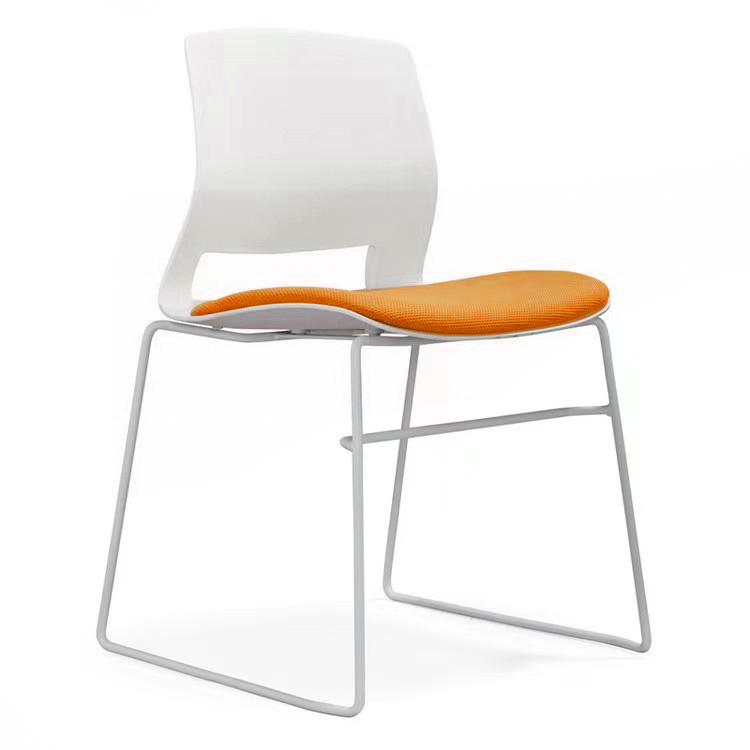
Plastic Shells: Plastic chairs are lightweight and often stackable, making them ideal for flexible spaces where chairs need to be moved frequently. Ensure that the plastic used is of high quality to prevent cracking and fading.
Steel Frames: For enhanced durability, chairs with steel frames offer a robust structure that can withstand significant wear and tear. Steel frames also provide stability, making them a preferred choice for high-use environments, similar to the HL-651 Series Double-Back Lumbar Support Training Chair.