EN

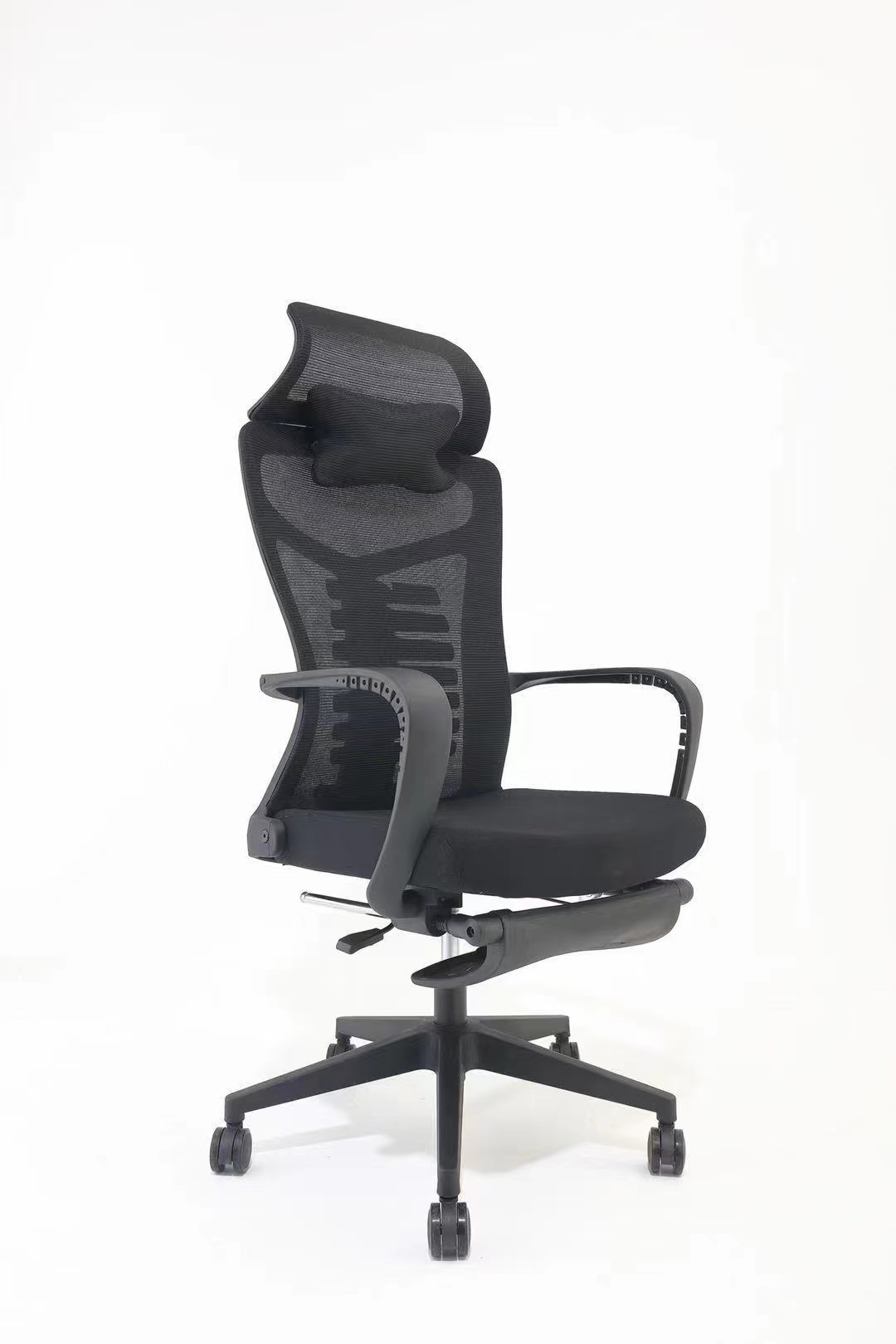
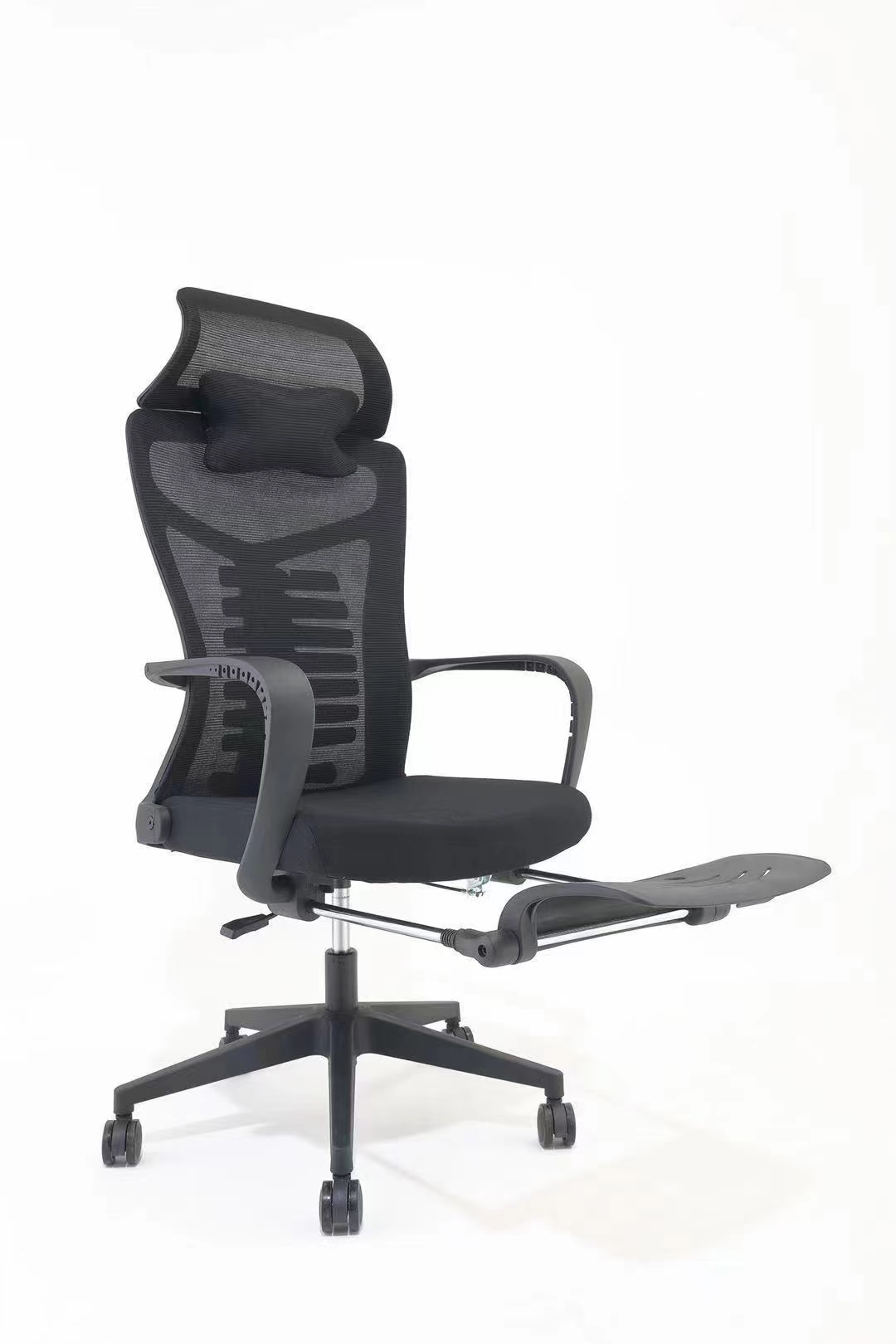
Operator chairs play a crucial role in enhancing comfort and productivity in various work environments. As a B2B buyer, it's essential to understand the factors that influence your choice of operator chairs, whether for offices, schools, healthcare facilities, or large-scale global projects. This article will guide you through selecting the right operator chair based on your business needs, key specifications to evaluate, installation guidance, and common issues with effective solutions, ensuring you make an informed purchasing decision.
Key Specifications to Evaluate When Sourcing Operator Chairs
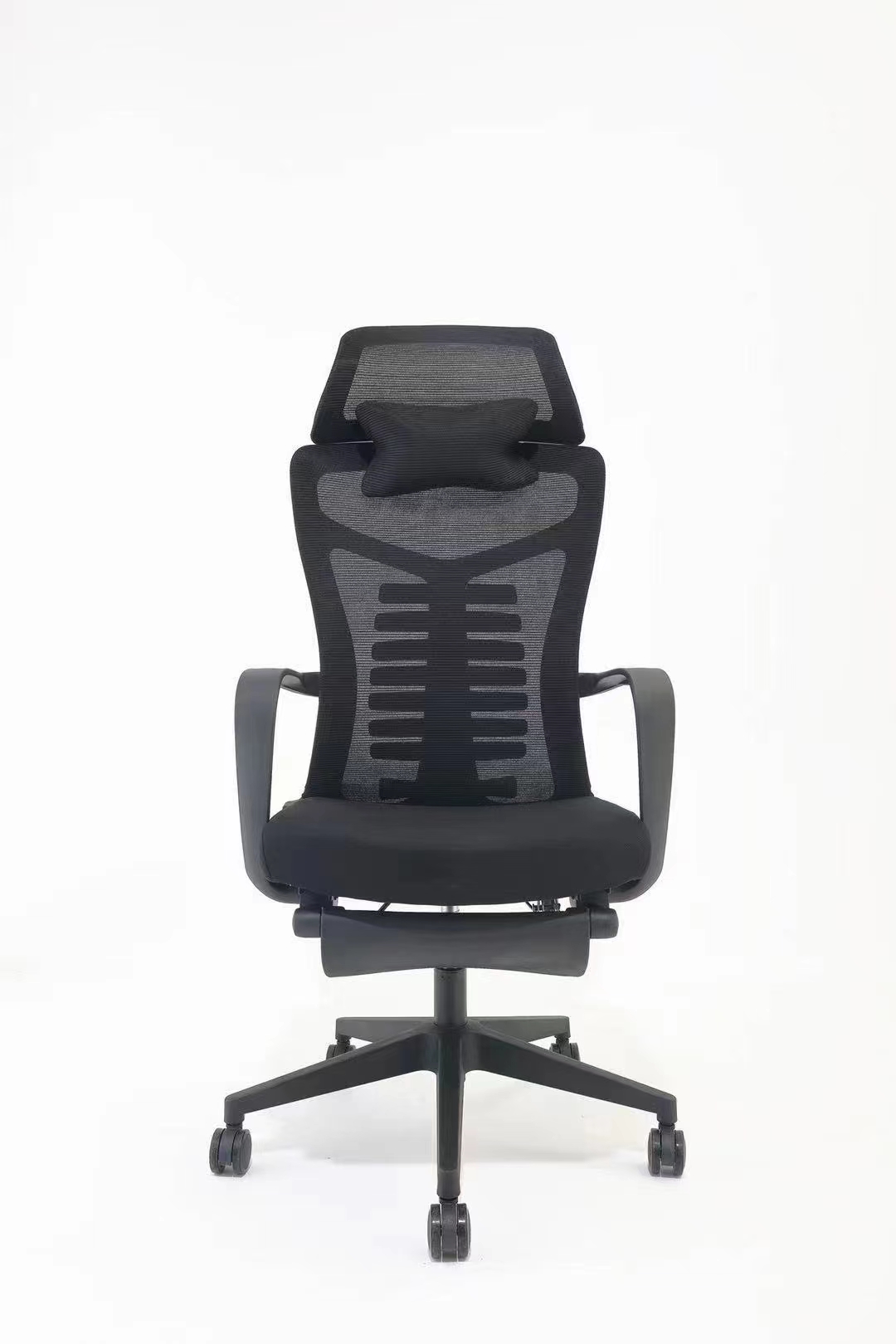
When sourcing operator chairs, specific technical specifications are crucial. Key considerations include:
Material: The chair's upholstery should be durable and easy to clean. Mesh fabrics are popular for their breathability and comfort, while leather offers a more premium feel but may require more maintenance. Evaluate the material based on your workplace's wear and tear expectations.
Weight Capacity: Ensure the chair can support the weight of users, especially in diverse work environments. Most operator chairs have a standard capacity, but for heavier usage, you may want to confirm the maximum weight limit.
Adjustability Features: Look for chairs with multiple adjustable features, including seat height, armrest height, and tilt tension. This ensures that users can modify the chair to their comfort level, which is essential for promoting good posture.
Certifications: Seek chairs that comply with ergonomic standards or certifications, as these can be indicators of quality and safety. For example, chairs meeting ANSI/BIFMA standards are a good benchmark for workplace furniture.
Understanding these specifications will help you ensure that the operator chairs you choose not only meet your needs but also promote the well-being of your employees.