
Choosing the Right Operator Chair for Your Business

All Categories

operator chair

Operator chairs play a crucial role in enhancing comfort and productivity in various work environments. As a B2B buyer, it's essential to understand the factors that influence your choice of operator chairs, whether for offices, schools, healthcare facilities, or large-scale global projects. This article will guide you through selecting the right operator chair based on your business needs, key specifications to evaluate, installation guidance, and common issues with effective solutions, ensuring you make an informed purchasing decision.
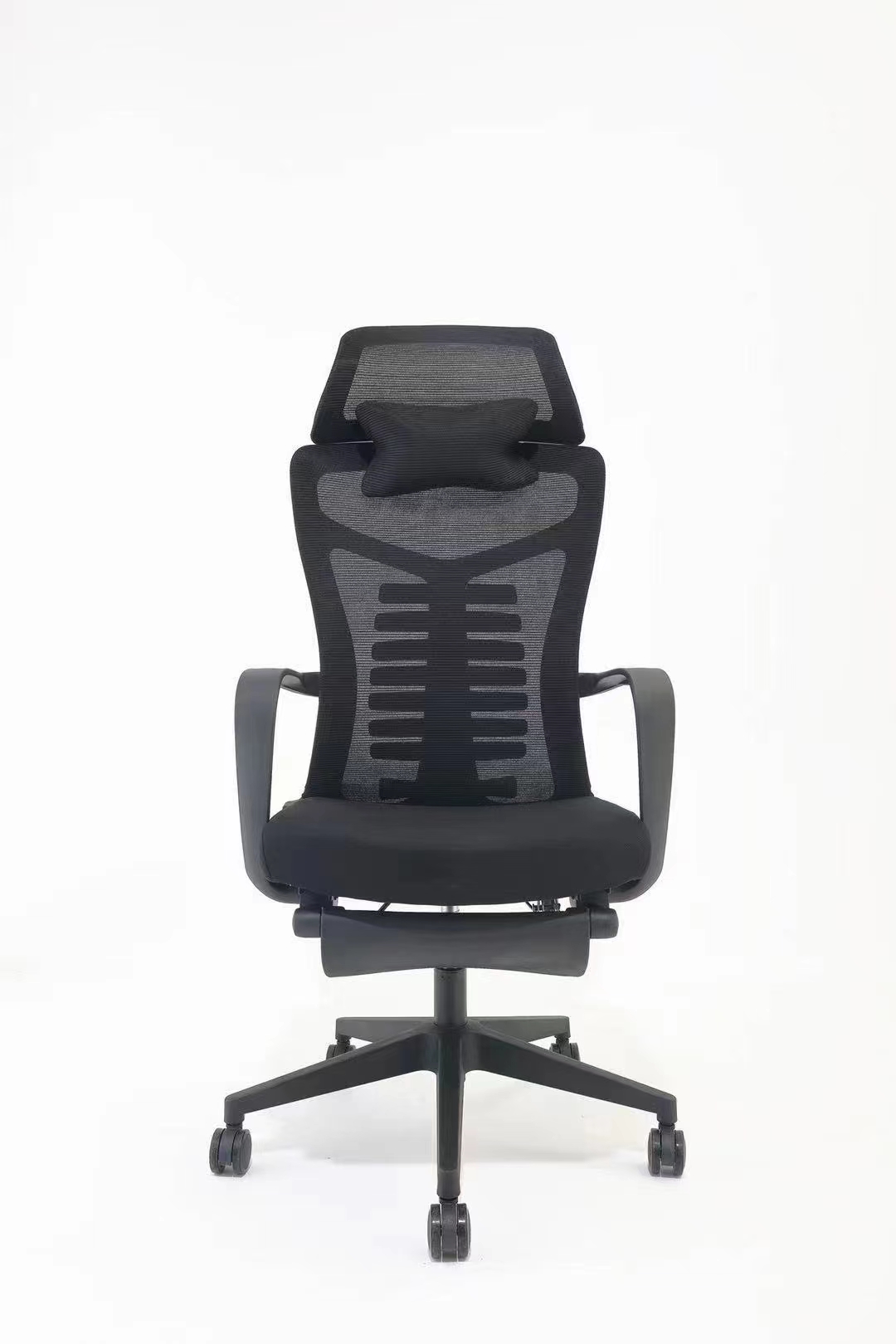
Key Specifications to Evaluate When Sourcing Operator Chairs

Key Specifications to Evaluate When Sourcing Operator Chairs

When sourcing operator chairs, specific technical specifications are crucial. Key considerations include:

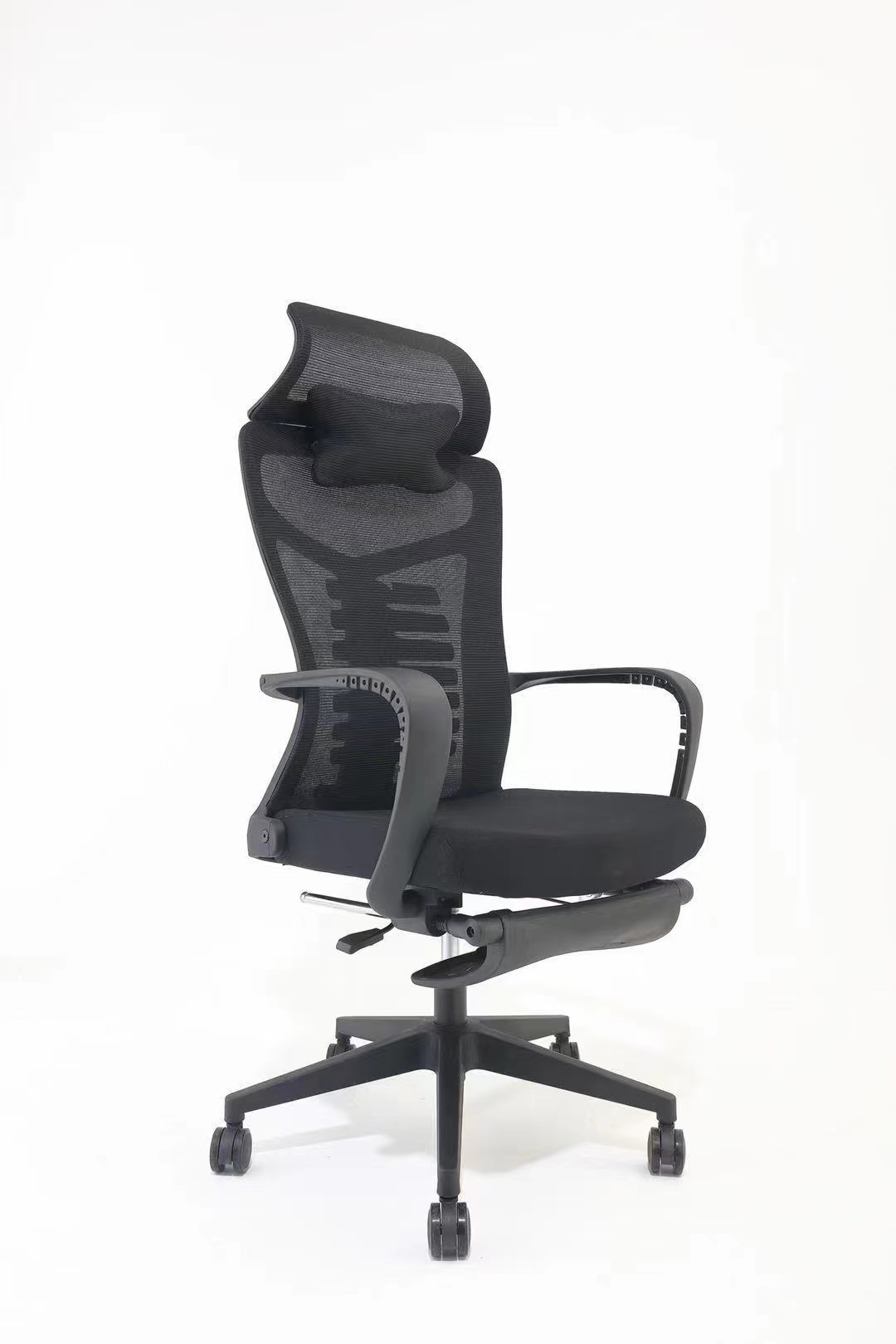
Material: The chair's upholstery should be durable and easy to clean. Mesh fabrics are popular for their breathability and comfort, while leather offers a more premium feel but may require more maintenance. Evaluate the material based on your workplace's wear and tear expectations.

Weight Capacity: Ensure the chair can support the weight of users, especially in diverse work environments. Most operator chairs have a standard capacity, but for heavier usage, you may want to confirm the maximum weight limit.

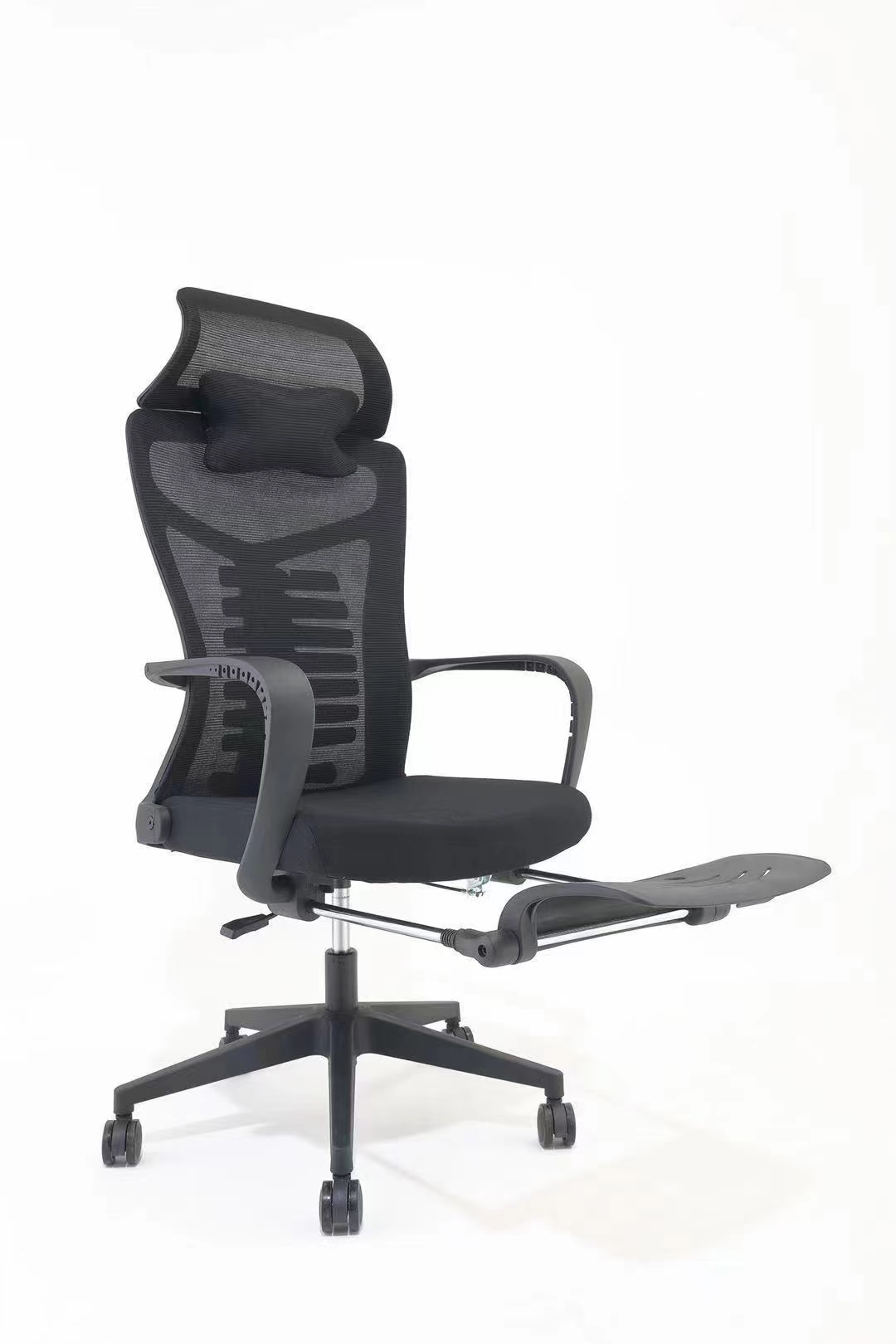
Adjustability Features: Look for chairs with multiple adjustable features, including seat height, armrest height, and tilt tension. This ensures that users can modify the chair to their comfort level, which is essential for promoting good posture.

Certifications: Seek chairs that comply with ergonomic standards or certifications, as these can be indicators of quality and safety. For example, chairs meeting ANSI/BIFMA standards are a good benchmark for workplace furniture.

Understanding these specifications will help you ensure that the operator chairs you choose not only meet your needs but also promote the well-being of your employees.
What Buyers Should Know

What Buyers Should Know

Before making a purchase, it’s important to gather all necessary information to ensure a smooth procurement process. Here are some essential points to consider:

Minimum Order Quantity (MOQ): Different manufacturers may have varying MOQs. Knowing this helps you plan your order and budget effectively.

Lead Times: Inquire about production and shipping timelines. Understanding the lead time is vital to scheduling your office setup or renovation projects.

Sample Approval: Always request samples before committing to a larger order. A sample can provide insights into the chair's construction, comfort, and suitability for your environment, ensuring that you avoid potential issues later.

Customization Options: If your business has specific needs, ask about the customization capabilities. Many manufacturers, including DESTON FURNITURE, can tailor chairs to meet unique requirements, from fabric choices to additional features. For instance, consider how foldable tables and chairs, like Foldable Chairs, may complement your operator chair selection.

Quality Control Processes: Ensure that the supplier has robust quality control measures in place. Knowing their inspection and testing procedures can help you trust the durability of the chairs you select.

By addressing these aspects, you can avoid common pitfalls and ensure that your operator chair selection meets your expectations.

Installation Guidance for Efficient Use of Operator Chairs in Offices

Installation Guidance for Efficient Use of Operator Chairs in Offices

Proper installation and arrangement of operator chairs can significantly impact their usability and longevity. Here are some practical tips for efficient use:

Height Adjustment: Ensure each chair is adjusted to the appropriate height for the user. The feet should rest flat on the floor, with knees at a 90-degree angle. This position promotes comfort and reduces strain during prolonged use.

Workspace Arrangement: Position the chairs in conjunction with desks, ensuring that users have adequate space to maneuver. Consider the reach of users for accessing equipment or materials without straining.

Routine Checks: Regularly inspect the chairs for any signs of wear or issues, such as loose screws or damaged components. Early detection of these problems can prevent further damage and extend the lifespan of the chairs.

User Training: Educate users on how to adjust their chairs correctly. Providing guidelines can help them optimize their seating posture and comfort, which is vital for their productivity and health.

Implementing these installation and usage guidelines can enhance the effectiveness of the operator chairs in your workspace.

Common Problems with Operator Chairs and Effective Solutions

Despite their advantages, operator chairs can encounter several common issues. Here are some problems and their solutions:

Wear and Tear: Over time, upholstery may wear out or become stained. Choose chairs with durable materials that are easier to clean. Regular maintenance, such as vacuuming and wiping down surfaces, can help prolong the chair's life.

Inadequate Lumbar Support: Users may experience back pain if chairs lack lumbar support. Consider investing in lumbar cushions or selecting chairs that offer adjustable lumbar support to cater to different user needs.

Noise from Moving Parts: Squeaky or creaking noises can be distracting. Regularly lubricate moving parts and check for loose screws or fittings to ensure smooth operation.

Stability Issues: If a chair wobbles, it may be due to uneven floor surfaces or loose components. Check the chair's base and adjust the leveling feet if applicable. In cases of severe instability, consider replacing the chair.

By proactively addressing these common issues, you can maintain a comfortable and productive environment in your workplace.

In summary, choosing the right operator chair involves a thorough understanding of your business needs, evaluating key specifications, and considering installation and maintenance practices. By following the guidelines outlined, you can confidently select operator chairs, as well as complementary furniture like Bar Stools, that enhance comfort, productivity, and overall workplace satisfaction.

How to Choose the Right Operator Chair for Your Business Needs

Selecting the right operator chair involves understanding your specific workplace requirements. Consider factors such as ergonomics, adjustability, and intended use. For instance, if your business involves long hours of sitting, prioritize chairs with lumbar support and adjustable features to accommodate various body types. Operator chairs with mesh backs can enhance breathability, which is particularly beneficial in warmer environments. Additionally, incorporating stylish and functional furniture, such as Dining Tables, can further improve your workspace ambiance.

Additionally, think about the aesthetic of your workspace. The design should align with your corporate image while being functional. Operator chairs often come in various colors and styles, allowing you to maintain a cohesive look throughout your office or facility. Collaborating with a supplier like DESTON FURNITURE can also provide insights into customization options to better fit your unique environment.

Get a Free Quote

Our representative will contact you soon.
Name
Email
Company Name
Telephone
Message
0/1000
Attachment
Please upload at least an attachment
Up to 3 files, each no larger than 30MB. Supported formats: jpg, jpeg, png, pdf, doc, docx, xls, xlsx, csv, txt, stp, step, igs, x_t, dxf, prt, sldprt, sat, rar, zip.

Related product categories

Choosing the Right Operator Chair for Your Business

Get a Free Quote

Our representative will contact you soon.
Name
Email
Company Name
Telephone
Message
0/1000
Attachment
Please upload at least an attachment
Up to 3 files, each no larger than 30MB. Supported formats: jpg, jpeg, png, pdf, doc, docx, xls, xlsx, csv, txt, stp, step, igs, x_t, dxf, prt, sldprt, sat, rar, zip.