
Choosing the Right Chair with Wheels for Your Office

All Categories

chair with wheels

When selecting a chair with wheels for your office, it’s crucial to balance functionality, comfort, and durability. These chairs are essential for fostering an efficient work environment, particularly in settings where mobility and flexibility are key, such as offices, hospitals, and schools. This article will guide you through important considerations for choosing the right chair, including specifications, wholesale options, and common issues, ensuring that you make an informed decision tailored to your needs.
Wholesale Options for Durable Chairs with Wheels

Wholesale Options for Durable Chairs with Wheels

For businesses looking to furnish an office or commercial space, purchasing chairs with wheels in bulk can be a cost-effective solution. DESTON FURNITURE offers a variety of wholesale options that cater to different styles and requirements, ensuring you get quality products at competitive prices.

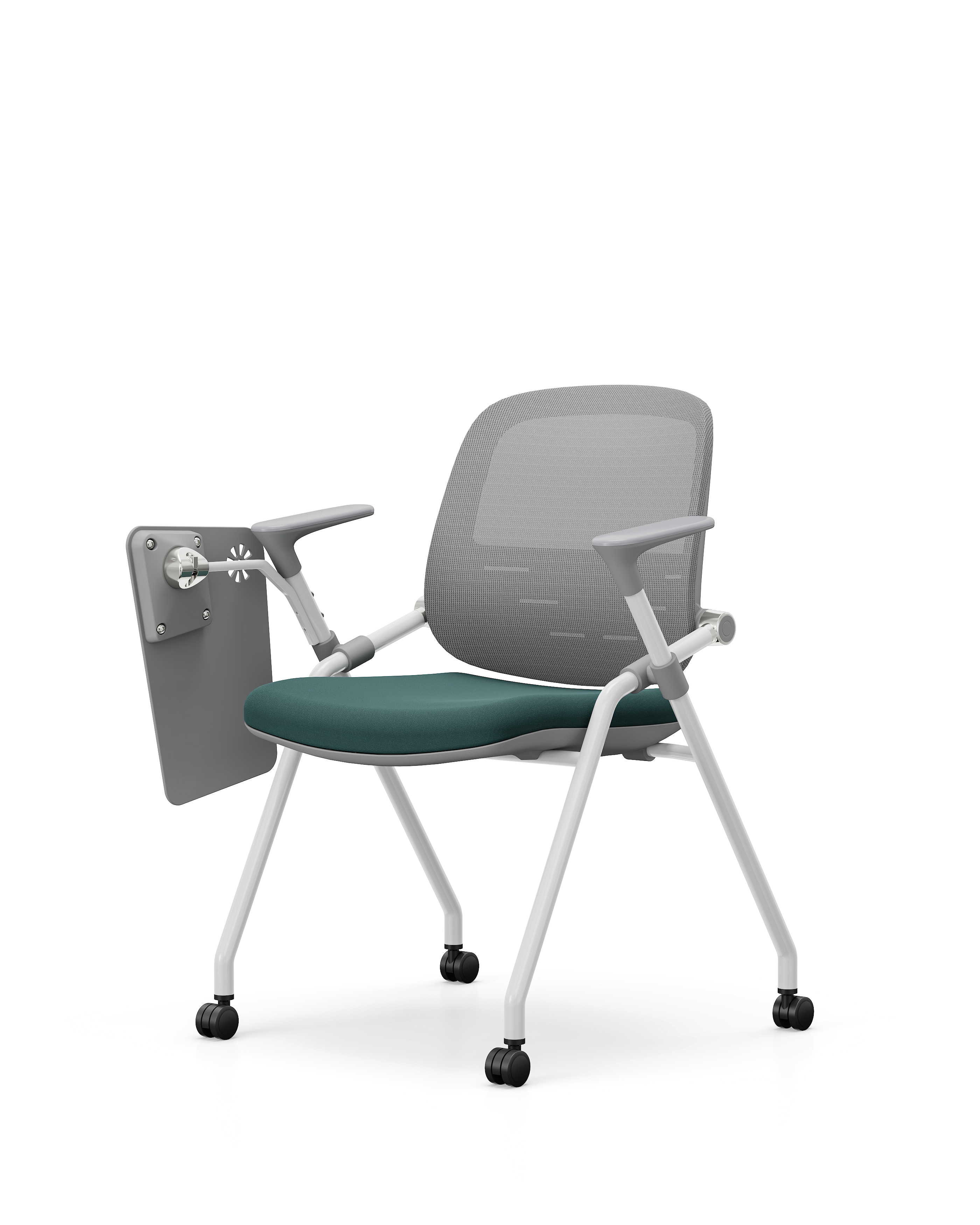
When considering wholesale purchases, it’s vital to evaluate minimum order quantities (MOQs) and lead times. MOQs can vary by model and customization options. Ensure you communicate your specific needs regarding colors, materials, and any required modifications. DESTON FURNITURE’s in-house design team can assist in creating customized solutions that meet your exact specifications while maintaining strict quality control throughout the manufacturing process. For instance, consider their HL-670 Series Integrally Molded Fixed Backrest Training Chair, which is ideal for meeting and training rooms.

In addition, inquire about packaging methods for bulk orders. Proper packaging is essential to prevent damage during transport and ensure that all items arrive in optimal condition. Understanding the shipping options available can further streamline the purchasing process.
What to Look for in Chairs with Wheels

What to Look for in Chairs with Wheels

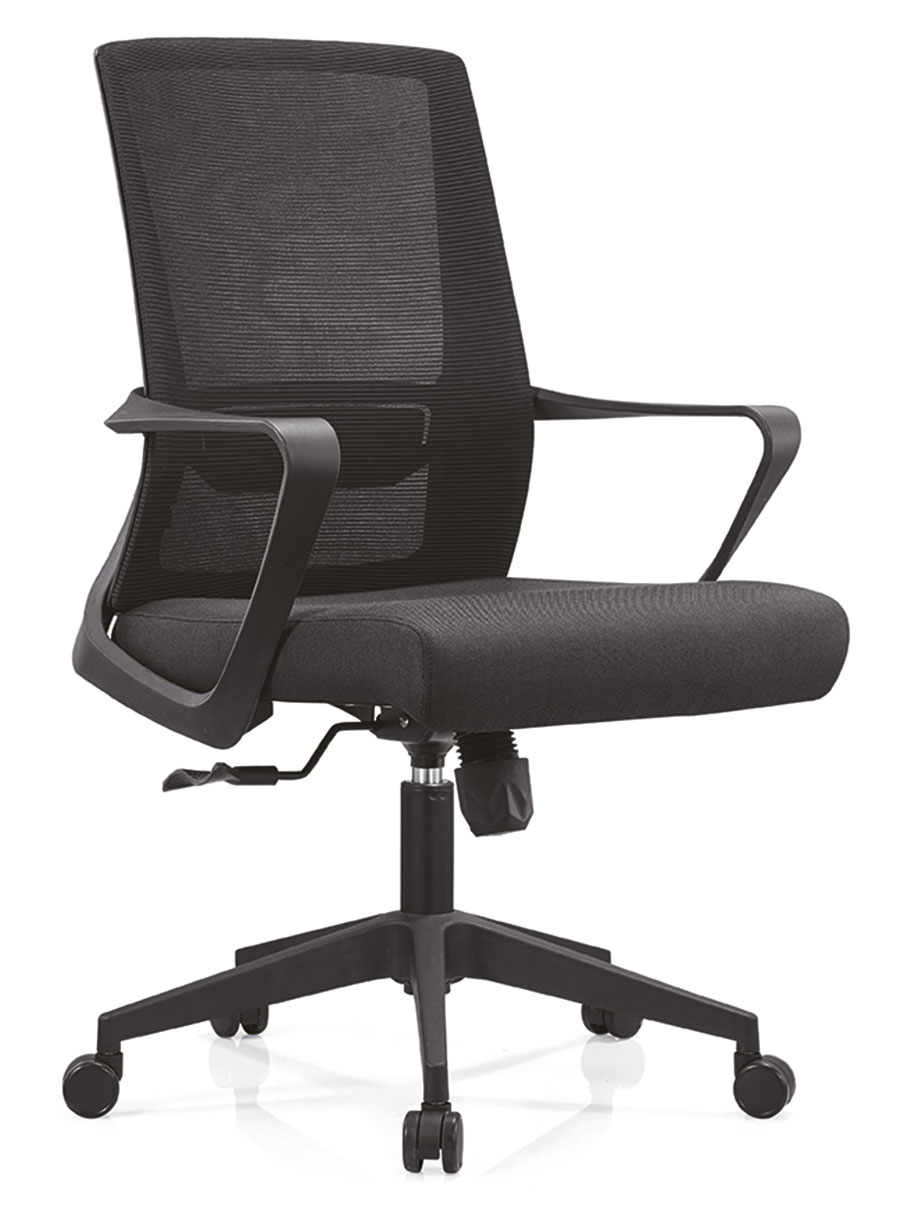
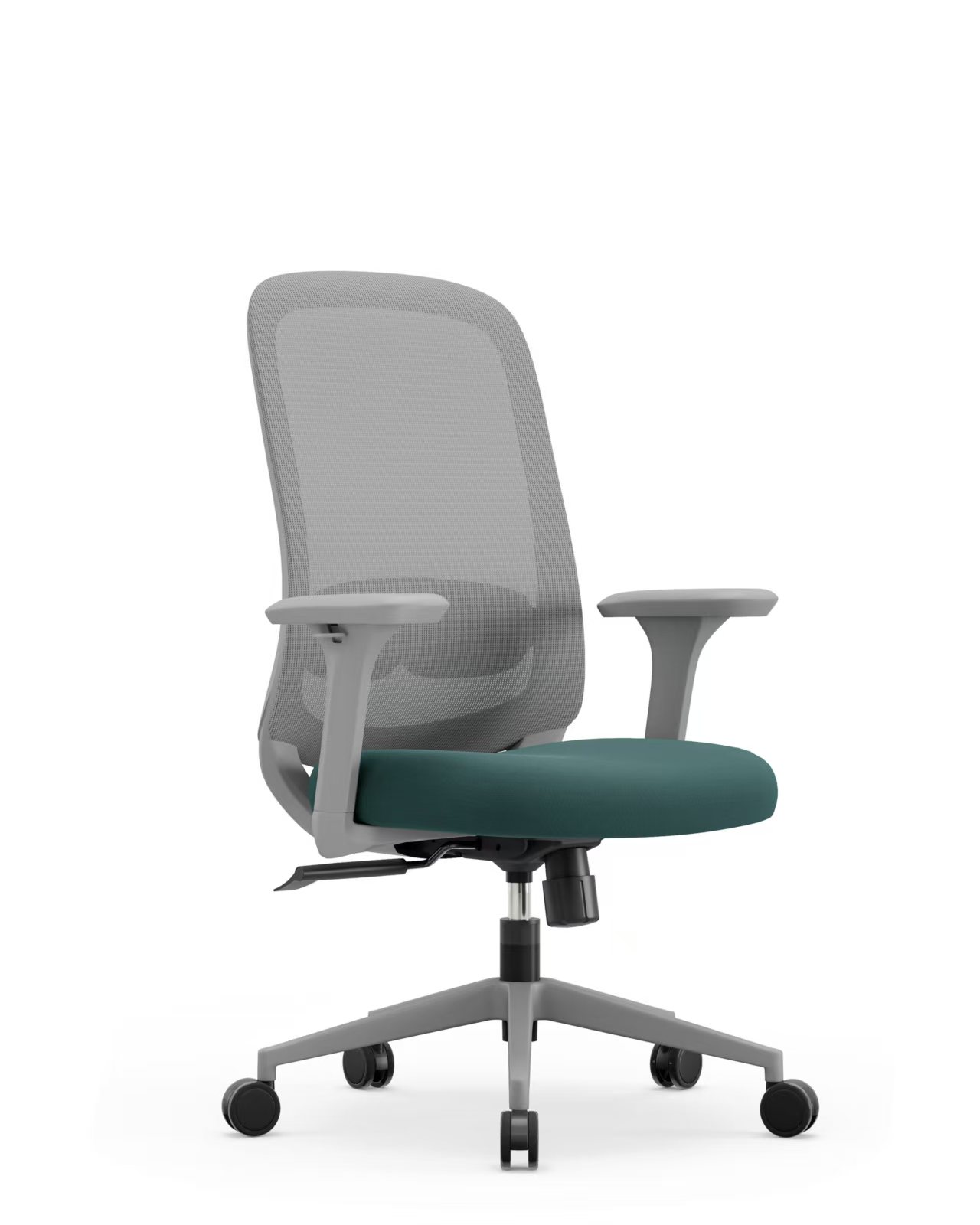
When evaluating chairs with wheels, several key specifications should be considered. Start with the material; chairs made from high-quality, durable materials like reinforced plastic or metal are less likely to suffer wear and tear. Mesh fabric is often favored for its breathability, while upholstery offers a more traditional look.

Next, examine the chair's construction. Ensure that it features a sturdy base and smooth-rolling casters that allow for effortless movement. The height adjustment mechanism should be easy to operate, providing flexibility for different user heights.

It’s also wise to check for compliance with relevant safety standards, which can vary by region. Certifications can provide assurance that the chair meets certain durability and safety benchmarks. Furthermore, assess the warranty offered by the manufacturer; a longer warranty period often indicates a commitment to product quality.

Installation Guidance for Chairs with Wheels in Commercial Spaces

Installation Guidance for Chairs with Wheels in Commercial Spaces

Installing chairs with wheels in a commercial environment can be straightforward, but attention to detail is essential for ensuring safety and functionality. Start by assembling the chairs according to the provided instructions, paying close attention to the orientation of the wheels and the stability of the base.

Before installation, inspect the flooring to determine if any protective measures are needed to prevent damage. For instance, floor mats can be used to protect hardwood or carpeted surfaces while ensuring that the wheels move smoothly.

After installation, conduct a thorough inspection of each chair to ensure that all components are securely fastened and functioning correctly. Encourage users to adjust their chairs to their preferred settings, promoting optimal ergonomic support. Regular maintenance checks can also help identify any issues early, such as loose wheels or worn-out components.

Common Problems with Chairs on Wheels and Their Solutions

Chairs with wheels can encounter several common issues, but many of these can be addressed with simple solutions. One frequent problem is the wheels becoming stuck or not rolling smoothly. This can often be resolved by cleaning the wheels and checking for debris that may be hindering movement. Regular maintenance, including lubricating the wheel mechanisms, can also extend the life of the chair.

Another issue is the wear and tear on the seat or backrest. Signs of wear should be monitored, especially in high-use environments. If damage occurs, consider replacing only the affected parts rather than the entire chair, if possible. Additionally, using chair covers can help protect against spills and stains.

Lastly, if users experience discomfort, it may indicate that the chair is not suited to their ergonomic needs. Encourage employees to adjust their chairs for optimal height and back support. Providing training on proper chair usage can also enhance user experience and comfort.

By understanding these aspects of chairs with wheels, purchasing managers and office planners can make informed decisions that enhance workplace productivity and employee satisfaction. Ultimately, selecting the right chair with wheels means considering both the practical needs of your environment and the comfort of your users.

Choosing the Right Chair with Wheels for Your Office Needs

Selecting the appropriate chair with wheels involves understanding the specific requirements of your office environment. Consider factors such as the chair's intended use, user preferences, and space constraints. For instance, mesh chairs are popular for their breathability and ergonomic support, making them suitable for long hours of use.

When choosing a chair, also think about the weight capacity and dimensions. A chair designed for heavier users must have a robust frame and durable wheels that can withstand daily use without failure. It’s also important to assess the chair's ergonomic features, such as adjustable height and lumbar support, which can significantly enhance user comfort and productivity. For example, the HL-651 Series Double-Back Lumbar Support Training Chair is designed with these features in mind.

Additionally, consider the flooring type in your office. For carpeted floors, larger wheels are often preferred as they roll more easily, whereas smaller wheels may be suitable for hard surfaces like tile or wood. Finally, don't overlook the aesthetic aspect—the chair's design should complement your office decor while providing the necessary functionality.

Get a Free Quote

Our representative will contact you soon.
Name
Email
Company Name
Telephone
Message
0/1000
Attachment
Please upload at least an attachment
Up to 3 files, each no larger than 30MB. Supported formats: jpg, jpeg, png, pdf, doc, docx, xls, xlsx, csv, txt, stp, step, igs, x_t, dxf, prt, sldprt, sat, rar, zip.

Related product categories

Choosing the Right Chair with Wheels for Your Office

Get a Free Quote

Our representative will contact you soon.
Name
Email
Company Name
Telephone
Message
0/1000
Attachment
Please upload at least an attachment
Up to 3 files, each no larger than 30MB. Supported formats: jpg, jpeg, png, pdf, doc, docx, xls, xlsx, csv, txt, stp, step, igs, x_t, dxf, prt, sldprt, sat, rar, zip.