
Choosing the Right Rolling Task Chair for Your Office

All Categories

rolling task chair

When selecting a rolling task chair for your office or commercial environment, it’s important to consider not just comfort but also functionality and durability. The right rolling task chair can significantly impact productivity, employee satisfaction, and overall workspace aesthetics. This article will help you navigate through essential factors to consider, evaluation criteria for quality, suitable applications, material advantages, and effective comparison methods to make informed purchasing decisions.
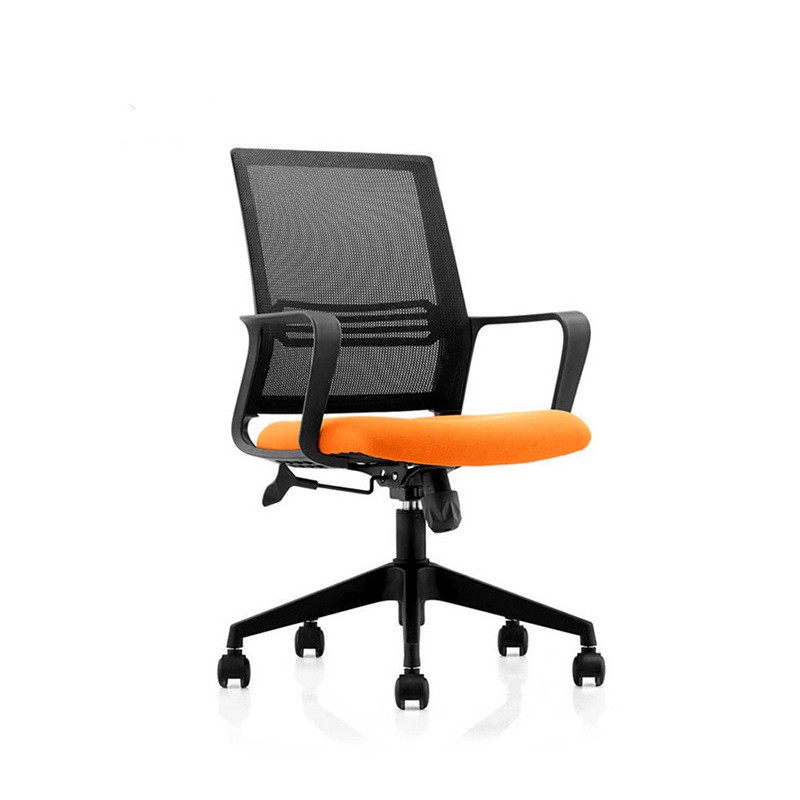
How to Evaluate the Quality of Rolling Task Chairs for Bulk Orders

How to Evaluate the Quality of Rolling Task Chairs for Bulk Orders

When ordering rolling task chairs in bulk, quality evaluation becomes even more critical. Start by examining the materials used in the chair's construction. High-quality task chairs often feature breathable mesh or durable fabric upholstery, ensuring comfort and longevity. Check the chair's frame material as well; steel frames tend to offer greater strength compared to plastic alternatives.

Request samples before finalizing a bulk order. Testing a sample chair under actual usage conditions can reveal potential issues such as discomfort or instability that may not be apparent through specifications alone. Furthermore, consider the manufacturer’s quality control processes. A reputable manufacturer, like DESTON FURNITURE, implements strict quality checks throughout the production process to ensure that each chair meets industry standards.

Additionally, confirm any certifications that may apply to the chairs, such as ANSI/BIFMA, which indicates compliance with safety and performance standards in office furniture. This can assure you of the chair's reliability and performance over time.
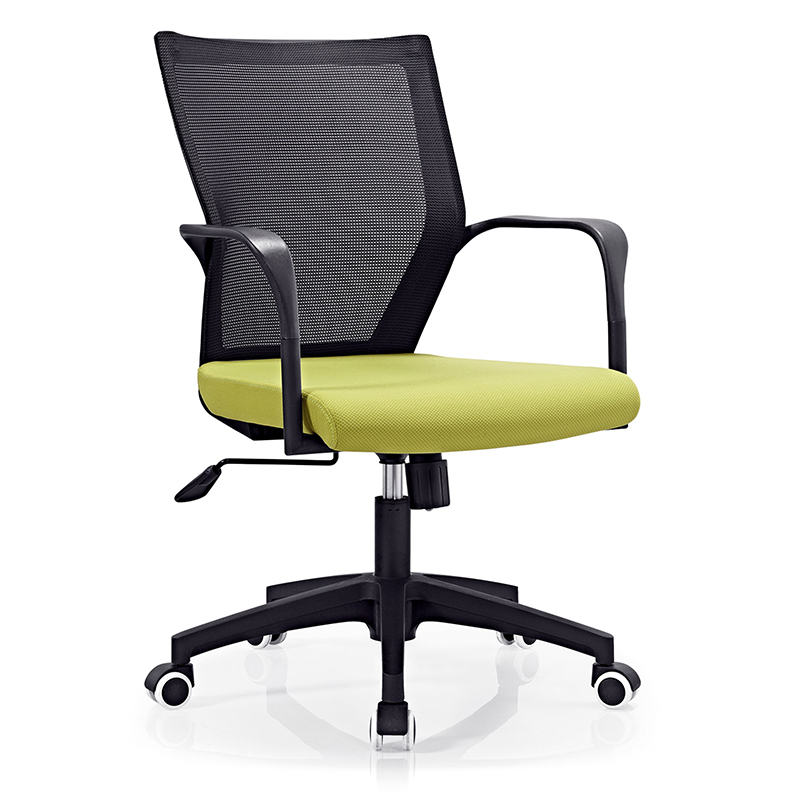
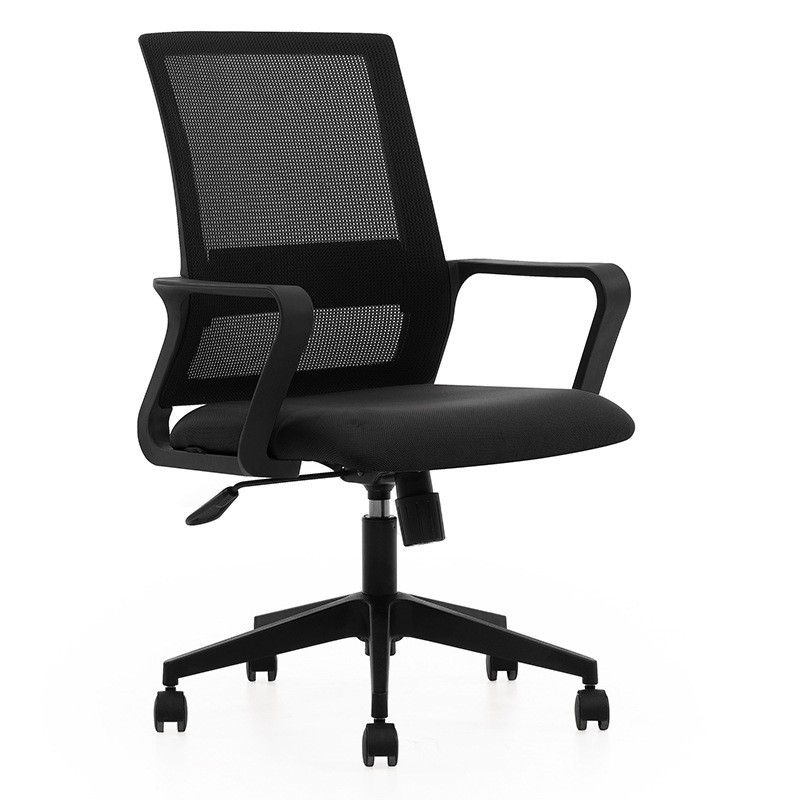
Applications of Rolling Task Chairs in Commercial and Educational Spaces

Applications of Rolling Task Chairs in Commercial and Educational Spaces

Rolling task chairs are versatile and suitable for various environments, including offices, schools, hospitals, and training facilities. In office settings, they provide employees with flexibility to move easily between workstations, fostering collaboration and efficiency. In educational institutions, these chairs support active learning environments where students frequently shift between group projects and individual tasks.

In hospitals, rolling task chairs can enhance the mobility of healthcare professionals, allowing them to navigate quickly between patient rooms and administrative areas. The ergonomic design is particularly beneficial in high-stress environments, reducing fatigue during long shifts. For training facilities, these chairs can be configured in different layouts, accommodating various teaching styles and learning dynamics.

Understanding the specific application of the rolling task chair in your project will guide you in selecting the right features and design that meet the demands of that environment.

Understanding Material Advantages of Rolling Task Chairs for Buyers

Understanding Material Advantages of Rolling Task Chairs for Buyers

The choice of materials in rolling task chairs plays a pivotal role in their performance and longevity. Mesh fabric, for example, is known for its breathability, making it an ideal choice for environments where users may be seated for extended periods. It helps maintain a comfortable temperature and reduces sweat accumulation.

Upholstered fabrics, on the other hand, can offer a more polished look and additional comfort but may require more maintenance to keep them looking clean and fresh. Consider the maintenance requirements of each material, especially in high-traffic areas where spills and wear may occur frequently.

The chair's frame material also contributes to its durability. Steel frames provide robust support and stability, while aluminum is lightweight and resistant to rust, making it a great choice for mobile chairs. Understanding the advantages of different materials enables buyers to make informed decisions based on their specific usage scenarios and maintenance capabilities.

How to Compare Rolling Task Chairs for Optimal Purchasing Decisions

When it comes to comparing rolling task chairs, a structured approach can help you make the best choice for your organization. Start by creating a checklist of essential features based on your specific needs, including ergonomic adjustments, materials, weight capacity, and mobility options.

Next, gather product specifications from multiple suppliers. Pay attention to details such as dimensions, warranty information, and customization options. This will help you evaluate which chairs meet your requirements without overspending.

Additionally, consider the total cost of ownership. While a lower initial purchase price may be attractive, it’s essential to factor in potential maintenance costs, replacement frequency, and warranty support. Higher-quality chairs might have a higher upfront cost but can prove to be more economical in the long run due to their durability and reduced need for replacements.

Lastly, solicit feedback from users who have experience with the chairs being considered. Real-world insights can provide invaluable information on comfort, functionality, and overall satisfaction, guiding your final decision-making process.

In summary, selecting the right rolling task chair requires a thorough understanding of your project’s requirements and careful evaluation of available options. By considering ergonomic features, material advantages, and quality assurance measures, you can confidently make informed purchasing decisions that enhance productivity and satisfaction in your workspace.

What to Consider When Choosing a Rolling Task Chair for Your Projec

When choosing a rolling task chair, several factors should guide your selection process. First, assess the ergonomic design of the chair. Features such as adjustable seat height, lumbar support, and armrests can enhance comfort and reduce the risk of strain during long hours of use. Look for chairs that allow multiple adjustments to accommodate different body types and preferences. For instance, the HL-670 Series Integrally Molded Fixed Backrest Training Chair offers excellent ergonomic features.

Next, consider the chair's mobility. The type of wheels (casters) can impact how easily the chair moves across various flooring types. For instance, soft wheels are better suited for hard floors, while hard wheels perform well on carpeted surfaces. Additionally, ensure that the chair's frame is sturdy and constructed from durable materials, as this will affect its lifespan and durability, particularly in high-traffic environments.

Lastly, think about the aesthetic appeal of the rolling task chair. It should blend seamlessly with your office or educational space decor while meeting functionality needs. Customization options, such as color and upholstery, may also be essential factors to consider for branding purposes. Chairs like the HL-651 Series Double-Back Lumbar Support Training Chair can offer both style and comfort.

Get a Free Quote

Our representative will contact you soon.
Name
Email
Company Name
Telephone
Message
0/1000
Attachment
Please upload at least an attachment
Up to 3 files, each no larger than 30MB. Supported formats: jpg, jpeg, png, pdf, doc, docx, xls, xlsx, csv, txt, stp, step, igs, x_t, dxf, prt, sldprt, sat, rar, zip.

Related product categories

Choosing the Right Rolling Task Chair for Your Office

Get a Free Quote

Our representative will contact you soon.
Name
Email
Company Name
Telephone
Message
0/1000
Attachment
Please upload at least an attachment
Up to 3 files, each no larger than 30MB. Supported formats: jpg, jpeg, png, pdf, doc, docx, xls, xlsx, csv, txt, stp, step, igs, x_t, dxf, prt, sldprt, sat, rar, zip.