Smart Choices for Stacking Chairs in Bulk Orders

All Categories

stacking chairs

Stacking chairs are versatile and space-efficient seating solutions that are ideal for various commercial applications, including offices, schools, and hospitals. As purchasing managers and decision-makers look to optimize their workspace, understanding the nuances of stacking chairs is crucial for making informed bulk purchases. This article will guide you through the fundamental aspects of stacking chairs, helping you navigate quality specifications, cost factors, installation guidance, material comparisons, and common issues with effective solutions.
Cost Factors to Consider When Purchasing Stacking Chairs in Bulk

Cost Factors to Consider When Purchasing Stacking Chairs in Bulk

When budgeting for stacking chairs, several cost factors should be considered to ensure you receive value for money:

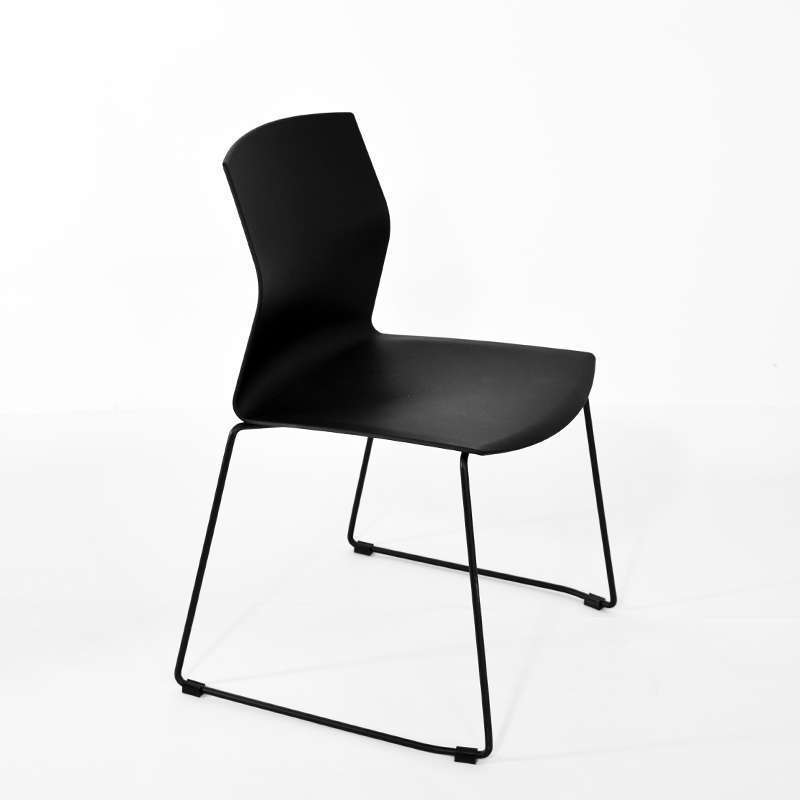
Material Costs: Different materials impact the overall price. For example, plastic chairs may be more affordable than those made from metal or wood, but they may not offer the same level of durability.Customization Options: Custom features such as branding, color, and design can increase the cost. Determine if these customizations align with your budget and branding needs.Shipping and Handling: Bulk orders often incur significant shipping costs, which can vary based on the dimensions and weight of the chairs. Confirm shipping terms and calculate these costs in advance.Minimum Order Quantity (MOQ): Manufacturers often have an MOQ, which can affect your total expenditure. Ensure that your order meets this requirement to avoid additional fees.Local vs. Imported Chairs: Consider whether to purchase domestically or import chairs. While imported chairs might offer lower prices, be aware of potential tariffs, longer lead times, and quality control challenges. Understanding these factors will help buyers make informed decisions and negotiate effectively with suppliers. For example, considering options like the HL-670 Series Integrally Molded Fixed Backrest Training Chair can be beneficial for decision-makers evaluating local versus imported options.
Installation Guidance for Maximizing the Use of Stacking Chairs

Installation Guidance for Maximizing the Use of Stacking Chairs

Proper installation and arrangement can enhance the functionality of stacking chairs in your space. Here are some practical tips to maximize their use:

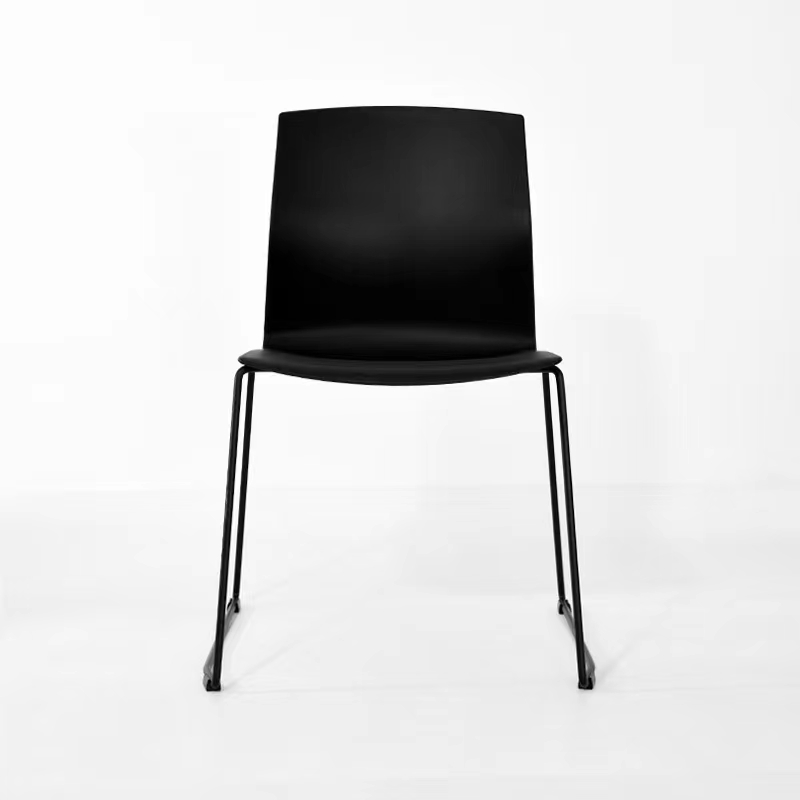
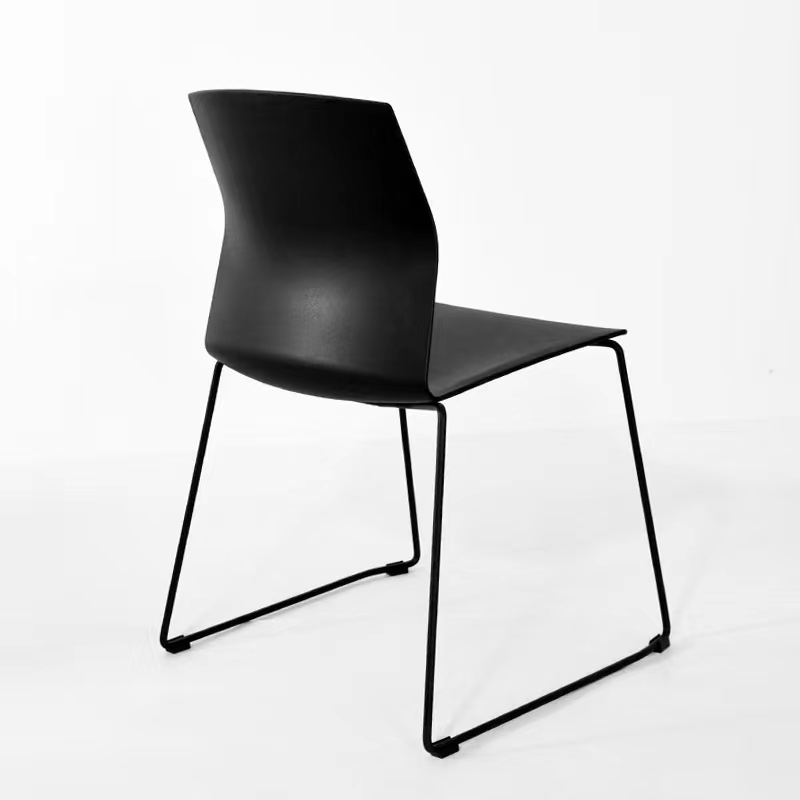
Space Planning: Before installation, assess the intended space to determine the best arrangement. Consider traffic flow, accessibility, and the intended use of the chairs (e.g., meetings, dining).Assembly Instructions: Follow the manufacturer's assembly guidelines closely. Ensure all components are securely fastened to avoid safety hazards.Storage Solutions: When not in use, stack chairs according to the manufacturer's recommendations to prevent damage. Utilize storage racks or dedicated areas to maintain organization.Regular Maintenance: Schedule periodic checks to tighten screws and inspect for wear and tear. This will prolong the life of the chairs and ensure they remain safe for use. By adhering to these installation guidelines, you can ensure that stacking chairs function optimally in your operational environment.
Comparing Material Advantages of Stacking Chairs for Different Uses

Comparing Material Advantages of Stacking Chairs for Different Uses

The choice of material significantly influences the performance and application of stacking chairs. Here’s a comparison of common materials used:

Plastic: Lightweight, easy to clean, and cost-effective, plastic chairs are suitable for casual settings like schools and outdoor events. However, they may not provide the same level of durability as metal frames.

Metal: Steel or aluminum frames offer high durability and strength, making them ideal for high-traffic areas. They can endure heavy use but may require additional padding for comfort.

Wood: While more traditional, wooden stacking chairs provide a classic aesthetic and can be quite durable. However, they are typically heavier and may not stack as efficiently as plastic or metal options.

Upholstered: Chairs with upholstered seats and backs offer enhanced comfort for longer events. The choice of fabric can affect maintenance needs and durability, so selecting high-quality, stain-resistant materials is crucial. When evaluating materials, consider the specific application and expected usage environment to select the most suitable option. For example, upholstered options like the HL-621 Series Book-shaped Mesh Back Fabric Cushion Folding Training Chair may be ideal for environments prioritizing comfort.

Common Problems with Stacking Chairs and Effective Solutions

While stacking chairs are designed for convenience, they can present certain challenges. Here are common problems and their solutions:

Instability: If stacking chairs wobble or feel unstable, this may be due to uneven floor surfaces or improper stacking. Ensure that the floor is level and that chairs are stacked correctly according to the manufacturer's guidelines.

Wear and Tear: Frequent use can lead to fabric fraying or frame damage. Regularly inspect chairs for signs of wear and plan for maintenance or replacement before they become unusable.

Difficulty in Stacking: If chairs are difficult to stack, this could be due to design issues or manufacturing defects. Ensure that chairs are compatible and consult the manufacturer for troubleshooting advice.

Discomfort: If users report discomfort, consider adding cushions or selecting models with higher-density foam. Prioritizing ergonomic designs can also enhance user experience. By addressing these common problems proactively, you can maintain the integrity and usability of stacking chairs within your organization.

In summary, understanding the specifications, cost factors, installation practices, material advantages, and common issues associated with stacking chairs is essential for making informed purchasing decisions. By considering these elements, purchasing managers and decision-makers can ensure they select the right chairs that meet their operational needs and budget constraints.

Understanding the Quality Specifications of Stacking Chairs for Bulk Orders

Quality specifications for stacking chairs can significantly impact their performance and longevity. When placing a bulk order, it's essential to consider several key specifications:

Weight Capacity: Ensure each chair can support the intended user weight to prevent premature wear or failure.Stacking Height: Different models may offer varying stacking heights; understanding the maximum height will help you optimize storage space.Durability Ratings: Look for chairs with a specified lifespan or durability rating, often expressed in cycles of use (for example, 20,000 cycles).Frame Material: The choice of frame material (steel, aluminum, or plastic) affects weight, stability, and longevity. Steel frames generally provide superior durability, while aluminum offers lighter weight for easier handling.Cushioning and Upholstery: For comfort and aesthetic purposes, consider the density of foam used in cushioning and the quality of the upholstery fabric. Fabrics should be stain-resistant and easy to clean, particularly in high-traffic environments. Buyers should verify these specifications with the manufacturer and request samples if needed to assess the chairs' comfort and suitability for their specific applications. Additionally, exploring options like the HL-651 Series Double-Back Lumbar Support Training Chair can provide valuable insights into ergonomic choices available in the market.

Get a Free Quote

Our representative will contact you soon.
Name
Email
Company Name
Telephone
Message
0/1000
Attachment
Please upload at least an attachment
Up to 3 files, each no larger than 30MB. Supported formats: jpg, jpeg, png, pdf, doc, docx, xls, xlsx, csv, txt, stp, step, igs, x_t, dxf, prt, sldprt, sat, rar, zip.

Related product categories

Smart Choices for Stacking Chairs in Bulk Orders

Get a Free Quote

Our representative will contact you soon.
Name
Email
Company Name
Telephone
Message
0/1000
Attachment
Please upload at least an attachment
Up to 3 files, each no larger than 30MB. Supported formats: jpg, jpeg, png, pdf, doc, docx, xls, xlsx, csv, txt, stp, step, igs, x_t, dxf, prt, sldprt, sat, rar, zip.