EN
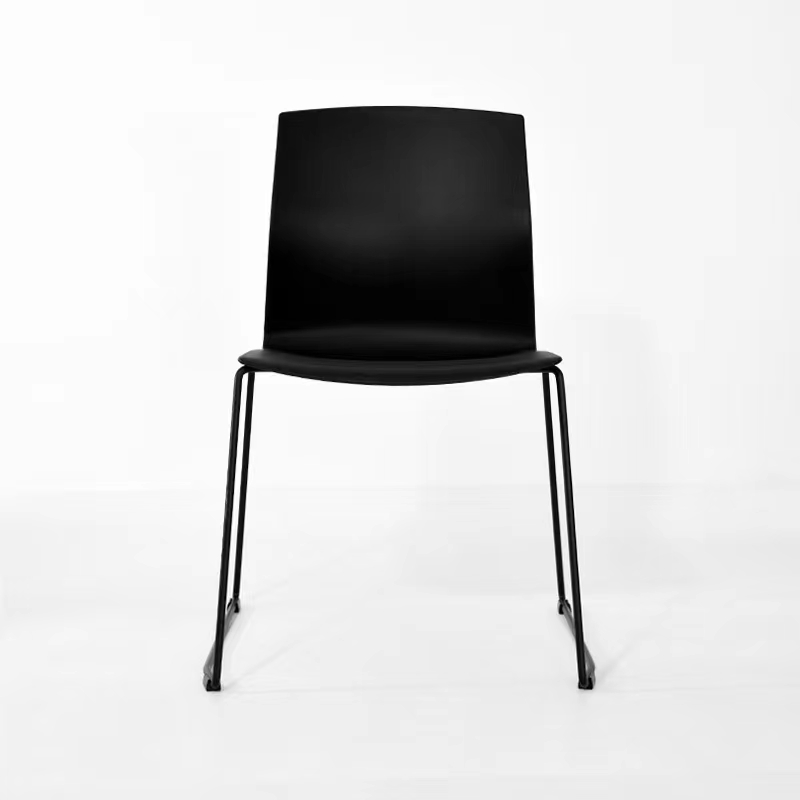
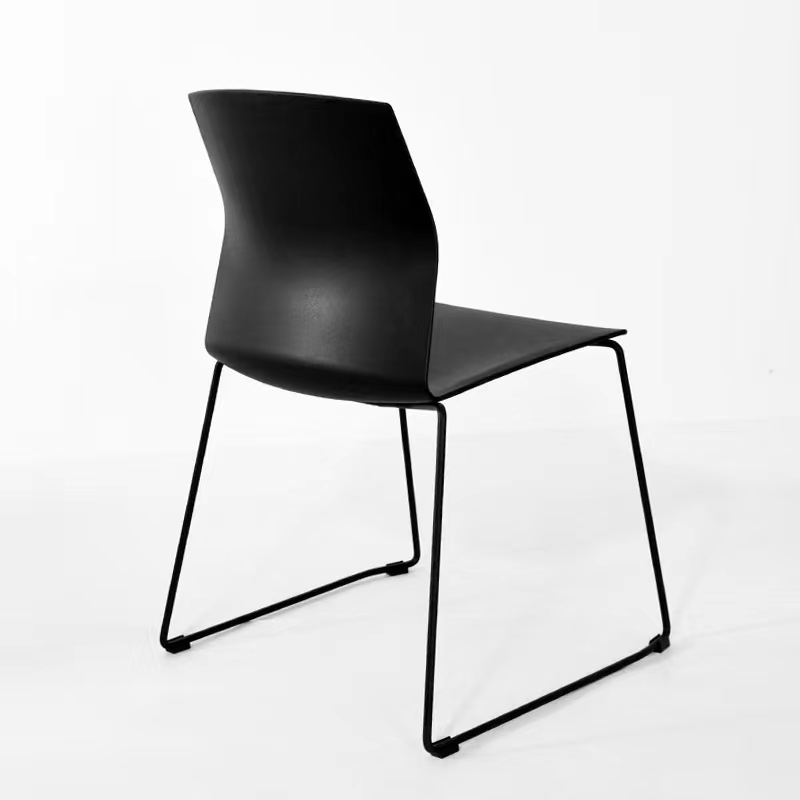
Stacking chairs are versatile and space-efficient seating solutions that are ideal for various commercial applications, including offices, schools, and hospitals. As purchasing managers and decision-makers look to optimize their workspace, understanding the nuances of stacking chairs is crucial for making informed bulk purchases. This article will guide you through the fundamental aspects of stacking chairs, helping you navigate quality specifications, cost factors, installation guidance, material comparisons, and common issues with effective solutions.
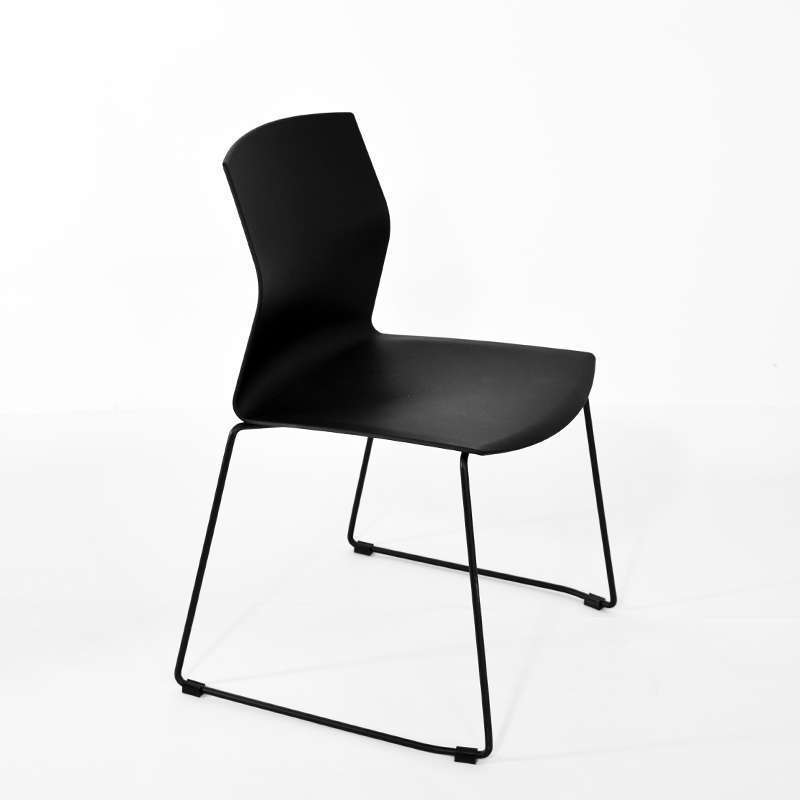
Cost Factors to Consider When Purchasing Stacking Chairs in Bulk
When budgeting for stacking chairs, several cost factors should be considered to ensure you receive value for money:
Material Costs: Different materials impact the overall price. For example, plastic chairs may be more affordable than those made from metal or wood, but they may not offer the same level of durability.Customization Options: Custom features such as branding, color, and design can increase the cost. Determine if these customizations align with your budget and branding needs.Shipping and Handling: Bulk orders often incur significant shipping costs, which can vary based on the dimensions and weight of the chairs. Confirm shipping terms and calculate these costs in advance.Minimum Order Quantity (MOQ): Manufacturers often have an MOQ, which can affect your total expenditure. Ensure that your order meets this requirement to avoid additional fees.Local vs. Imported Chairs: Consider whether to purchase domestically or import chairs. While imported chairs might offer lower prices, be aware of potential tariffs, longer lead times, and quality control challenges. Understanding these factors will help buyers make informed decisions and negotiate effectively with suppliers. For example, considering options like the HL-670 Series Integrally Molded Fixed Backrest Training Chair can be beneficial for decision-makers evaluating local versus imported options.