
Choosing the Right Office Task Chair for Your Business

All Categories

office chair task chair

Selecting the right office chair can significantly impact workplace productivity and employee comfort. In particular, task chairs, designed for versatility and ergonomic support, are a popular choice for various business environments. As purchasing managers and office administrators explore options for office chair procurement, key concerns often include product durability, ergonomic features, and cost-effectiveness. This article will help clarify critical factors in choosing the right office chair task chair for your business needs, ensuring that your selection aligns with your operational requirements.
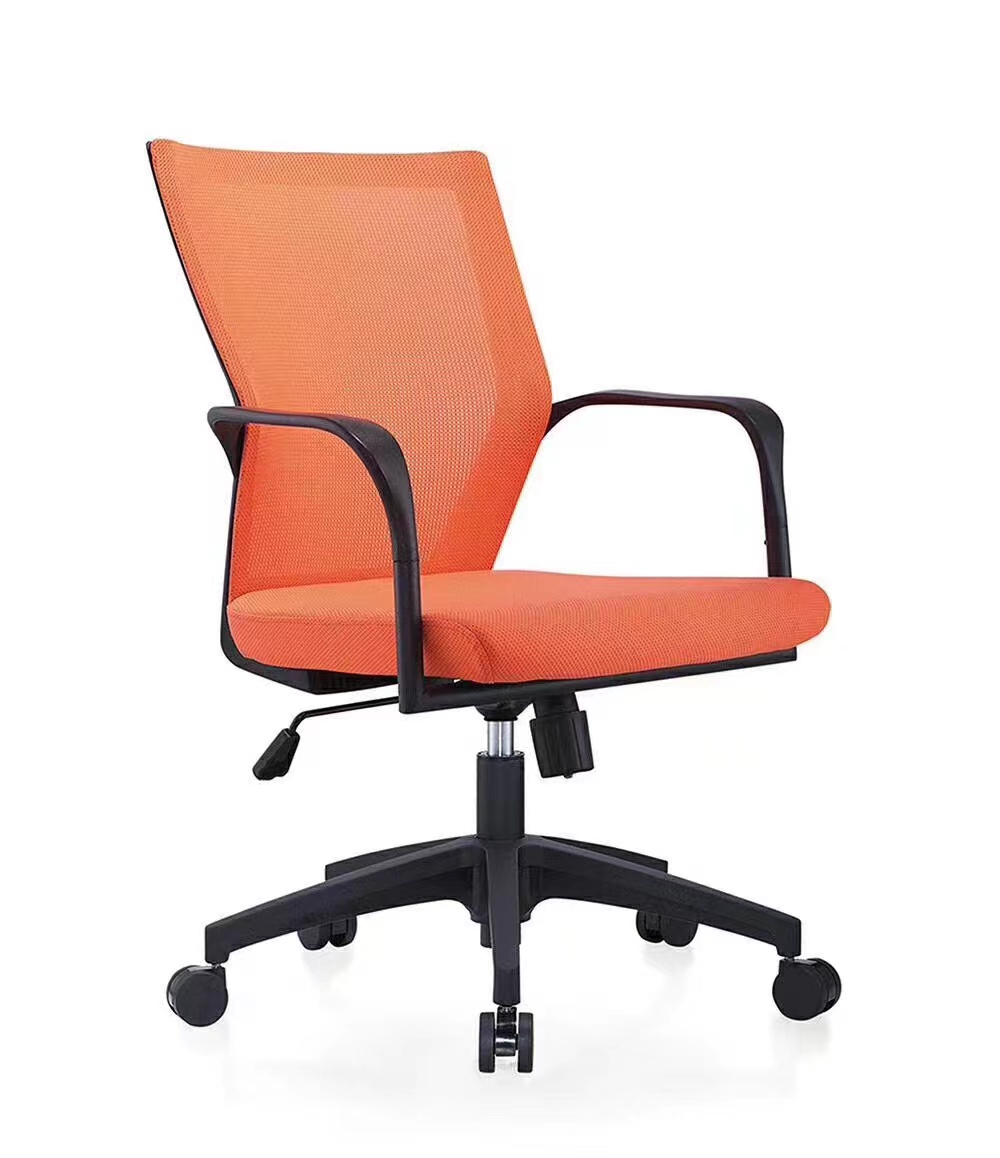
Key Specifications to Evaluate When Sourcing Task Chairs

Key Specifications to Evaluate When Sourcing Task Chairs

When sourcing task chairs, several key specifications should be evaluated to ensure they meet your business needs. These include:

Weight Capacity: Verify the chair's weight limit to ensure it accommodates all users. Chairs typically range from 250 to 400 pounds.Seat Dimensions: The width and depth of the seat should be comfortable for various body sizes. A standard seat depth ranges from 15 to 20 inches.Back Support: Look for chairs with lumbar support that maintains the natural curve of the spine. This is critical in preventing back pain.Adjustability: Features such as adjustable seat height, tilt tension, and armrests allow users to customize their seating experience. Warranty and Certifications: Check if the chair meets specific ergonomic certifications (e.g., BIFMA) and what warranty is offered, indicating the manufacturer's confidence in their product's durability. Understanding these specifications helps ensure that you choose chairs that not only fit your employees' physical needs but also promote a healthy work environment.
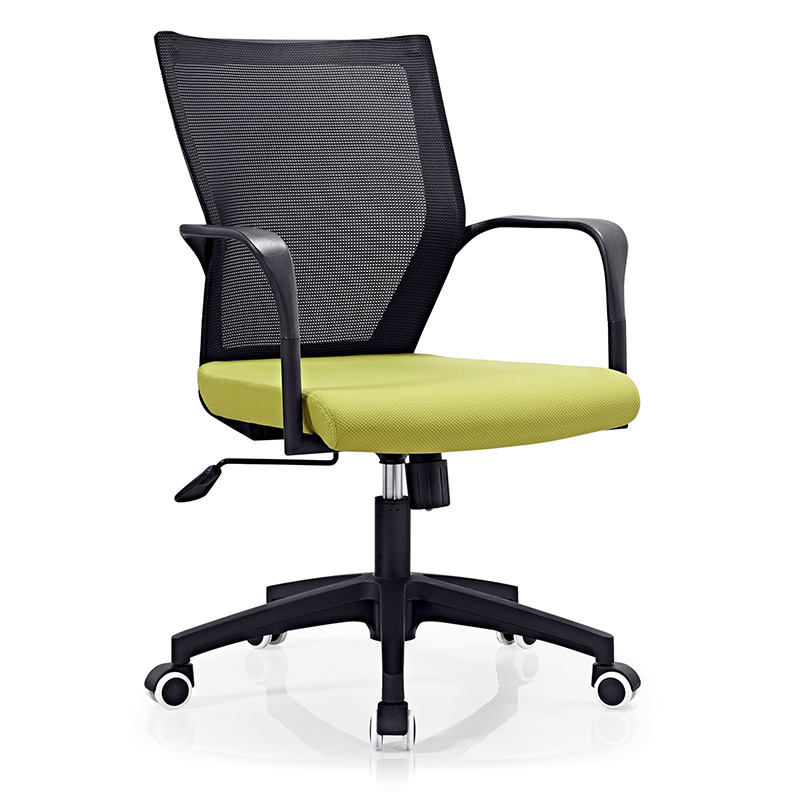
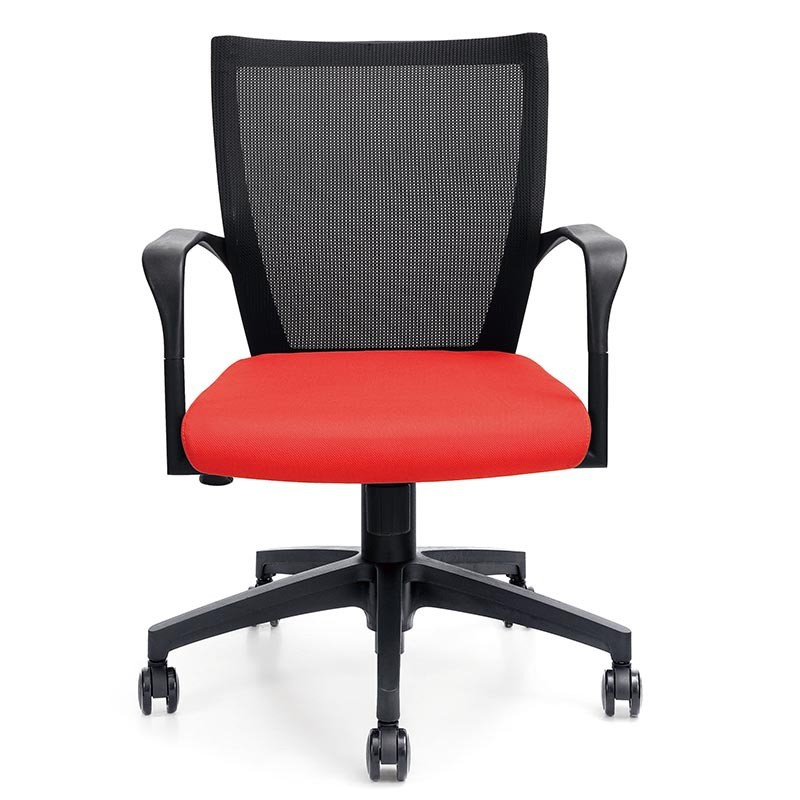
Compare Quality Features of Office Chairs for Bulk Purchasing

Compare Quality Features of Office Chairs for Bulk Purchasing

When purchasing office chairs in bulk, comparing quality features across different models is vital. Beyond the basic specifications, consider the following:

Construction Quality: Investigate the frame materials—steel frames typically offer greater durability than plastic counterparts. This can affect the chair's longevity, especially in high-use settings.

Assembly Requirements: Some task chairs require more assembly than others. If you choose a model that is easy to assemble, it can save time and labor costs when setting up multiple chairs.

Comfort Features: Look for features like memory foam seat cushions and breathable fabrics. These elements enhance user comfort and can improve overall satisfaction in the workplace.

Aesthetic Appeal: The design and color options can impact your office's overall look. Ensure the selected chairs align with your branding and interior design. For example, you might explore options like the GJ035C Modern Stylish 4-Seater Integrated Canteen Table-Chair Set to enhance your office aesthetics.

Lead Times: Be aware of the lead times for bulk orders, as they can vary significantly between manufacturers. This is particularly important for projects with tight deadlines.

By conducting a thorough comparison of these quality features, you can make informed decisions that align with both budgetary constraints and employee needs.

Cost Factors to Consider When Buying Task Chairs in Bulk

Cost Factors to Consider When Buying Task Chairs in Bulk

When budgeting for bulk purchases of task chairs, several cost factors should be kept in mind:

Unit Price: While lower-priced chairs may seem attractive, they might lack essential features or durability. Assess the total cost of ownership versus the initial investment.

Shipping and Handling Costs: Consider the logistics of transporting bulk orders. Shipping costs can vary based on chair weight, dimensions, and destination, impacting overall expenses.

Volume Discounts: Many suppliers offer discounts for bulk purchases. Be sure to inquire about tiered pricing based on order size.

Warranty and After-Sales Support: Chairs with extended warranties or robust customer support may incur a higher upfront cost but could save money in the long run through reduced maintenance and replacement needs.

Customization Charges: If your business requires custom features, such as branding or specific color schemes, factor in these additional costs.

By understanding these cost factors, you can ensure that your budget aligns with your business's strategic goals.

Installation Guidance for Office Chairs in Commercial Spaces

Proper installation of office chairs is crucial to ensure optimal function and longevity. Here are some key installation considerations:

Follow Manufacturer Instructions: Always refer to the provided assembly manual. Each model may have specific steps that ensure the chair is assembled correctly.

Check for Stability: Once assembled, test each chair for stability. Ensure that all screws and bolts are tightened adequately to prevent wobbling.

Adjust Chairs for Users: After installation, adjust each chair according to the individual user's preferences. This may involve altering seat height, backrest angle, and armrest positions.

Routine Maintenance: Encourage employees to regularly check their chairs for any loose components or wear and tear. This proactive approach can extend the lifespan of the chairs.

Create an Installation Checklist: For larger installations, creating a checklist can help ensure that nothing is overlooked during the setup process.

By adhering to these installation guidelines, businesses can enhance the longevity and user satisfaction of their office task chairs, ultimately contributing to a more productive work environment.

How to Choose the Right Office Chair for Your Business Needs

When selecting an office chair, especially task chairs, consider the primary usage scenarios within your organization. Task chairs are designed for various applications, from intensive desk work to collaborative settings. Ergonomics is a crucial aspect; look for chairs that offer adjustable features such as seat height, backrest angle, and armrest positioning to accommodate different body types and preferences. Additionally, assess the chair's mobility; models with casters provide flexibility in dynamic workspaces.

Another essential factor is the material used in the chair's construction. Mesh chairs, for example, offer breathability and support, making them suitable for prolonged usage in warm environments. In contrast, upholstered chairs can provide a more classic appearance but may require more maintenance. Evaluate how these materials align with your business's aesthetic and functional needs. For instance, consider the HL-651Series Double-Back Lumbar Support Training Chair, which combines style and functionality.

Get a Free Quote

Our representative will contact you soon.
Name
Email
Company Name
Telephone
Message
0/1000
Attachment
Please upload at least an attachment
Up to 3 files, each no larger than 30MB. Supported formats: jpg, jpeg, png, pdf, doc, docx, xls, xlsx, csv, txt, stp, step, igs, x_t, dxf, prt, sldprt, sat, rar, zip.

Related product categories

Choosing the Right Office Task Chair for Your Business

Get a Free Quote

Our representative will contact you soon.
Name
Email
Company Name
Telephone
Message
0/1000
Attachment
Please upload at least an attachment
Up to 3 files, each no larger than 30MB. Supported formats: jpg, jpeg, png, pdf, doc, docx, xls, xlsx, csv, txt, stp, step, igs, x_t, dxf, prt, sldprt, sat, rar, zip.