Choosing the Right Foldable Meeting Table

All Categories

foldable meeting table

Foldable meeting tables are essential furniture solutions for various commercial environments, offering flexibility and convenience for collaborative spaces. These tables are designed to be easily stored and transported, making them ideal for offices, schools, and even hospitals where space efficiency is crucial. As a procurement manager or purchasing agent, understanding the key features and specifications of foldable meeting tables will help you make informed decisions that align with your organization's needs. This article will guide you through the critical considerations for selecting the right foldable meeting table, ensuring that your investment meets both quality and functional requirements.
Specifications to Consider for Durable Foldable Meeting Tables

Specifications to Consider for Durable Foldable Meeting Tables

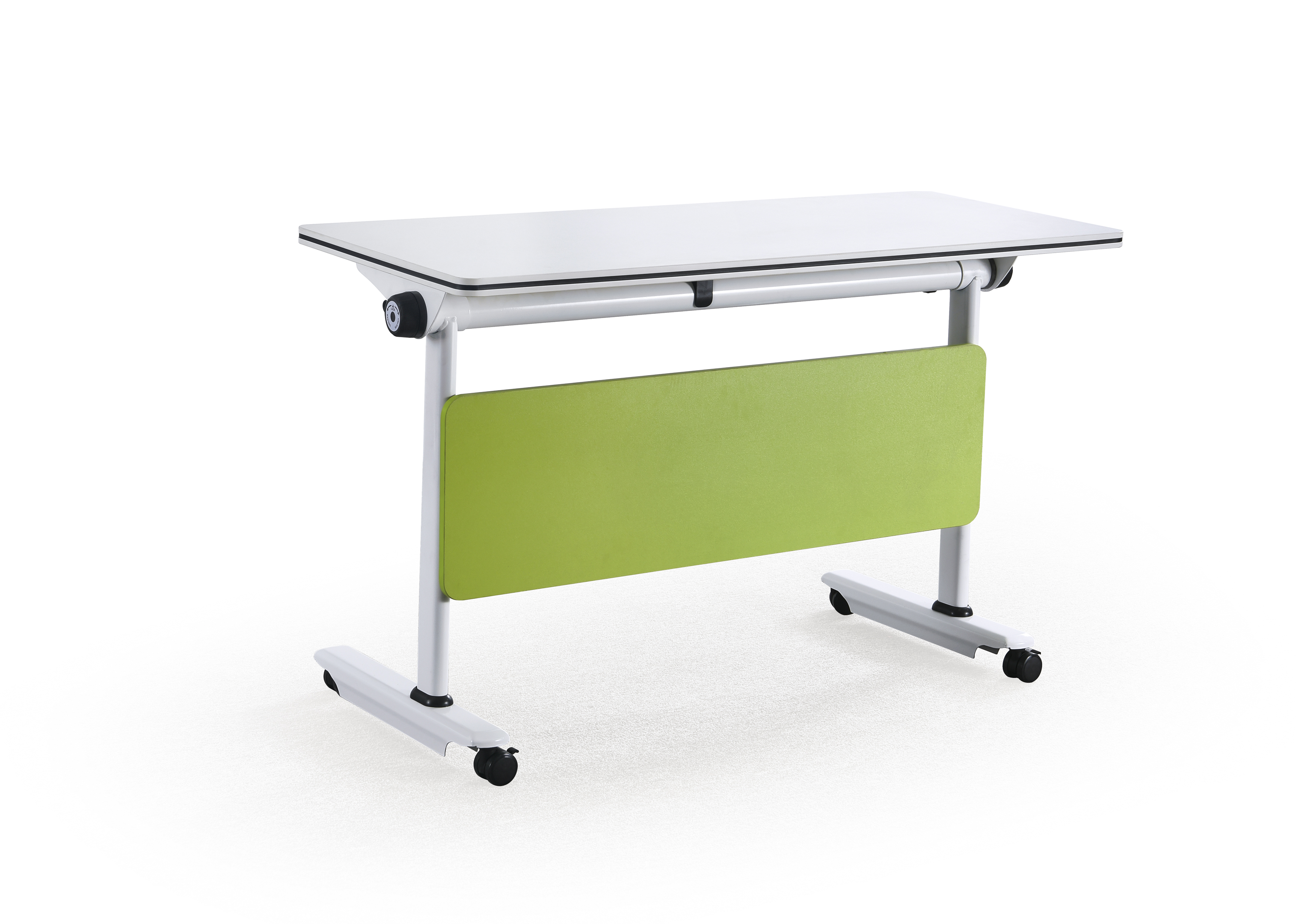
Durability is paramount when choosing foldable meeting tables, particularly in high-traffic environments. Key specifications to evaluate include:

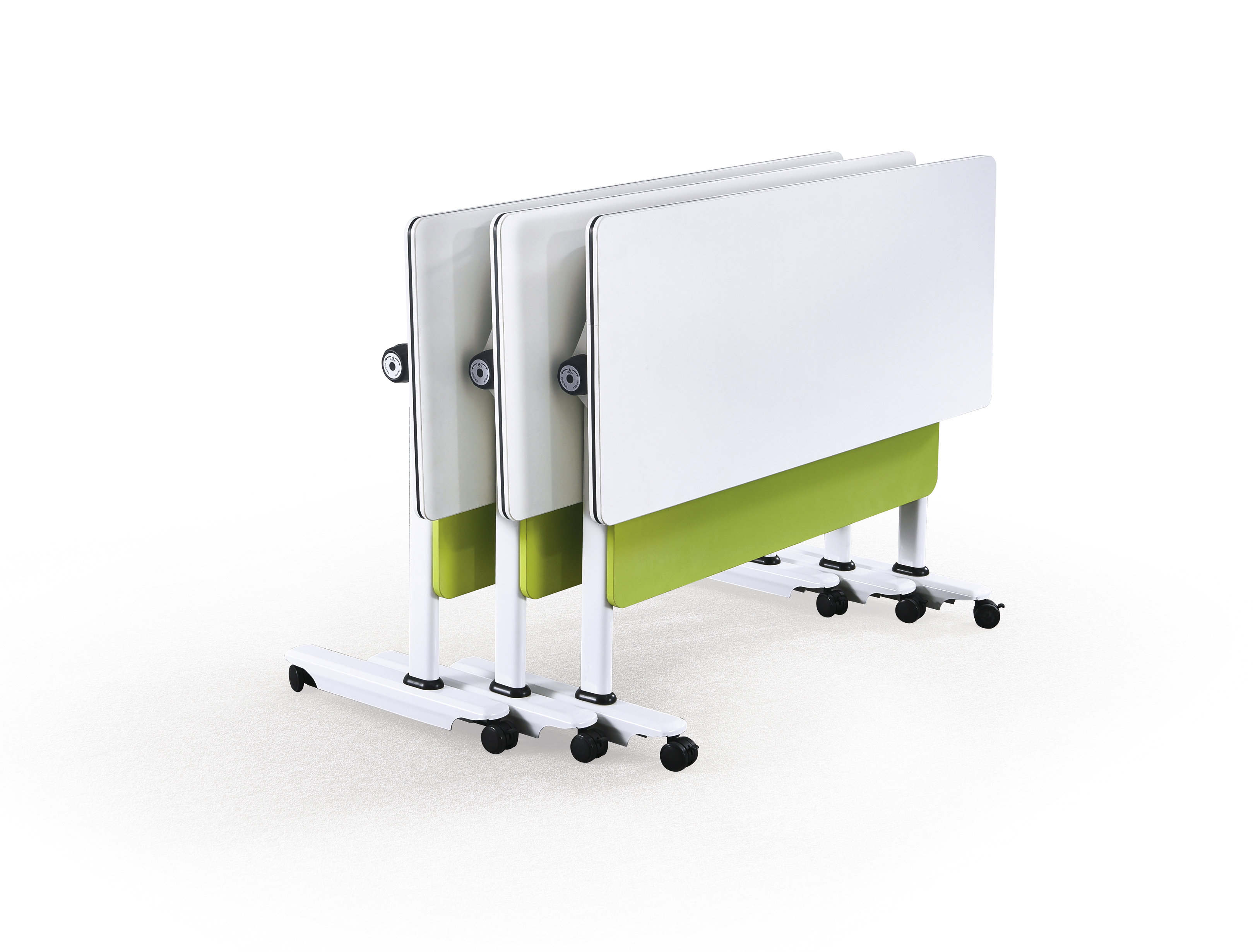
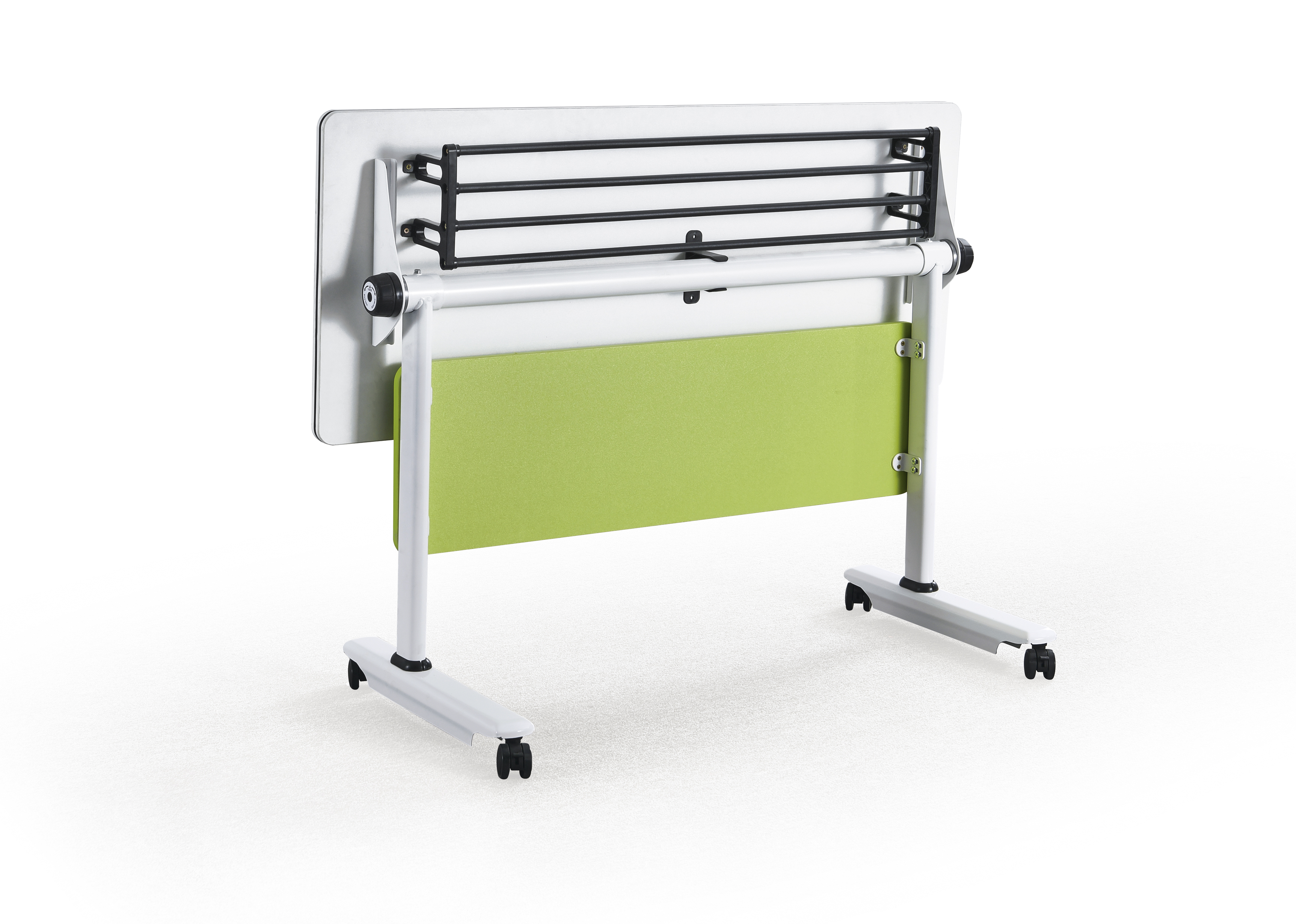
Material: Tables can be made from various materials, including wood, metal, and high-pressure laminates. Each material has distinct advantages; for example, laminate surfaces are often easier to clean and resist scratches, while solid wood may offer a more premium look. Weight Capacity: Ensure the table can support the intended load, including the weight of materials used during meetings and the number of people seated. Most foldable tables have specified weight limits that should be adhered to for safety. Dimensions: Consider the table's length, width, and height. Standard heights typically range from 28 to 30 inches, but adjustable-height tables are also available for versatility. Folding Mechanism: Look for tables with robust, user-friendly folding mechanisms that allow for quick setup and takedown. The quality of hinges and locking mechanisms is crucial for safety and ease of use.
Quality and Cost Factors

Quality and Cost Factors

Quality and cost often go hand-in-hand, but it’s essential to recognize that a lower price does not always equate to a better deal. Factors influencing cost include:

Manufacturing Processes: Tables produced using advanced techniques, such as precision CNC cutting and durable finishes, may have higher upfront costs but offer better longevity and reduced maintenance. Brand Reputation: Established manufacturers like DESTON FURNITURE often provide warranties and quality assurances that can justify higher prices. Researching supplier reviews and testimonials can help gauge reliability. Customization Options: Customization can increase costs but also enhance functionality and aesthetics. Assess whether specific design features will benefit your operational needs, as they might warrant the additional expense. Volume Discounts: If purchasing multiple tables, inquire about bulk pricing or discounts, as many suppliers offer incentives for larger orders.
Common Installation Problems with Foldable Meeting Tables and Solutions

Common Installation Problems with Foldable Meeting Tables and Solutions

While foldable meeting tables are designed for ease of use, installation can present challenges if not properly addressed. Common issues include:

Misalignment of Hinges: Occasionally, the hinges may not align correctly, causing functionality issues. Ensure that the table is assembled according to the manufacturer's instructions and that all components are secure. Surface Stability: If a table wobbles, check that all legs are correctly extended and locked into place. Some tables come with adjustable feet to stabilize them on uneven floors. Wear and Tear: Regular use can lead to wear, particularly on folding mechanisms. It’s advisable to inspect these components periodically and perform maintenance as needed, such as lubricating hinges to ensure smooth operation. To mitigate these issues, always follow the manufacturer's installation guides and conduct routine checks on the tables’ condition.

Evaluating Material Advantages in Foldable Meeting Table Designs

The choice of materials plays a significant role in the performance and longevity of foldable meeting tables. Here are some common materials and their advantages:

Melamine: This material is popular for its durability and ease of maintenance. It resists scratches and stains, making it suitable for high-use environments. Steel Frames: Tables with steel frames provide excellent structural integrity and load-bearing capabilities. Steel is often powder-coated to prevent rust and corrosion, enhancing longevity. Wood Veneer: While more aesthetically pleasing, wood veneer tables require more maintenance to keep their appearance. They may be more suitable for environments where visual appeal is a priority. Plastic: Lightweight and often the most affordable option, plastic tables are easy to transport. However, they may lack the sturdiness required for heavier use. When selecting materials, consider factors such as the expected wear, maintenance requirements, and the overall look you want to achieve for your meeting spaces. Additionally, for more comfortable seating options, consider pairing your tables with Stackable Chairs or Bar Stools.

Choosing the right foldable meeting table involves understanding your specific needs, evaluating material and quality specifications, and being aware of common installation and maintenance challenges. By focusing on these aspects, you can ensure your organization invests in tables that enhance collaboration while providing lasting value.

How to Choose the Right Foldable Meeting Table for Your Needs

When selecting a foldable meeting table, start by evaluating your specific requirements. Consider factors such as the intended use, space availability, and the number of users. For instance, if the table will be frequently moved and set up for different meetings, lightweight options with easy folding mechanisms are ideal. Additionally, assess the height and surface area you need based on the type of activities planned—whether for brainstorming sessions, training, or formal meetings. If you need options for more casual settings, consider incorporating Dining Tables for versatile use.

Another critical aspect is the design and appearance of the table. Depending on your organization's branding or interior design, you may want tables that complement your existing furniture. Customization options, such as color, finish, and even size adjustments, can often be discussed with suppliers to meet your aesthetic and functional needs.

Get a Free Quote

Our representative will contact you soon.
Name
Email
Company Name
Telephone
Message
0/1000
Attachment
Please upload at least an attachment
Up to 3 files, each no larger than 30MB. Supported formats: jpg, jpeg, png, pdf, doc, docx, xls, xlsx, csv, txt, stp, step, igs, x_t, dxf, prt, sldprt, sat, rar, zip.

Related product categories

Choosing the Right Foldable Meeting Table

Get a Free Quote

Our representative will contact you soon.
Name
Email
Company Name
Telephone
Message
0/1000
Attachment
Please upload at least an attachment
Up to 3 files, each no larger than 30MB. Supported formats: jpg, jpeg, png, pdf, doc, docx, xls, xlsx, csv, txt, stp, step, igs, x_t, dxf, prt, sldprt, sat, rar, zip.