EN

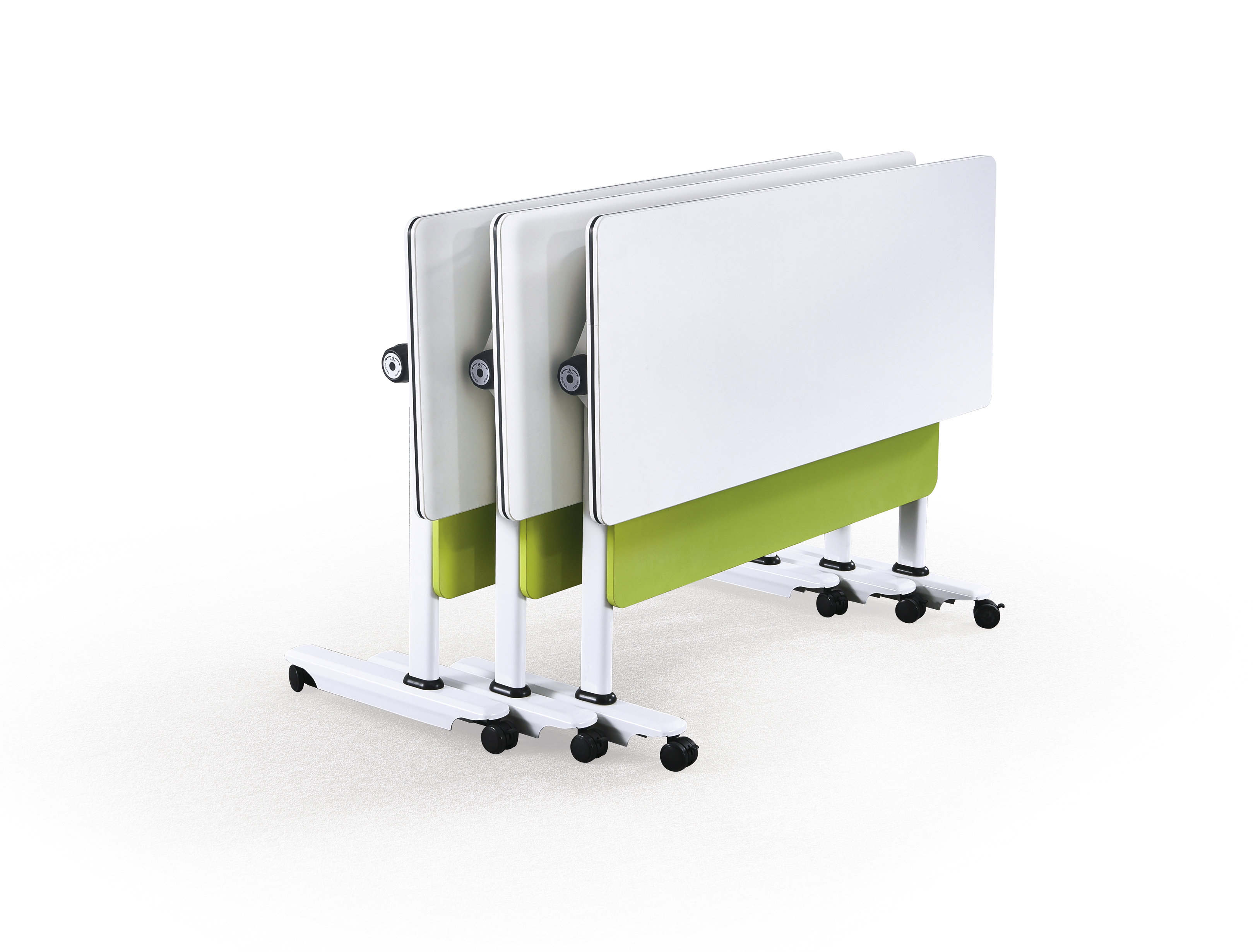
Foldable meeting tables are essential furniture solutions for various commercial environments, offering flexibility and convenience for collaborative spaces. These tables are designed to be easily stored and transported, making them ideal for offices, schools, and even hospitals where space efficiency is crucial. As a procurement manager or purchasing agent, understanding the key features and specifications of foldable meeting tables will help you make informed decisions that align with your organization's needs. This article will guide you through the critical considerations for selecting the right foldable meeting table, ensuring that your investment meets both quality and functional requirements.
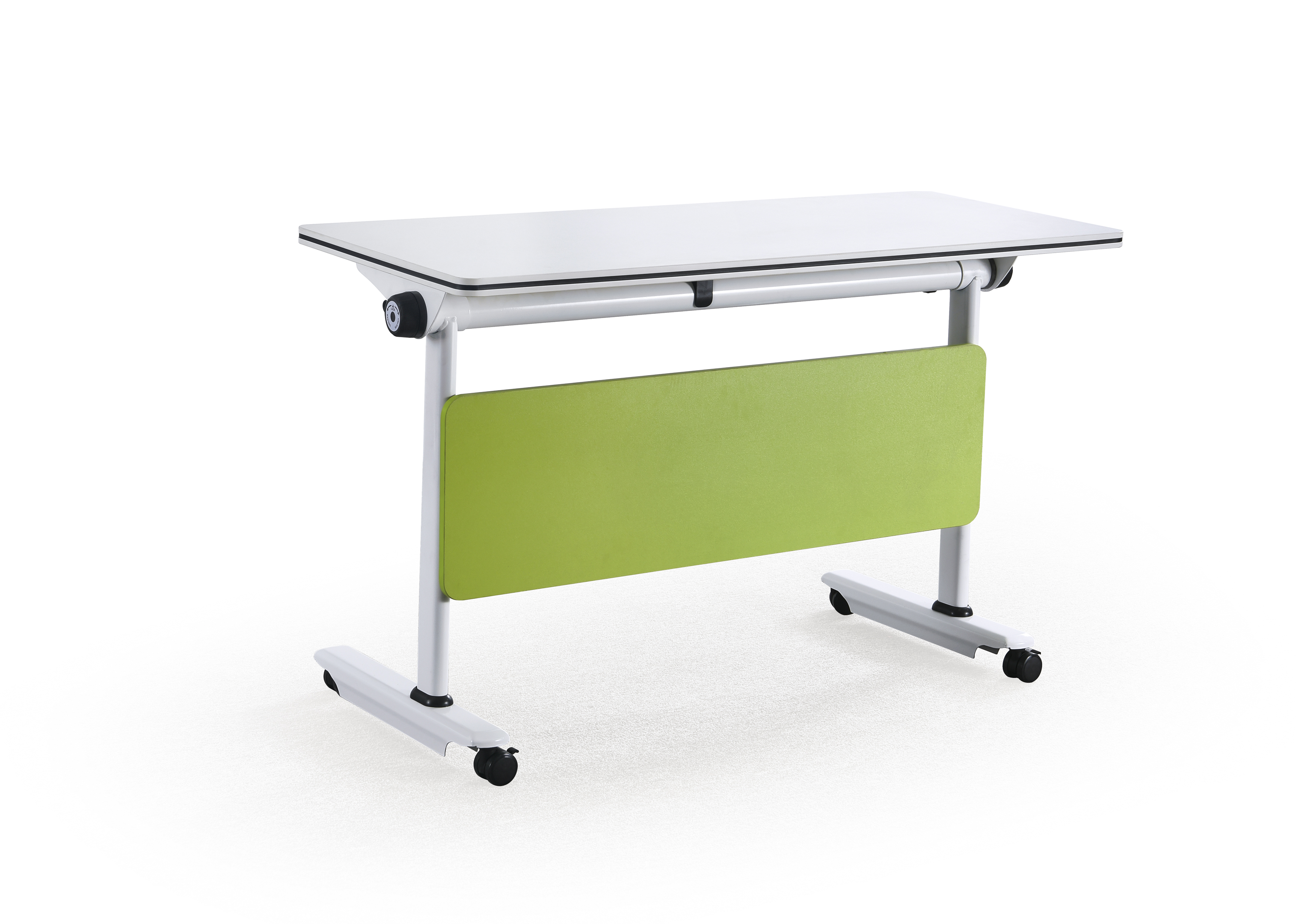
Specifications to Consider for Durable Foldable Meeting Tables
Durability is paramount when choosing foldable meeting tables, particularly in high-traffic environments. Key specifications to evaluate include:
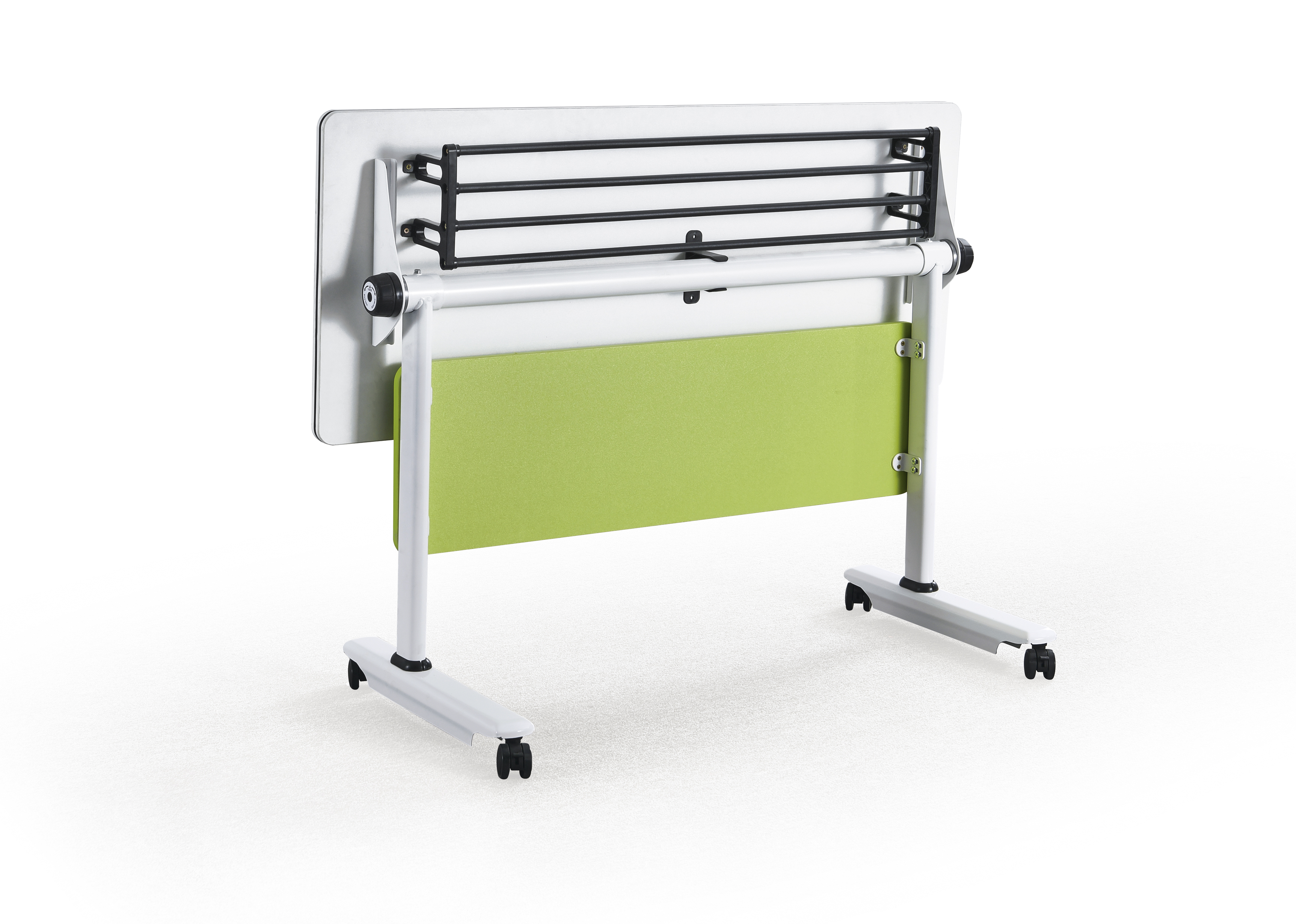
Material: Tables can be made from various materials, including wood, metal, and high-pressure laminates. Each material has distinct advantages; for example, laminate surfaces are often easier to clean and resist scratches, while solid wood may offer a more premium look. Weight Capacity: Ensure the table can support the intended load, including the weight of materials used during meetings and the number of people seated. Most foldable tables have specified weight limits that should be adhered to for safety. Dimensions: Consider the table's length, width, and height. Standard heights typically range from 28 to 30 inches, but adjustable-height tables are also available for versatility. Folding Mechanism: Look for tables with robust, user-friendly folding mechanisms that allow for quick setup and takedown. The quality of hinges and locking mechanisms is crucial for safety and ease of use.