EN

Choosing the right meeting room table and chairs is essential for creating an effective workspace that fosters collaboration and productivity. In the B2B sector, purchasing managers and facility planners often face challenges in selecting durable, cost-effective furniture that meets diverse needs. This article will guide you through important considerations when choosing meeting room tables and chairs, evaluating their quality, understanding cost factors, installation guidance, and common issues along with their solutions.
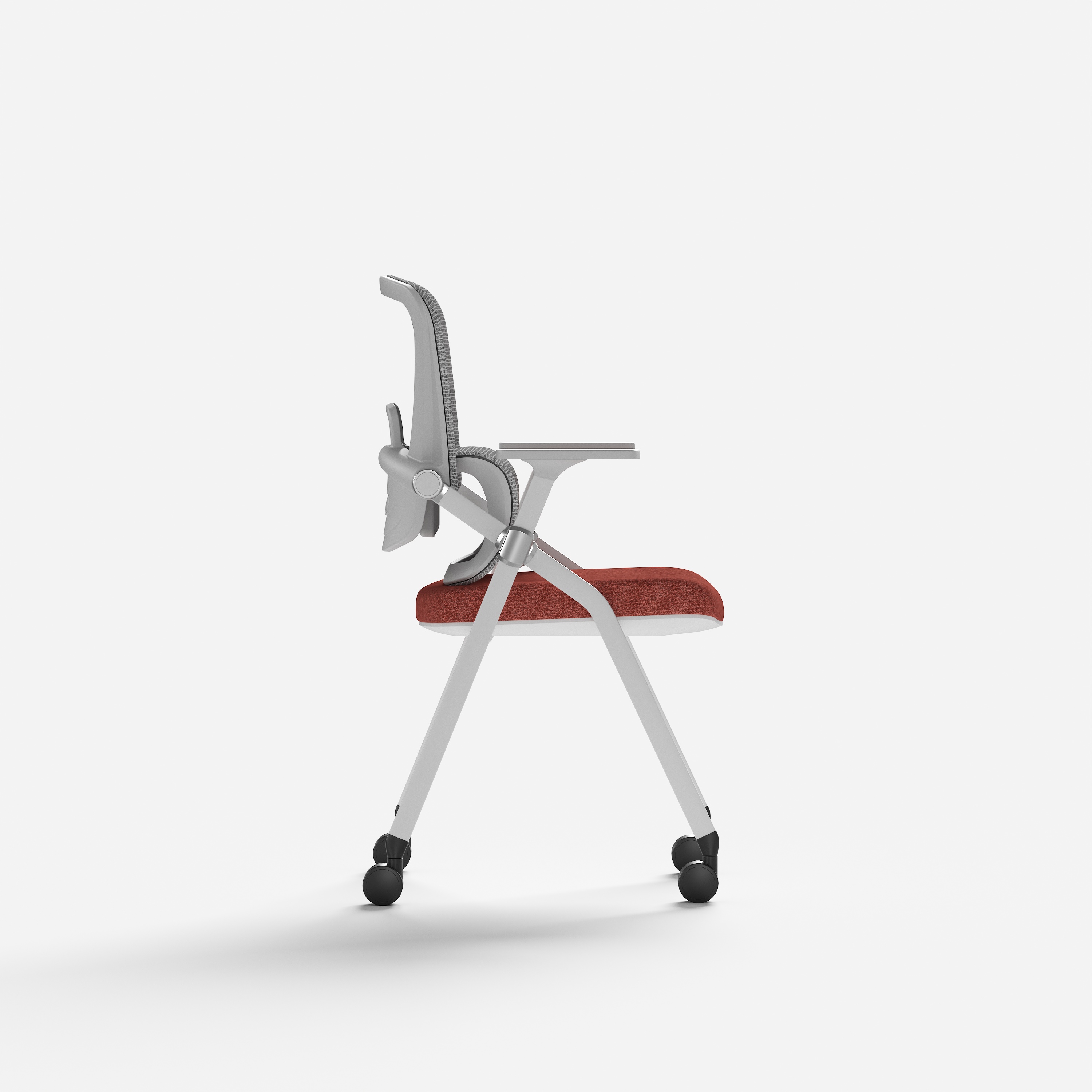
How to Evaluate the Quality of Meeting Room Tables and Chairs
Quality assessment is imperative to ensure that your investment lasts over time. Here are key factors to evaluate:
Construction: Assess the construction quality of the furniture. Joints should be sturdy, and tables should have a solid base. Avoid products with flimsy components that may not withstand regular use.
Finishes: Examine the finish on both the table and chairs. Durable finishes can resist scratches, stains, and fading, which helps maintain a professional appearance over time.
Weight Capacity: Verify the weight capacity of chairs and tables to ensure they can accommodate users and equipment without risk of damage. This is especially important in environments where heavy equipment or multiple devices might be used.
Certifications: Look for furniture that meets industry standards for safety and durability. Certifications can indicate adherence to quality benchmarks, ensuring that the products are reliable and safe for use.
Warranty: Consider the warranty offered. A longer warranty period can indicate the manufacturer's confidence in their products and provide peace of mind regarding future issues.