
Choosing Meeting Room Tables and Chairs for B2B

All Categories

meeting room table and chairs

Choosing the right meeting room table and chairs is essential for creating an effective workspace that fosters collaboration and productivity. In the B2B sector, purchasing managers and facility planners often face challenges in selecting durable, cost-effective furniture that meets diverse needs. This article will guide you through important considerations when choosing meeting room tables and chairs, evaluating their quality, understanding cost factors, installation guidance, and common issues along with their solutions.
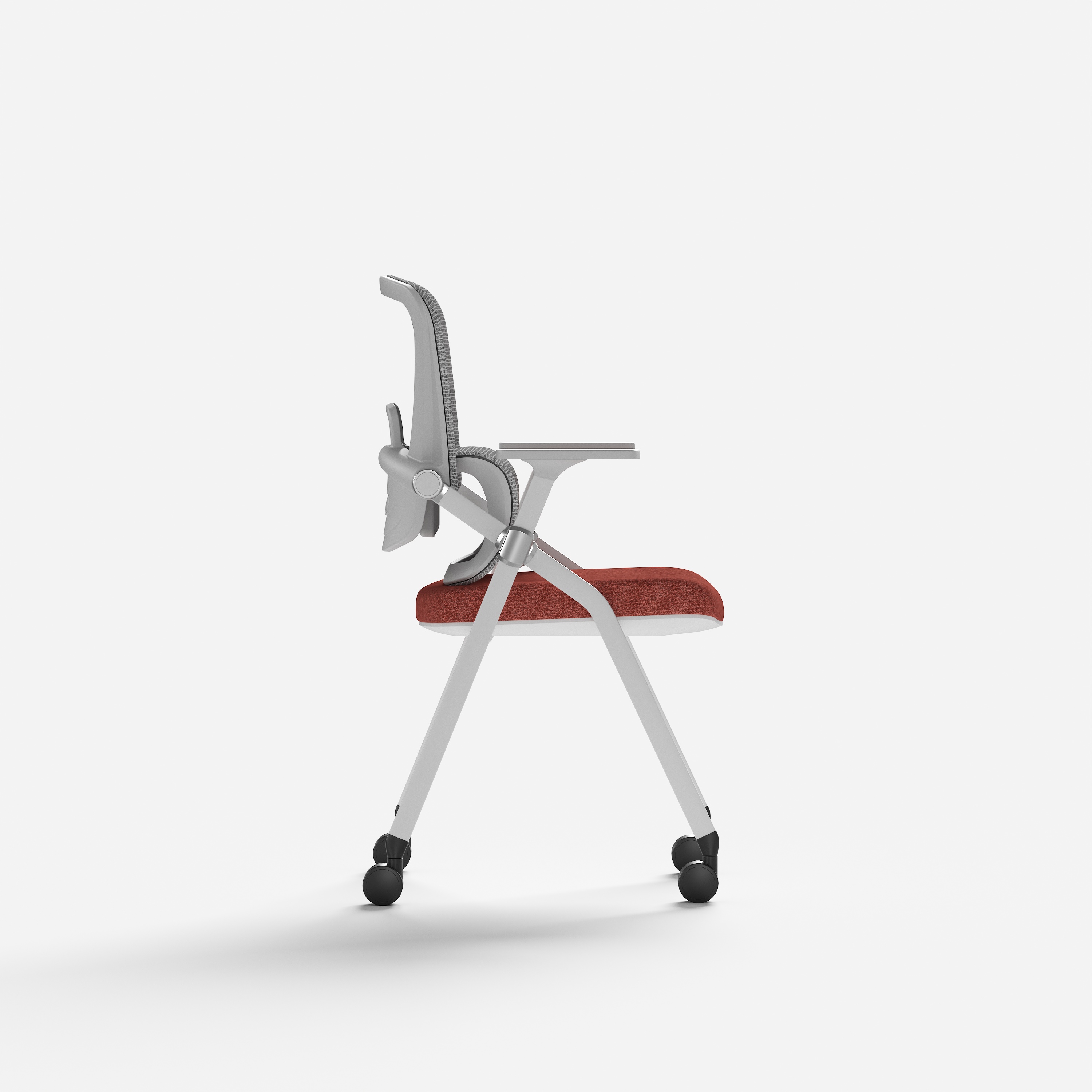
How to Evaluate the Quality of Meeting Room Tables and Chairs

How to Evaluate the Quality of Meeting Room Tables and Chairs

Quality assessment is imperative to ensure that your investment lasts over time. Here are key factors to evaluate:

Construction: Assess the construction quality of the furniture. Joints should be sturdy, and tables should have a solid base. Avoid products with flimsy components that may not withstand regular use.

Finishes: Examine the finish on both the table and chairs. Durable finishes can resist scratches, stains, and fading, which helps maintain a professional appearance over time.

Weight Capacity: Verify the weight capacity of chairs and tables to ensure they can accommodate users and equipment without risk of damage. This is especially important in environments where heavy equipment or multiple devices might be used.

Certifications: Look for furniture that meets industry standards for safety and durability. Certifications can indicate adherence to quality benchmarks, ensuring that the products are reliable and safe for use.

Warranty: Consider the warranty offered. A longer warranty period can indicate the manufacturer's confidence in their products and provide peace of mind regarding future issues.
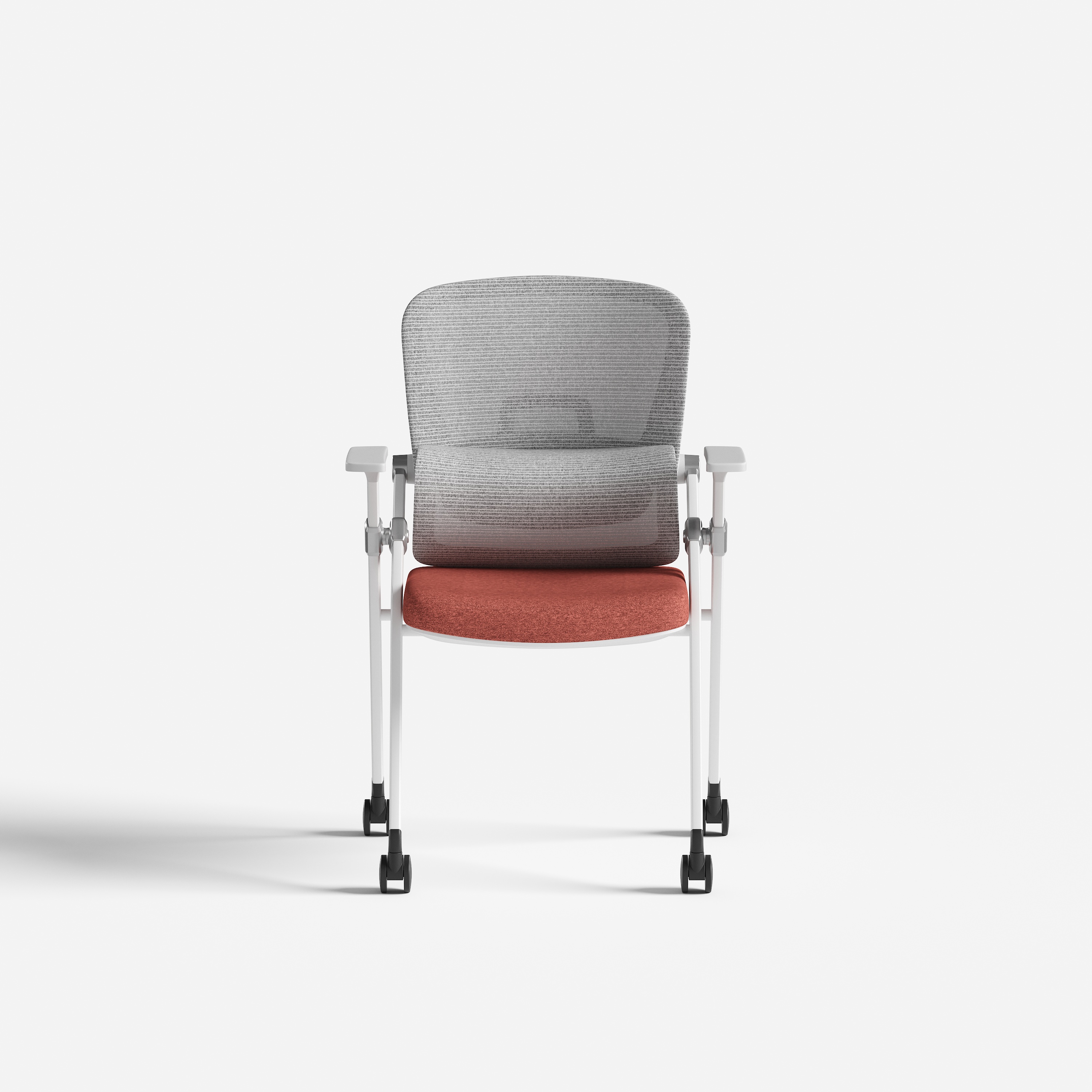
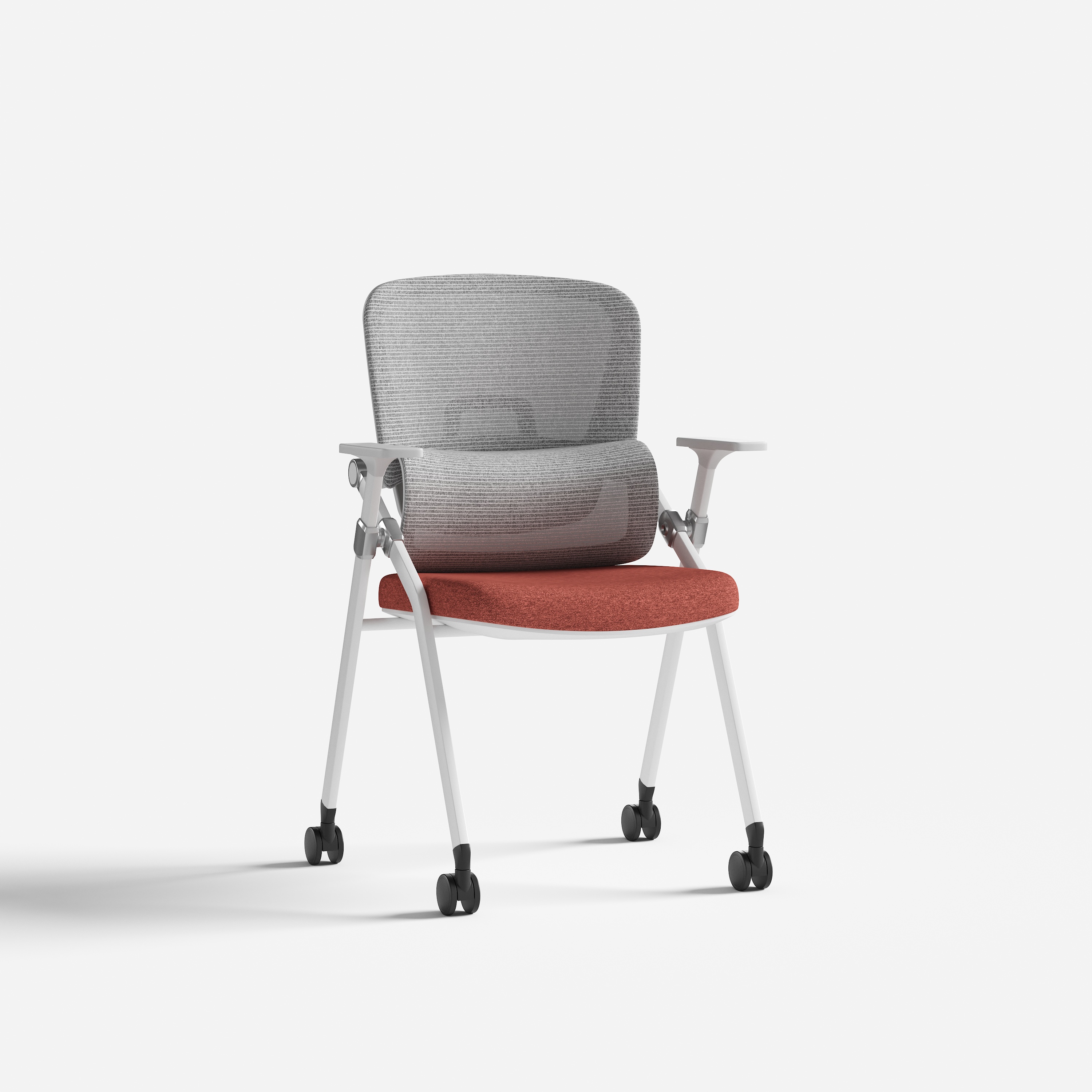
Cost Factors to Consider When Purchasing Meeting Room Furniture

Cost Factors to Consider When Purchasing Meeting Room Furniture

Budgeting for meeting room furniture involves understanding various cost factors:

Material Costs: Different materials come with varying price points. While high-quality wood might be more expensive upfront, it could offer better durability and a longer lifespan, thus reducing replacement costs.

Customization: Customized furniture can meet specific needs but often comes with a higher price tag. Determine if customization is necessary for your application or if standard options will suffice.

Bulk Orders: Many manufacturers, including DESTON FURNITURE, offer discounts on bulk orders. This can significantly lower the overall cost. Be sure to inquire about minimum order quantities (MOQ) and pricing structures.

Delivery and Installation: Factor in shipping and installation costs. Some suppliers may include these services, while others may charge separately. Understanding these additional costs can prevent budget overruns.

Long-term Investment: Consider the total cost of ownership, which takes into account the purchase price, maintenance, and potential replacement costs over time. Investing in quality furniture may involve a higher upfront cost but could save money in the long run.

Installation Guidance for Meeting Room Tables and Chairs

Installation Guidance for Meeting Room Tables and Chairs

Proper installation is crucial for ensuring the longevity and functionality of your meeting room furniture. Here are steps to follow:

Pre-Installation Planning: Before installation, measure the space accurately. Create a layout plan that outlines where each piece will go, ensuring that pathways and exits are clear.

Assembly Instructions: Follow the manufacturer’s assembly instructions closely. If the furniture comes with pre-assembled components, ensure that all parts are included and check for any damage during delivery.

Leveling: Ensure that tables are level to avoid wobbling, which can be distracting during meetings. Adjustable feet or shims can help achieve stability on uneven flooring.

Final Inspection: After installation, conduct a final inspection to confirm that all pieces are secure and functioning correctly. Check for any signs of damage and rectify them before use.

User Feedback: Once the furniture is in use, gather feedback from users regarding comfort and functionality. This information can inform future purchases or adjustments.

Common Problems with Meeting Room Furniture and Their Solutions

Despite careful selection and installation, some common issues may arise with meeting room furniture. Here are solutions to address them:

Wear and Tear: Over time, chairs may show signs of wear, such as fabric fraying or cushioning flattening. Regular maintenance, including cleaning and occasional reupholstering, can prolong the lifespan of your furniture.

Noise Issues: Chairs that scrape on the floor can create noise distractions. Consider using felt pads on chair legs or selecting chairs designed for quiet movement.

Space Constraints: In tight spaces, furniture arrangement can become cumbersome. Modular or folding tables can provide flexibility, allowing for easier reconfiguration based on the meeting type. Options like a Foldable Table may help in such scenarios.

Aesthetic Mismatches: If the furniture does not align with office decor, it can impact the overall atmosphere. If mismatches occur, consider accent pieces or reupholstery options to unify the design.

Safety Hazards: Ensure that all furniture is stable and poses no risks, such as tipping over. Regular inspections can help identify and mitigate potential hazards before they become problematic.

By understanding these aspects of meeting room tables and chairs, B2B buyers can make informed decisions that enhance their workspace. Quality, functionality, and aesthetics are critical to creating a productive environment, and thorough evaluation during the purchasing process will lead to effective long-term investments.

What to Consider When Choosing Meeting Room Tables and Chairs

When selecting meeting room tables and chairs, several factors should be considered to ensure the furniture meets the functional requirements of your space.

Size and Capacity: Assess the dimensions of your meeting room to determine the appropriate table size and the number of chairs. It is crucial to allow enough space for movement while ensuring that attendees are comfortably seated.

Material Selection: Tables and chairs can be made from various materials, including solid wood, laminate, metal, and plastic. Consider the durability and maintenance of each material. For instance, laminate surfaces are stain-resistant and easy to clean, making them suitable for high-traffic areas, while solid wood offers a more traditional aesthetic.

Style and Design: The aesthetic of the furniture should complement the overall design of the office. This can impact workplace morale and brand perception. Modern designs with clean lines might be appropriate for a tech company, while traditional styles may suit a law firm.

Functionality: Think about the intended use of the meeting room. Will it host formal meetings, collaborative brainstorming sessions, or training workshops? Multi-functional tables that can be rearranged or extendable options may provide flexibility. Consider options like a Dining Table or a Foldable Table for versatile usage.

Ergonomics: Ergonomically designed chairs promote comfort and reduce fatigue, which is vital during long meetings. Look for features like adjustable height, lumbar support, and armrests.

Get a Free Quote

Our representative will contact you soon.
Name
Email
Company Name
Telephone
Message
0/1000
Attachment
Please upload at least an attachment
Up to 3 files, each no larger than 30MB. Supported formats: jpg, jpeg, png, pdf, doc, docx, xls, xlsx, csv, txt, stp, step, igs, x_t, dxf, prt, sldprt, sat, rar, zip.

Related product categories

Choosing Meeting Room Tables and Chairs for B2B

Get a Free Quote

Our representative will contact you soon.
Name
Email
Company Name
Telephone
Message
0/1000
Attachment
Please upload at least an attachment
Up to 3 files, each no larger than 30MB. Supported formats: jpg, jpeg, png, pdf, doc, docx, xls, xlsx, csv, txt, stp, step, igs, x_t, dxf, prt, sldprt, sat, rar, zip.