EN
Choosing the right ergonomic office chair is crucial for enhancing comfort, productivity, and overall well-being in any workspace. For B2B buyers—such as purchasing managers, office planners, and facility managers—understanding the key features of ergonomic chairs can significantly influence their decision-making process. This article will guide you through the essential aspects you need to consider when sourcing ergonomic office chairs, addressing your concerns about quality, materials, and manufacturing processes.
Key Specifications for High-Quality Ergonomic Office Chairs
When sourcing ergonomic office chairs, several specifications are critical to ensuring quality and functionality:
Seat Height and Depth: The chair should allow for height adjustment to accommodate users of different sizes. The depth should permit users to sit back comfortably while maintaining support for the thighs without pressure.
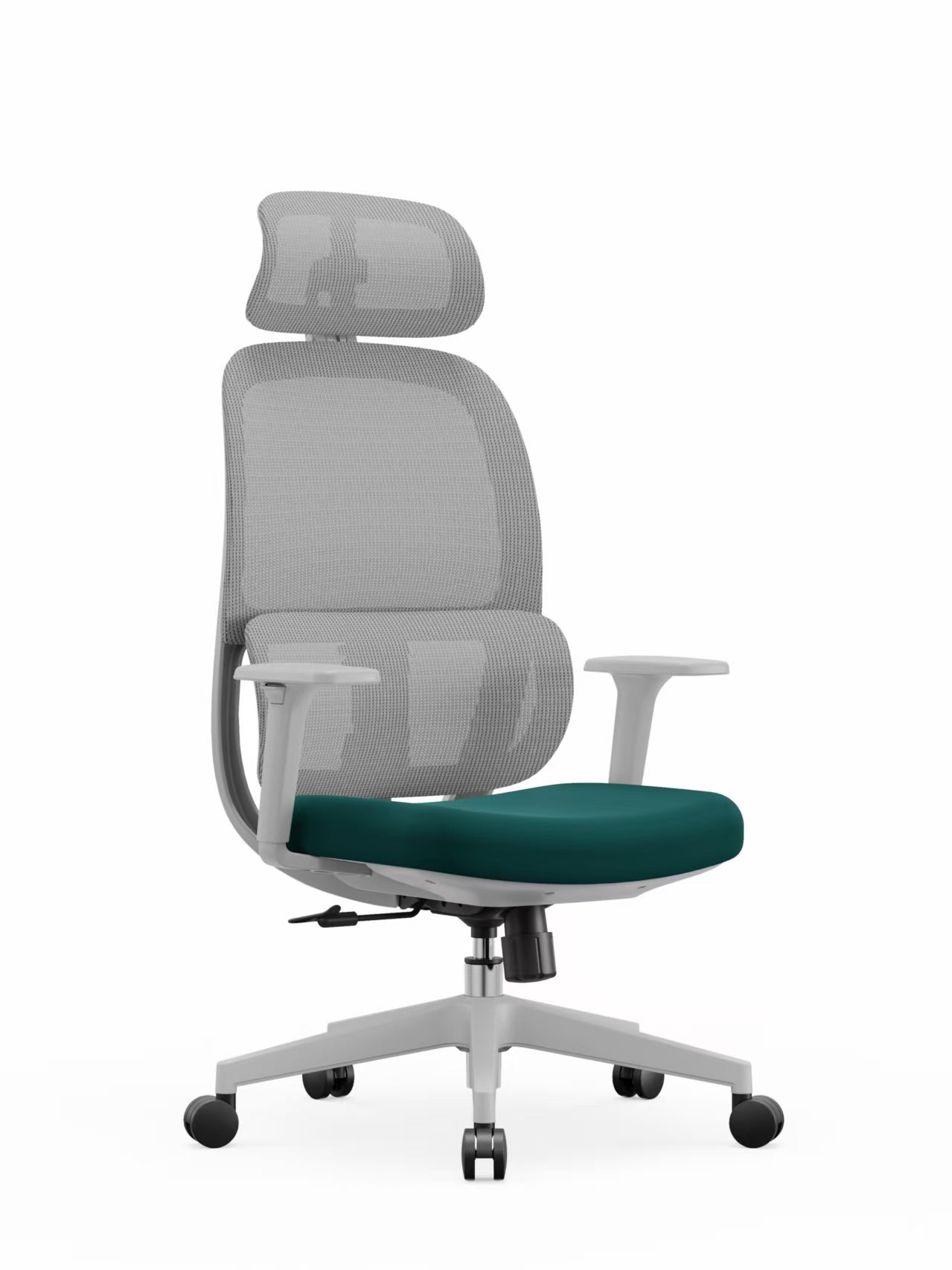
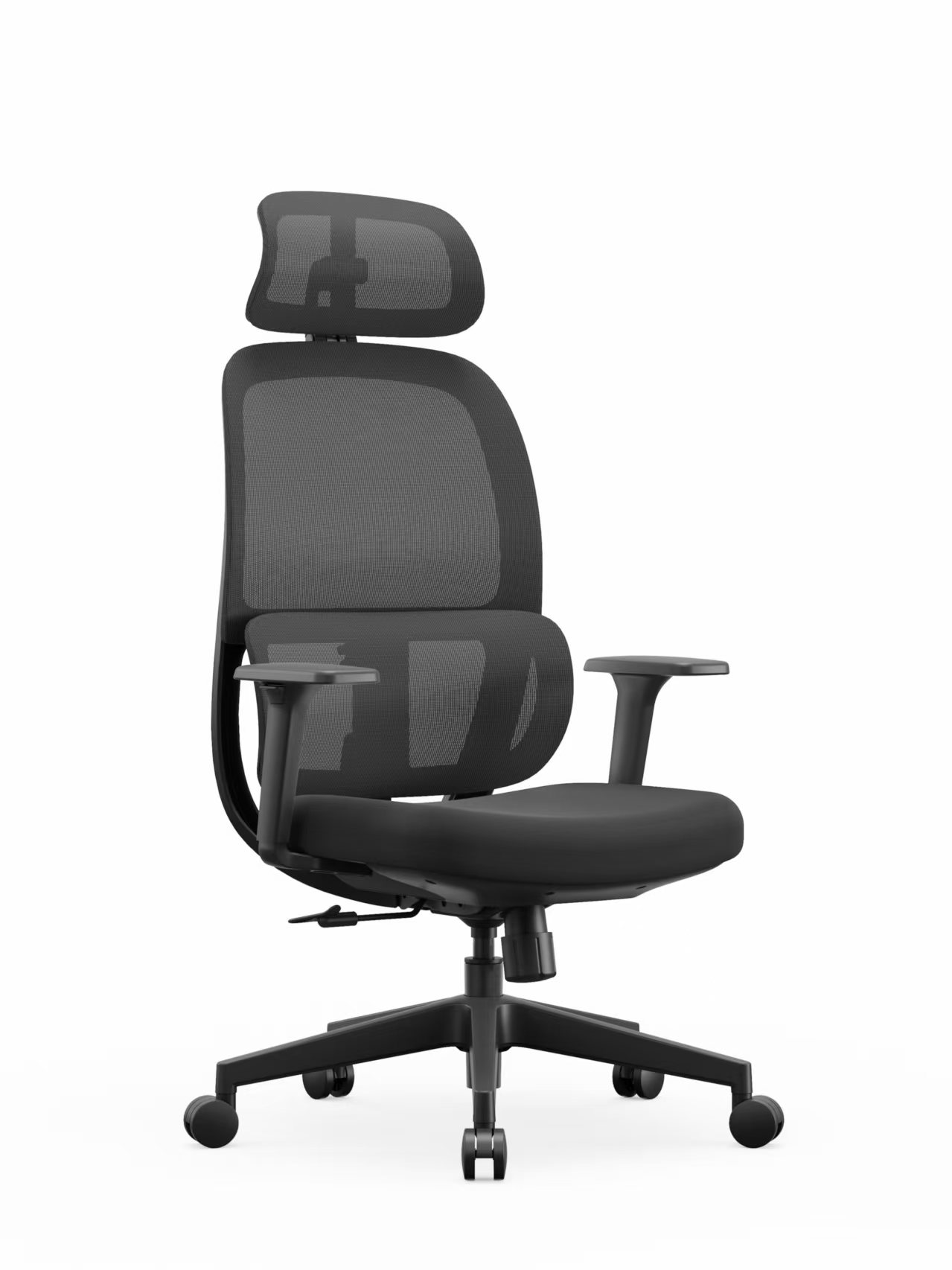
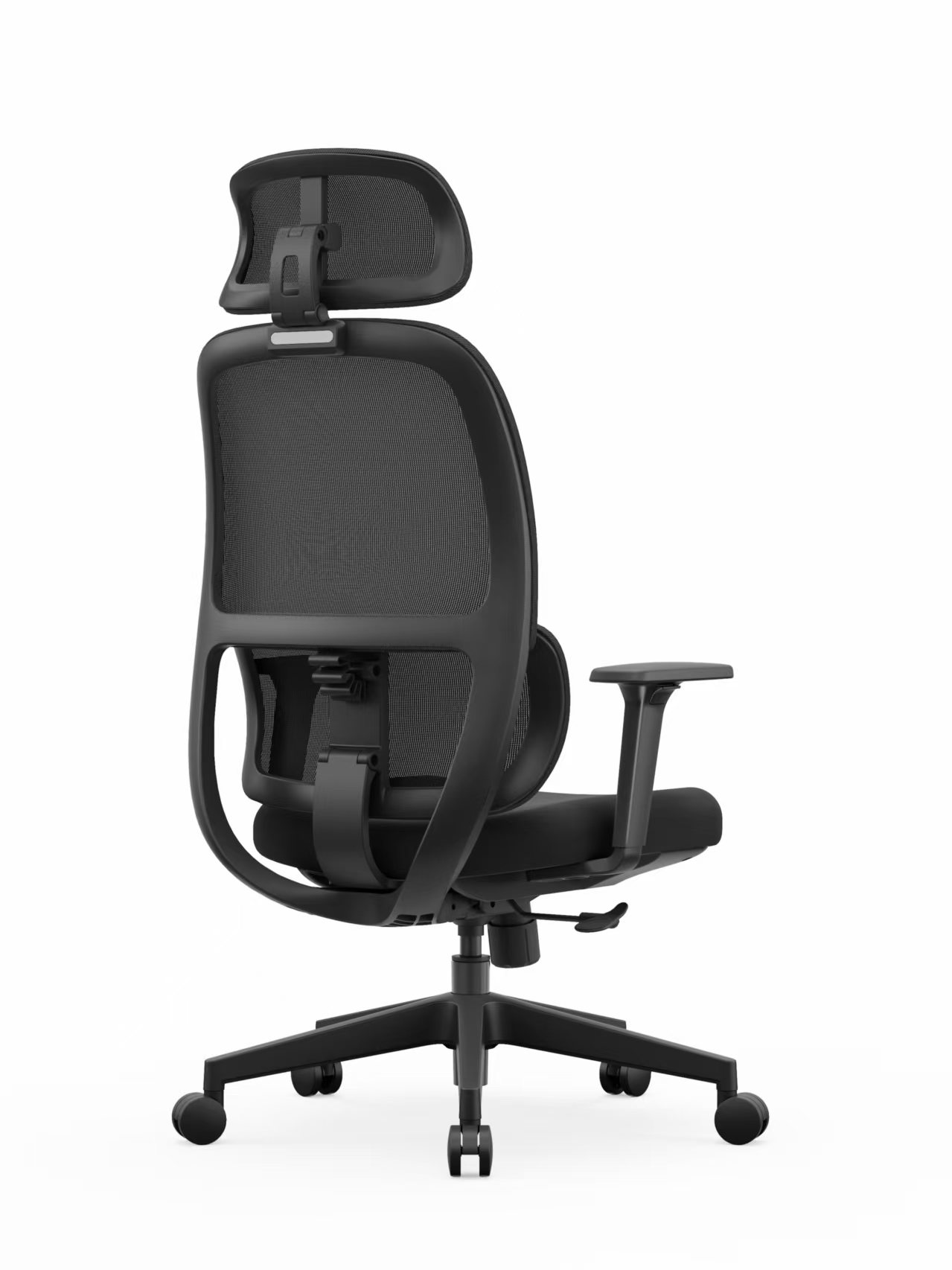
Lumbar Support: A chair with adjustable lumbar support is essential for promoting proper spinal alignment. Buyers should verify that the lumbar support can be customized to fit the natural curvature of the spine.
Material and Durability: Evaluate the materials used in both the chair frame and upholstery. High-quality materials such as durable plastics, metals, and breathable mesh are crucial for longevity and comfort. For example, the HL-670 Series Integrally Molded Fixed Backrest Training Chair is a great option to consider.
Weight Capacity: Make sure the chair meets the weight capacity requirements of your users. A robust chair not only enhances safety but also extends the product's lifespan.
Mobility Features: Consider casters and swivel capabilities, which can improve user mobility within the workspace. Ensure that the chair's wheels are suitable for the floor type to prevent damage and facilitate smooth movement.
By focusing on these specifications, buyers can ensure that the ergonomic chairs meet their operational requirements and provide lasting value.