
Essential Guide to Sourcing Ergonomic Office Chairs

All Categories

ergonomic office chair

Choosing the right ergonomic office chair is crucial for enhancing comfort, productivity, and overall well-being in any workspace. For B2B buyers—such as purchasing managers, office planners, and facility managers—understanding the key features of ergonomic chairs can significantly influence their decision-making process. This article will guide you through the essential aspects you need to consider when sourcing ergonomic office chairs, addressing your concerns about quality, materials, and manufacturing processes.
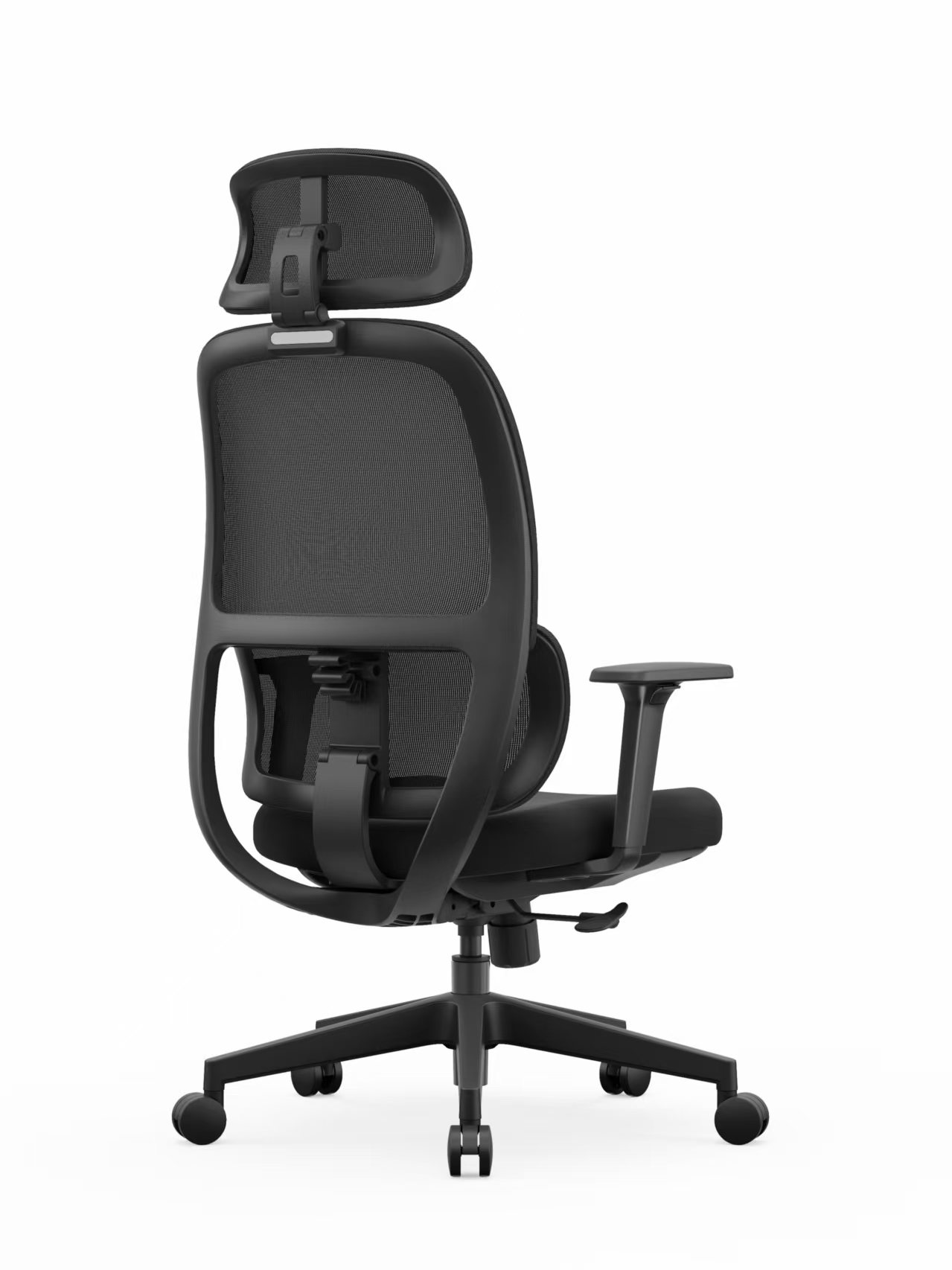
Key Specifications for High-Quality Ergonomic Office Chairs

Key Specifications for High-Quality Ergonomic Office Chairs

When sourcing ergonomic office chairs, several specifications are critical to ensuring quality and functionality:

Seat Height and Depth: The chair should allow for height adjustment to accommodate users of different sizes. The depth should permit users to sit back comfortably while maintaining support for the thighs without pressure.

Lumbar Support: A chair with adjustable lumbar support is essential for promoting proper spinal alignment. Buyers should verify that the lumbar support can be customized to fit the natural curvature of the spine.

Material and Durability: Evaluate the materials used in both the chair frame and upholstery. High-quality materials such as durable plastics, metals, and breathable mesh are crucial for longevity and comfort. For example, the HL-670 Series Integrally Molded Fixed Backrest Training Chair is a great option to consider.

Weight Capacity: Make sure the chair meets the weight capacity requirements of your users. A robust chair not only enhances safety but also extends the product's lifespan.

Mobility Features: Consider casters and swivel capabilities, which can improve user mobility within the workspace. Ensure that the chair's wheels are suitable for the floor type to prevent damage and facilitate smooth movement.

By focusing on these specifications, buyers can ensure that the ergonomic chairs meet their operational requirements and provide lasting value.
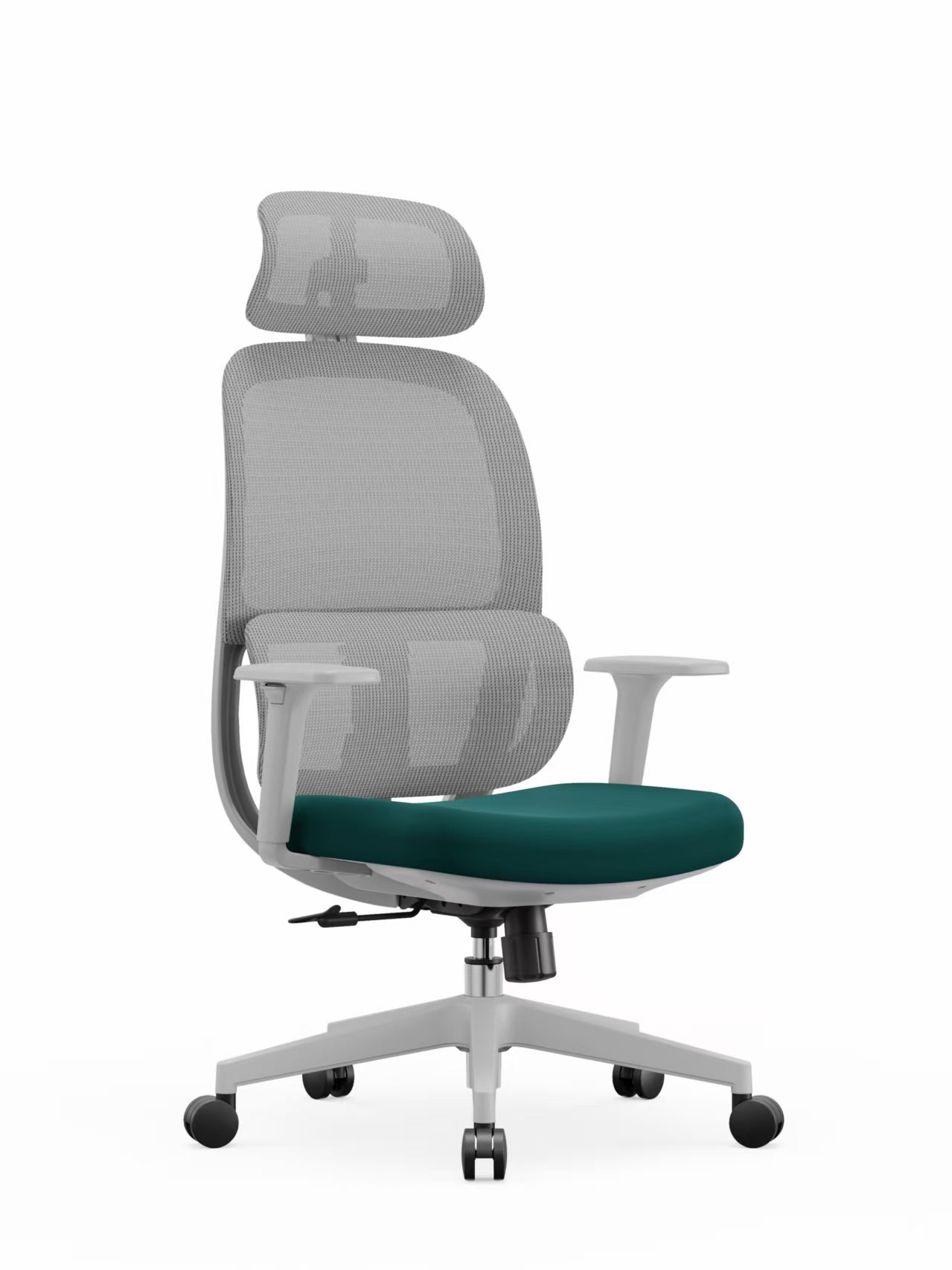
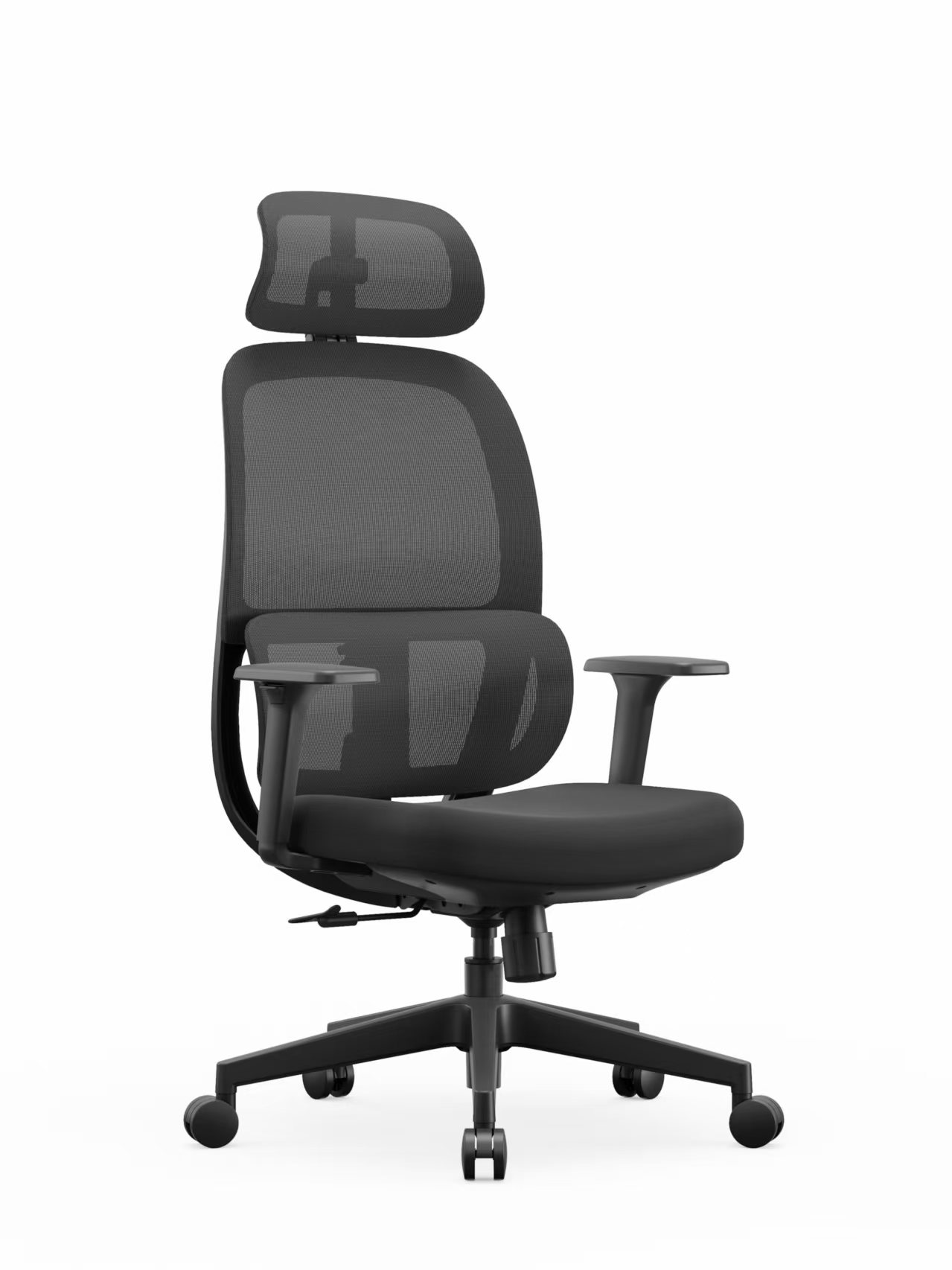
How to Evaluate the Reliability of Ergonomic Office Chair Suppliers

How to Evaluate the Reliability of Ergonomic Office Chair Suppliers

Quality control is a vital aspect of the manufacturing process for ergonomic office chairs. At DESTON FURNITURE, we implement stringent quality control measures to ensure that each chair meets established design and performance standards.

Raw Material Inspection: Before production begins, all raw materials undergo thorough inspections to confirm they meet quality specifications. This step is crucial to prevent defects that could arise from subpar materials.

In-Process Validation: Throughout the manufacturing process, regular checks are conducted to monitor adherence to design specifications and ergonomic standards. This includes evaluating dimensions, assembly methods, and functional tests.

Final Inspection: Once production is complete, each chair is subjected to a final quality assessment. This includes testing for durability, stability, and user comfort. Any chair that does not meet our criteria is reworked or discarded.

Compliance Testing: Depending on the target market, chairs may need to comply with specific industry standards or certifications. Buyers should verify that the manufacturer adheres to these regulatory requirements.

Understanding this quality control process can help buyers feel confident in their purchasing decisions, knowing that the chairs have been rigorously tested for safety and effectiveness.

Comparing Material Advantages in Ergonomic Office Chair Designs

Comparing Material Advantages in Ergonomic Office Chair Designs

The choice of materials used in ergonomic office chairs significantly impacts their performance, comfort, and overall user satisfaction. Here are some common materials and their advantages:

Mesh: Known for its breathability, mesh fabric allows for airflow, keeping users cool during prolonged periods of sitting. It also provides necessary support while conforming to the user’s body shape, making it a popular choice for dynamic work environments.

Leather: Leather chairs exude professionalism and can add a touch of luxury to an office setting. While they offer durability, they may require more maintenance to keep them looking pristine. Consider synthetic leather as a more cost-effective, easy-to-clean alternative.

Foam Padding: High-density foam padding can enhance comfort and support. Buyers should look for chairs with memory foam options that contour to the body, providing personalized comfort and alleviating pressure points.

Plastic and Metal Frames: The frame’s material affects the chair's weight capacity and stability. Metal frames are typically more robust and suitable for heavier use, while plastic frames may be lighter and easier to move.

By comparing these material advantages, buyers can select chairs that align with their functional and aesthetic needs.

Applications of Ergonomic Office Chairs in Various Work Environments

While ergonomic office chairs are designed to enhance comfort and productivity, buyers should be aware of common issues that may arise and how to address them:

Adjustability Issues: One of the most prevalent problems is the lack of proper adjustability, which can lead to discomfort. Buyers should ensure that the chair has multiple adjustment options, including seat height, armrests, and lumbar support.

Durability Concerns: Chairs can wear down quickly if made from inferior materials. To avoid this, prioritize chairs that come with warranties and are made from verified durable materials.

Mobility Challenges: If chairs are difficult to move or do not glide smoothly on the floor, this can hinder productivity. Ensure that the wheels are appropriate for your flooring type and that the chair's base is stable.

Insufficient Support: Chairs that do not provide adequate lumbar support can lead to back pain. When selecting chairs, prioritize models that allow for customizable lumbar support to fit individual user needs.

By understanding these common problems and their solutions, buyers can make informed decisions that promote a healthier and more productive work environment.

In summary, when sourcing ergonomic office chairs, it’s essential to consider user needs, evaluate key specifications, understand the quality control process, compare materials, and be aware of common issues. This comprehensive approach will help ensure that your investment leads to enhanced comfort and productivity in the workplace.

What to Consider When Sourcing Ergonomic Office Chairs Wholesale

Selecting the right ergonomic office chair begins with identifying the specific needs of your project. Consider factors such as the intended user demographic, the duration of use, and the workspace environment. For instance, if the chairs are for a collaborative office space, look for models that offer versatility and adjustability to accommodate varying user preferences.

Key features to consider include adjustable seat height, lumbar support, and armrest options. An ergonomic chair should enable users to maintain a neutral posture, reducing the risk of musculoskeletal disorders. Additionally, assess if the chair provides adequate cushioning and breathable materials, as these can enhance comfort during long working hours. Chairs such as the HL-651 Series Double-Back Lumbar Support Training Chair are designed to meet these needs.

Finally, it’s beneficial to involve end-users in the selection process. Gather feedback on comfort and usability from employees who will be using the chairs. This participatory approach not only ensures satisfaction but also helps in making informed purchasing decisions.

Get a Free Quote

Our representative will contact you soon.
Name
Email
Company Name
Telephone
Message
0/1000
Attachment
Please upload at least an attachment
Up to 3 files, each no larger than 30MB. Supported formats: jpg, jpeg, png, pdf, doc, docx, xls, xlsx, csv, txt, stp, step, igs, x_t, dxf, prt, sldprt, sat, rar, zip.

Related product categories

Essential Guide to Sourcing Ergonomic Office Chairs

Get a Free Quote

Our representative will contact you soon.
Name
Email
Company Name
Telephone
Message
0/1000
Attachment
Please upload at least an attachment
Up to 3 files, each no larger than 30MB. Supported formats: jpg, jpeg, png, pdf, doc, docx, xls, xlsx, csv, txt, stp, step, igs, x_t, dxf, prt, sldprt, sat, rar, zip.