EN

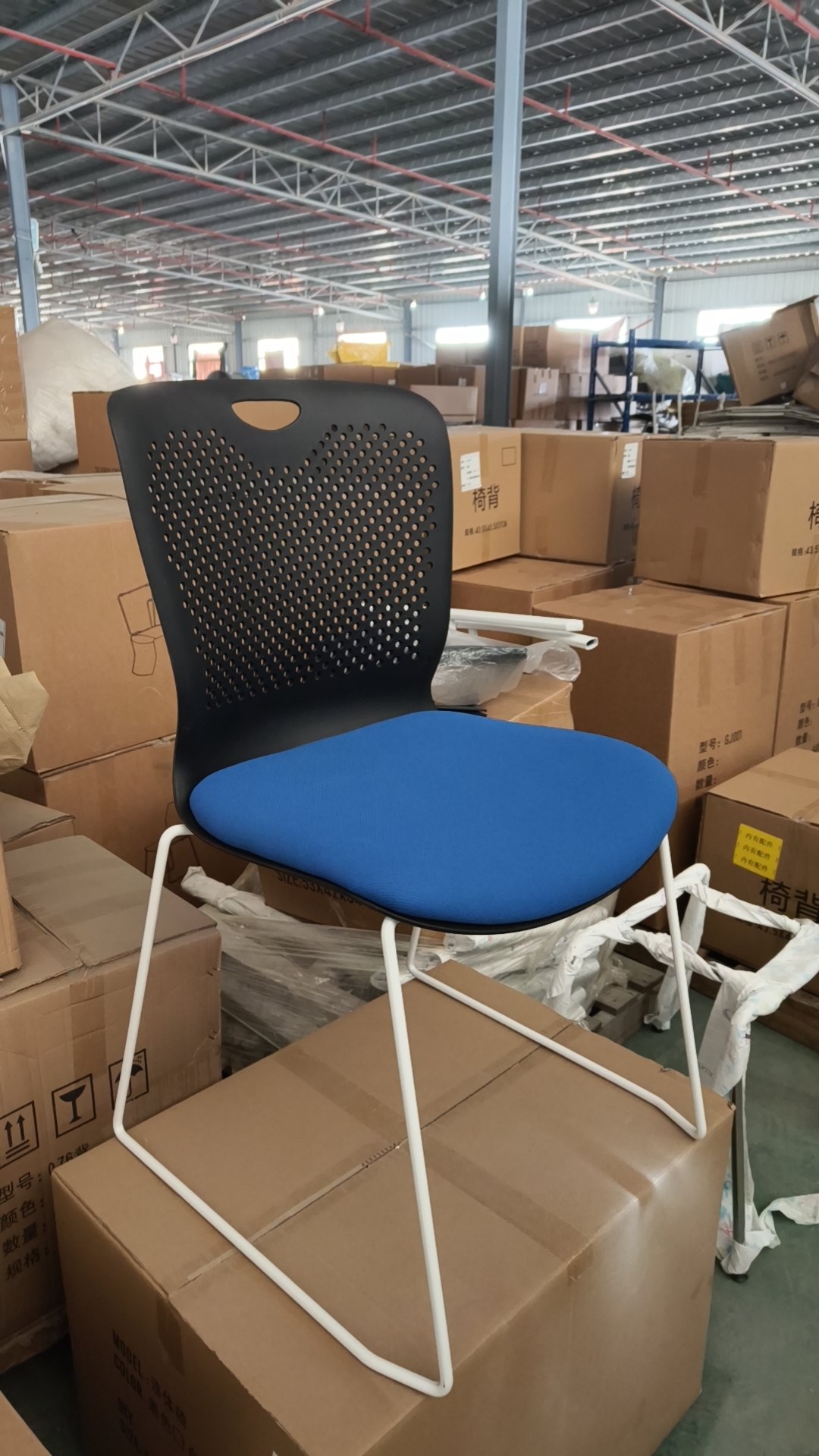
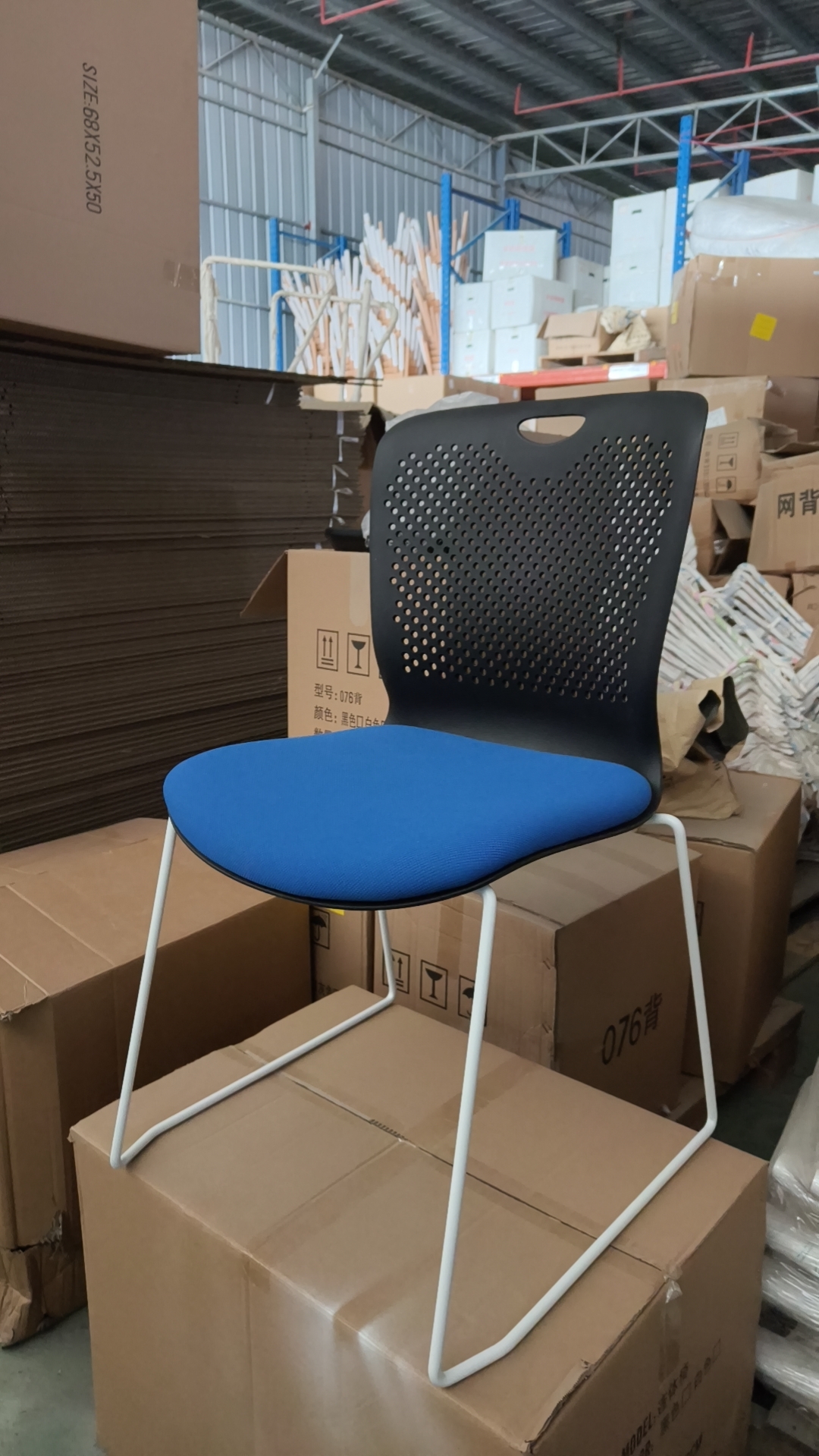
Waiting room seating plays a crucial role in creating a welcoming and comfortable environment for visitors in various commercial settings. For B2B buyers, selecting the right waiting room seating is essential to address concerns such as durability, aesthetics, and functionality. This article will provide insight into the factors to consider when choosing waiting room seating, compare different options available, offer installation guidance, discuss common issues and their solutions, and explore the applications of waiting room seating across various industries.
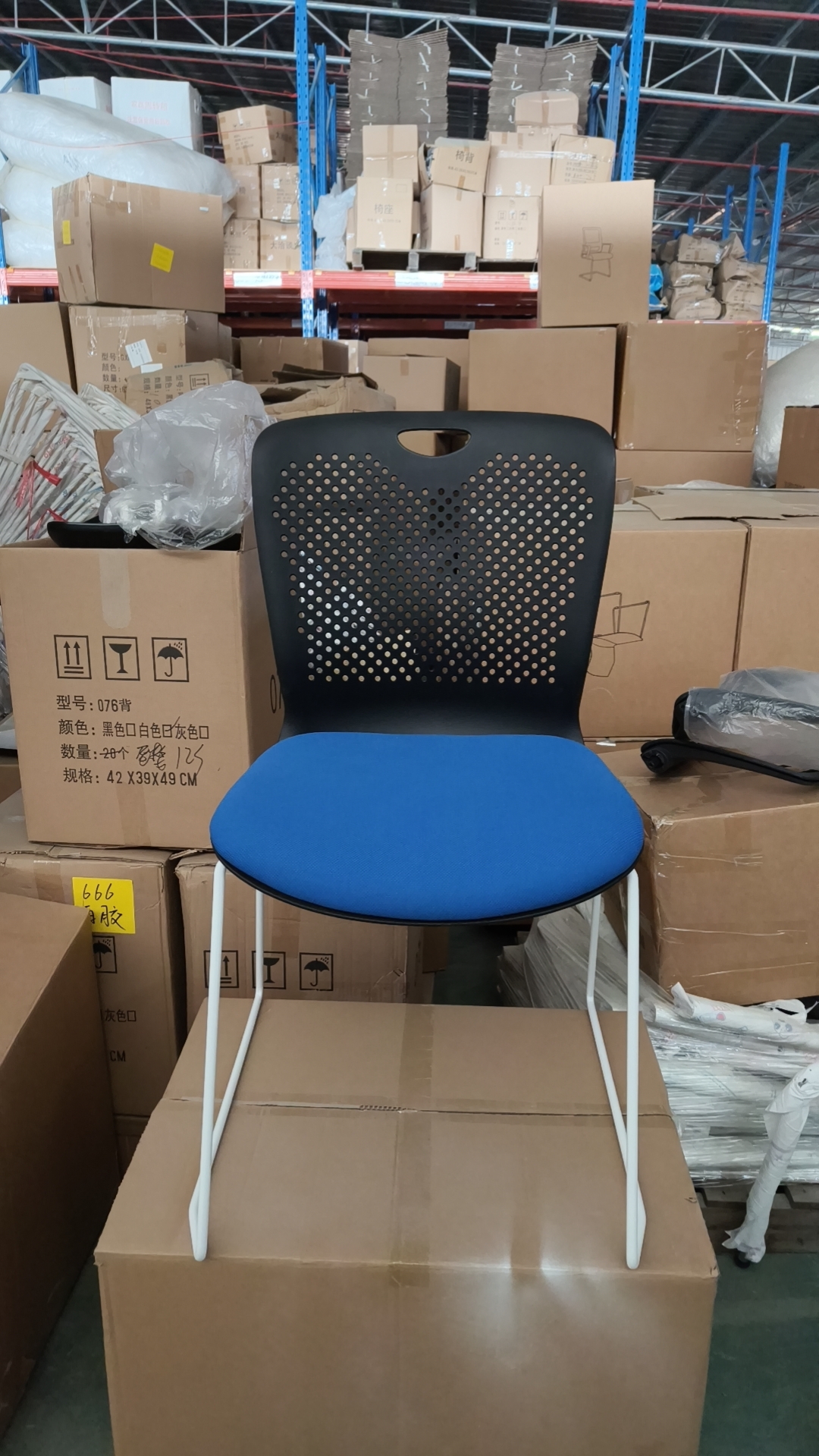
Comparing Waiting Room Seating Options for Your Project Needs
There are various types of waiting room seating available, each with unique features suitable for different applications. Traditional upholstered chairs offer comfort and style, making them ideal for corporate offices and upscale medical facilities. They provide a warm, inviting atmosphere that can help put visitors at ease. Additionally, a Dining Table can serve as a useful addition for areas where guests might be waiting for extended periods.
On the other hand, modular seating systems are gaining popularity in modern waiting areas. These systems allow for an adaptable layout, accommodating changing visitor numbers and providing options for group seating. They are particularly useful in environments such as schools or hospitals, where flexibility is key.
For outdoor waiting areas, weather-resistant seating options made from synthetic materials or treated wood can withstand the elements while maintaining a polished look. These materials not only offer durability but also require less maintenance, which is beneficial for facilities with limited staffing resources.
Lastly, consider the functionality of the seating. Some options come with built-in features such as charging ports, cup holders, or integrated tables, which can enhance the visitor experience and cater to modern needs.