
Choosing the Right Waiting Room Seating

All Categories

waiting room seating

Waiting room seating plays a crucial role in creating a welcoming and comfortable environment for visitors in various commercial settings. For B2B buyers, selecting the right waiting room seating is essential to address concerns such as durability, aesthetics, and functionality. This article will provide insight into the factors to consider when choosing waiting room seating, compare different options available, offer installation guidance, discuss common issues and their solutions, and explore the applications of waiting room seating across various industries.
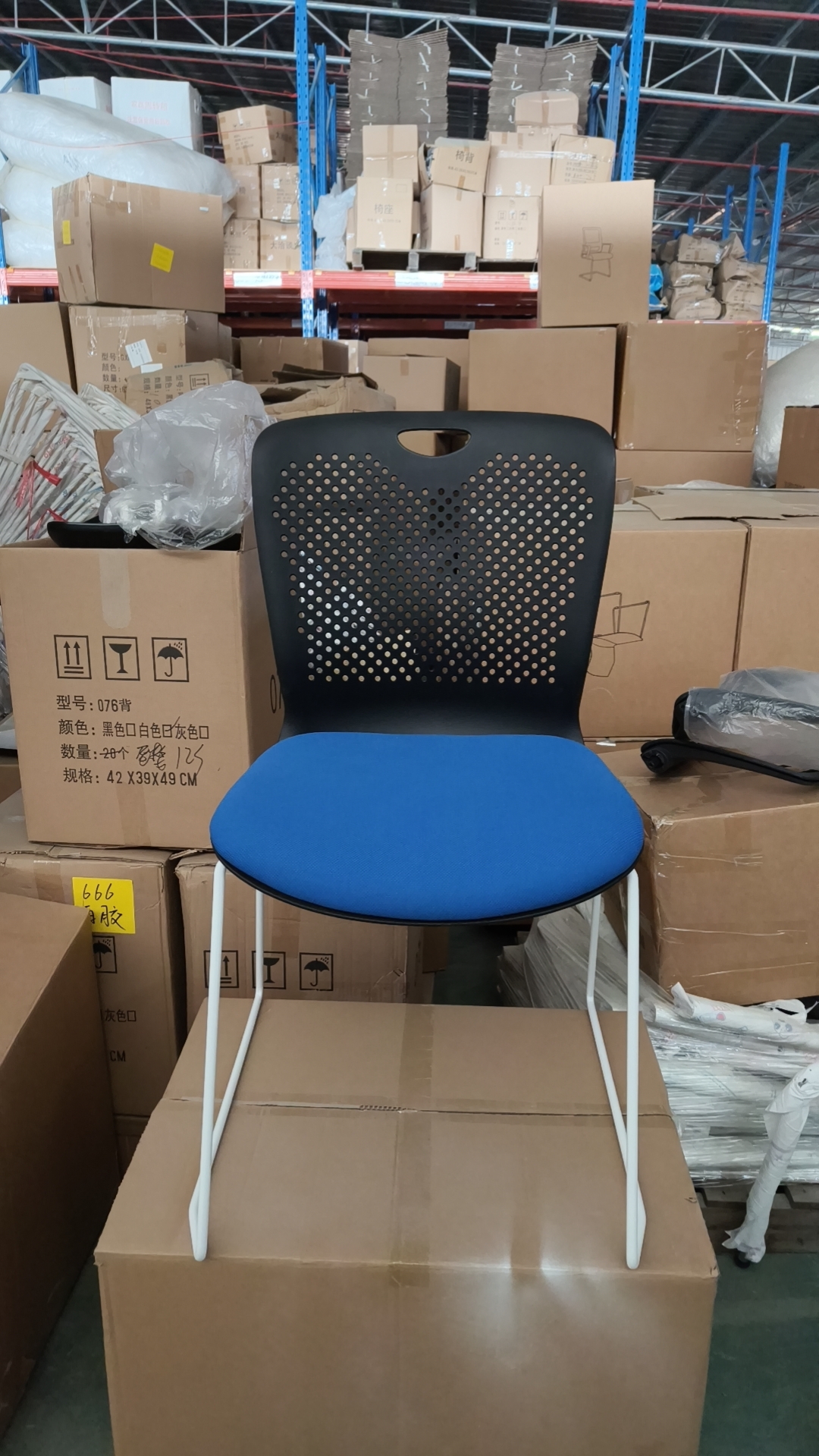
Comparing Waiting Room Seating Options for Your Project Needs

Comparing Waiting Room Seating Options for Your Project Needs

There are various types of waiting room seating available, each with unique features suitable for different applications. Traditional upholstered chairs offer comfort and style, making them ideal for corporate offices and upscale medical facilities. They provide a warm, inviting atmosphere that can help put visitors at ease. Additionally, a Dining Table can serve as a useful addition for areas where guests might be waiting for extended periods.

On the other hand, modular seating systems are gaining popularity in modern waiting areas. These systems allow for an adaptable layout, accommodating changing visitor numbers and providing options for group seating. They are particularly useful in environments such as schools or hospitals, where flexibility is key.

For outdoor waiting areas, weather-resistant seating options made from synthetic materials or treated wood can withstand the elements while maintaining a polished look. These materials not only offer durability but also require less maintenance, which is beneficial for facilities with limited staffing resources.

Lastly, consider the functionality of the seating. Some options come with built-in features such as charging ports, cup holders, or integrated tables, which can enhance the visitor experience and cater to modern needs.
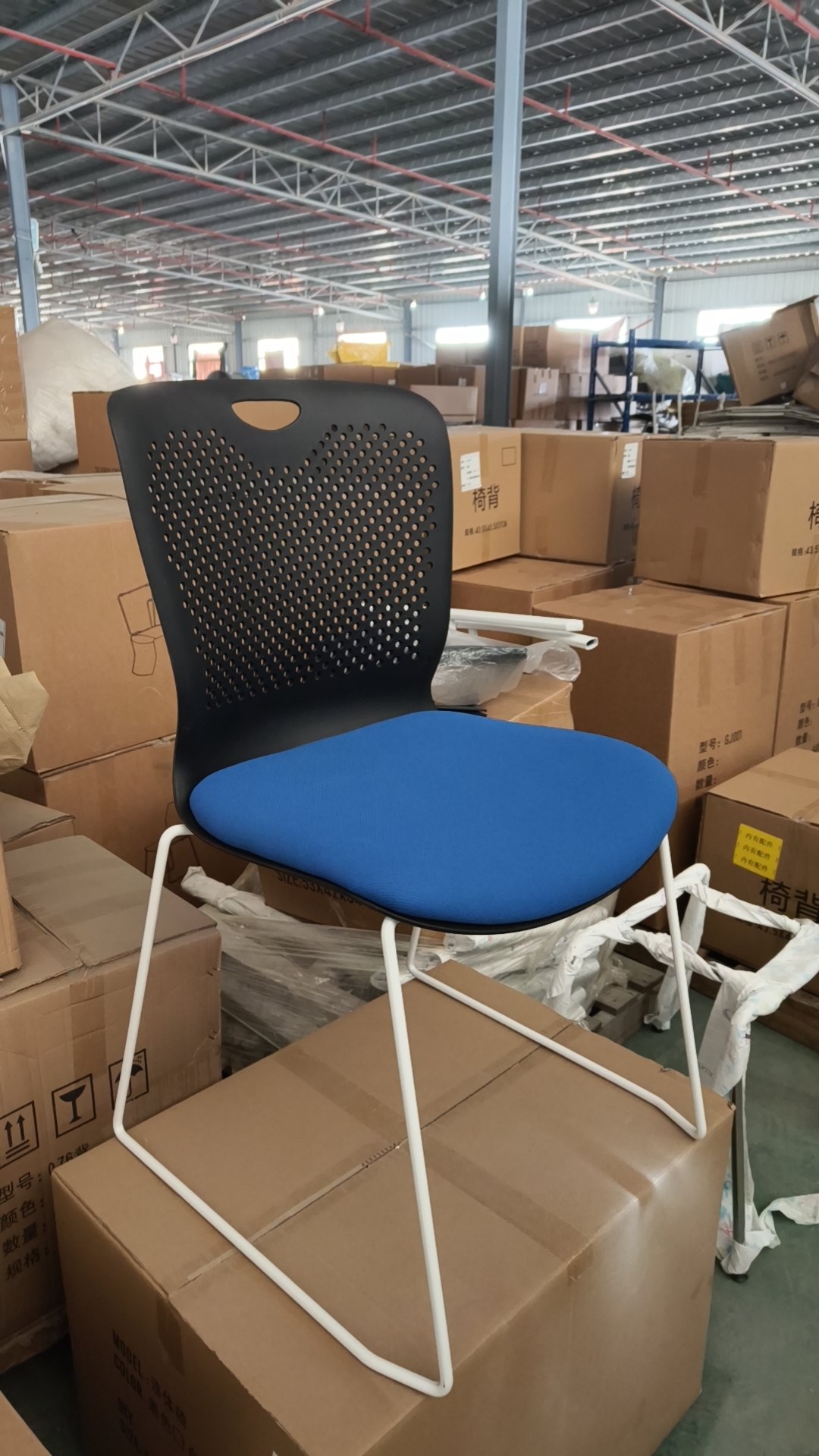
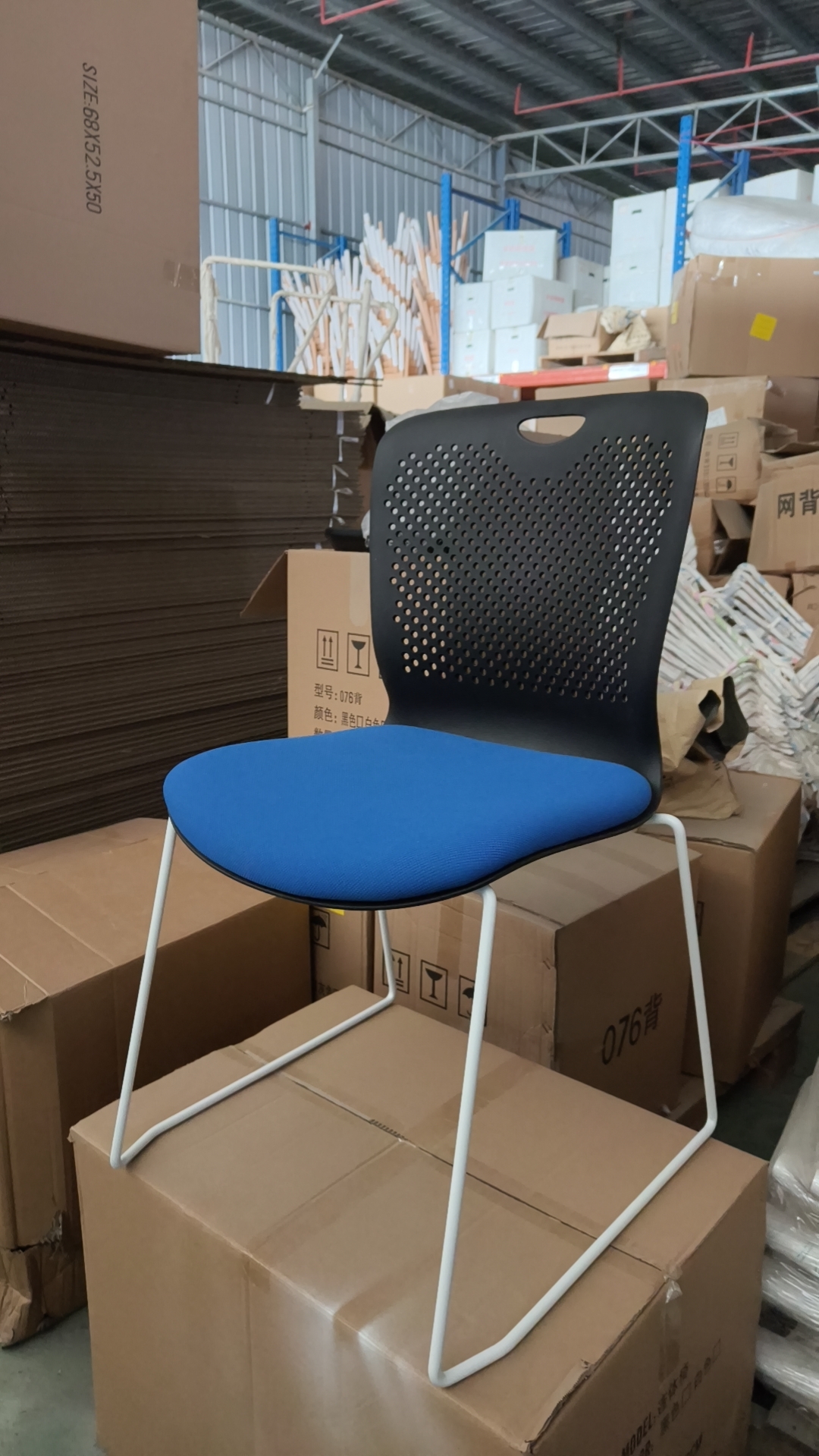
Installation Guidance for Efficient Waiting Room Seating Setup

Installation Guidance for Efficient Waiting Room Seating Setup

Proper installation of waiting room seating is vital for ensuring safety and functionality. Before installation, make sure to measure the space accurately. This includes accounting for the dimensions of the seating and ensuring adequate clearance for movement around the area. A well-planned layout can improve flow and accessibility, particularly in high-traffic environments.

When assembling seating, follow the manufacturer's instructions closely to avoid any safety hazards. It is advisable to have a professional installer, especially for modular systems that require precise assembly and configuration. Make sure to check that all components are secure and stable before allowing visitors to use the seating.

Additionally, consider the arrangement of seating in relation to other elements in the space, such as reception desks, signage, and pathways. The goal is to create a welcoming atmosphere while ensuring that visitors can navigate the area easily.

Common Problems with Waiting Room Seating and Their Solutions

Common Problems with Waiting Room Seating and Their Solutions

Even the best waiting room seating can encounter issues over time. One common problem is wear and tear, especially in high-traffic areas. To mitigate this, choose materials that are known for their durability and ease of maintenance. Regular cleaning and upkeep can help extend the lifespan of the furniture.

Another issue may be discomfort. If visitors frequently complain about the seating, it may be necessary to reassess the choice of cushions or support features. Consider investing in ergonomic options that provide better lumbar support and cushioning.

Additionally, ensure that the seating arrangement promotes a positive visitor experience. If seating is too cramped or poorly positioned, it may create an uncomfortable atmosphere. Regularly solicit feedback from visitors and staff to make necessary adjustments.

Lastly, look out for maintenance issues such as loose screws or damaged upholstery. Regular inspections can help catch these problems early and reduce the need for costly repairs or replacements.

Applications of Waiting Room Seating in Various Industries

Waiting room seating serves a vital purpose across multiple industries. In healthcare settings, comfortable seating is essential to help patients feel at ease while waiting for appointments. In these environments, durable materials and easy-to-clean surfaces are critical, as they must withstand frequent use and potential spills.

In educational institutions, waiting areas often see a high volume of students and parents. Flexible modular seating can adapt to various group sizes and configurations, making it suitable for busy school environments.

Corporate offices benefit from waiting room seating that reflects their brand identity. Stylish, comfortable chairs can create a positive first impression for visitors and enhance the overall ambiance of the office.

Retail environments also utilize waiting room seating, particularly in salons or service-oriented businesses. Here, seating should not only be comfortable but should also align with the overall aesthetic of the brand.

In summary, understanding the specific needs of your industry will guide you in selecting the right waiting room seating that enhances the visitor experience while meeting functional requirements.

What to Consider When Choosing Waiting Room Seating for Your Space

When selecting waiting room seating, buyers should evaluate several key factors to ensure that the chosen furniture meets their specific needs. First, consider the material. Options such as fabric, vinyl, and leather each offer distinct advantages, including ease of cleaning, durability, and comfort. For high-traffic areas, materials that resist wear and tear are particularly important.

Next, assess the seating arrangement. The layout should promote a welcoming atmosphere while maximizing space efficiency. Modular seating can be beneficial in this regard, allowing for flexibility in design and arrangement. For instance, incorporating a Foldable Chair can add versatility to your seating options.

Comfort is another essential consideration. Ergonomically designed chairs with adequate cushioning and support can enhance the visitor experience, whereas rigid or poorly designed seating can lead to discomfort and dissatisfaction.

Finally, take into account the aesthetic appeal. The seating should complement the overall design of the waiting area, reflecting the brand image while creating a cohesive and inviting environment.

Get a Free Quote

Our representative will contact you soon.
Name
Email
Company Name
Telephone
Message
0/1000
Attachment
Please upload at least an attachment
Up to 3 files, each no larger than 30MB. Supported formats: jpg, jpeg, png, pdf, doc, docx, xls, xlsx, csv, txt, stp, step, igs, x_t, dxf, prt, sldprt, sat, rar, zip.

Related product categories

Choosing the Right Waiting Room Seating

Get a Free Quote

Our representative will contact you soon.
Name
Email
Company Name
Telephone
Message
0/1000
Attachment
Please upload at least an attachment
Up to 3 files, each no larger than 30MB. Supported formats: jpg, jpeg, png, pdf, doc, docx, xls, xlsx, csv, txt, stp, step, igs, x_t, dxf, prt, sldprt, sat, rar, zip.