
Height Adjustable Task Chair Features & Applications

All Categories

height adjustable task chair

Height adjustable task chairs are essential for modern workplaces, offering flexibility and comfort for employees who spend long hours at their desks. These chairs allow users to customize their seating position, promoting better posture and reducing fatigue. As a purchasing manager or facilities manager, understanding the features, cost factors, installation processes, and applications of height adjustable task chairs will help you make informed decisions that enhance workplace productivity while meeting budgetary constraints.
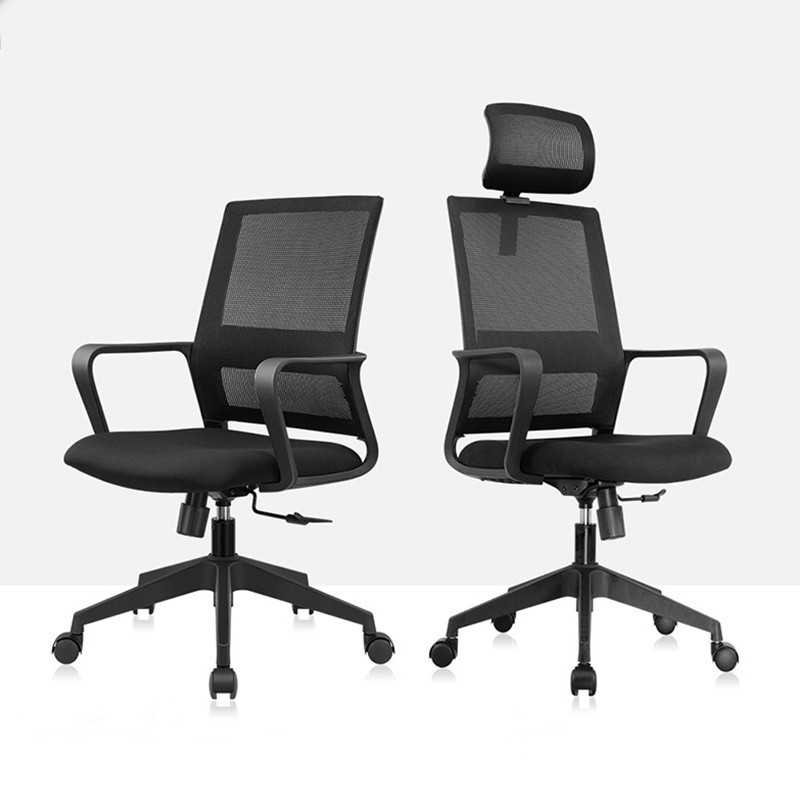
Understanding the Cost Factors of Height Adjustable Task Chairs

Understanding the Cost Factors of Height Adjustable Task Chairs

The pricing of height adjustable task chairs can vary significantly based on several factors. First, the quality of materials used directly impacts the cost. Chairs made with premium materials, such as high-density foam and durable fabrics, will generally be more expensive but offer better longevity and comfort.

Customization options also influence the price. If your organization requires specific colors, fabrics, or additional ergonomic features, expect to pay a premium for these personalized options. Additionally, the manufacturing process plays a role; chairs produced in regions with higher labor costs will typically be priced higher.

Another factor to consider is the minimum order quantity (MOQ). Many manufacturers, including DESTON FURNITURE, may have minimum order requirements which can affect overall pricing. Bulk orders often come with discounts, so evaluating your purchasing needs in advance can result in cost savings.

Lastly, shipping and handling costs should be factored into your budget. Height adjustable task chairs can be bulky, leading to higher shipping fees. It’s wise to discuss these costs upfront with your supplier to avoid surprises.
Installation Guide for Height Adjustable Task Chairs in Commercial Spaces

Installation Guide for Height Adjustable Task Chairs in Commercial Spaces

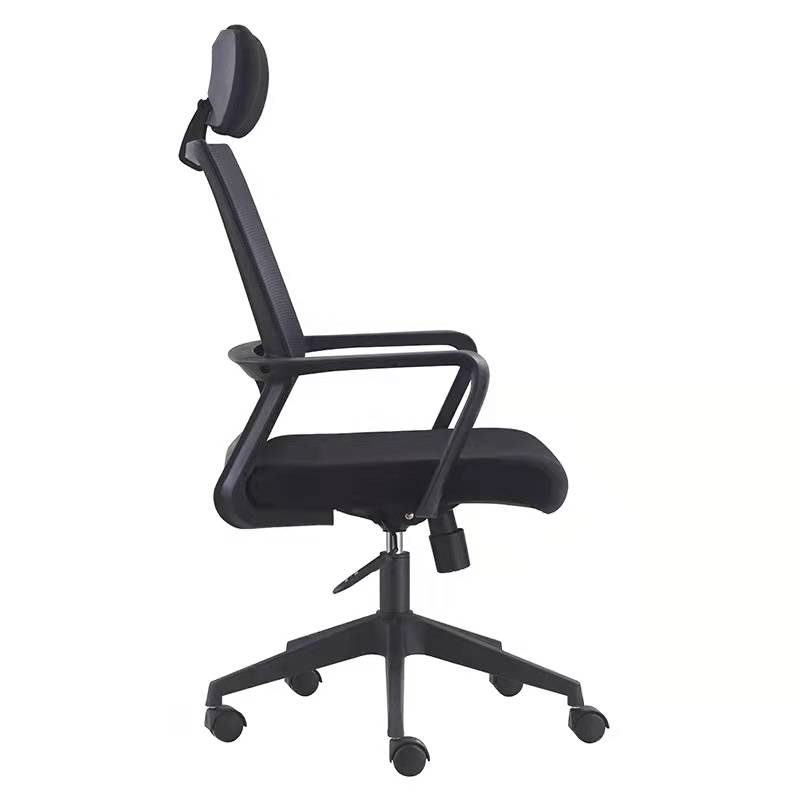
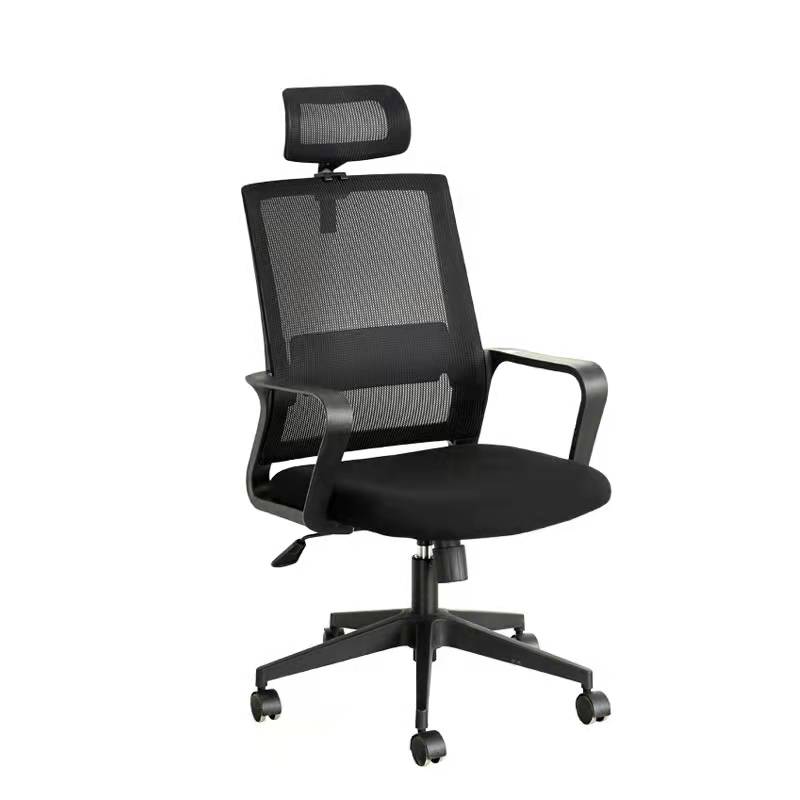
Installing height adjustable task chairs in commercial spaces requires careful planning to ensure optimal functionality and user satisfaction. Begin by assessing the workspace layout to determine the best arrangement for the chairs. This involves ensuring that each chair's height can be easily adjusted without obstruction from desks or other furniture.

Before installation, check that the chairs are delivered with all necessary components, including base, casters, and adjustment mechanisms. A complete checklist will help streamline the setup process. Instruct your team on how to properly adjust the chairs for their personal comfort, emphasizing the importance of correct height settings to reduce strain.

Regular maintenance checks should be scheduled to ensure the chairs remain in good working condition. This includes inspecting the adjustment mechanisms and ensuring that the casters roll smoothly. If any issues arise, addressing them promptly will prevent further complications.

Applications of Height Adjustable Task Chairs in Various Work Environments

Applications of Height Adjustable Task Chairs in Various Work Environments

Height adjustable task chairs are versatile and suitable for a wide array of work environments. In traditional office settings, they promote employee well-being by allowing for personalized comfort, which can improve productivity and reduce absenteeism.

In educational institutions, these chairs adapt to different teaching styles and classroom configurations, accommodating both teachers and students. Their adjustability is particularly beneficial in settings where furniture is frequently rearranged for group work or presentations. Consider options like the HL-670 Series Integrally Molded Fixed Backrest Training Chair for classroom use.

Healthcare facilities also benefit from height adjustable task chairs, providing comfort for staff who need to transition between various tasks throughout the day. For example, nurses can adjust their chairs to different heights while working at desks or assisting patients, promoting a better work experience.

Moreover, in manufacturing and technical settings, these chairs can be utilized in assembly lines or quality control stations, allowing employees to switch positions quickly and comfortably, which can enhance operational efficiency.

Common Problems with Height Adjustable Task Chairs and Their Solutions

Despite their advantages, height adjustable task chairs can encounter several common issues. One frequent problem is the adjustment mechanism failing to hold the desired height. This can often be resolved by checking the tension adjustment knob, which may need to be tightened or repaired.

Another issue is wear and tear on the chair’s casters, which can lead to difficulty in movement. Regularly checking the wheels for debris and replacing them when necessary can minimize this problem.

Additionally, users may experience discomfort due to improper adjustment. It’s essential to provide training on how to properly adjust the chair to individual needs, ensuring that users are aware of the importance of maintaining ergonomic posture.

Finally, if the chair’s fabric shows signs of wear, such as fraying or fading, consider investing in replacement covers or upholstery treatments. Regular maintenance and user education can help mitigate these problems and extend the lifespan of height adjustable task chairs.

By understanding these key aspects of height adjustable task chairs, B2B buyers can make informed purchasing decisions that align with their organizational needs while ensuring employee comfort and productivity.

Features and Specifications

Height adjustable task chairs typically come with several key features that enhance their functionality and user comfort. The primary specification is the adjustable seat height, allowing users to modify the chair to suit their individual needs. This adjustment range usually spans from 16 to 21 inches, accommodating a variety of desk heights and user preferences.

Another important feature is the chair's ergonomic design, which often includes lumbar support to promote healthy posture. Materials used in the construction can vary, with high-quality mesh fabric being a popular choice for its breathability and durability. Additionally, some models may include adjustable armrests and seat depth to further enhance comfort. For example, consider the HL-651 Series Double-Back Lumbar Support Training Chair, which provides excellent ergonomic features.

When considering specifications, it's also essential to assess the chair's weight capacity, which typically ranges from 250 to 400 pounds, depending on the model. This ensures that the chair can support a diverse workforce. Finally, look for certifications such as BIFMA (Business and Institutional Furniture Manufacturers Association) compliance, which guarantees that the chair meets industry standards for safety and durability.

Get a Free Quote

Our representative will contact you soon.
Name
Email
Company Name
Telephone
Message
0/1000
Attachment
Please upload at least an attachment
Up to 3 files, each no larger than 30MB. Supported formats: jpg, jpeg, png, pdf, doc, docx, xls, xlsx, csv, txt, stp, step, igs, x_t, dxf, prt, sldprt, sat, rar, zip.

Related product categories

Height Adjustable Task Chair Features & Applications

Get a Free Quote

Our representative will contact you soon.
Name
Email
Company Name
Telephone
Message
0/1000
Attachment
Please upload at least an attachment
Up to 3 files, each no larger than 30MB. Supported formats: jpg, jpeg, png, pdf, doc, docx, xls, xlsx, csv, txt, stp, step, igs, x_t, dxf, prt, sldprt, sat, rar, zip.