EN

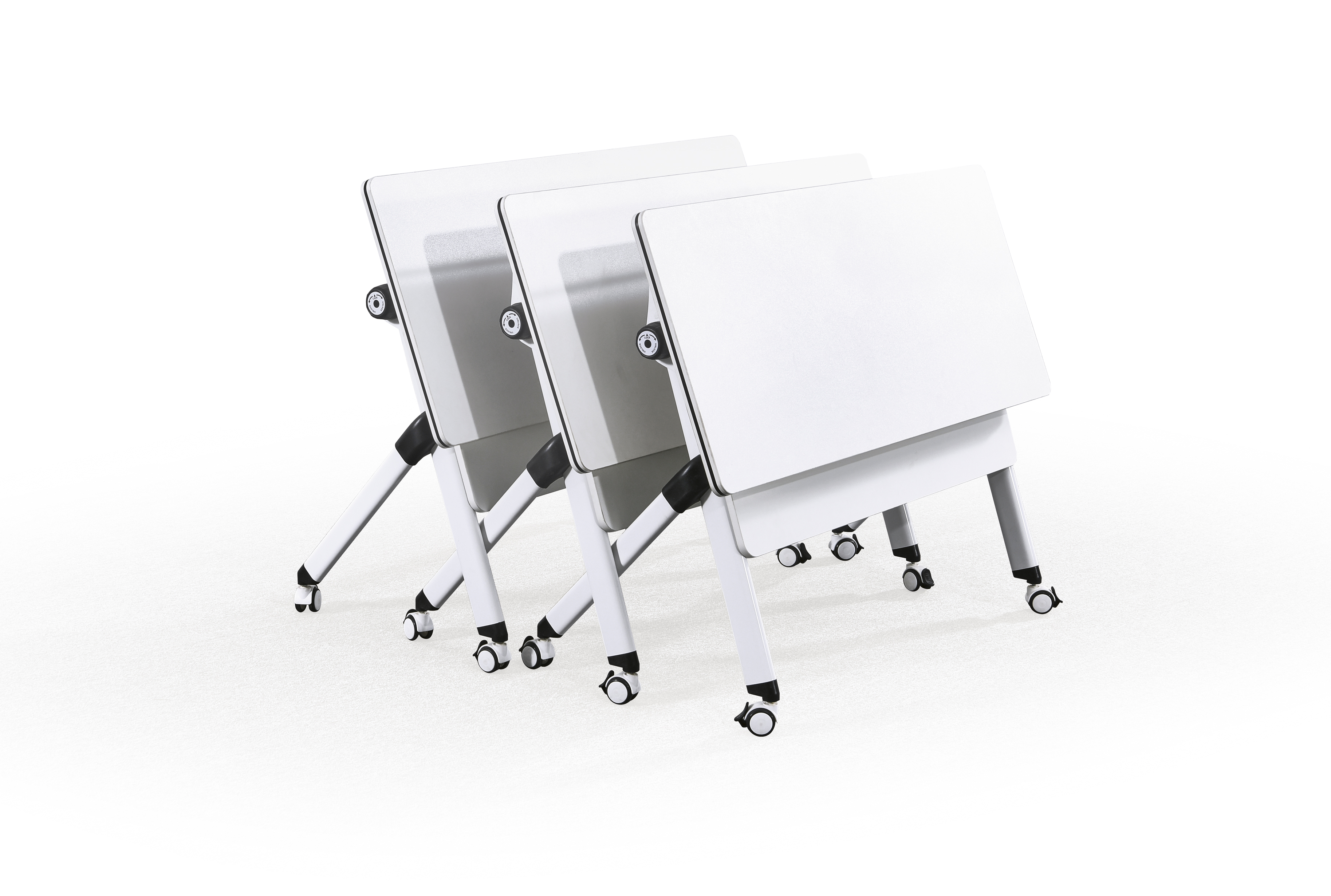
Folding tables are versatile, space-saving solutions that cater to various commercial environments, including offices, schools, and hospitals. When sourcing folding tables, B2B buyers often have specific concerns such as durability, weight capacity, ease of transport, and customization options. This article will guide you through the essential considerations for choosing folding tables for bulk orders, key specifications that ensure quality, reliable suppliers, cost factors, and the diverse applications across different industries.
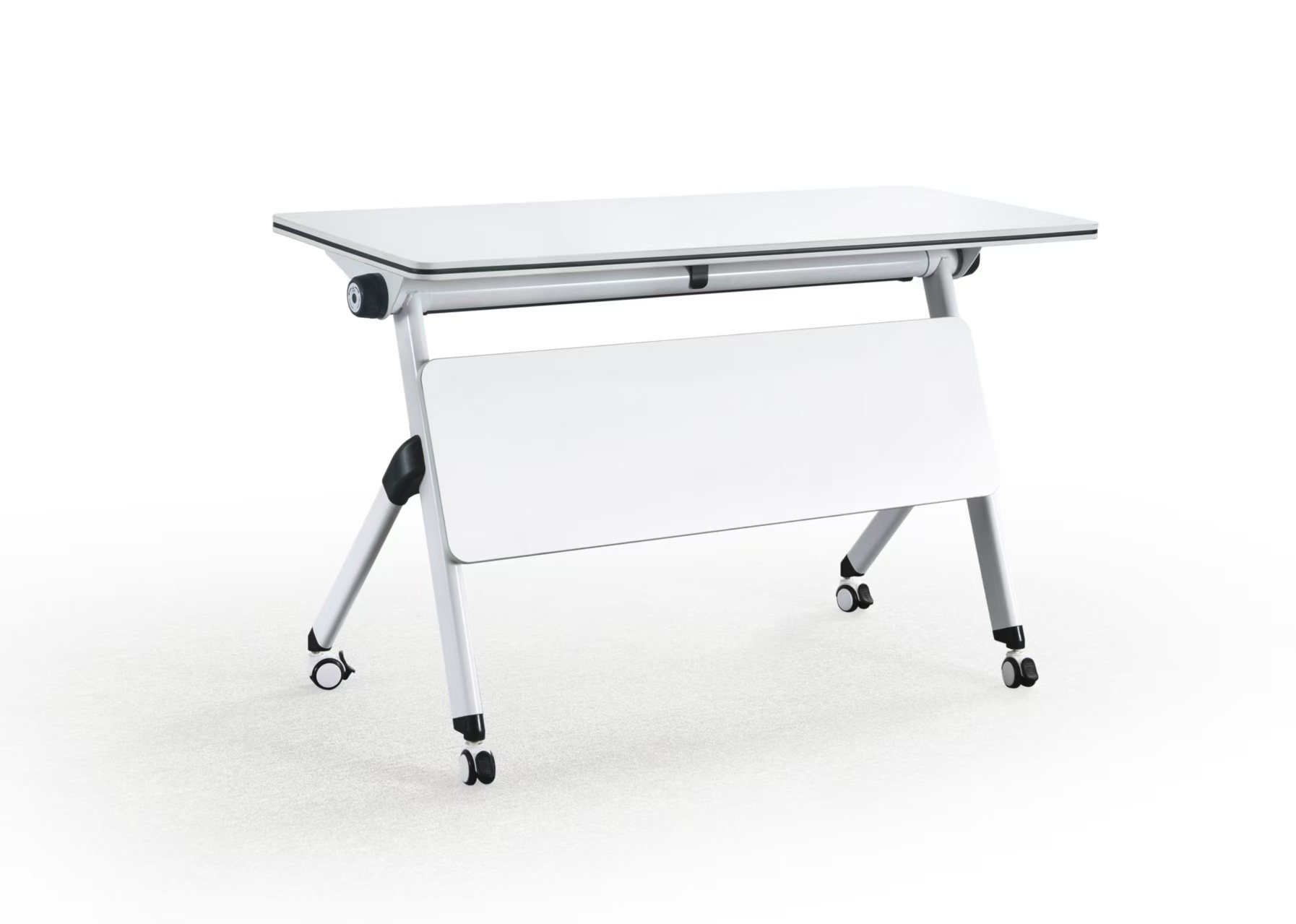
Key Specifications for Quality Folding Tables in Commercial Use
Evaluating the specifications of folding tables is vital to ensure they meet the demands of commercial use. Key specifications to review include:
Tabletop Material: As mentioned, materials like HDPE or plywood are common. Ensure that the material chosen is appropriate for the anticipated use and offers a balance between durability and aesthetics.
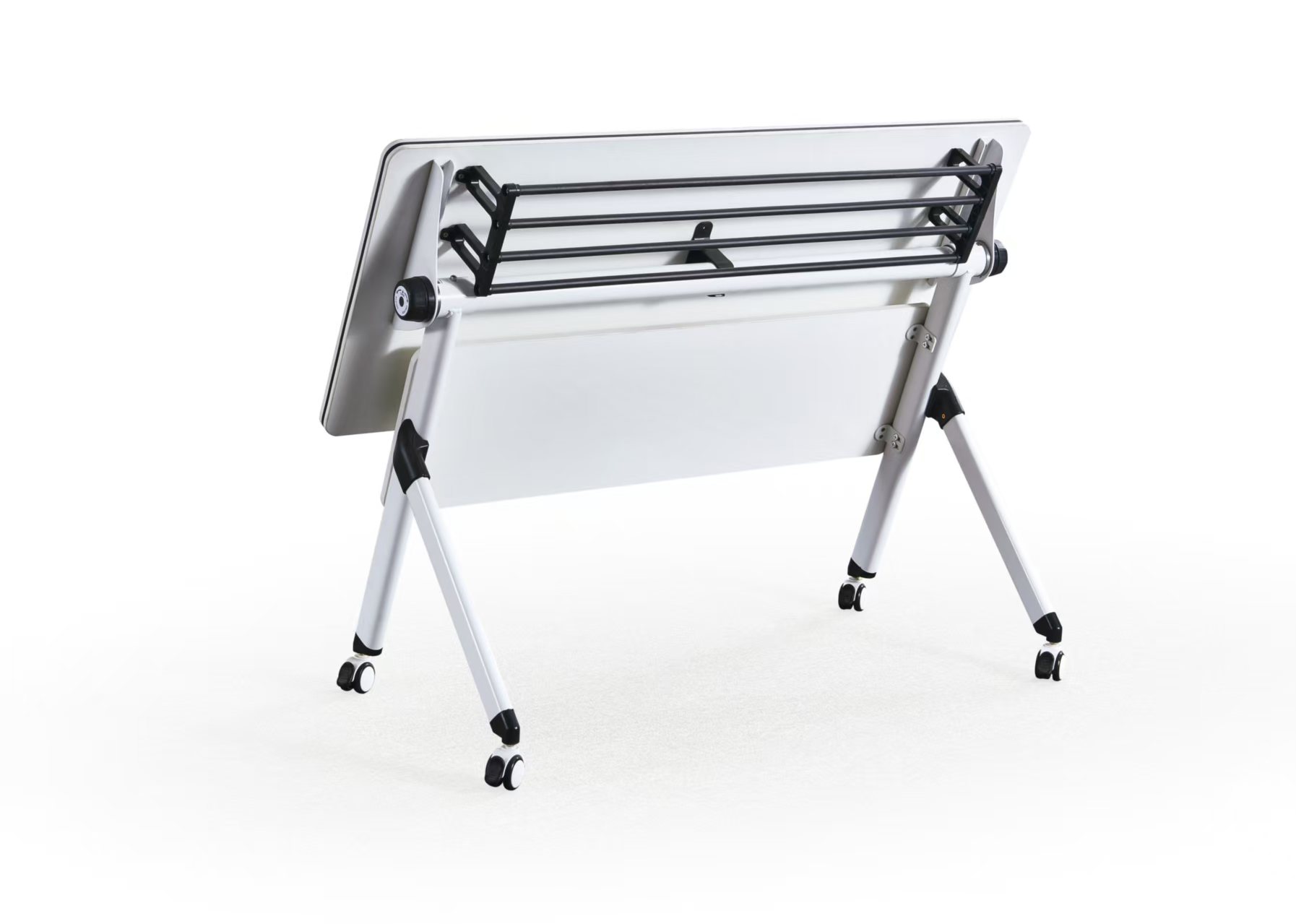
Frame Construction: Steel frames offer enhanced durability and weight support compared to aluminum alternatives. Look for tables with reinforced joints and locking mechanisms that provide stability when set up.
Dimensions: The size of the table will affect its usability. Standard sizes vary, so it’s essential to consider the space available and the number of users expected. A table that is too large may not fit well in the intended space, while one too small may not serve its purpose effectively.
Weight: The weight of the folding table affects transportability. Lightweight tables may be easier to move but may sacrifice durability. Ensure the chosen model aligns with your logistical capabilities.
Warranty and Quality Certifications: Check if the manufacturer provides warranties and complies with industry standards, which can be indicative of quality. Certifications may include safety tests relevant to commercial use.