
Essential Guide to Stackable Conference Room Chairs

All Categories

stackable conference room chairs

Stackable conference room chairs are an essential component for modern office environments, providing flexibility and efficiency for various meeting spaces. These chairs are designed to be easily stacked for storage, making them ideal for businesses that need to optimize space without sacrificing comfort. For B2B buyers, the main concerns often revolve around durability, material quality, design, and cost-effectiveness. In addition, considering options like Dining Table can enhance the overall functionality of the meeting space. We will explore key considerations for selecting stackable conference room chairs, how to evaluate their quality, installation guidance, common issues, and tips for optimizing bulk orders.
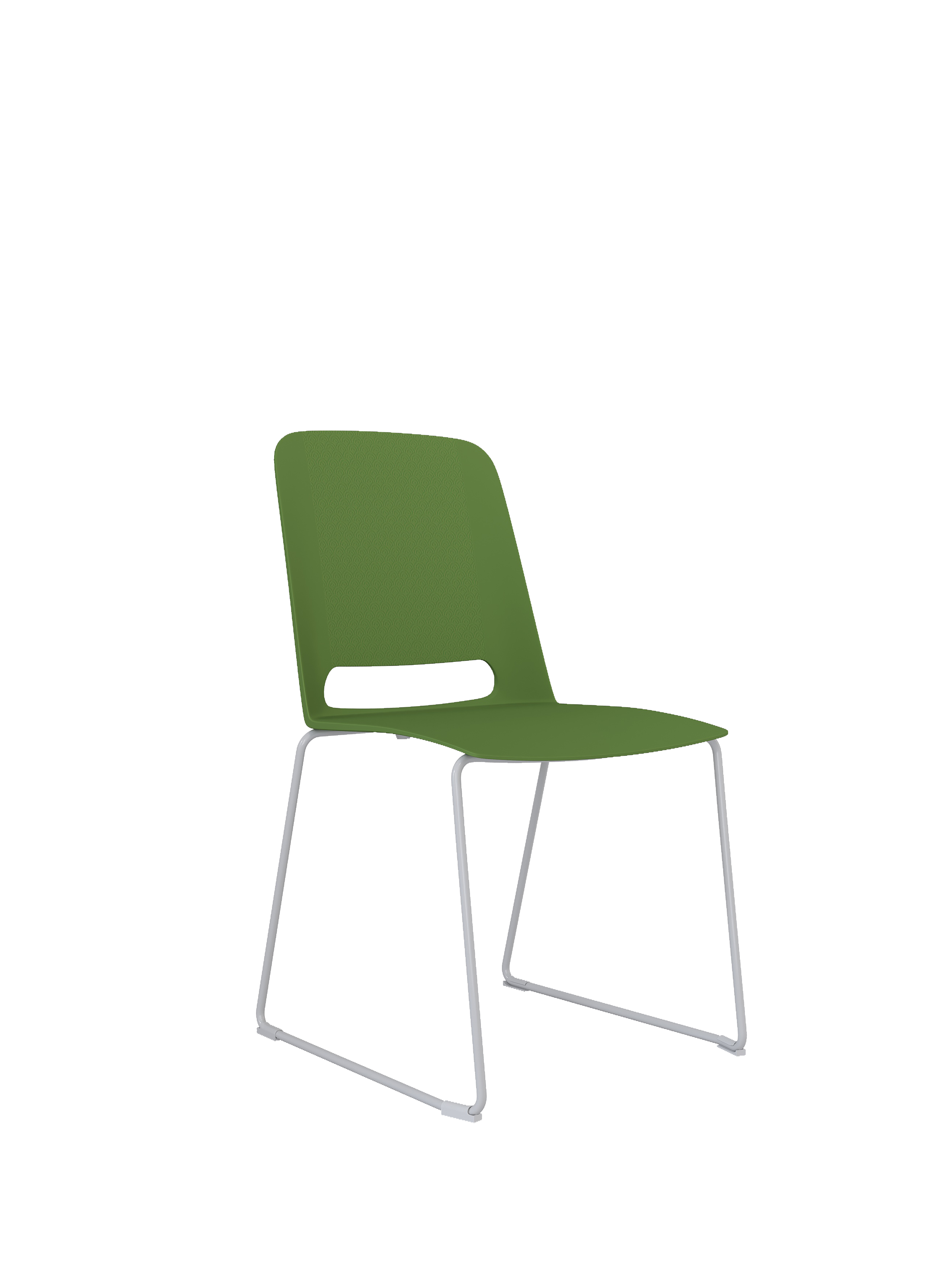
How to Evaluate the Quality of Stackable Conference Room Chairs

How to Evaluate the Quality of Stackable Conference Room Chairs

Evaluating the quality of stackable conference room chairs involves assessing several criteria:

Construction Quality: Inspect the frame and joints for sturdiness. Chairs should feel stable and not wobble when in use. Look for reinforced joints, which enhance durability.

Material Assessment: Analyze the quality of the materials used. For metal chairs, check for rust-resistant coatings. For upholstered options, examine the fabric for wear resistance and ease of cleaning.

Finish and Detailing: Quality finishes can prevent scratching and wear over time. Ensure that all edges are smooth and well-finished to prevent injuries.

Warranty and Certifications: A good warranty reflects the manufacturer’s confidence in their product. Additionally, look for certifications that indicate compliance with safety and durability standards.

User Feedback: Reviews and testimonials from other companies can provide insights into performance and satisfaction. Consider reaching out to current users for their experiences.

By carefully evaluating these factors, buyers can ensure that the stackable conference room chairs they choose will meet their needs effectively.
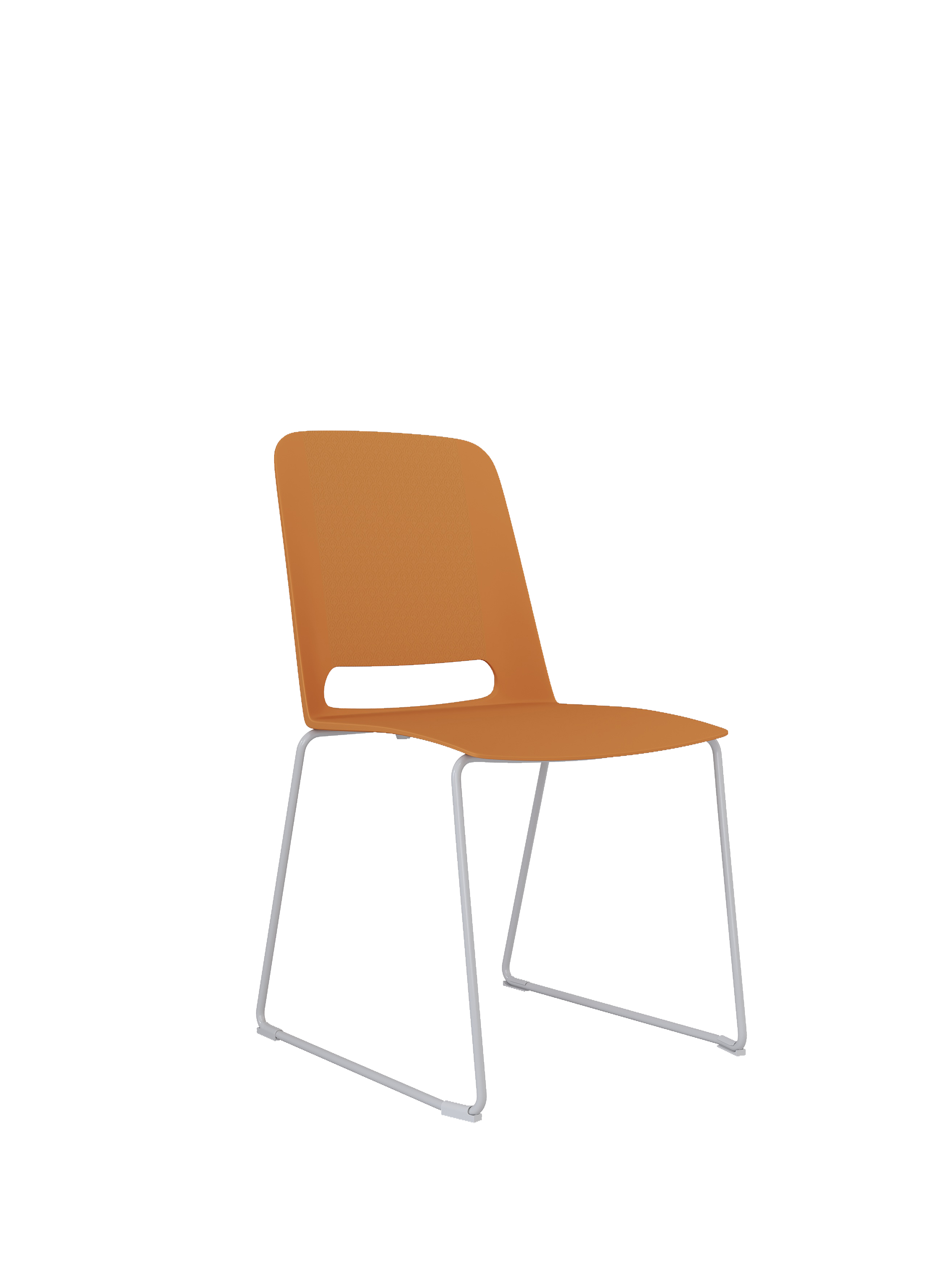
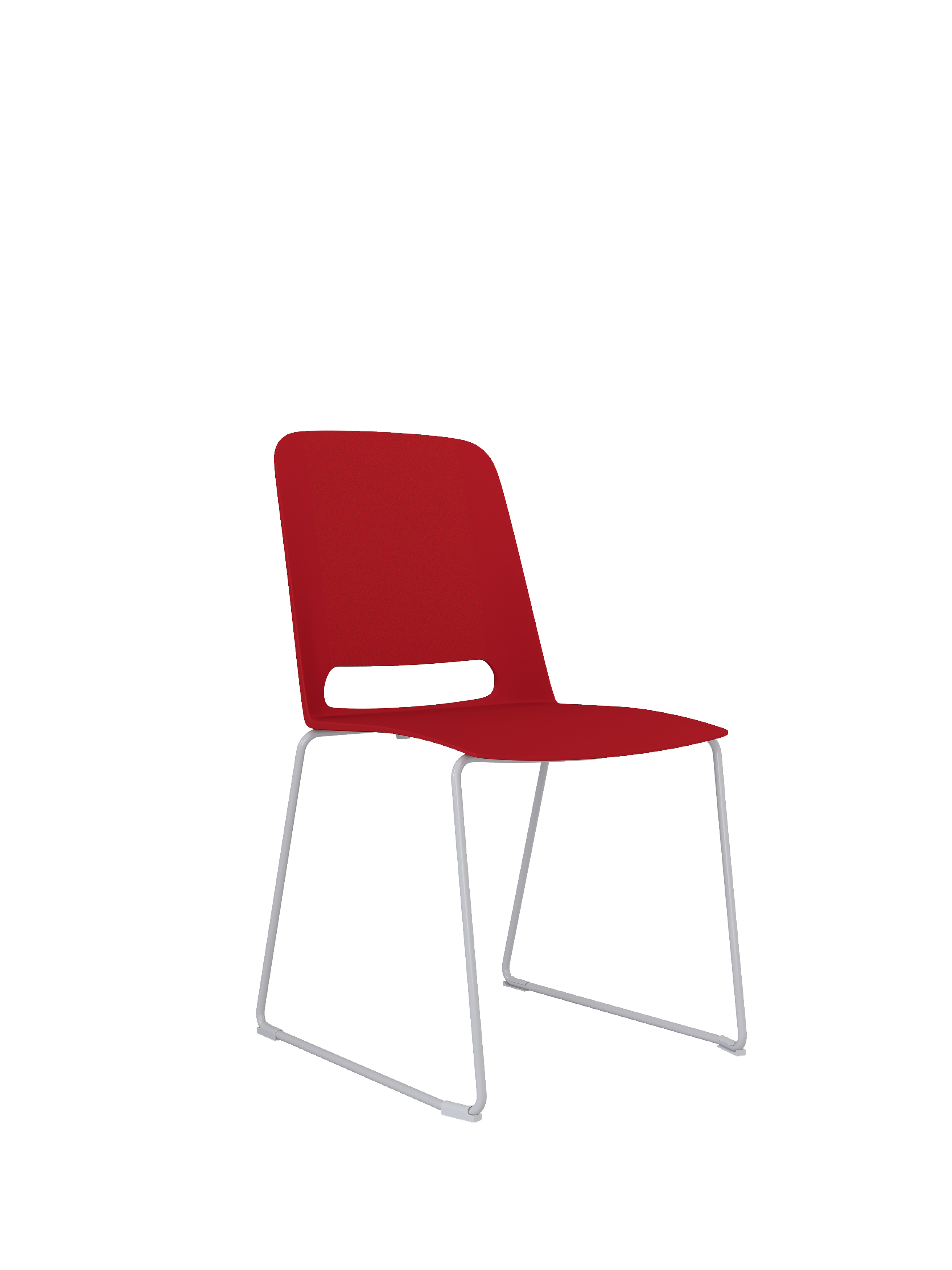
Installation Guidance for Stackable Conference Room Chairs in Offices

Installation Guidance for Stackable Conference Room Chairs in Offices

Proper installation of stackable conference room chairs is crucial for safety and functionality. Here are some guidelines:

Space Planning: Determine the layout of your conference room. Chairs should be placed to allow easy movement and access to tables.

Assembly Instructions: Follow the manufacturer's assembly instructions closely. This often includes ensuring that all screws and bolts are tightened properly to maintain stability.

Testing Stability: Once assembled, test each chair for stability. Sit in them to ensure they do not wobble and provide the necessary support.

Arranging for Use: When arranging chairs for meetings, ensure they are spaced adequately to prevent crowding. This enhances comfort and accessibility for all attendees.

Storage Solutions: If chairs are to be stacked after meetings, ensure that there is adequate space for storage without damaging the chairs.

Regular Maintenance: Schedule periodic checks to ensure that screws remain tight and that no parts are wearing out. This proactive approach can extend the life of the chairs.

By following these installation guidelines, businesses can optimize their use of stackable conference room chairs effectively.

Common Problems with Stackable Conference Room Chairs and Solutions

Common Problems with Stackable Conference Room Chairs and Solutions

Despite their advantages, stackable conference room chairs can present certain issues. Here are some common problems and their solutions:

Wobbling or Instability: If chairs wobble, check for uneven floor surfaces or loose fittings. Adjust the feet or tighten screws to rectify instability.

Wear on Upholstery: Frequent use can lead to wear on fabric. To mitigate this, consider using chair covers or selecting more durable upholstery materials.

Stacking Difficulties: If chairs are difficult to stack, review their design and ensure they are being stacked correctly. Depending on the model, some chairs may require specific stacking techniques.

Rust or Corrosion: Metal chairs may develop rust if exposed to moisture. Ensure that chairs are stored in dry conditions and consider applying protective coatings.

Squeaking Sounds: This can be a sign of loose components. Regular maintenance, including lubrication of moving parts, can help eliminate noise.

Addressing these common problems promptly can enhance the longevity and functionality of stackable conference room chairs.

How to Optimize Your Bulk Order of Stackable Conference Room Chairs

Purchasing stackable conference room chairs in bulk can offer significant savings and efficiency. Here are tips to optimize your bulk order:

Define Requirements: Clearly outline the specifications needed for the order, including material, design, and quantity. This helps suppliers provide accurate quotes and timelines.

Request Samples: Before placing a bulk order, request samples to evaluate quality firsthand. This ensures that the chairs meet your standards before committing to a large purchase.

Negotiate Pricing: Bulk orders often come with negotiation opportunities. Discuss pricing with suppliers, considering factors such as delivery and warranty.

Review Lead Times: Understand the lead times for production and shipping. Factor this into your ordering timeline to ensure that chairs arrive when needed.

Explore Customization Options: Many manufacturers offer customization, allowing you to tailor designs and materials to fit your branding or specific requirements.

Establish a Quality Inspection Process: Before accepting delivery, set up a quality inspection to verify that the chairs meet your standards and specifications.

By following these steps, buyers can maximize the benefits of their bulk orders while ensuring that they receive high-quality stackable conference room chairs tailored to their needs.

What to Consider When Choosing Stackable Conference Room Chairs

When selecting stackable conference room chairs, buyers should focus on several critical factors:

Material: The choice of material affects durability and comfort. Common materials include metal, plastic, and various types of upholstery. For instance, metal frames offer sturdiness, while upholstered seats may provide additional comfort for long meetings.

Design and Aesthetics: The chairs should align with the overall design of the office. Consider color, style, and whether they match existing furniture.

Comfort: Ergonomic features, such as seat height and back support, are crucial for user comfort, especially for longer meetings. Test the chairs for comfort during a brief trial.

Stackability: Verify how many chairs can be stacked and the ease of stacking. Some designs may allow for quicker stacking and unstacking, which is beneficial for frequent setup changes.

Weight Capacity: Ensure that the chairs can support the weight of all potential users. Chairs with a higher weight capacity are generally more robust.

Price and Value: Compare costs while considering the chair's lifespan and warranty. A lower initial price may lead to higher long-term costs if the chairs need frequent replacement. Additionally, look into options like Foldable Chair for versatile seating solutions.

By considering these aspects, buyers can make informed decisions that balance practicality with aesthetics.

Get a Free Quote

Our representative will contact you soon.
Name
Email
Company Name
Telephone
Message
0/1000
Attachment
Please upload at least an attachment
Up to 3 files, each no larger than 30MB. Supported formats: jpg, jpeg, png, pdf, doc, docx, xls, xlsx, csv, txt, stp, step, igs, x_t, dxf, prt, sldprt, sat, rar, zip.

Related product categories

Essential Guide to Stackable Conference Room Chairs

Get a Free Quote

Our representative will contact you soon.
Name
Email
Company Name
Telephone
Message
0/1000
Attachment
Please upload at least an attachment
Up to 3 files, each no larger than 30MB. Supported formats: jpg, jpeg, png, pdf, doc, docx, xls, xlsx, csv, txt, stp, step, igs, x_t, dxf, prt, sldprt, sat, rar, zip.