Choosing the Right Bar Stool for Your Business

All Categories

bar stool

Bar stools are an essential component of many commercial spaces, providing seating solutions in bars, cafes, restaurants, and more. When selecting bar stools, B2B buyers, such as purchasing managers, distributors, and product managers, often face concerns regarding durability, material selection, ergonomic design, and cost-effectiveness. This article will guide you through the key considerations in choosing bar stools, reliable suppliers, material advantages, cost factors, and quality control processes in manufacturing.
Where to Find Reliable Suppliers for Bar Stools

Where to Find Reliable Suppliers for Bar Stools

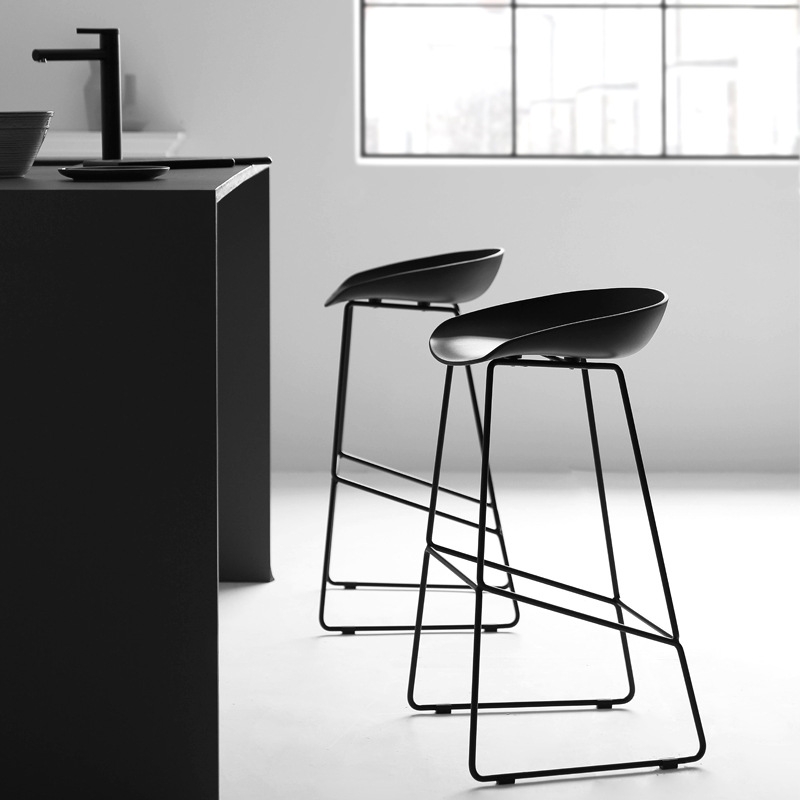
Finding reliable suppliers for bar stools requires research and due diligence. Start by seeking recommendations from industry peers or attending trade shows related to commercial furniture. Online platforms and directories focused on B2B suppliers can also provide a solid starting point.

When assessing suppliers, evaluate their reputation, experience in the market, and product range. Request samples to assess the quality firsthand and inquire about customization options, lead times, and minimum order quantities (MOQ). A supplier that offers flexibility in terms of order size and product variations can be beneficial for managing inventory and meeting specific project needs.

Additionally, verify the supplier's certifications and quality control processes. A manufacturer with established quality management systems can provide assurances of consistency and reliability in their products.
Understanding Material Advantages in Bar Stool Manufacturing

Understanding Material Advantages in Bar Stool Manufacturing

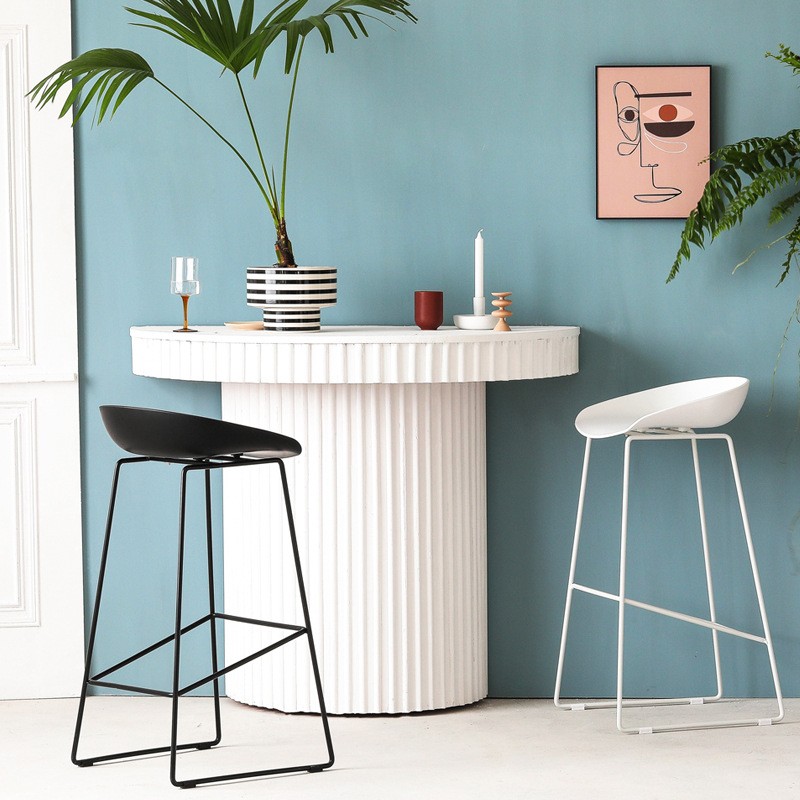
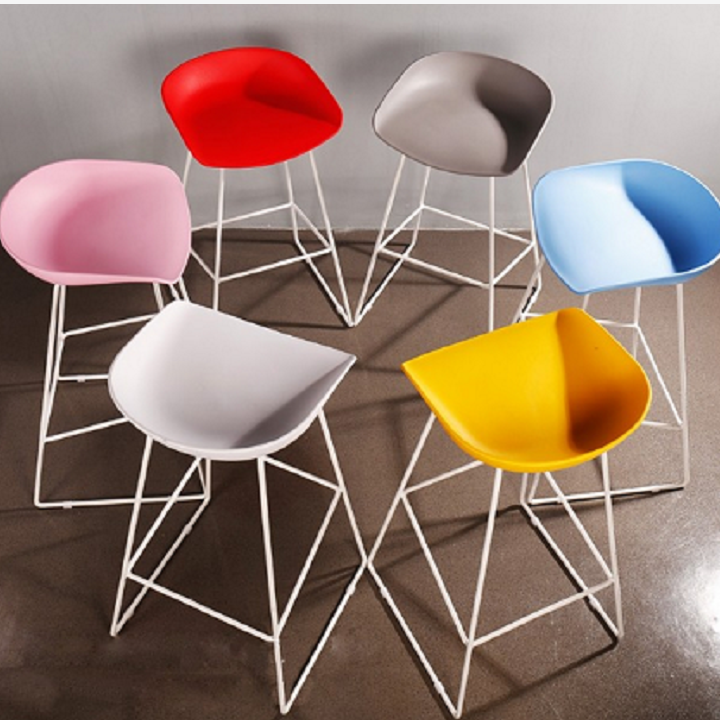
The choice of materials for bar stools significantly impacts their performance, durability, and maintenance. Common materials include metal, wood, plastic, and upholstery. Each material offers unique advantages and considerations.

Metal bar stools, often made from stainless steel or aluminum, are highly durable and resistant to rust and corrosion, making them suitable for both indoor and outdoor use. They are easy to clean, which is essential for high-traffic areas.

Wooden stools provide an attractive and classic look, often found in restaurants and bars. However, they may require more maintenance to preserve their finish and structural integrity. Look for hardwood options, as they generally offer longer-lasting performance compared to softer woods.

Plastic stools are lightweight and often stackable, facilitating easy storage and transport. They are available in various colors and designs, making them versatile for different decor styles. However, ensure that the plastic used is of high quality to avoid cracking or fading over time.

Upholstered stools can enhance comfort and style but require careful consideration regarding fabric durability and cleaning. Choose materials that are stain-resistant and easy to maintain, especially in environments prone to spills.

Cost Factors to Consider When Purchasing Bar Stools in Bulk

Cost Factors to Consider When Purchasing Bar Stools in Bulk

When purchasing bar stools in bulk, several cost factors should be evaluated. The unit price is a primary consideration, but buyers must also factor in shipping costs, import duties, and potential tariffs if sourcing from international suppliers.

Volume discounts can significantly impact pricing, so inquire about pricing tiers based on order quantity. Establishing a long-term partnership with a supplier may also lead to better pricing arrangements over time. For instance, consider suppliers that offer items like GJ035C Modern Stylish 4‑Seater Integrated Canteen Table‑Chair Set for added value.

Additionally, consider the total cost of ownership, which includes maintenance and replacement costs over the product's lifespan. For instance, while a lower upfront cost might be appealing, it could lead to higher maintenance expenses if the quality of the stools is subpar.

Lastly, review the warranty and return policies offered by suppliers. A strong warranty can provide peace of mind and protect your investment against manufacturing defects.

Quality Control Processes in Bar Stool Production Explained

Quality control is a critical aspect of bar stool production, ensuring that the final products meet industry standards and customer expectations. Manufacturers typically implement several quality control measures throughout the production process.

Initial raw material inspections are essential. Only high-quality materials should be accepted for production. During manufacturing, regular checks for dimensional accuracy, structural integrity, and finish quality are vital. For example, welds on metal frames must be inspected for strength and uniformity, while wooden components should be examined for knots and defects.

Before mass production, it's advisable for buyers to request finished samples. This allows for the evaluation of design, comfort, and aesthetics, which are crucial for ensuring that the final product aligns with expectations.

Post-production, products should undergo a final inspection before packaging. This includes checking for any damage during manufacturing and ensuring that all components meet the specified requirements. Manufacturers with well-defined quality control processes can assure buyers that they are receiving reliable and durable bar stools suited for commercial use.

How to Choose the Right Bar Stool for Your Project Needs

Choosing the right bar stool involves several important considerations. Start by evaluating the intended use and the specific environment where the stools will be placed. For example, if the stools are for a high-traffic area, prioritize durability and ease of maintenance. Look for features such as a sturdy frame, scratch-resistant finishes, and materials that can withstand spills and wear.

Next, consider the height and design. The standard bar stool height ranges from 28 to 32 inches, which typically fits a bar height of 40 to 42 inches. Ensure that there's enough space between the seat of the stool and the bar for comfortable legroom—generally, a clearance of about 10 inches is advisable. Additionally, choose a design that complements the overall aesthetics of the space, whether contemporary, traditional, or industrial.

Ergonomics is another crucial factor. Look for stools that offer adequate seat width and depth, along with back support, particularly if they will be used for extended periods. Swivel features and footrests can enhance comfort and usability, making them more appealing for patrons. For instance, consider the HL-670 Series Integrally Molded Fixed Backrest Training Chair, which is designed for comfort and usability.

Get a Free Quote

Our representative will contact you soon.
Name
Email
Company Name
Telephone
Message
0/1000
Attachment
Please upload at least an attachment
Up to 3 files, each no larger than 30MB. Supported formats: jpg, jpeg, png, pdf, doc, docx, xls, xlsx, csv, txt, stp, step, igs, x_t, dxf, prt, sldprt, sat, rar, zip.

Related product categories

Choosing the Right Bar Stool for Your Business

Get a Free Quote

Our representative will contact you soon.
Name
Email
Company Name
Telephone
Message
0/1000
Attachment
Please upload at least an attachment
Up to 3 files, each no larger than 30MB. Supported formats: jpg, jpeg, png, pdf, doc, docx, xls, xlsx, csv, txt, stp, step, igs, x_t, dxf, prt, sldprt, sat, rar, zip.