
Key Considerations for Training Room Tables

All Categories

training room tables

Training room tables are essential pieces of furniture in various professional settings, facilitating effective collaboration and learning. When sourcing training room tables, B2B buyers often have concerns regarding durability, cost, and suitability for their specific environments. This article will explore key specifications to consider, cost factors for bulk orders, sourcing options, common issues faced in use, and the diverse applications of training room tables, helping you make well-informed purchasing decisions.
Understanding the Cost Factors of Training Room Tables in Bulk Orders

Understanding the Cost Factors of Training Room Tables in Bulk Orders

Cost considerations are vital when procuring training room tables, particularly for bulk orders. Several factors influence pricing:

Material Selection: The choice of material significantly impacts cost. For instance, laminate surfaces may offer a more cost-effective option compared to solid wood. Buyers should weigh the long-term benefits of each material type against upfront costs.

Design Features: Customization options, such as specific dimensions, colors, or additional functionalities (like integrated power outlets), can increase the overall cost. Buyers should prioritize features based on their budget and requirements.

Quantity Discounts: Bulk orders often come with volume discounts. Manufacturers may offer reduced prices per unit when ordering larger quantities, allowing for cost savings that can benefit budgeting for large-scale projects.

Shipping and Handling: Shipping costs can vary based on distance, weight, and packaging requirements. It’s essential to factor in these logistics when calculating total expenses. Additionally, discussing delivery timelines with suppliers can help avoid unexpected costs related to expedited shipping.

By understanding these factors, buyers can effectively budget for their training room tables and negotiate better terms with suppliers.
Where to Find Quality Training Room Tables

Where to Find Quality Training Room Tables

Finding reliable sources for quality training room tables involves exploring various channels.

Local Manufacturers and Suppliers: Engaging with local manufacturers can facilitate direct communication and potentially reduce shipping costs. Establishing relationships with local suppliers allows buyers to visit showrooms or production facilities, providing insights into quality control processes and material sourcing.

Online Retailers: Numerous online platforms specialize in office furniture, offering a wide range of training room tables. Buyers should look for reputable platforms that provide detailed product descriptions, customer reviews, and a transparent return policy. This can help ensure confidence in the quality of the products being purchased. For instance, exploring options like Dining Table can be beneficial.

Trade Shows and Expos: Attending industry trade shows can provide opportunities to see products firsthand, meet manufacturers, and obtain quotes. These events can also offer insights into market trends and innovative designs that may not be readily available online.

Industry Recommendations: Leveraging referrals from industry peers can be an effective way to find trustworthy suppliers. Recommendations can provide insights into product quality, customer service, and overall satisfaction based on real-world experiences.

By utilizing these avenues, buyers can discover quality training room tables that meet their specific needs and budget.

Addressing Common Problems with Training Room Tables in Use

Addressing Common Problems with Training Room Tables in Use

While training room tables are designed for utility, several common issues can arise when they are in use:

Stability and Durability: Some tables may wobble or feel unstable, especially if they are not designed for heavy use. Buyers should ensure that tables are equipped with robust leg structures and adequate weight distribution to prevent such issues.

Surface Damage: Poor-quality materials can lead to scratches, dents, or stains over time. It is advisable to select tables with durable, easy-to-clean surfaces, particularly in environments that experience high traffic.

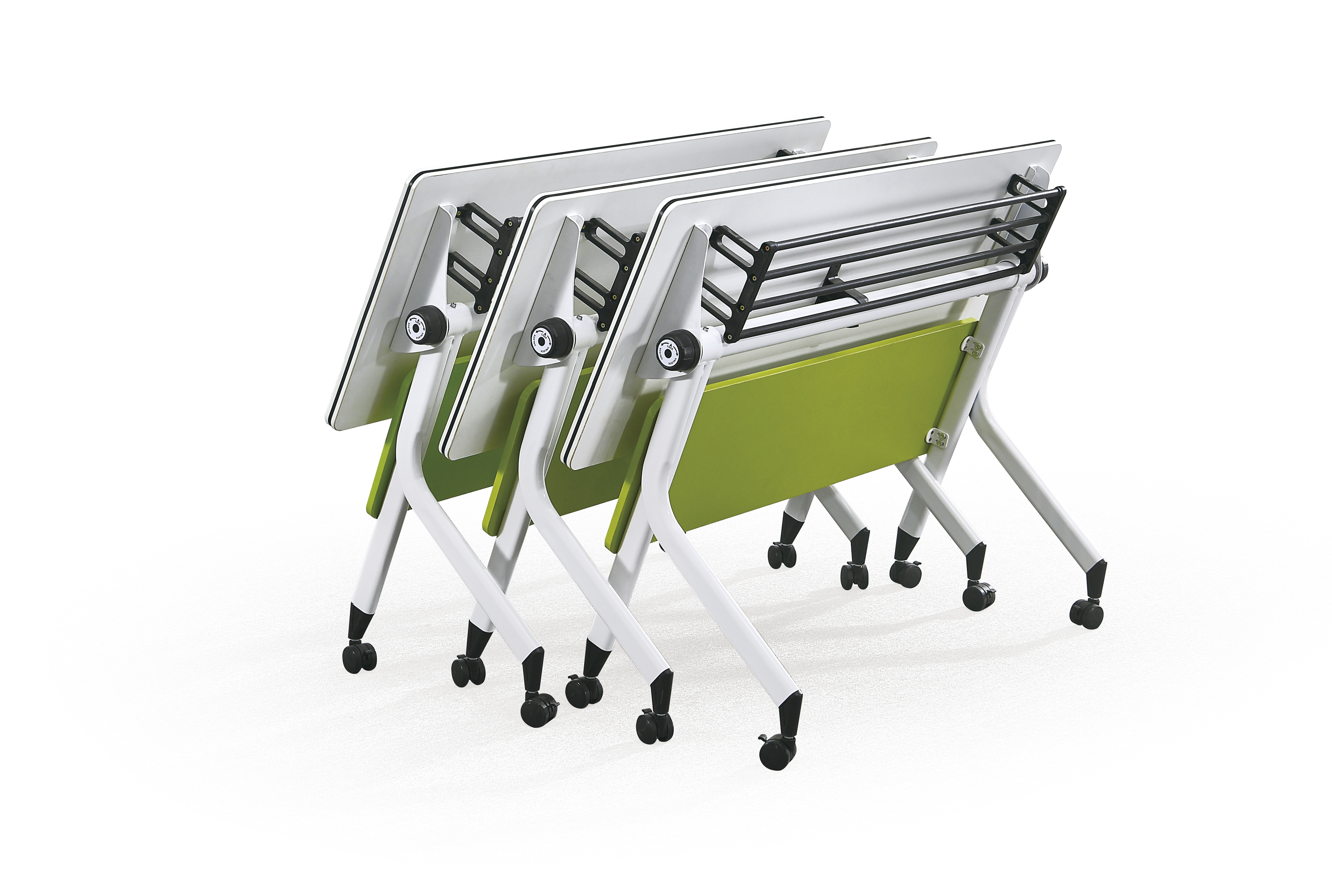
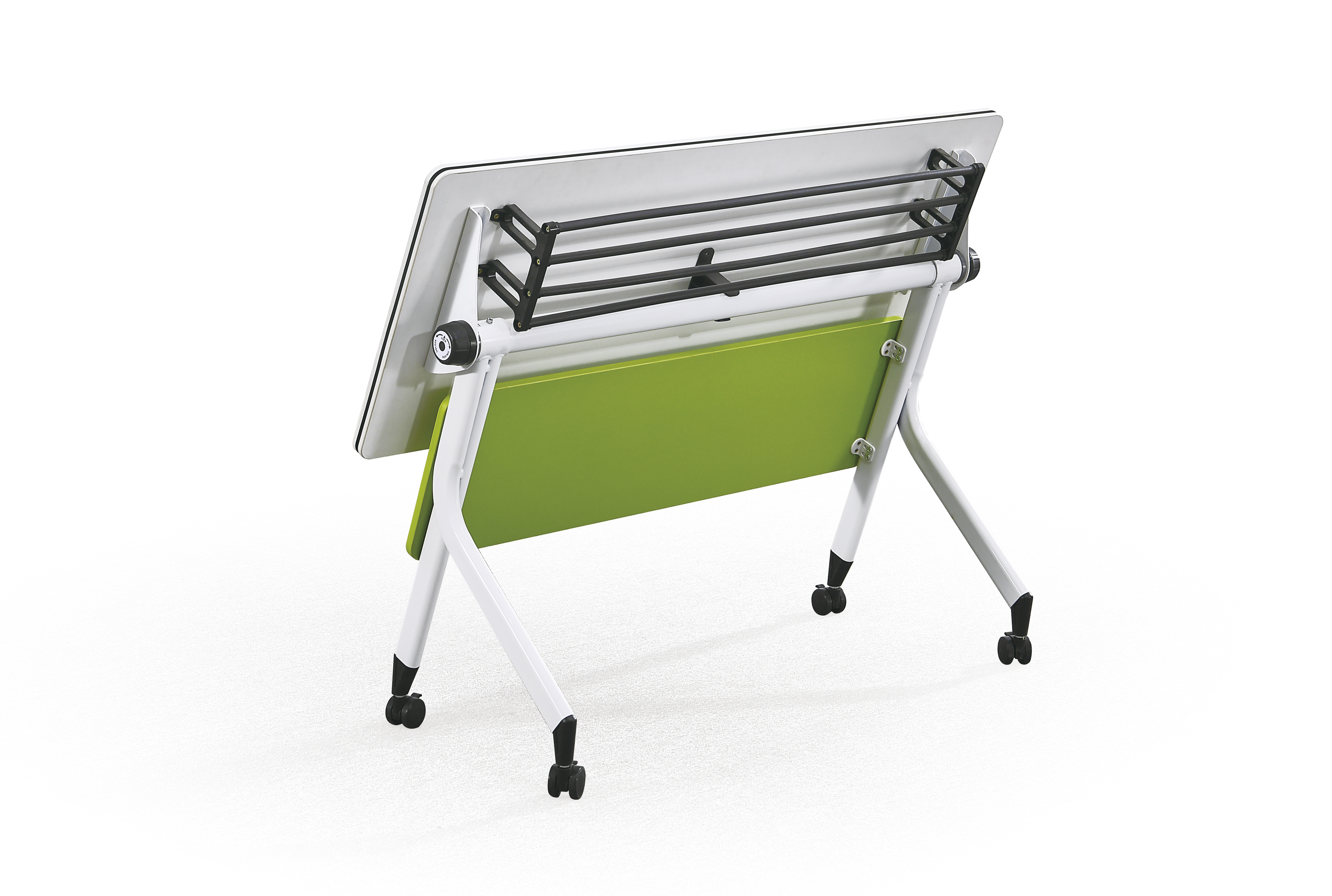
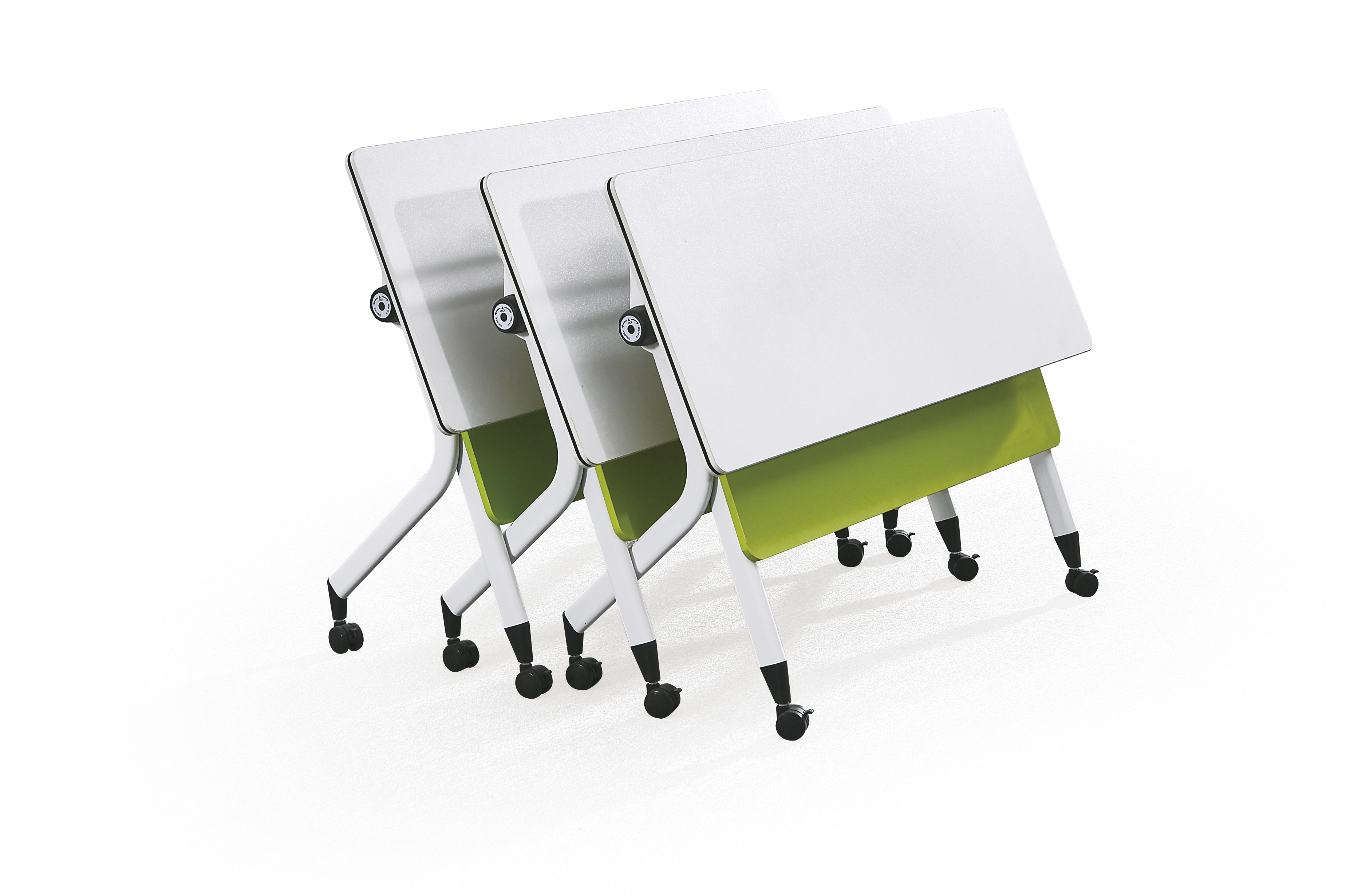
Mobility Challenges: Tables that are meant to be mobile can sometimes be difficult to move due to weight or inadequate wheel design. Buyers should evaluate the mobility features and test them if possible before purchasing to ensure they meet operational needs.

Configuration Limitations: Some training room tables may not easily adapt to different configurations. Buyers should look for tables that can be easily reconfigured to suit various training setups, ensuring flexibility in how spaces are used.

By being aware of these common problems, buyers can make informed decisions and select training room tables that minimize potential issues.

Applications of Training Room Tables in Diverse Business Environments

Training room tables are versatile and can be effectively utilized in various business environments.

Corporate Training Sessions: In corporate settings, these tables support employee training programs, workshops, and team-building activities. Their design allows for easy reconfiguration, accommodating different group sizes and dynamics.

Educational Institutions: Schools and universities utilize training room tables for collaborative learning environments, group projects, and seminars. The tables can be arranged in various layouts to support diverse teaching methods and learning styles.

Healthcare Facilities: Hospitals and clinics also benefit from training room tables in staff training sessions, patient education, and workshops. Durable surfaces and easy-to-clean materials are essential in these settings to maintain hygiene standards.

Community Centers: In community centers, training room tables are used for workshops, classes, and meetings, providing a multifunctional space for various activities. The adaptability of these tables helps meet the needs of different user groups, including those seeking Stackable Chair options for efficient space management.

By understanding the diverse applications of training room tables, buyers can select products that align with their operational requirements and enhance functionality in their respective environments.

Key Specifications to Consider When Sourcing Training Room Tables

When selecting training room tables, several specifications must be evaluated to ensure they meet the intended use.

Material: Common materials include laminate, wood veneer, and metal. Laminate surfaces are often preferred for their durability and ease of cleaning, while wood veneer offers a more aesthetic appeal but may require more maintenance. Understanding the intended environment—such as educational institutions versus corporate offices—can influence material choice.

Dimensions: The size of training room tables should accommodate both the physical space and the number of users. Standard dimensions typically range from 60 to 72 inches in length, and tables can vary in width from 24 to 30 inches. Buyers should consider the layout of the training room and ensure adequate space for movement and additional equipment.

Weight Capacity: Tables must support various weights, including laptops, projectors, and other training materials. A weight capacity of at least 150 pounds is generally advisable to accommodate diverse equipment.

Mobility Features: Many training environments benefit from tables with wheels or folding capabilities. Mobile tables can be easily reconfigured based on the room setup or user needs, enhancing versatility. For example, a Foldable Table can offer significant flexibility.

Customization Options: Buyers should also inquire about customization capabilities, including branding options, color choices, and specific design features that may suit their corporate identity or user requirements.

Understanding these specifications ensures that the selected training room tables will provide functional, durable, and aesthetically pleasing solutions tailored to the unique needs of each organization.

Get a Free Quote

Our representative will contact you soon.
Name
Email
Company Name
Telephone
Message
0/1000
Attachment
Please upload at least an attachment
Up to 3 files, each no larger than 30MB. Supported formats: jpg, jpeg, png, pdf, doc, docx, xls, xlsx, csv, txt, stp, step, igs, x_t, dxf, prt, sldprt, sat, rar, zip.

Related product categories

Key Considerations for Training Room Tables

Get a Free Quote

Our representative will contact you soon.
Name
Email
Company Name
Telephone
Message
0/1000
Attachment
Please upload at least an attachment
Up to 3 files, each no larger than 30MB. Supported formats: jpg, jpeg, png, pdf, doc, docx, xls, xlsx, csv, txt, stp, step, igs, x_t, dxf, prt, sldprt, sat, rar, zip.