EN

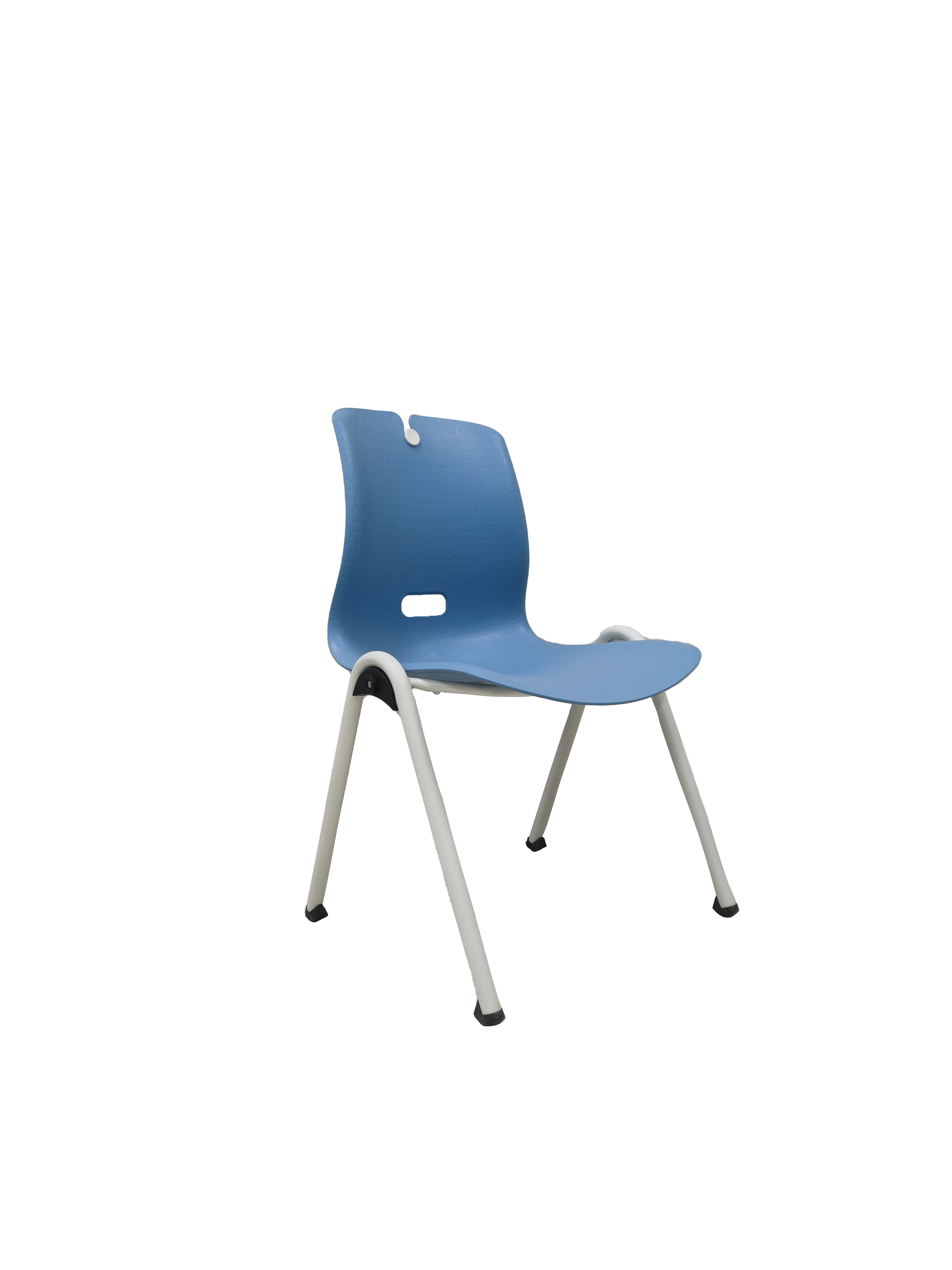
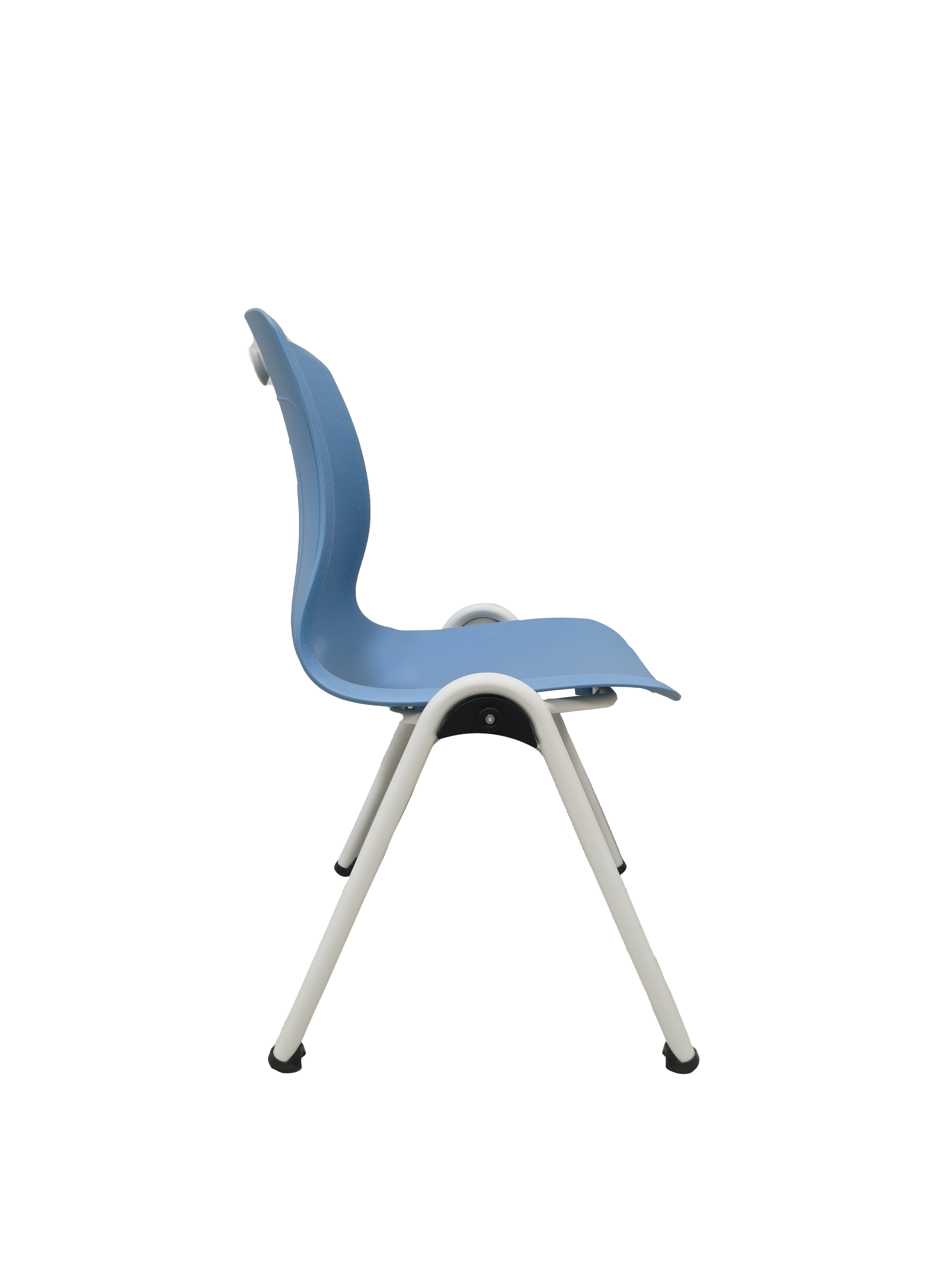
Stackable office chairs are a practical solution for businesses looking to optimize their workspace while maintaining comfort and style. These chairs are designed to be easily stored and transported, making them ideal for offices, schools, hospitals, and various commercial environments. Purchasing managers and facility managers often have concerns about durability, comfort, and cost-effectiveness. This article will help clarify key considerations, specifications, installation guidelines, applications across different industries, and common issues that may arise with stackable office chairs.
Stackable Office Chair Quality Factors
Material: Common materials include metal frames for durability, plastic seat shells for lightweight stacking, and mesh for comfort. Each material offers different benefits in terms of weight, cost, and longevity.
Weight Capacity: Typically, stackable office chairs have a weight capacity range from 250 to 400 pounds, depending on the design and material. It’s essential to verify this specification to avoid compromising safety and usability.
Dimensions: Standard chair height ranges from 17 to 19 inches, while seat widths can vary from 18 to 22 inches. Ensure to provide these dimensions in your RFQ to ensure compatibility with existing furniture. If you are looking for additional seating options for your events, consider our Foldable Chair for versatility.
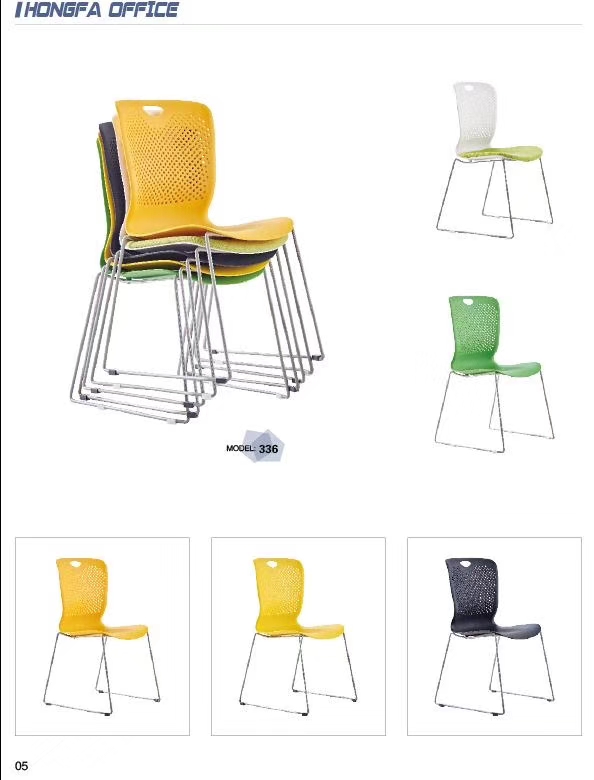
Stacking Height: The maximum stacking height is crucial for storage considerations. Most stackable chairs can stack between 6 to 10 chairs high. Check with your supplier for specific stacking capabilities.
Certifications: Look for compliance with safety standards such as BIFMA (Business and Institutional Furniture Manufacturers Association) to ensure the chairs meet industry safety and sustainability benchmarks.
Understanding these specifications will help you make informed decisions when purchasing in bulk, ensuring that the chairs meet both functional and aesthetic needs.