
Key Specifications for Quality Meeting Room Chairs

All Categories

meeting room chair

Meeting room chairs are essential components of any professional workspace, providing comfort and support for discussions, presentations, and collaborative efforts. When sourcing meeting room chairs, B2B buyers often prioritize durability, cost-effectiveness, and design aesthetics to suit their commercial environments. This article will explore key considerations for selecting quality meeting room chairs, where to source them wholesale, installation guidance, common problems and solutions, and the advantages of various materials used in their manufacture.
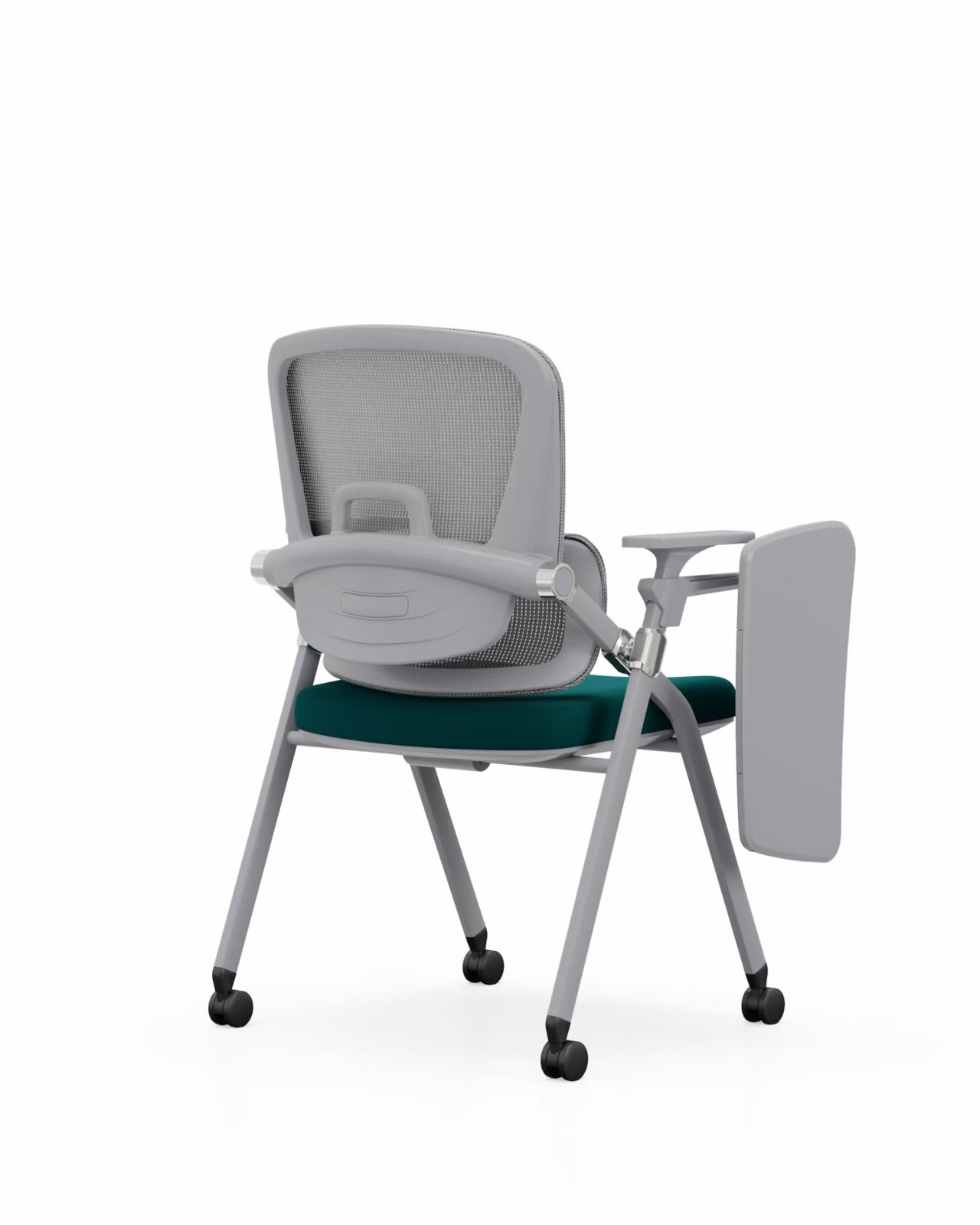
Where to Source Wholesale Meeting Room Chairs for Bulk Orders

Where to Source Wholesale Meeting Room Chairs for Bulk Orders

Sourcing wholesale meeting room chairs involves identifying reliable suppliers that can meet bulk order requirements while maintaining quality.

Manufacturer Direct: Engaging directly with manufacturers like DESTON FURNITURE can result in favorable pricing and customization options. Manufacturers often provide updated catalogs and samples, allowing buyers to assess quality before making large purchases.

Trade Shows: Attending industry trade shows is an excellent way to discover new products and suppliers. Trade shows offer opportunities to meet manufacturers face-to-face, examine products, and negotiate prices.

Online Wholesale Marketplaces: Platforms like Alibaba or ThomasNet allow buyers to compare different suppliers, read reviews, and request quotes easily. Ensure to vet suppliers through their ratings and feedback.

Local Distributors: Collaborating with local furniture distributors can facilitate quicker lead times and easier communication. They often have a good understanding of the market and can recommend suitable products.

Requesting Prototypes: Before finalizing a bulk order, request prototypes or samples to evaluate the chairs' comfort, design, and suitability for your space.
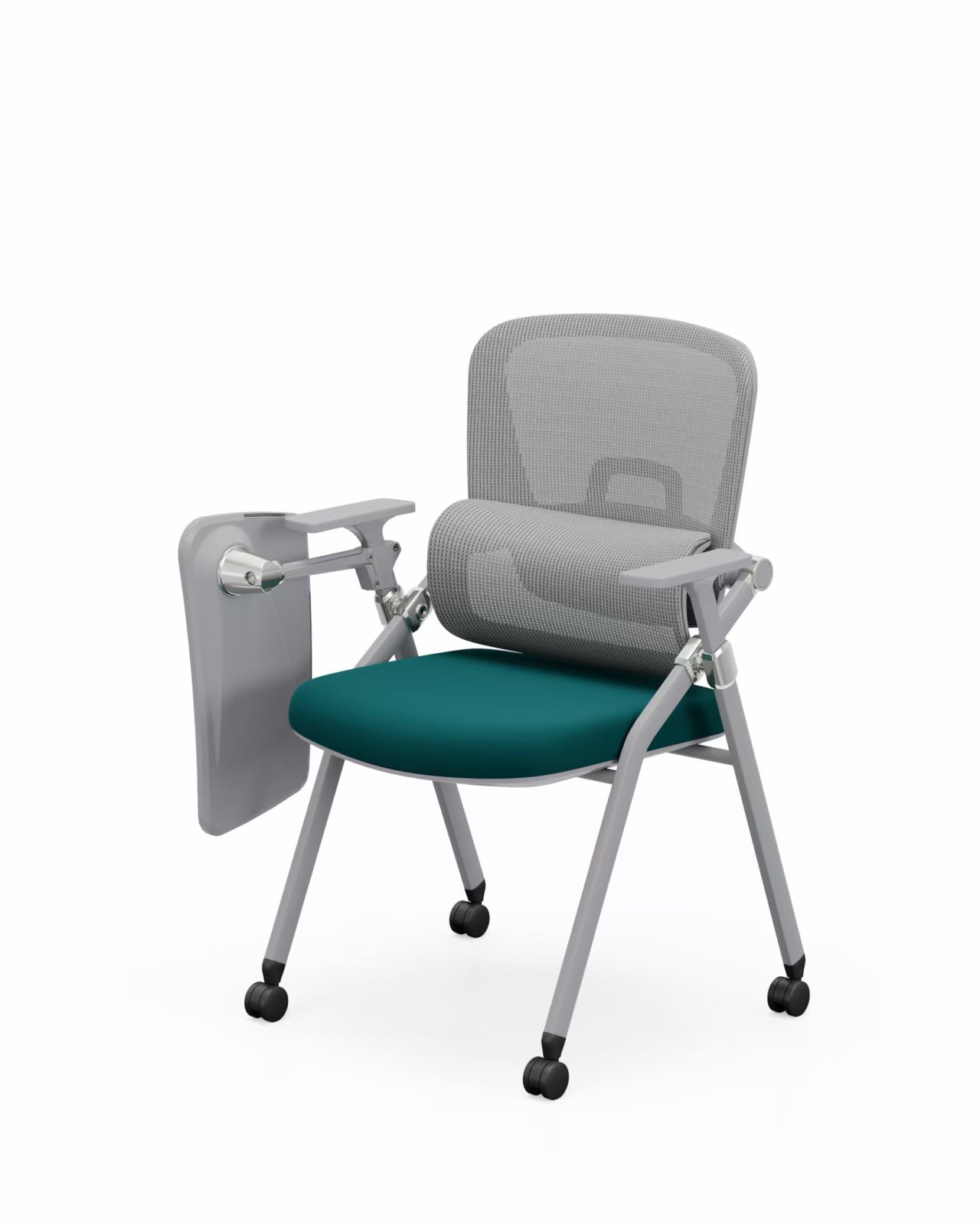
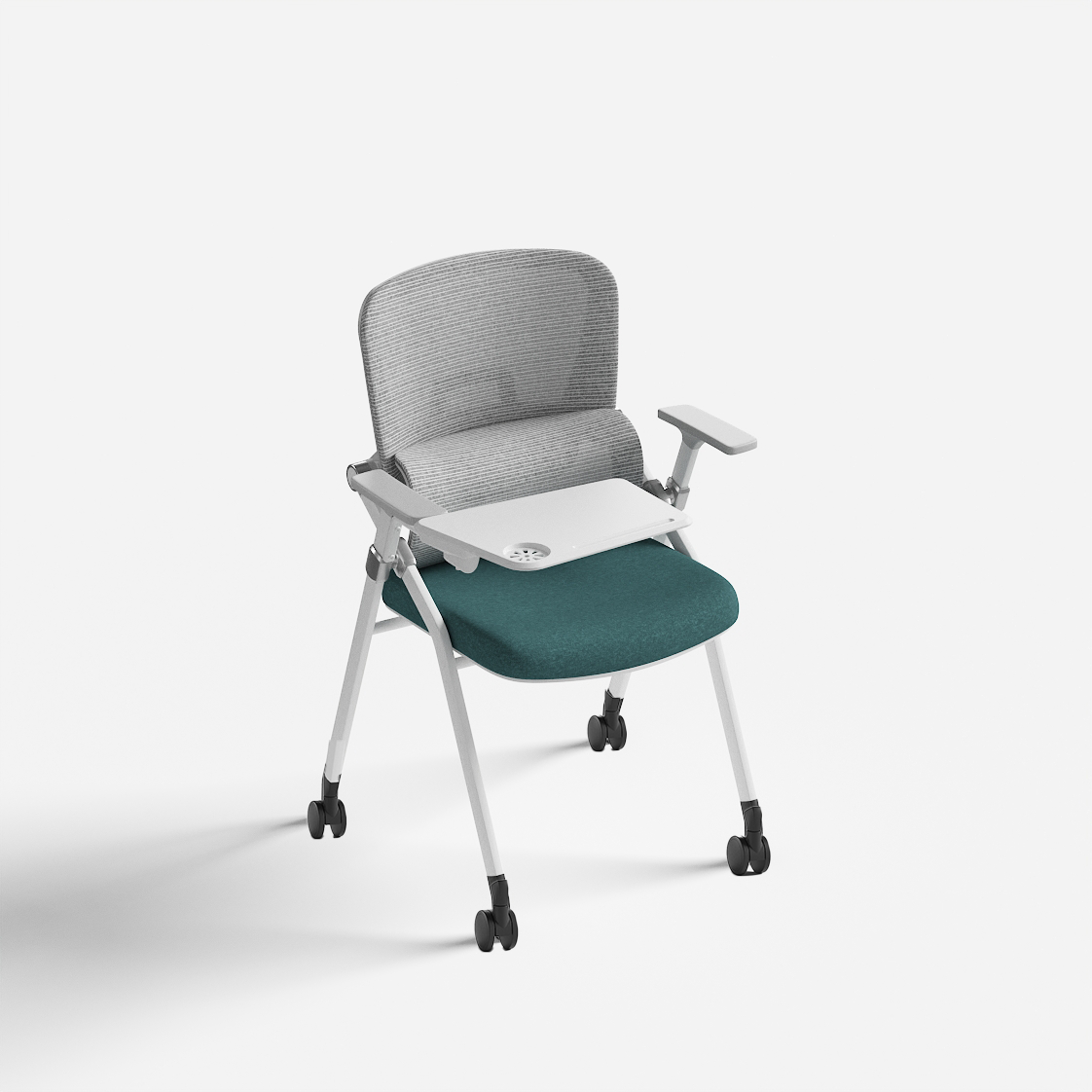
Installation Guidance for Meeting Room Chairs in Commercial Spaces

Installation Guidance for Meeting Room Chairs in Commercial Spaces

Proper installation of meeting room chairs is vital for ensuring safety and functionality. Here are some guidelines:

Assembly Instructions: Most chairs come with specific assembly instructions. Follow these closely to ensure all parts are correctly fitted.

Floor Protection: Use protective pads under chair legs to prevent damage to flooring, especially in areas with hard surfaces. This will also aid in mobility and reduce noise.

Arrangement: When setting up chairs for a meeting, consider the arrangement that fosters communication and engagement. Circular or U-shaped setups often enhance interaction.

Safety Checks: After installation, conduct a safety check on each chair. Ensure that all bolts and screws are tight and that there are no sharp edges or loose components that could pose a risk.

Regular Maintenance: Schedule regular checks to ensure that chairs remain in good condition, focusing on joints, fabric integrity, and structural stability.

Common Problems with Meeting Room Chairs and Their Solutions

Common Problems with Meeting Room Chairs and Their Solutions

Meeting room chairs can experience various issues over time. Here are some common problems and their solutions:

Worn Upholstery: Frequent use can lead to fabric wear. For chairs with fabric upholstery, consider using slipcovers or having them reupholstered. For mesh and leather, regular cleaning can extend their lifespan.

Unstable Legs: If a chair wobbles, check if the legs are uneven or if screws have loosened. Tightening screws or adding leveling feet may resolve the issue.

Difficult Adjustments: If the height adjustment mechanism becomes stiff, lubricate it with appropriate oil to ensure smooth operation. If it continues to malfunction, replacement parts may be necessary.

Mobility Issues: Chairs that don't roll smoothly can be a nuisance. Check the wheels for debris and replace them if they are damaged. Ensure they are suitable for the floor type to prevent further issues.

Squeaking Noises: Squeaking can often be remedied by applying lubricant to the moving parts. If the issue persists, consider a thorough examination for any structural wear.

Exploring Material Advantages in Durable Meeting Room Chairs

Choosing the right materials for meeting room chairs significantly affects durability and user experience. Here are some material advantages:

Mesh: Mesh is a popular choice due to its breathability and lightweight nature. It provides excellent support while allowing air circulation, making it ideal for long meetings. Mesh chairs are also easy to clean and maintain.

Fabric: Available in various colors and textures, fabric upholstery provides comfort and aesthetic appeal. High-quality fabric can resist wear and tear, and some options are stain-resistant, making them suitable for high-traffic areas.

Leather: Leather offers a classic, professional look and is easy to clean. It is durable and provides a luxurious feel, but may require regular conditioning to maintain its appearance.

Plastic: Plastic chairs are lightweight and often stackable, making them easy to store. They are highly durable and resistant to moisture, making them a great choice for multi-purpose spaces.

Wood: Wooden chairs provide a sturdy, traditional appearance. While they may require more maintenance, they offer timeless durability and can be refinished to extend their life.

Each material offers unique advantages, and selecting the right one will depend on the intended use, the expected wear and tear, and the overall design of the meeting space. Buyers should consider how each material aligns with their functional and aesthetic goals before making a decision. Additionally, chairs like the HL-651 Series Double-Back Lumbar Support Training Chair and other options can also enhance the overall experience in meeting environments.

Key Specifications to Consider for Quality Meeting Room Chairs

When evaluating meeting room chairs, several key specifications should be considered to ensure they meet the needs of your environment.

Material: The chair's upholstery can significantly impact durability and maintenance. Options include mesh for breathability, fabric for comfort, and leather for a professional finish. Mesh chairs are particularly favored in offices due to their lightweight and ergonomic design.

Adjustability: Chairs equipped with adjustable seat heights, backrests, and armrests can accommodate various user preferences, enhancing comfort during long meetings. Buyers should ensure these features are easy to use and reliable.

Weight Capacity: Understanding the weight capacity is crucial, especially for meeting spaces that host a diverse group of individuals. Standard chairs typically support up to 250 pounds, but it's essential to confirm this against user requirements.

Mobility: Consider whether the chairs need to be mobile. Models with wheels can facilitate reconfiguration of meeting spaces. Ensure that these wheels are suitable for the floor type in the meeting room.

Stackability: For spaces that require flexibility, stackable chairs like the HL-670 Series Integrally Molded Fixed Backrest Training Chair can save space. Check the stack height and stability when stacked for convenience.

Warranty and Testing Standards: Look for chairs that come with a warranty and meet industry testing standards for durability and safety. This ensures long-term investment protection.

Get a Free Quote

Our representative will contact you soon.
Name
Email
Company Name
Telephone
Message
0/1000
Attachment
Please upload at least an attachment
Up to 3 files, each no larger than 30MB. Supported formats: jpg, jpeg, png, pdf, doc, docx, xls, xlsx, csv, txt, stp, step, igs, x_t, dxf, prt, sldprt, sat, rar, zip.

Related product categories

Key Specifications for Quality Meeting Room Chairs

Get a Free Quote

Our representative will contact you soon.
Name
Email
Company Name
Telephone
Message
0/1000
Attachment
Please upload at least an attachment
Up to 3 files, each no larger than 30MB. Supported formats: jpg, jpeg, png, pdf, doc, docx, xls, xlsx, csv, txt, stp, step, igs, x_t, dxf, prt, sldprt, sat, rar, zip.