
Choosing Meeting Tables and Chairs for Your Office

All Categories

meeting table and chairs

Meeting tables and chairs are essential components of office environments, serving as focal points for collaboration, discussions, and decision-making. For B2B buyers—whether purchasing managers, office planners, or facility managers—selecting the right meeting furniture is crucial for ensuring functionality, comfort, and aesthetics in a workspace. This article aims to address key considerations when selecting meeting tables and chairs, including material options, common challenges, and applications across various industries, helping buyers make informed purchasing decisions.
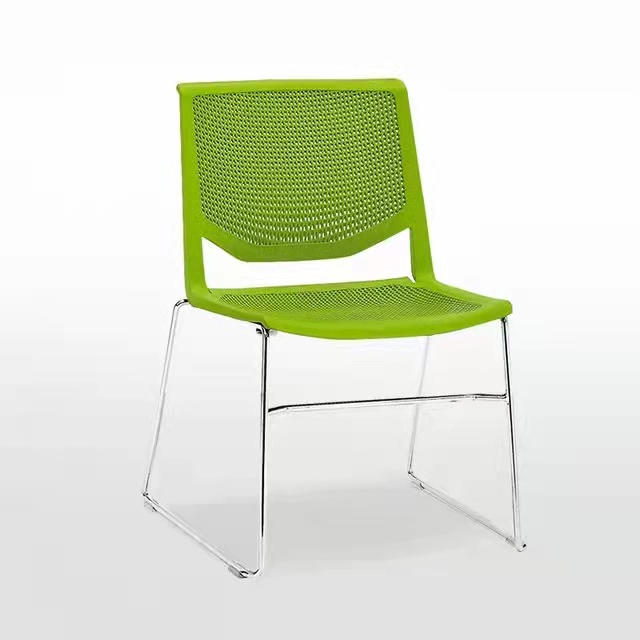
Wholesale Options for Quality Meeting Tables and Chairs

Wholesale Options for Quality Meeting Tables and Chairs

For organizations looking to purchase meeting tables and chairs in bulk, exploring wholesale options can provide cost-effective solutions without compromising on quality. Suppliers like DESTON FURNITURE often offer special pricing for bulk orders, which can significantly reduce overall costs. When approaching suppliers for wholesale purchases, it’s important to communicate specific requirements, including quantity, material preferences, and design specifications. Options such as the HL-670 Series Integrally Molded Fixed Backrest Training Chair can be ideal for meeting spaces.

Buyers should also confirm the minimum order quantity (MOQ) and any available customization options. Customization capabilities can include branding, colors, and specific sizes or configurations that align with the organization’s needs. Establishing a good relationship with the supplier can lead to better pricing, more favorable terms, and enhanced support throughout the purchasing process.
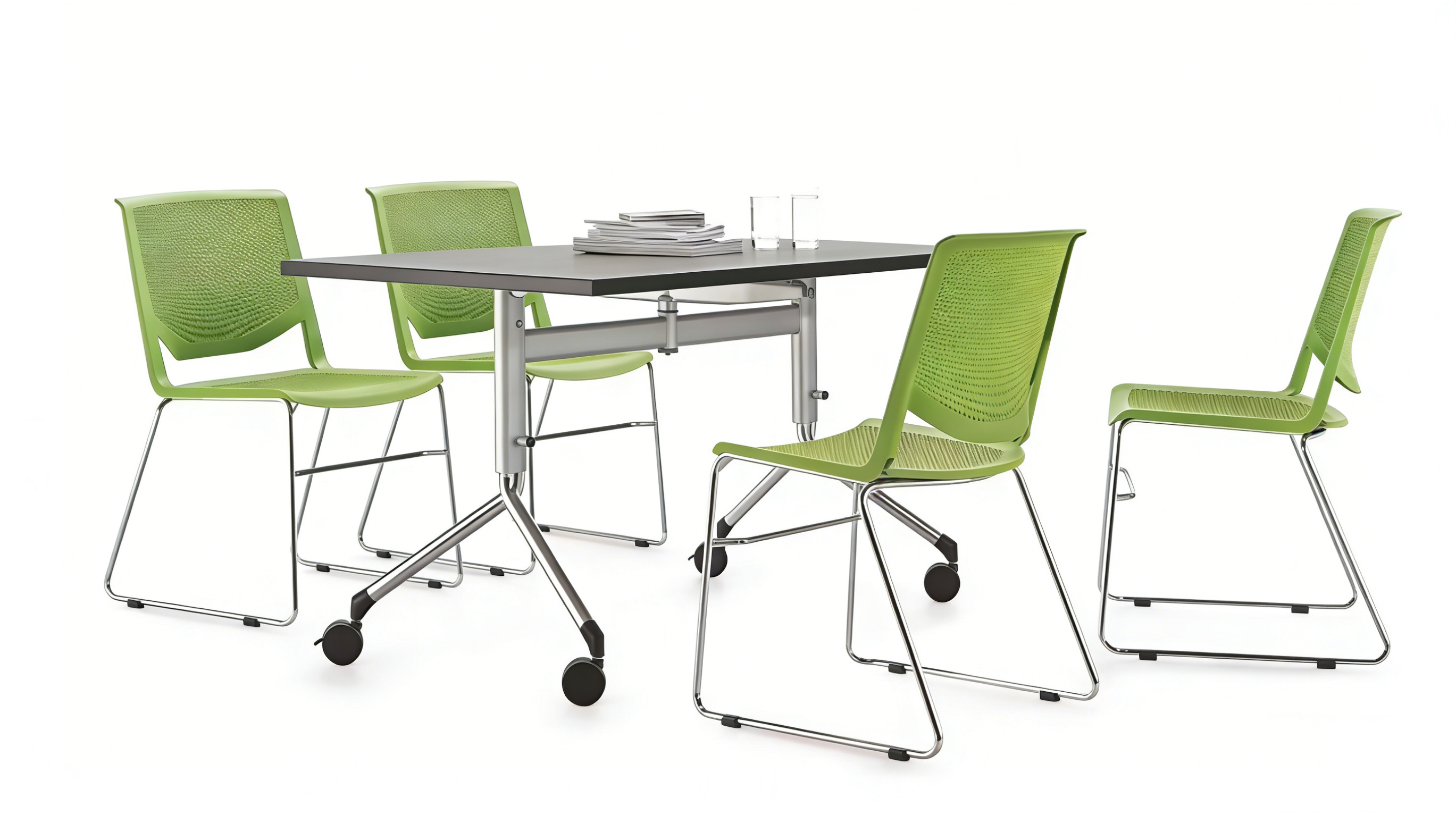
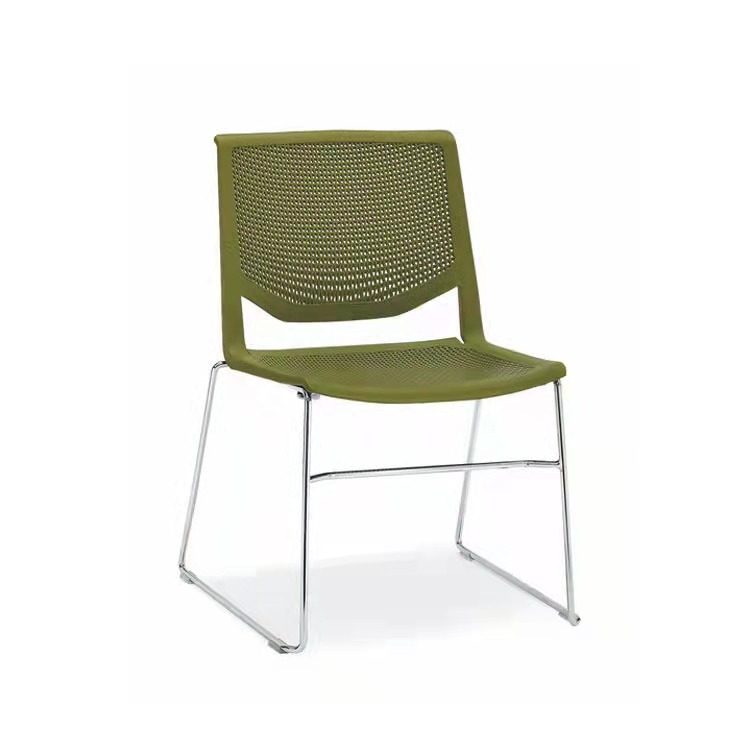
Common Problems with Meeting Furniture and Effective Solutions

Common Problems with Meeting Furniture and Effective Solutions

Meeting furniture can present various challenges, which can impact usability and overall satisfaction. One common issue is the mismatch between the size of the furniture and the space. To avoid this, buyers should always measure the meeting area and consider how many participants will regularly use the space.

Another issue is durability. Furniture that experiences heavy use must be constructed from robust materials to withstand wear and tear. Buyers should inquire about the quality of materials used and any warranties offered by the manufacturer. For example, tables made from high-pressure laminate or solid wood can offer greater longevity compared to lower-quality alternatives. Choosing products like the HL-651 Series Double-Back Lumbar Support Training Chair can help ensure durability.

Additionally, comfort is paramount. Chairs that lack proper support can lead to discomfort during long meetings, causing distractions. It is advisable to test chairs for comfort before purchasing, ensuring they meet ergonomic standards. A sample approval process can help buyers evaluate comfort and aesthetics before finalizing a large order.

Applications of Meeting Tables and Chairs in Various Industries

Applications of Meeting Tables and Chairs in Various Industries

Meeting tables and chairs have versatile applications across different sectors. In corporate environments, they facilitate team meetings, brainstorming sessions, and client presentations. Educational institutions utilize them for classrooms and collaborative spaces, promoting interactive learning experiences.

Healthcare settings also require specialized meeting furniture. For instance, tables in hospitals may need to accommodate larger groups for staff meetings or patient consultations. In this case, easy-to-clean materials and designs that comply with health regulations can be vital.

Furthermore, in government and non-profit organizations, meeting spaces must often reflect a professional image while being functional for various group sizes. This diversity in application emphasizes the importance of selecting furniture that aligns with the specific requirements of each industry.

Comparing Different Materials for Meeting Tables and Chairs in Bulk

Material selection plays a significant role in the performance and aesthetics of meeting tables and chairs. Common materials used in office furniture include wood, metal, and various plastics, each with its unique advantages.

Wood: Often favored for its classic look and durability, wood can provide warmth and professionalism to any meeting space. Solid wood tables, however, may come at a higher price point compared to veneer or laminate options.

Metal: Metal frames are typically more robust and can support heavier loads. They are often used in modern designs and can be combined with other materials for aesthetic appeal. Metal finishes can vary, with options ranging from polished chrome to matte black.

Plastic: Lightweight and often more affordable, plastic chairs and tables can be excellent for flexible work environments. However, buyers should consider the quality and thickness of the plastic to ensure it meets durability standards.

When selecting materials, buyers should also consider maintenance requirements. For example, laminate surfaces are easier to clean and maintain than wood, which may require more care to preserve its appearance over time. Evaluating the expected usage and environment will help determine the most suitable materials for meeting furniture.

By carefully considering these factors, organizations can enhance their meeting spaces with furniture that meets their aesthetic and functional needs while ensuring comfort and durability.

Choosing the Right Meeting Table and Chairs for Your Office Needs

When selecting meeting tables and chairs, buyers should consider several factors to ensure the furniture meets the unique needs of their organization. First, evaluate the size of the meeting space. This includes determining the dimensions of the room and the number of expected participants. A table that is too large can make a space feel cramped, while one that is too small may not accommodate all attendees comfortably.

Next, consider the style and design of the furniture. The meeting space should reflect the company's brand and culture. A modern office might benefit from sleek, minimalist designs, while a more traditional environment might call for classic wooden tables and upholstered chairs. Ergonomics is another critical factor; chairs should provide adequate support for long meetings to promote productivity and comfort.

Lastly, think about the functionality of the furniture. Many companies require flexibility in their meeting spaces, so tables with extendable features or modular designs can be beneficial. Additionally, consider integrated technology options, such as power outlets or cable management systems, to accommodate presentations and remote participants.

Get a Free Quote

Our representative will contact you soon.
Name
Email
Company Name
Telephone
Message
0/1000
Attachment
Please upload at least an attachment
Up to 3 files, each no larger than 30MB. Supported formats: jpg, jpeg, png, pdf, doc, docx, xls, xlsx, csv, txt, stp, step, igs, x_t, dxf, prt, sldprt, sat, rar, zip.

Related product categories

Choosing Meeting Tables and Chairs for Your Office

Get a Free Quote

Our representative will contact you soon.
Name
Email
Company Name
Telephone
Message
0/1000
Attachment
Please upload at least an attachment
Up to 3 files, each no larger than 30MB. Supported formats: jpg, jpeg, png, pdf, doc, docx, xls, xlsx, csv, txt, stp, step, igs, x_t, dxf, prt, sldprt, sat, rar, zip.