
Choosing Indoor Stackable Chairs for Your Projects

All Categories

indoor stackable chairs

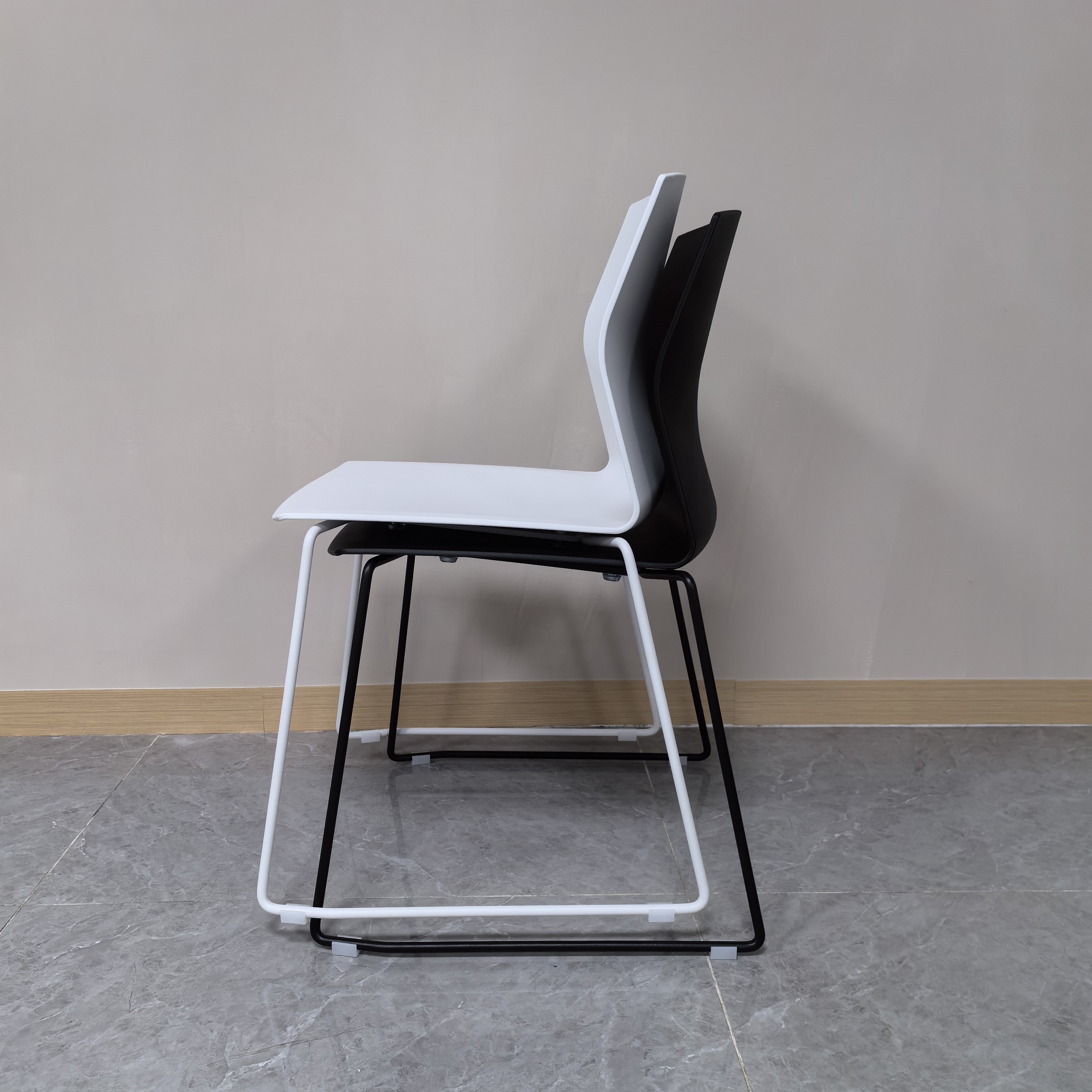
Indoor stackable chairs are versatile seating solutions designed for various commercial environments, such as offices, schools, and hospitals. These chairs are favored for their space-saving capabilities, ease of storage, and adaptability to different settings. As a B2B buyer, understanding the selection criteria, material advantages, and installation guidelines for indoor stackable chairs is crucial for making informed purchasing decisions. This article will delve into essential considerations for choosing these chairs, evaluate reliable suppliers, discuss material benefits for durability, provide installation guidance, and address common challenges and solutions associated with indoor stackable chairs.
Reliable Suppliers of Indoor Stackable Chairs

Reliable Suppliers of Indoor Stackable Chairs

When looking for suppliers of indoor stackable chairs, it's essential to evaluate their reputation and reliability. A trusted supplier should have a proven track record in the industry, along with positive customer reviews. One approach is to seek manufacturers like DESTON FURNITURE, which specializes in office and commercial furniture, ensuring a focus on quality and design.

Investigate the supplier's manufacturing capabilities and quality control processes. A supplier with in-house design and strict quality assessments can provide assurance that the products meet your standards. Additionally, understanding their lead times for production and delivery is crucial, especially if your project has specific deadlines.

Engaging with suppliers who offer customization options can also enhance your purchasing experience, allowing you to tailor products to meet specific requirements. Always request quotations and compare them between different suppliers to ensure you are receiving competitive pricing for the value offered.
Material Advantages of Indoor Stackable Chairs for Durability

Material Advantages of Indoor Stackable Chairs for Durability

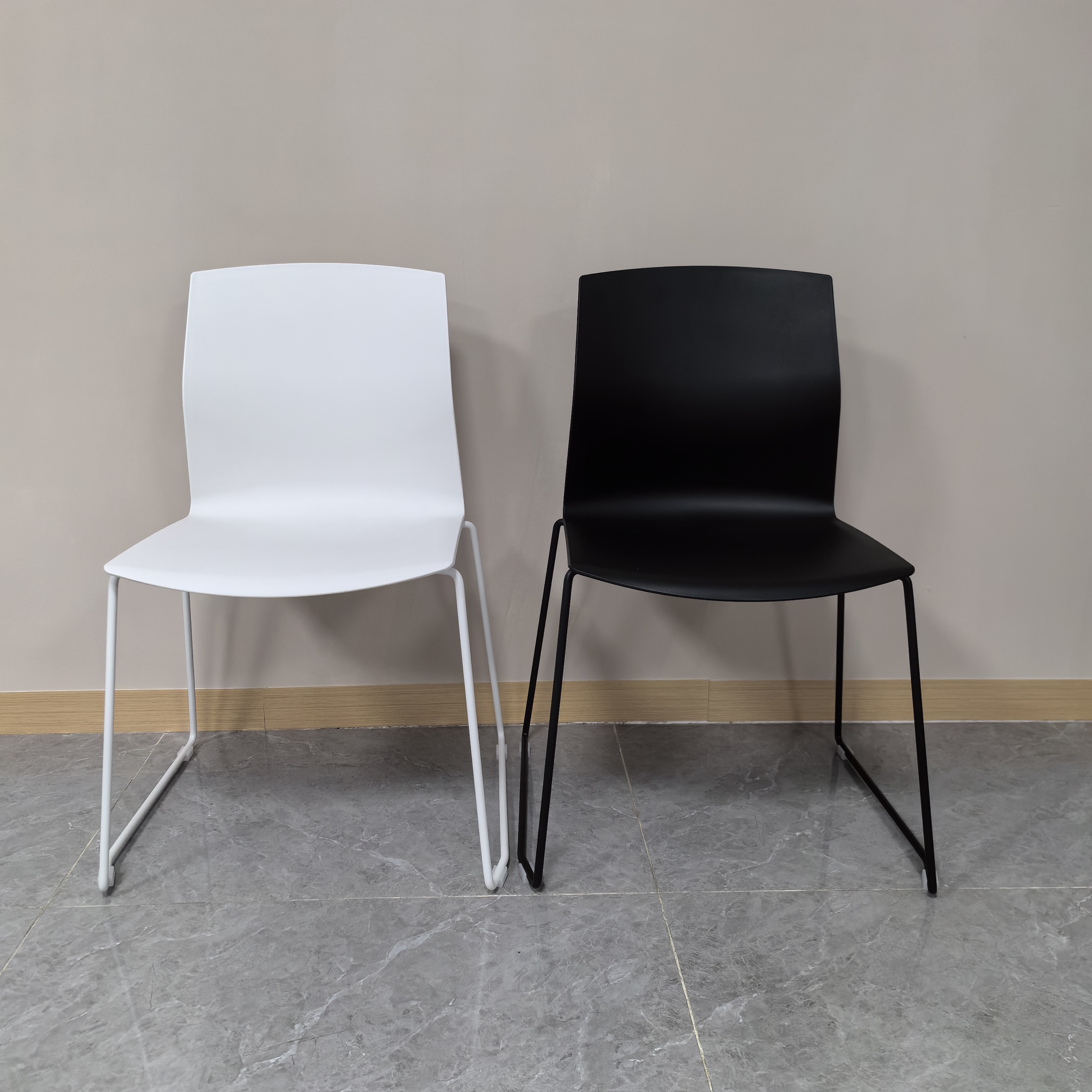
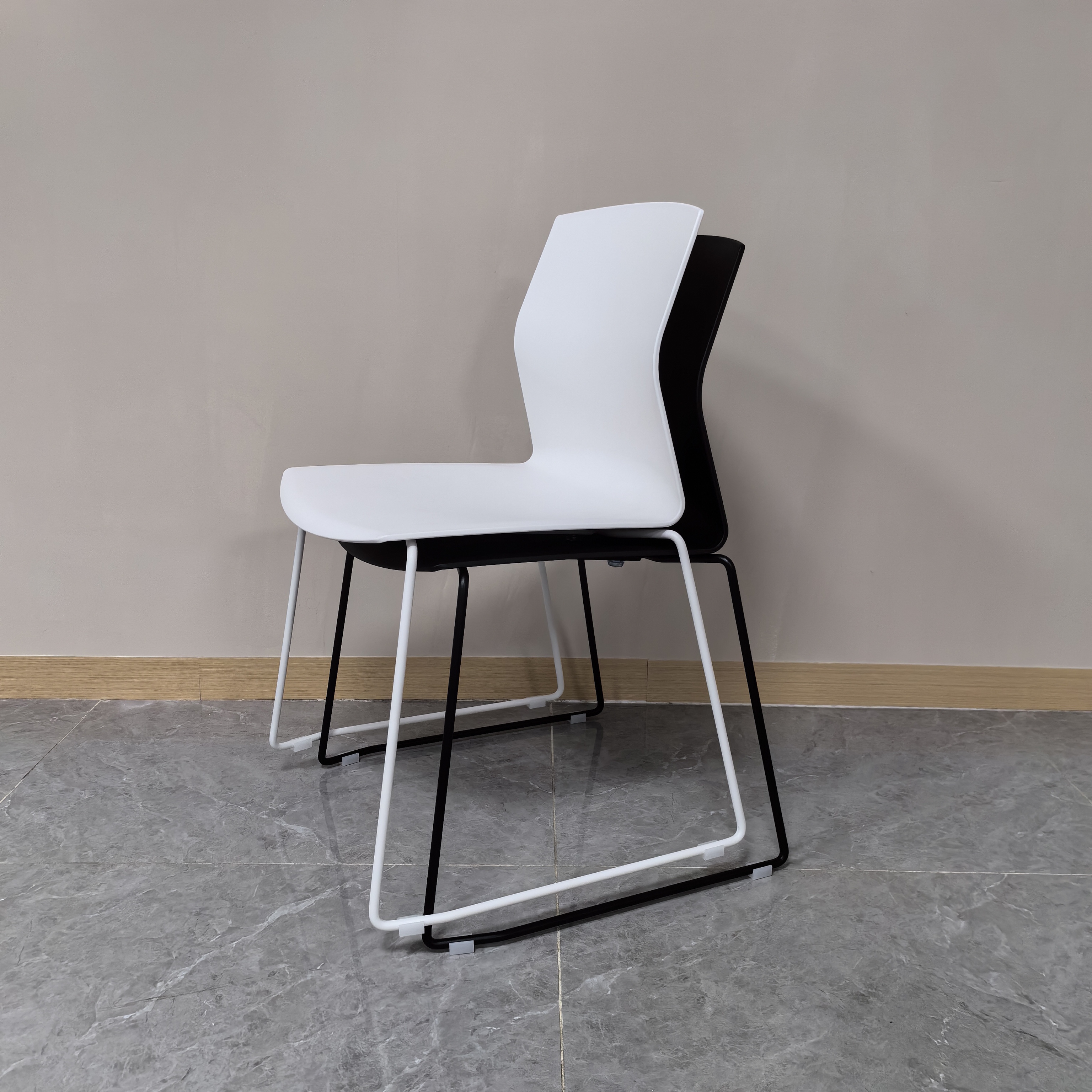
The materials used in manufacturing indoor stackable chairs greatly influence their durability and performance. Common materials include high-density polyethylene (HDPE), polypropylene, and metal frames, each providing unique benefits. For instance, HDPE is known for its resistance to scratches, moisture, and UV exposure, making it ideal for both indoor and outdoor use.

Polypropylene chairs are lightweight, easy to clean, and often available in a variety of colors, which can enhance the aesthetic appeal of any space. Metal frames, particularly those made from steel or aluminum, offer robust support and stability, making them suitable for high-use environments. Consider options such as Stackable Chair designs that incorporate these materials for added durability.

It's important to consider the load capacity of the chairs as well, ensuring that they can accommodate the anticipated user weight. This specification will help prevent premature wear and tear. Additionally, consider the finish on the materials, as certain coatings can enhance resistance to stains and abrasions, improving the overall longevity of the chairs.

Installation Guidance for Indoor Stackable Chairs in Commercial Spaces

Installation Guidance for Indoor Stackable Chairs in Commercial Spaces

Installing indoor stackable chairs in commercial spaces requires careful planning to optimize space and accessibility. Start by determining the layout of the area where the chairs will be placed. Ensure that there is adequate space for movement and that the arrangement facilitates easy access for users.

When unpacking the chairs, inspect each piece for damage or defects, and verify that the correct quantity has been received. It’s advisable to have a designated installation team or personnel trained in handling the products to ensure that the chairs are assembled correctly, especially if they require any assembly upon delivery.

For venues that may require frequent reconfiguration, such as conference rooms or event spaces, consider implementing a color-coded system or labels to streamline the setup process. This approach can significantly reduce time spent in rearranging the seating and enhance overall efficiency during events.

Common Problems with Indoor Stackable Chairs and Effective Solutions

Despite their many advantages, indoor stackable chairs can present challenges that buyers should be aware of. One common issue is stability during stacking. Chairs that do not stack securely can become a safety hazard. To mitigate this, look for chairs designed with interlocking features that enhance stability when stacked.

Another potential problem is wear and tear on chair surfaces. Frequent use can lead to scratches or fading, especially in high-traffic areas. Consider chairs with durable finishes or those that can be easily maintained, such as wipe-clean surfaces.

Additionally, improper storage can lead to damage. Ensure that the storage area is dry and free of excessive humidity to prevent mold or degradation of materials. Educate staff on proper stacking methods to prolong the life of the chairs.

By understanding these common issues and their solutions, buyers can make more informed decisions, ensuring that their choice of indoor stackable chairs meets both functional and aesthetic needs. With these insights, you can confidently navigate the selection and procurement process for indoor stackable chairs, ensuring that they meet your specific project requirements while delivering long-term value and usability.

Choosing the Right Indoor Stackable Chairs for Your Projects

Selecting the appropriate indoor stackable chairs for your project involves evaluating several key factors. First, consider the intended use of the chairs. For example, if they will be used in a high-traffic environment like a school or hospital, durability and easy maintenance should be prioritized. Look for chairs that offer robust construction, such as those made from high-quality plastics or metals, which can withstand frequent use. Additionally, consider options like Dining Table setups that complement these chairs.

Next, assess the ergonomic features of the chairs. Comfort is vital, especially for spaces where individuals may sit for extended periods. Features such as lumbar support, padded seats, and breathable materials can enhance user comfort. Additionally, consider the chair's weight and stackability. A lighter chair may be easier to handle and store, while those designed for stacking should offer a secure fit to prevent slipping during storage.

Lastly, customizability can be an important factor. Consider whether you need specific colors or branding options to align with your company’s aesthetic. Engaging with suppliers who can provide samples or prototypes will allow you to evaluate the chairs' comfort and performance before placing a bulk order.

Get a Free Quote

Our representative will contact you soon.
Name
Email
Company Name
Telephone
Message
0/1000
Attachment
Please upload at least an attachment
Up to 3 files, each no larger than 30MB. Supported formats: jpg, jpeg, png, pdf, doc, docx, xls, xlsx, csv, txt, stp, step, igs, x_t, dxf, prt, sldprt, sat, rar, zip.

Related product categories

Choosing Indoor Stackable Chairs for Your Projects

Get a Free Quote

Our representative will contact you soon.
Name
Email
Company Name
Telephone
Message
0/1000
Attachment
Please upload at least an attachment
Up to 3 files, each no larger than 30MB. Supported formats: jpg, jpeg, png, pdf, doc, docx, xls, xlsx, csv, txt, stp, step, igs, x_t, dxf, prt, sldprt, sat, rar, zip.