
Choosing the Best Folding Training Table for Your Needs

All Categories

folding training table

Folding training tables are versatile and practical solutions for various settings, including offices, educational institutions, and commercial environments. These tables are designed to be easily stored and transported, catering to a range of needs from training sessions to conferences. As a purchasing manager or product manager, understanding the key factors in selecting the right folding training table is essential. This article will provide insights into choosing the right model, sourcing reliable suppliers, installation guidance, material considerations, and common issues associated with folding training tables.
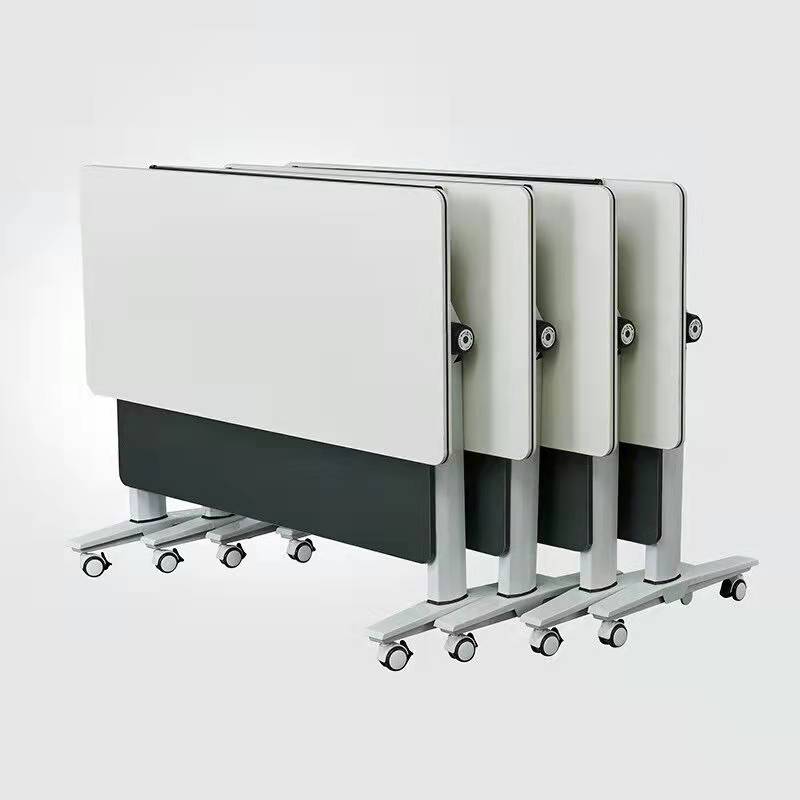
Where to Source Reliable Suppliers for Folding Training Tables

Where to Source Reliable Suppliers for Folding Training Tables

Sourcing reliable suppliers for folding training tables involves a few strategic steps. Start by researching manufacturers known for their quality and reputation in the office and commercial furniture sector. Industry trade shows, online marketplaces, and professional forums can provide insights into potential suppliers.

Evaluate suppliers based on their manufacturing capabilities. Look for companies that offer customization options, as this flexibility allows you to tailor the tables to your specific needs. Check their production processes, as established manufacturers often maintain strict quality control measures.

Request references or case studies from previous clients to assess supplier reliability. Additionally, consider suppliers like DESTON FURNITURE, which specializes in durable, cost-effective solutions and has a proven track record in delivering to various markets, including schools and hospitals. For example, their HL-651 Series Double-Back Lumbar Support Training Chair is an excellent choice.
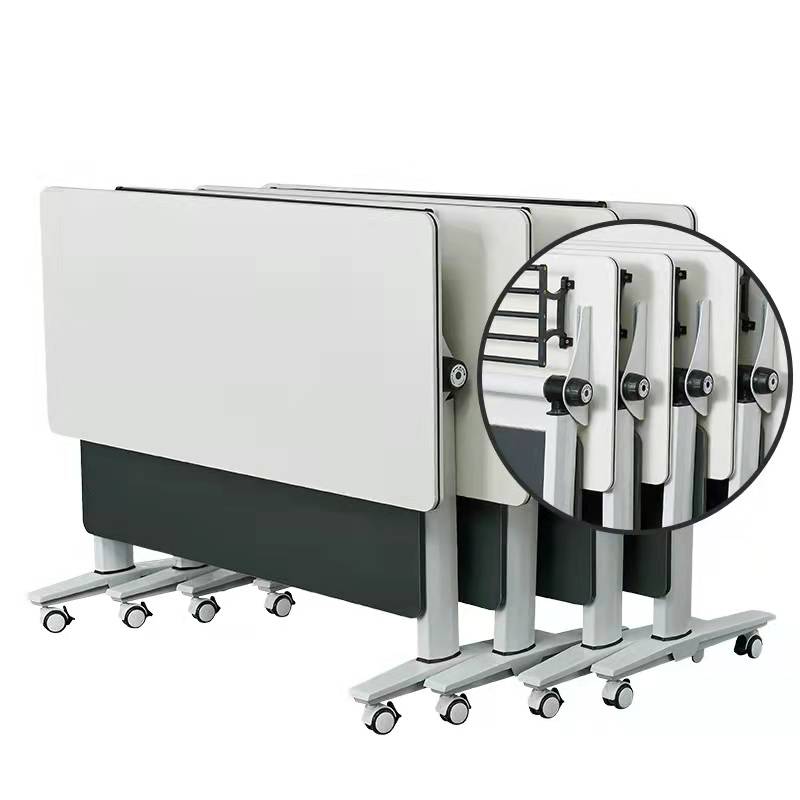
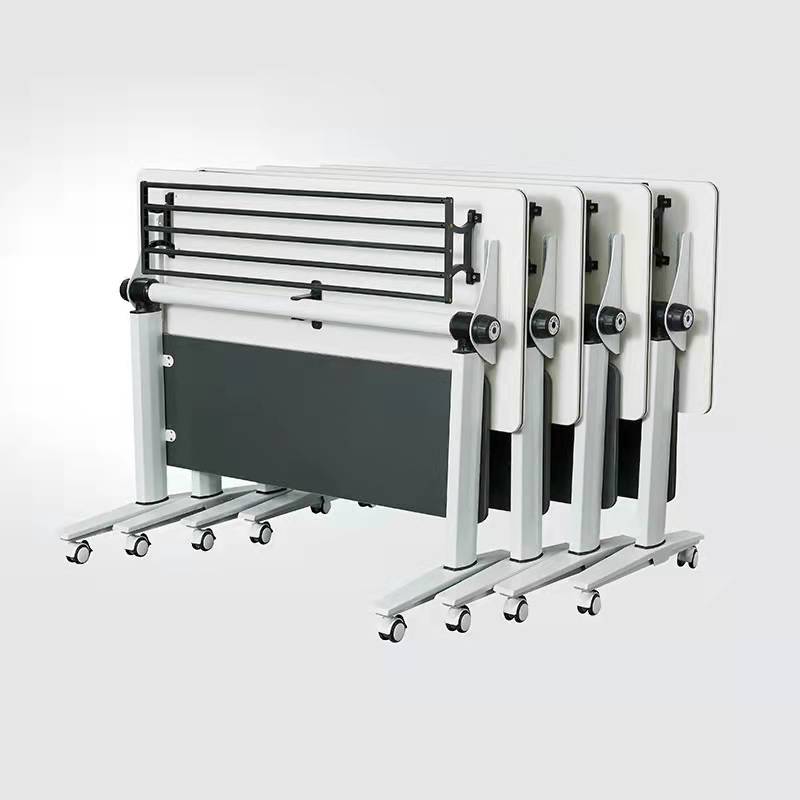
Installation Guidance for Efficient Use of Folding Training Tables

Installation Guidance for Efficient Use of Folding Training Tables

Efficient installation of folding training tables can enhance their usability in your workspace. Start by arranging a designated area where the tables will be set up. Ensure sufficient space not only for the tables but also for chairs and accessibility.

When unpacking the tables, inspect them for any signs of damage incurred during shipping. Make sure all components are included, such as legs, brackets, and any assembly tools. Follow the manufacturer’s assembly instructions carefully. Proper assembly is crucial to ensure stability and safety during use.

For optimal efficiency, consider the layout of the tables. Arranging them in a U-shape or classroom style can enhance interaction during training sessions. If the tables are frequently moved or stored, ensure that the folding mechanism is functioning smoothly to facilitate quick setup and takedown.

Comparing Material Advantages in Folding Training Tables

Comparing Material Advantages in Folding Training Tables

The choice of material for folding training tables significantly impacts their performance, durability, and overall usability. Common materials include laminate, plywood, and metal frames.

Laminate surfaces are popular due to their easy maintenance and resistance to scratches and stains, making them ideal for high-traffic environments. Plywood tables, while often heavier, provide a more robust structure and a classic look that may suit certain professional settings.

Metal frames offer superior strength and durability, ensuring the table withstands frequent use. These frames can be powder-coated for additional protection against corrosion. Consider the environmental conditions where the tables will be used; for example, if exposed to moisture, opting for water-resistant materials is advisable.

Additionally, assess the weight of the materials. Lightweight tables are easier to transport and store, while heavier tables tend to provide better stability during use. Ensure the selected materials align with your specific application requirements.

Common Problems with Folding Training Tables and Their Solutions

Despite their benefits, folding training tables can encounter common issues that may affect their functionality. One prevalent problem is instability, often caused by uneven floors or improper assembly. To mitigate this, ensure that all legs are fully extended and locked in place during setup.

Another issue may arise from the folding mechanism. Over time, wear and tear can lead to difficulty in folding or unfolding the table. Regular maintenance checks should be conducted, including lubrication of hinges and inspection for any broken parts.

Surface damage, such as scratches or dents, can also occur. To address this, consider using table covers during events to protect the surface. If damage does occur, look for manufacturers that offer replacement parts or repair services.

Lastly, for tables that are frequently moved, ensure that your supplier provides a warranty or support for any potential issues that may arise after purchase. This level of support can greatly enhance the longevity and usability of your investment.

By understanding these key aspects of folding training tables, you can make informed decisions that align with your organization's needs, ensuring you select the most suitable product for your business environment.

Choosing the Right Folding Training Table for Your Business Needs

When selecting a folding training table, consider several critical factors to meet your specific business requirements. First, evaluate the intended use of the table. Will it primarily serve training sessions, meetings, or events? This determines the size, shape, and configuration of the table. For instance, the HL-670 Series Integrally Molded Fixed Backrest Training Chair is a great addition to any setup.

Next, consider dimensions. Standard widths range from 24 to 30 inches, while lengths typically vary from 48 to 72 inches. The height should align with user comfort—most training tables are around 30 inches tall, but adjustable options are available for greater flexibility. The weight capacity is another important specification; ensure the table can support the expected load, which may include laptops, documents, or presentation equipment.

Finally, think about the design and aesthetics. A table that complements your office or training room decor can enhance the overall environment. Materials and finishes should also be durable, easy to clean, and resistant to wear and tear, especially in high-traffic areas.

Get a Free Quote

Our representative will contact you soon.
Name
Email
Company Name
Telephone
Message
0/1000
Attachment
Please upload at least an attachment
Up to 3 files, each no larger than 30MB. Supported formats: jpg, jpeg, png, pdf, doc, docx, xls, xlsx, csv, txt, stp, step, igs, x_t, dxf, prt, sldprt, sat, rar, zip.

Related product categories

Choosing the Best Folding Training Table for Your Needs

Get a Free Quote

Our representative will contact you soon.
Name
Email
Company Name
Telephone
Message
0/1000
Attachment
Please upload at least an attachment
Up to 3 files, each no larger than 30MB. Supported formats: jpg, jpeg, png, pdf, doc, docx, xls, xlsx, csv, txt, stp, step, igs, x_t, dxf, prt, sldprt, sat, rar, zip.