
Evaluating Work from Home Chair Durability

All Categories

work from home chair

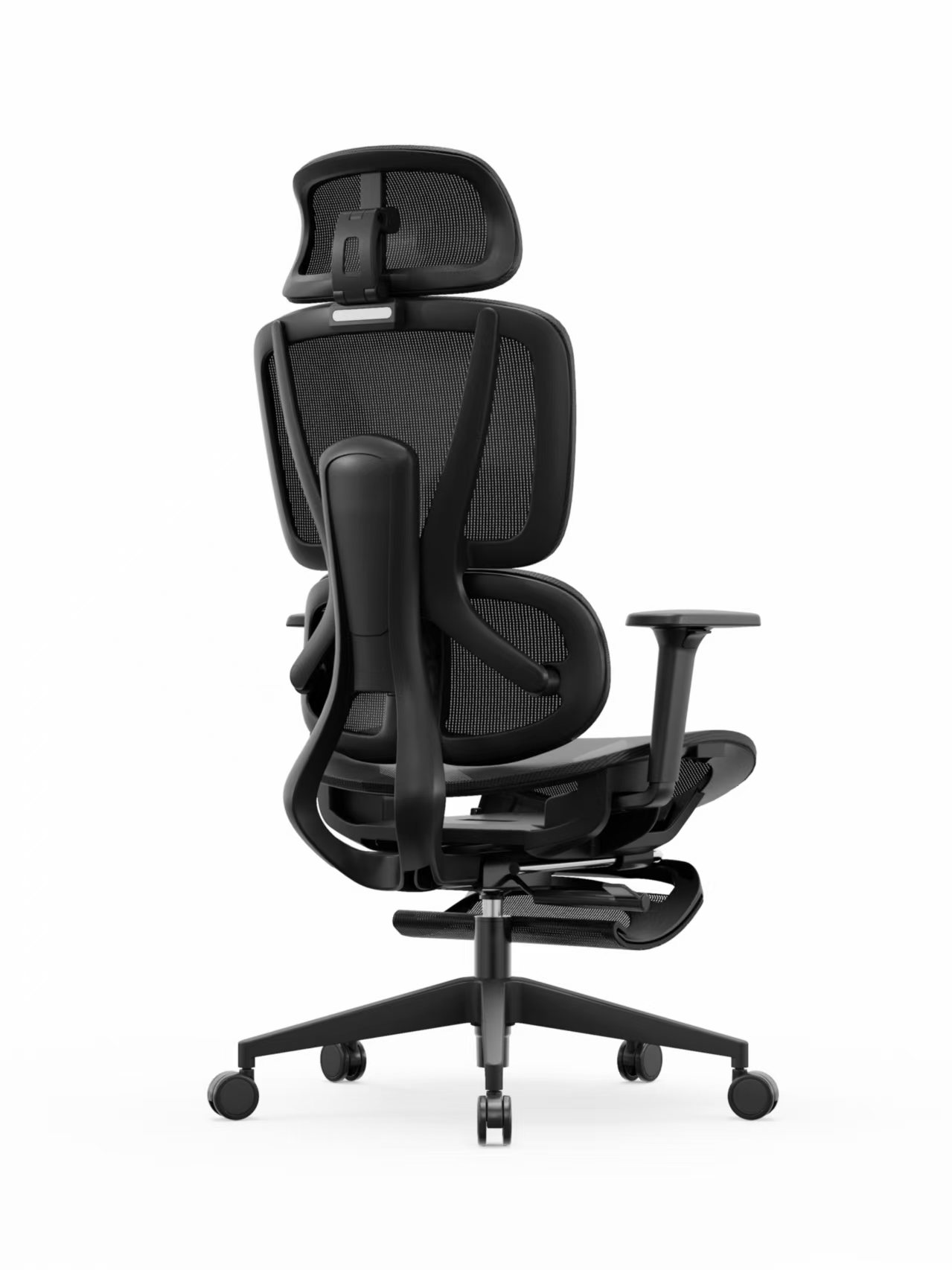
In the modern work environment, the demand for comfortable and functional work-from-home chairs has surged. As employees transition to remote work, purchasing managers and procurement professionals are tasked with selecting the right office furniture that balances comfort, durability, and ergonomic design. This article will guide you through essential considerations for evaluating work-from-home chairs, including durability, supplier sourcing, common issues and solutions, installation guidance for large projects, and material comparisons.
Where to Source Reliable Suppliers for Work from Home Chairs

Where to Source Reliable Suppliers for Work from Home Chairs

Sourcing reliable suppliers for work-from-home chairs involves research and due diligence. Start by identifying manufacturers with a strong reputation in office furniture production, such as DESTON FURNITURE, which specializes in durable and cost-effective solutions. Utilizing online directories, trade shows, and industry publications can help you discover potential suppliers. For example, consider comparing options like Dining Table as part of your overall furniture selection.

Reach out to industry peers and forums for recommendations and insights into suppliers’ performance. When evaluating suppliers, consider their production capabilities, quality control processes, and customization options. A supplier that offers a range of materials and designs can better meet your specific needs. Requesting samples before placing larger orders can also help assess product quality firsthand.

It’s essential to check for supplier certifications that indicate compliance with industry standards related to safety and sustainability. Certifications like ISO 9001 can provide assurance regarding the manufacturer’s commitment to quality management.
Common Problems with Work from Home Chairs and Their Solutions

Common Problems with Work from Home Chairs and Their Solutions

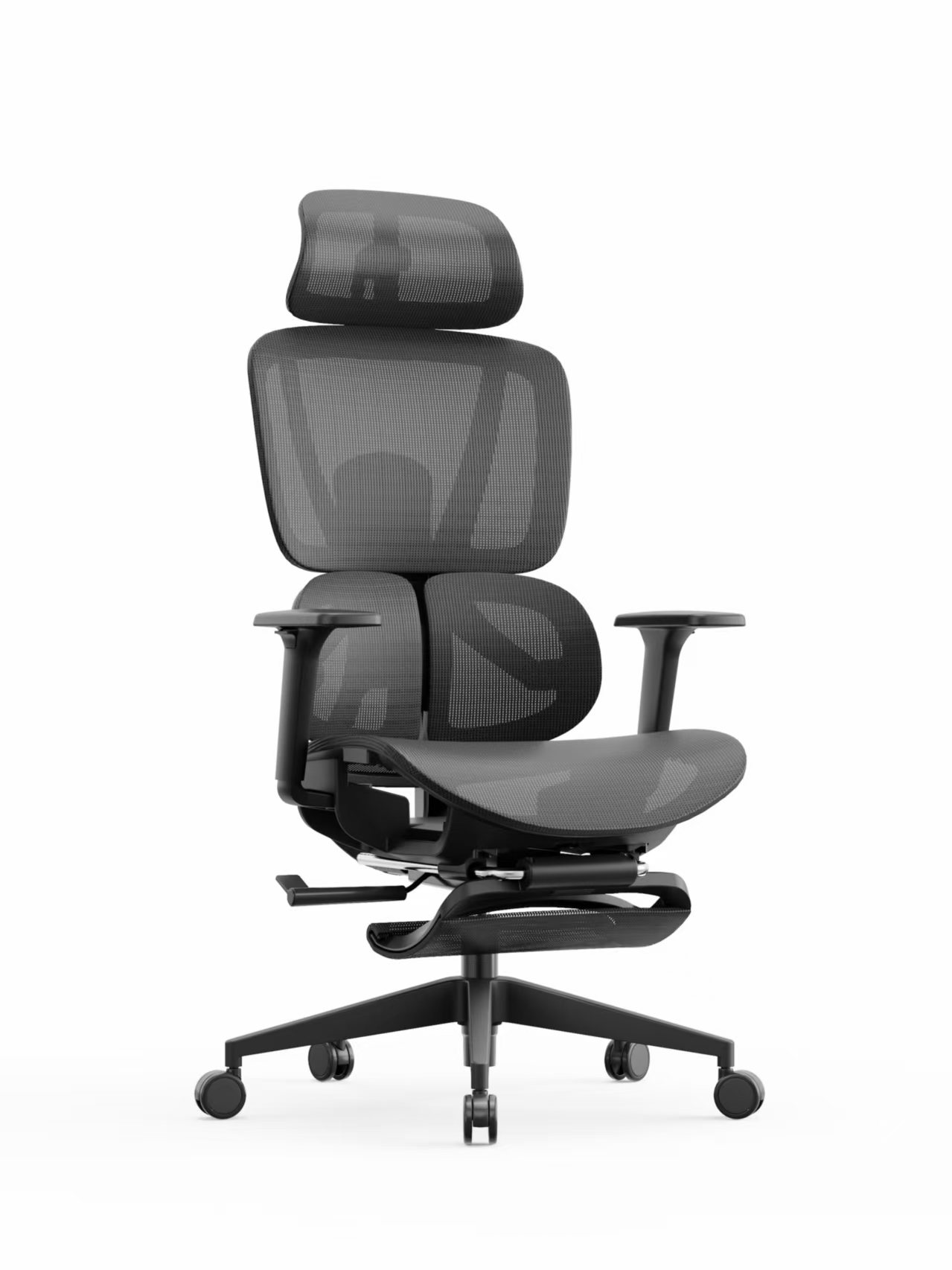
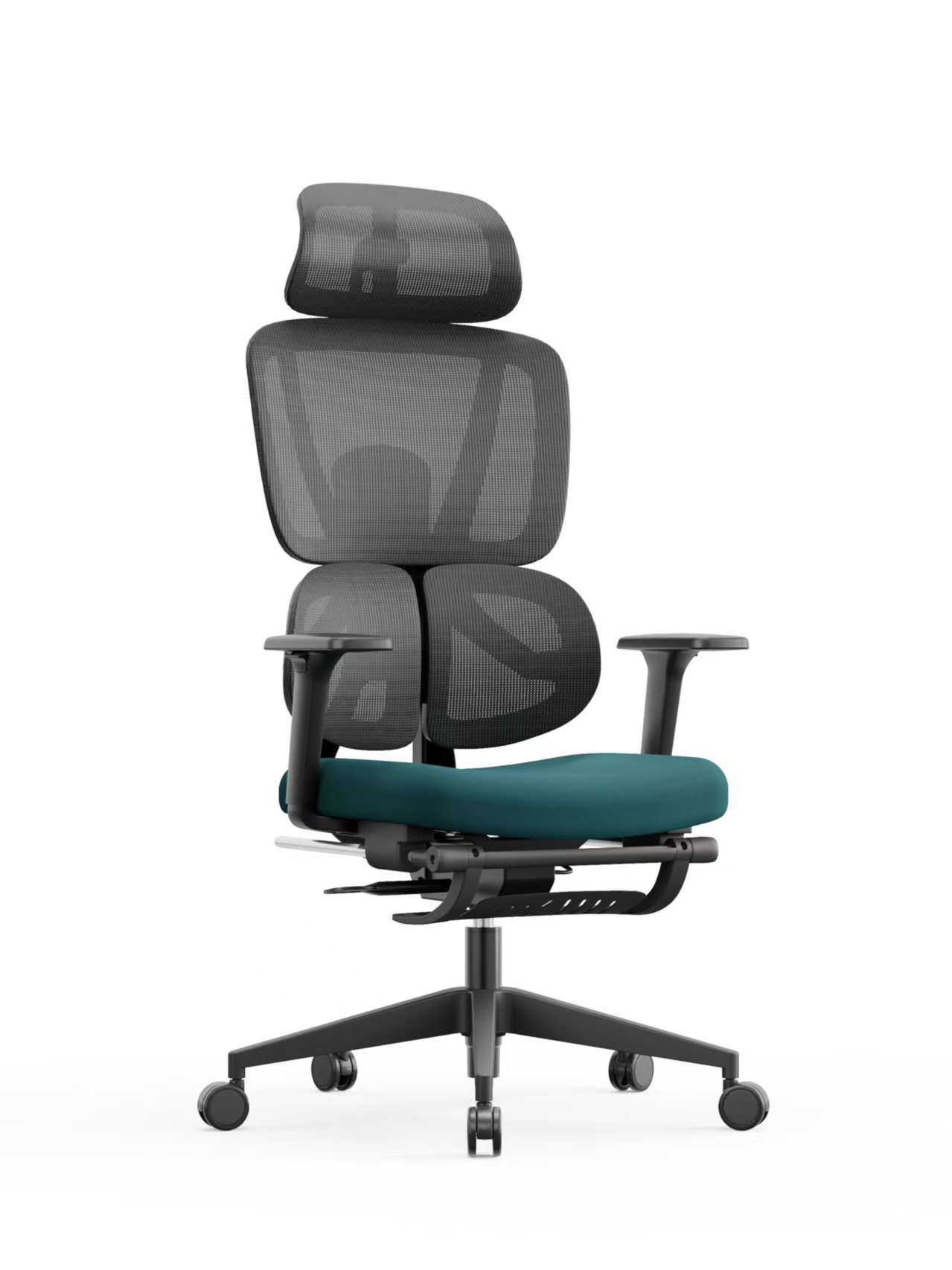
Several common issues can arise with work-from-home chairs, and being aware of these can help buyers make informed decisions. One frequent problem is inadequate lumbar support, which can lead to long-term back pain. When selecting chairs, look for adjustable lumbar features that offer customizable support.

Another issue is wear and tear on casters and wheels, particularly if the chair is used on hard surfaces. Opt for chairs with durable, high-quality wheels designed for various flooring types. If a chair has a rocking or unstable feel, it could indicate a manufacturing defect or inadequate design. In such cases, buyers should consider returning the product or discussing warranty options with the supplier.

Lastly, ensure that the chair's height adjustments function smoothly. A chair that cannot be adjusted properly can lead to discomfort and decreased productivity. Regular maintenance checks can also help mitigate issues, such as tightening screws or lubricating moving parts.

Installation Guidance for Work from Home Chairs in Large Projects

Installation Guidance for Work from Home Chairs in Large Projects

When it comes to installing work-from-home chairs for large projects, a systematic approach is vital. Begin by reviewing the assembly instructions provided by the manufacturer. Typically, chairs will require basic tools, such as screwdrivers, that should be available on-site.

For larger orders, consider staging the assembly process to streamline efficiency. Assign team members specific tasks, such as unpacking chairs, assembling bases, and attaching seat cushions. This coordinated effort can significantly reduce installation time. Also, ensure that the chairs selected, such as Foldable Chair, are easy to assemble and transport.

Additionally, ensure that all components are checked for quality before assembly. Verify that all parts are included and undamaged, as missing components can delay the project. If the project involves multiple chair styles or models, create a checklist to keep track of the different assembly requirements.

Lastly, if the project involves a high volume of chairs, consider hiring professional installers. Experts can ensure that chairs are assembled correctly and efficiently, reducing the risk of future issues.

Comparing Different Materials for Work from Home Chair Durability

The durability of work-from-home chairs largely depends on the materials used in their construction. Here’s a comparison of common materials:

Mesh: Known for its breathability and flexibility, mesh is often a top choice for ergonomic chairs. It allows for airflow, reducing heat buildup during prolonged use. However, the durability can vary based on the weave and thickness.

Plastic: High-density polyethylene (HDPE) is commonly used for chair frames and bases. It is lightweight and resistant to wear, but it may not offer the same aesthetic appeal as metal or wood.

Metal: Steel frames provide excellent durability and stability, making them ideal for heavy-use environments. They are often used in executive chairs and can withstand significant weight without bending or breaking.

Wood: While not as common for work-from-home chairs, wood can add a classic touch. However, it may not be as versatile or adjustable and can be more susceptible to wear and damage without proper care.

When choosing materials, consider the intended use and environment. For example, a chair meant for frequent use should prioritize sturdiness over aesthetics, while a chair in a more formal setting may require a balance of both.

Selecting the right work-from-home chair involves understanding durability, sourcing reliable suppliers, troubleshooting common issues, following installation best practices, and evaluating material options. By considering these aspects, purchasing managers and procurement professionals can make informed decisions that enhance workplace comfort and productivity.

How to Evaluate the Durability of Work from Home Chairs

When assessing the durability of work-from-home chairs, several key specifications should be considered. Look for chairs that feature a robust frame, often made from metal or high-grade plastic, which can withstand daily use without structural compromise. Check the weight capacity; a chair should comfortably support a range of weights to accommodate different users.

The quality of the upholstery is also crucial. Mesh fabrics are popular for their breathability and flexibility, while leather or synthetic leather options offer a sleek, professional appearance. Ensure that the materials used for the chair’s base and casters are durable enough to handle frequent movement across various surfaces.

Additionally, inquire about the warranty period. A longer warranty often indicates the manufacturer's confidence in the product’s durability. Testing a chair's stability by sitting in it and moving around can provide practical insights into its performance. Remember, a well-made chair not only enhances comfort but also promotes productivity by reducing the risk of discomfort or injury.

Get a Free Quote

Our representative will contact you soon.
Name
Email
Company Name
Telephone
Message
0/1000
Attachment
Please upload at least an attachment
Up to 3 files, each no larger than 30MB. Supported formats: jpg, jpeg, png, pdf, doc, docx, xls, xlsx, csv, txt, stp, step, igs, x_t, dxf, prt, sldprt, sat, rar, zip.

Related product categories

Evaluating Work from Home Chair Durability

Get a Free Quote

Our representative will contact you soon.
Name
Email
Company Name
Telephone
Message
0/1000
Attachment
Please upload at least an attachment
Up to 3 files, each no larger than 30MB. Supported formats: jpg, jpeg, png, pdf, doc, docx, xls, xlsx, csv, txt, stp, step, igs, x_t, dxf, prt, sldprt, sat, rar, zip.