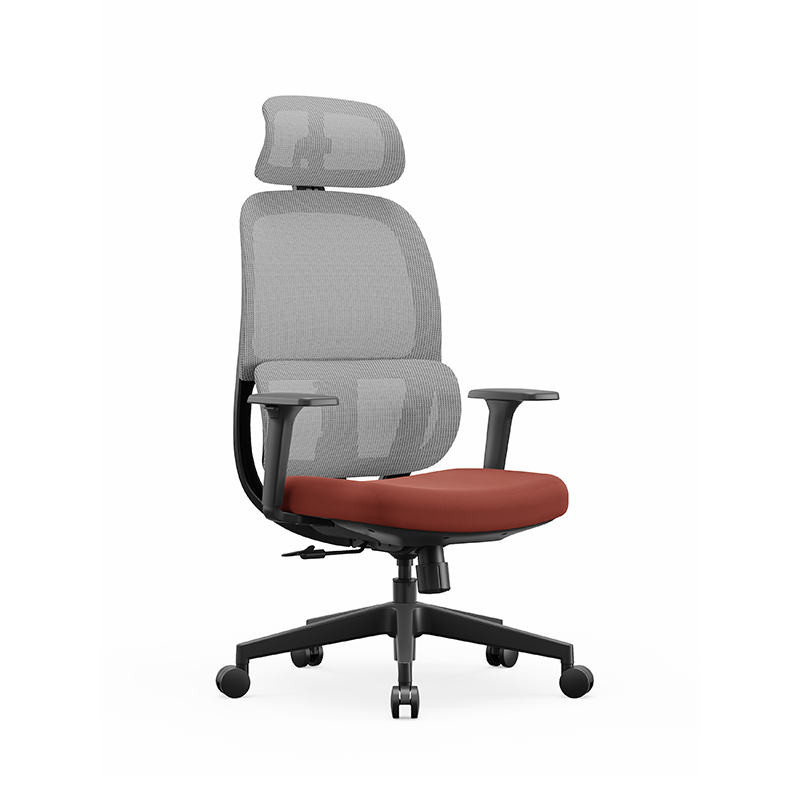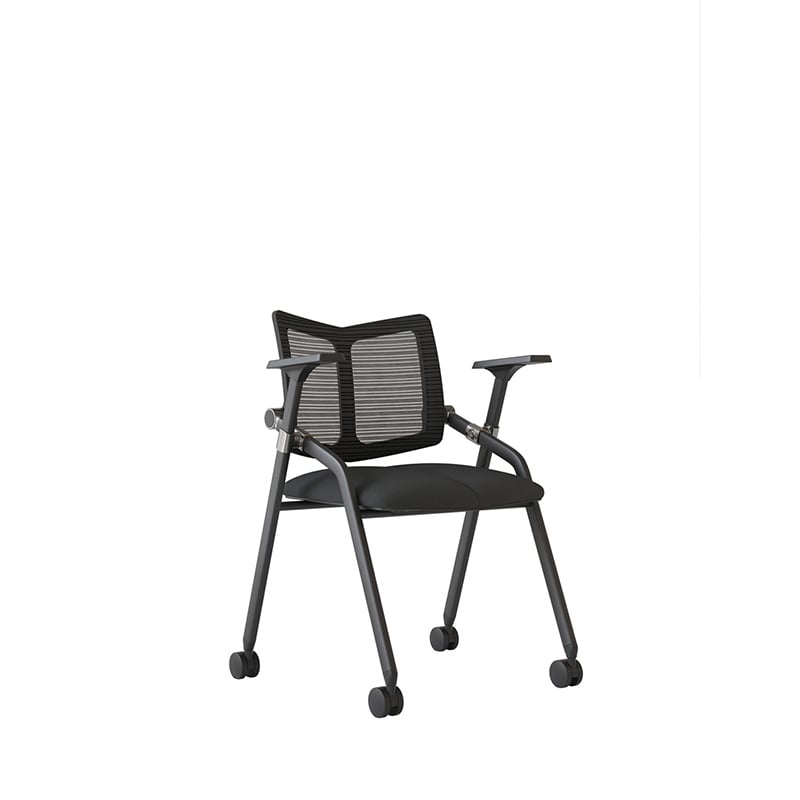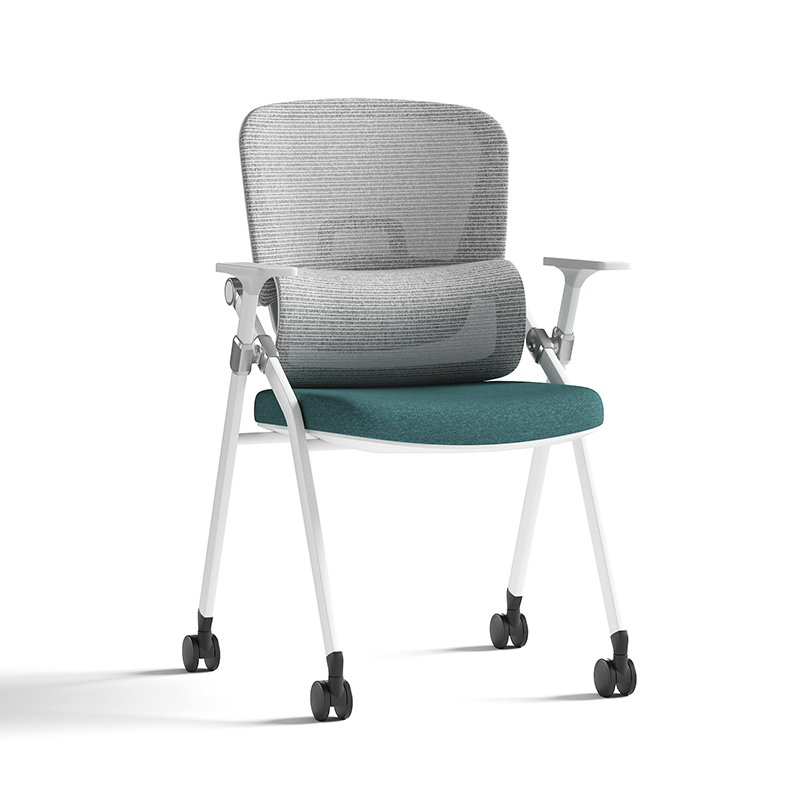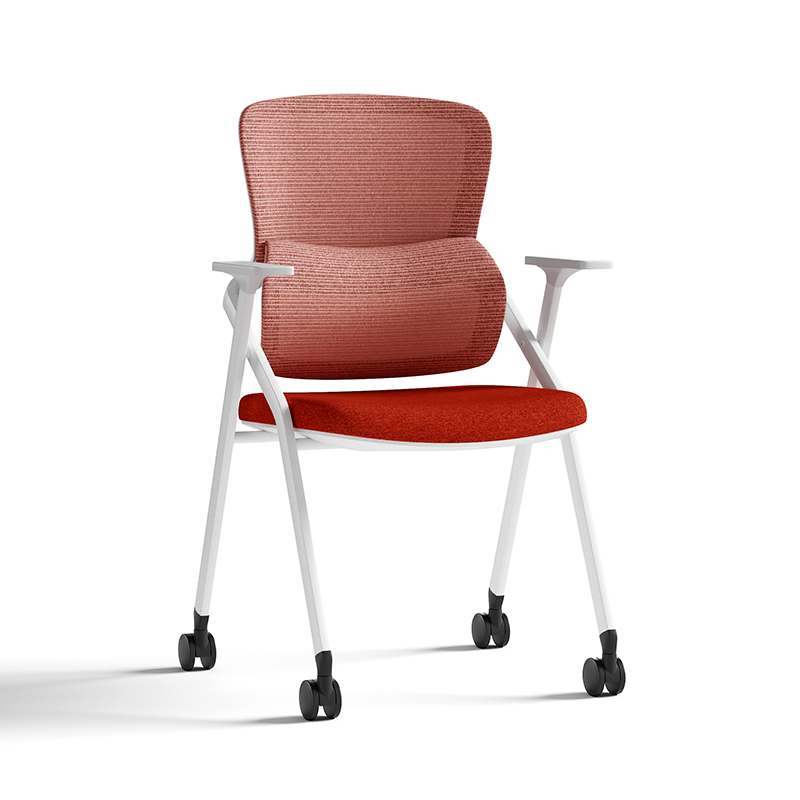
Key Specifications for Medical Office Chairs

All Categories

medical office chairs waiting room

Medical office chairs for waiting rooms are essential pieces of furniture that not only enhance the comfort of patients but also reflect the professionalism of healthcare facilities. As buyers, particularly purchasing managers and product managers, seek durable and functional solutions, it's crucial to understand the specifications, wholesale options, installation guidance, and cost factors that come into play. This article will help you navigate these aspects to ensure you make informed decisions when selecting medical office chairs for your projects.
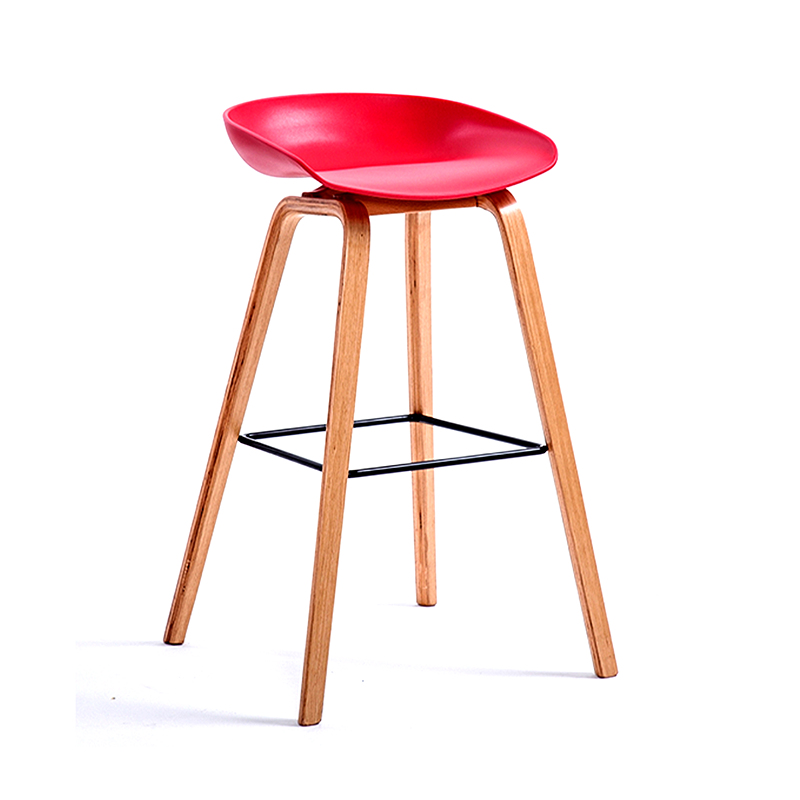
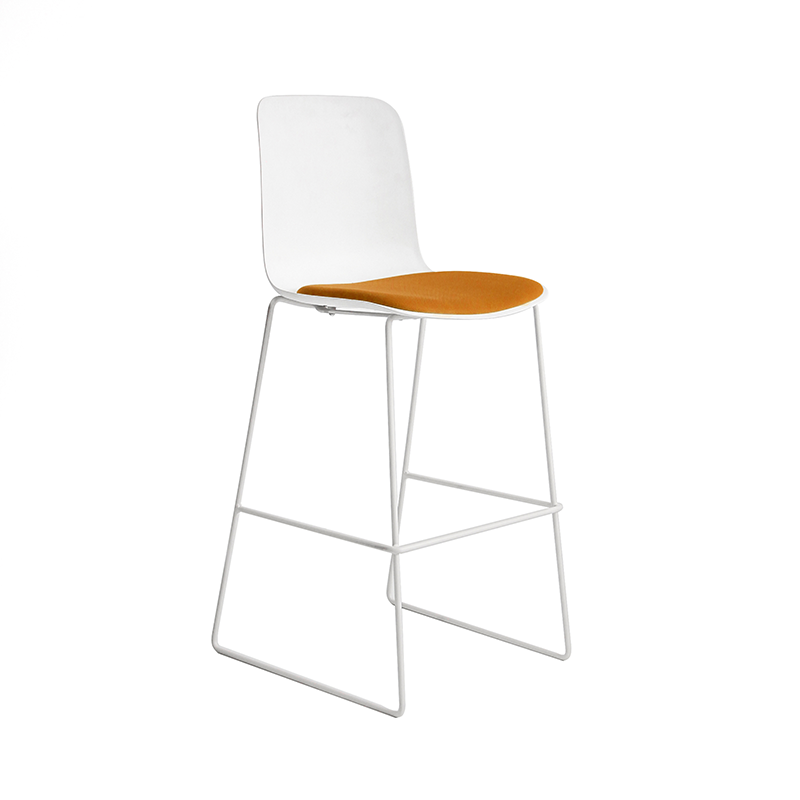
Our Products

Wholesale Options for Durable Medical Office Waiting Room Chairs

Wholesale Options for Durable Medical Office Waiting Room Chairs

For organizations looking to procure medical office chairs in bulk, wholesale options can offer significant cost savings. DESTON FURNITURE provides wholesale pricing on a range of durable medical office waiting room chairs, tailored to meet various project needs.

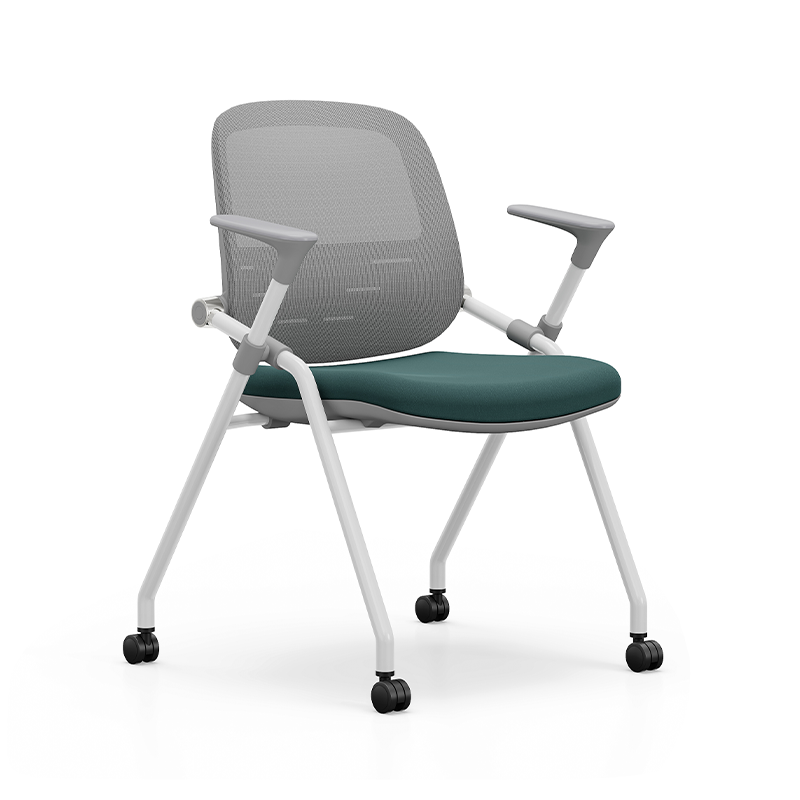
When considering wholesale purchases, it's essential to verify the minimum order quantity (MOQ). This quantity can vary by model and manufacturer, so it's crucial to confirm this before placing an order. Additionally, inquire about lead times for production and delivery, as these factors can affect project timelines. For example, the HL-670 Series Integrally Molded Fixed Backrest Training Chair could be an ideal choice for bulk orders.

Customization options are also a key consideration. Many suppliers, including DESTON FURNITURE, offer customization for fabric colors, styles, and additional features, allowing you to tailor the chairs to match your facility's branding and ambiance.
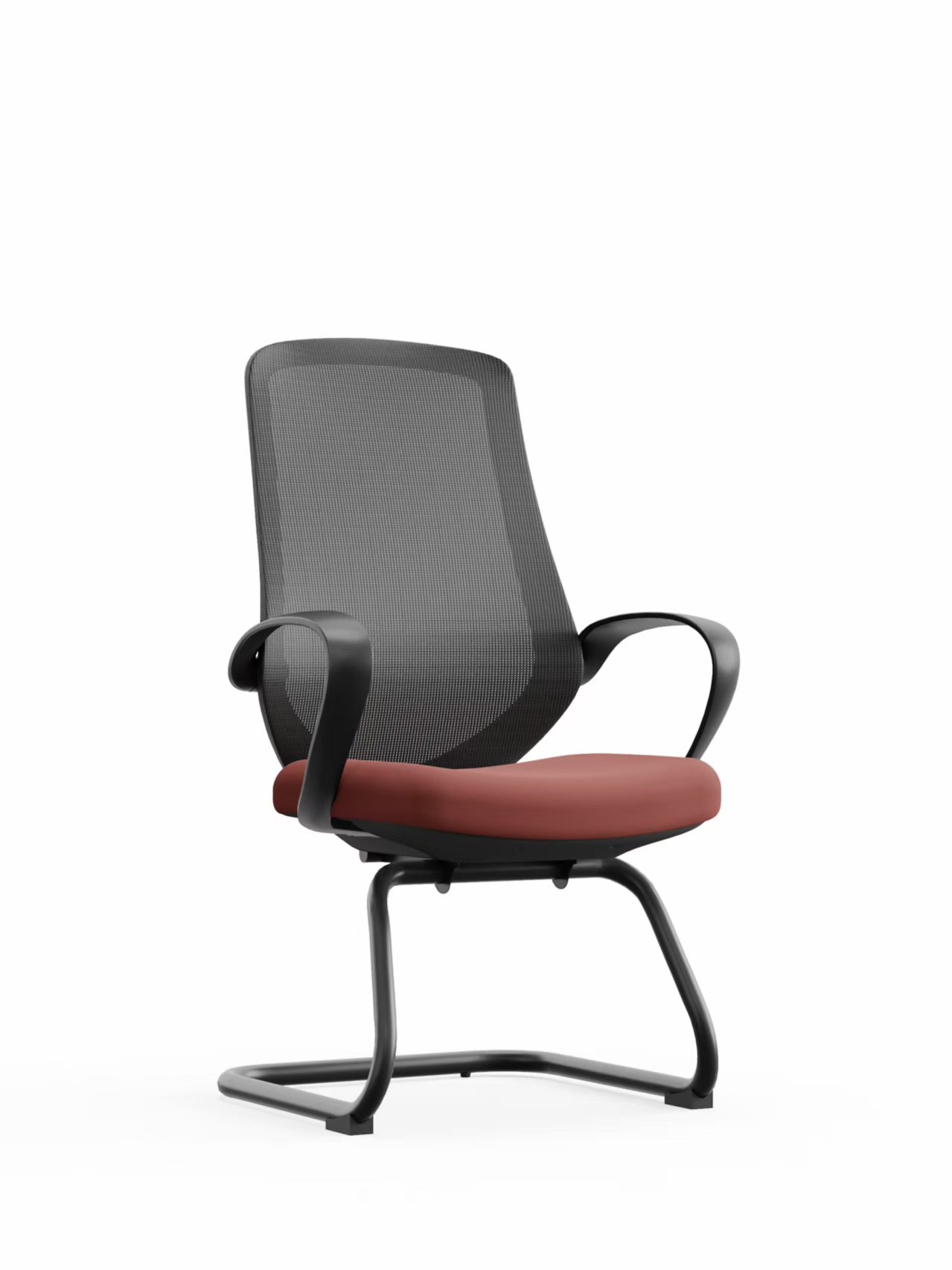
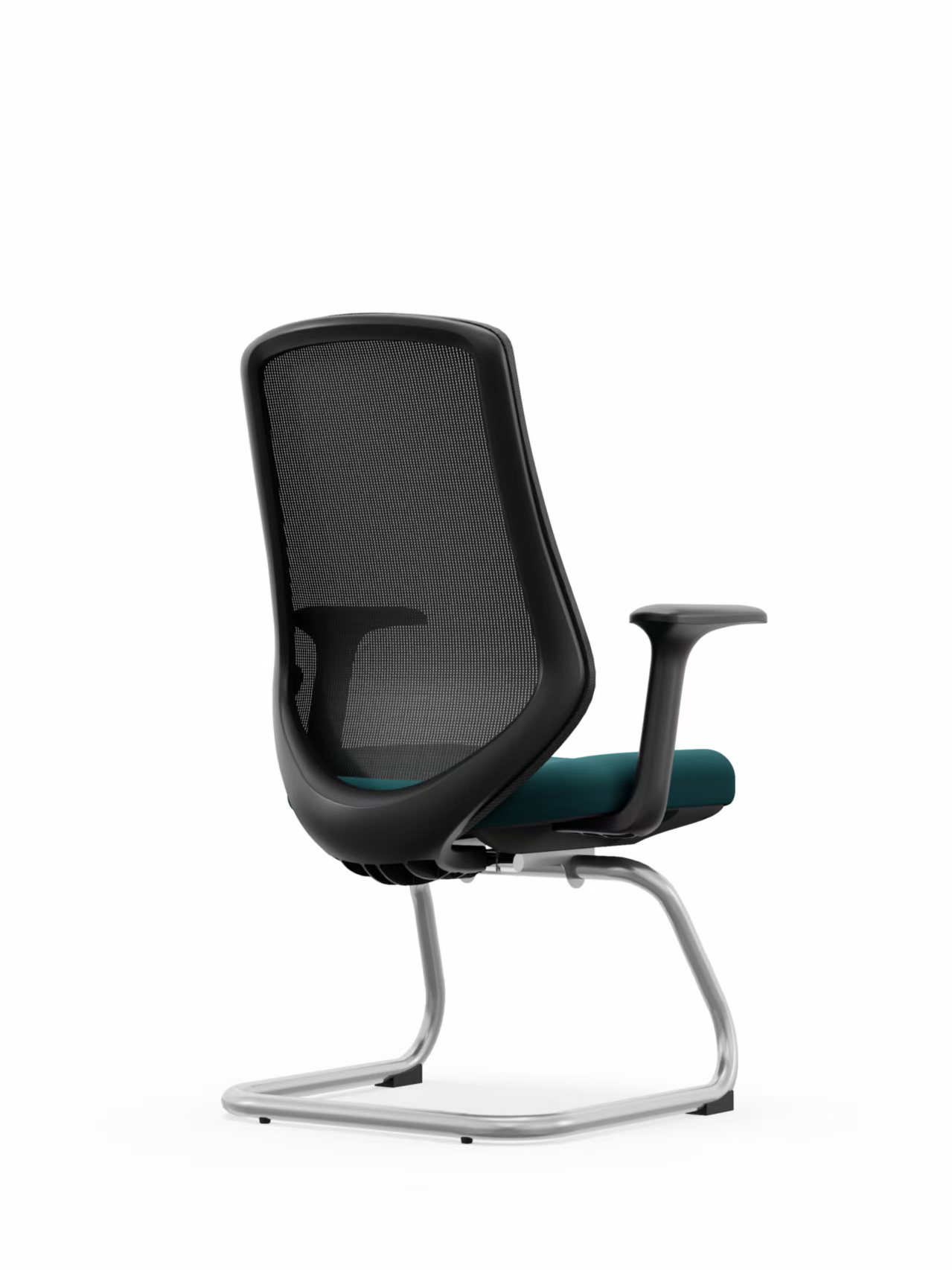
What to Look For

What to Look For

When evaluating potential medical office chairs, several factors should be at the forefront of your decision-making process. First, consider comfort and ergonomics. Chairs should provide ample lumbar support and be designed to reduce strain on the back, especially for patients who may be sitting for extended periods.

Next, assess the ease of maintenance. Medical environments require frequent cleaning and sanitation. Chairs with removable and washable covers or those made from wipeable materials can save time and effort in upkeep.

Durability is another critical aspect. Look for chairs constructed with reinforced frames and high-quality components to withstand the daily wear and tear of a busy waiting room. Additionally, ensure the chairs have non-skid feet to prevent movement and enhance safety.

Finally, examine the aesthetic appeal. While functionality is key, the visual aspect of the chairs should also align with the overall design of the waiting area. A cohesive look can improve the patient experience and create a welcoming environment.

Installation Guidance for Medical Office Chairs in Healthcare Settings

Installation Guidance for Medical Office Chairs in Healthcare Settings

Proper installation of medical office chairs is crucial to ensure safety and functionality. Begin by inspecting each chair for any shipping damage or manufacturing defects before installation. This pre-check can prevent issues that might arise after the chairs are put into use.

When installing chairs, ensure they are placed at appropriate distances apart, allowing enough space for patients to move comfortably. Typically, a distance of 24 to 30 inches between chairs is recommended to maintain privacy and comfort.

If the chairs have adjustable features, such as height or armrests, provide clear instructions or demonstrations to staff members on how to adjust them for different patient needs. This guidance will enhance the overall user experience and ensure that the chairs are utilized effectively.

Lastly, consider the placement of chairs in relation to other furniture and entryways. Ensuring that the layout facilitates easy movement can significantly enhance the functionality of the waiting area.

Cost Factors to Consider When Purchasing Medical Office Chairs

Understanding the cost factors associated with purchasing medical office chairs is essential for effective budgeting. The initial price of the chairs can vary widely based on the materials used, design complexity, and manufacturer. High-quality materials may come at a higher price, but they can offer better durability and longevity, saving costs in the long run.

In addition to the purchase price, consider shipping costs and installation fees. These additional costs can significantly impact the total expenditure. Always request a detailed quotation that includes all potential costs to avoid surprises later.

Another factor to consider is warranty and after-sales service. Chairs with a robust warranty can provide additional peace of mind, covering any defects or issues that may arise within a specified period. Evaluate the warranty terms offered by suppliers to assess their reliability and commitment to quality.

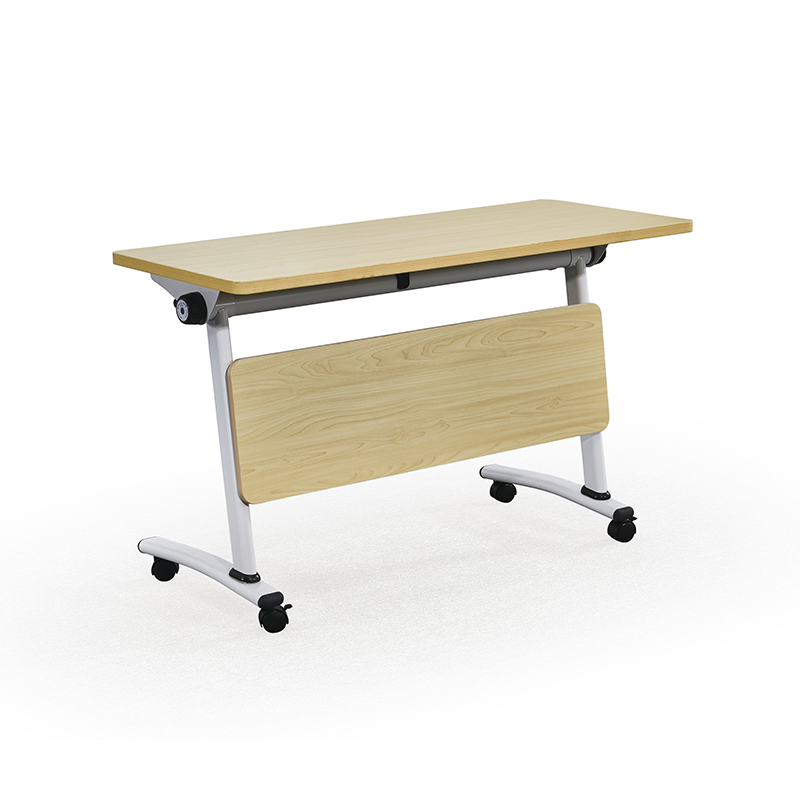
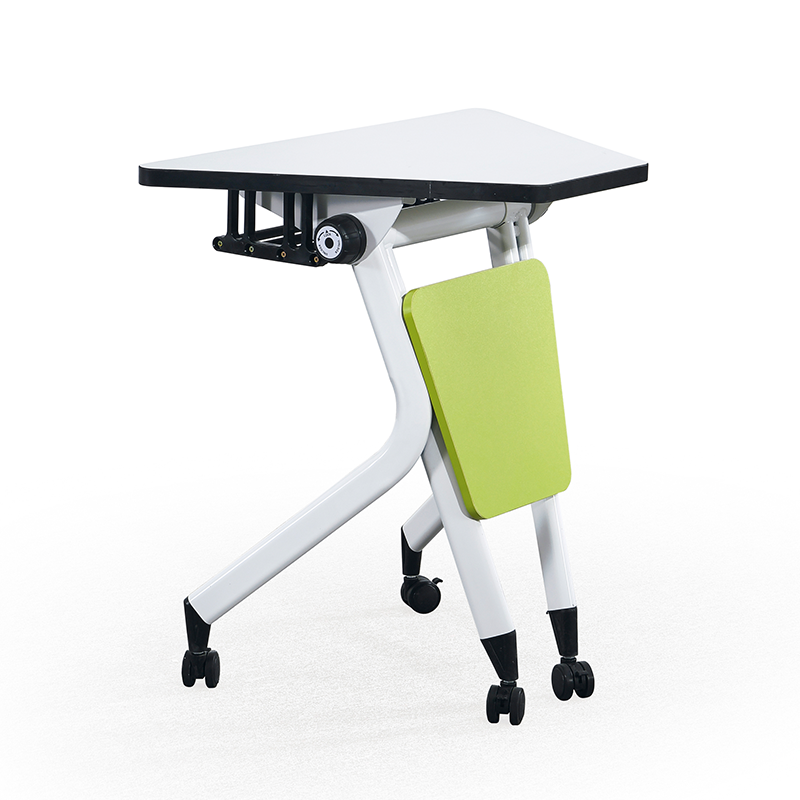
Finally, analyze the potential for bulk purchase discounts. Many manufacturers provide lower rates for larger orders, which can help stretch budgetary limits while still acquiring the necessary quantity of chairs. For instance, exploring the GJ035C Modern Stylish 4-Seater Integrated Canteen Table-Chair Set might provide useful insights into bulk options.

By carefully considering these specifications, options, and factors, purchasing managers and product managers can make informed decisions when selecting medical office chairs for waiting rooms, ensuring durability, comfort, and value for investment.

Key Specifications for Medical Office Chairs in Your Projects

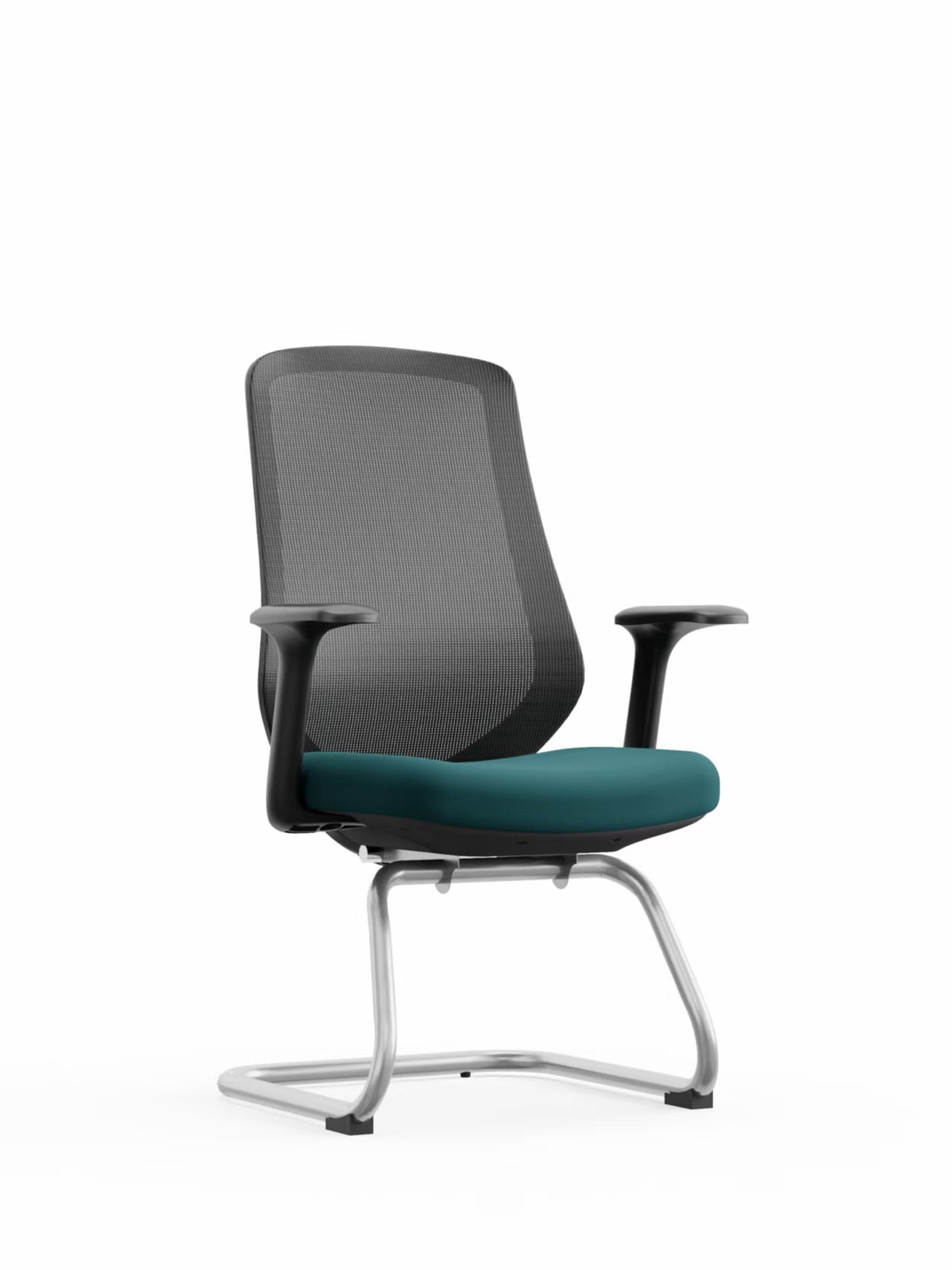
When selecting medical office chairs for waiting rooms, understanding key specifications is vital. First, consider the material used in the chair's construction. Chairs made from high-quality mesh or durable upholstery are preferable, as they ensure longevity and ease of cleaning—critical factors in healthcare environments.

Next, focus on dimensions and ergonomics. The chair should accommodate a wide range of body types while providing adequate support. Look for adjustable features, such as seat height and armrests, which can enhance user comfort. A seat height of 18 to 22 inches is standard, allowing easy access for most individuals.

Another important specification is weight capacity. Chairs should typically support at least 250 pounds, with some models designed for higher weights. Ensuring that the chair meets these requirements not only supports patient comfort but also reduces wear and tear. For instance, the HL-651 Series Double-Back Lumbar Support Training Chair is designed to provide exceptional support and comfort in various settings.

Quality control processes are also crucial. A chair should meet industry standards for safety, durability, and functionality. Certifications like BIFMA (Business and Institutional Furniture Manufacturers Association) ensure that the chairs have been tested for stability and durability, providing peace of mind for buyers.

Get a Free Quote

Our representative will contact you soon.
Name
Email
Company Name
Telephone
Message
0/1000
Attachment
Please upload at least an attachment
Up to 3 files, each no larger than 30MB. Supported formats: jpg, jpeg, png, pdf, doc, docx, xls, xlsx, csv, txt, stp, step, igs, x_t, dxf, prt, sldprt, sat, rar, zip.

Related product categories

Key Specifications for Medical Office Chairs

Get a Free Quote

Our representative will contact you soon.
Name
Email
Company Name
Telephone
Message
0/1000
Attachment
Please upload at least an attachment
Up to 3 files, each no larger than 30MB. Supported formats: jpg, jpeg, png, pdf, doc, docx, xls, xlsx, csv, txt, stp, step, igs, x_t, dxf, prt, sldprt, sat, rar, zip.