EN
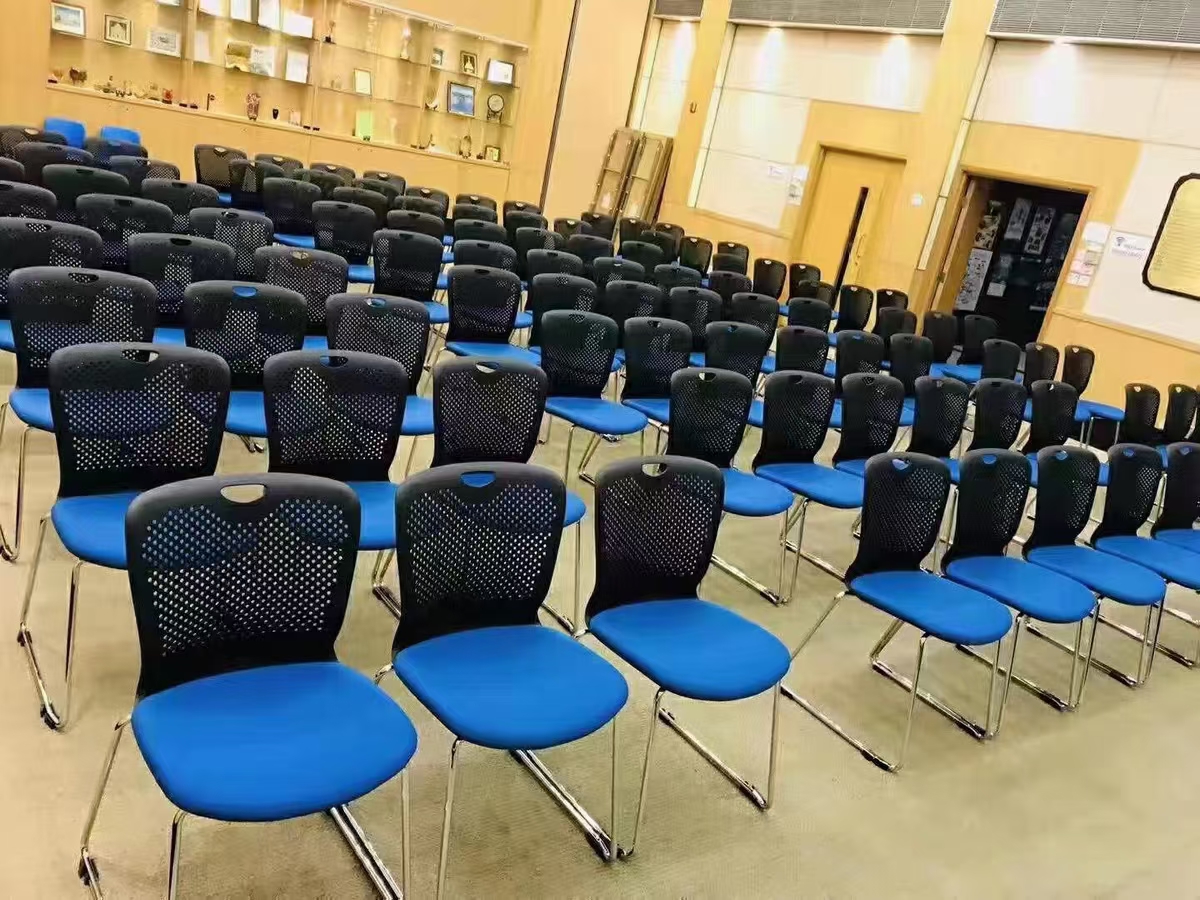
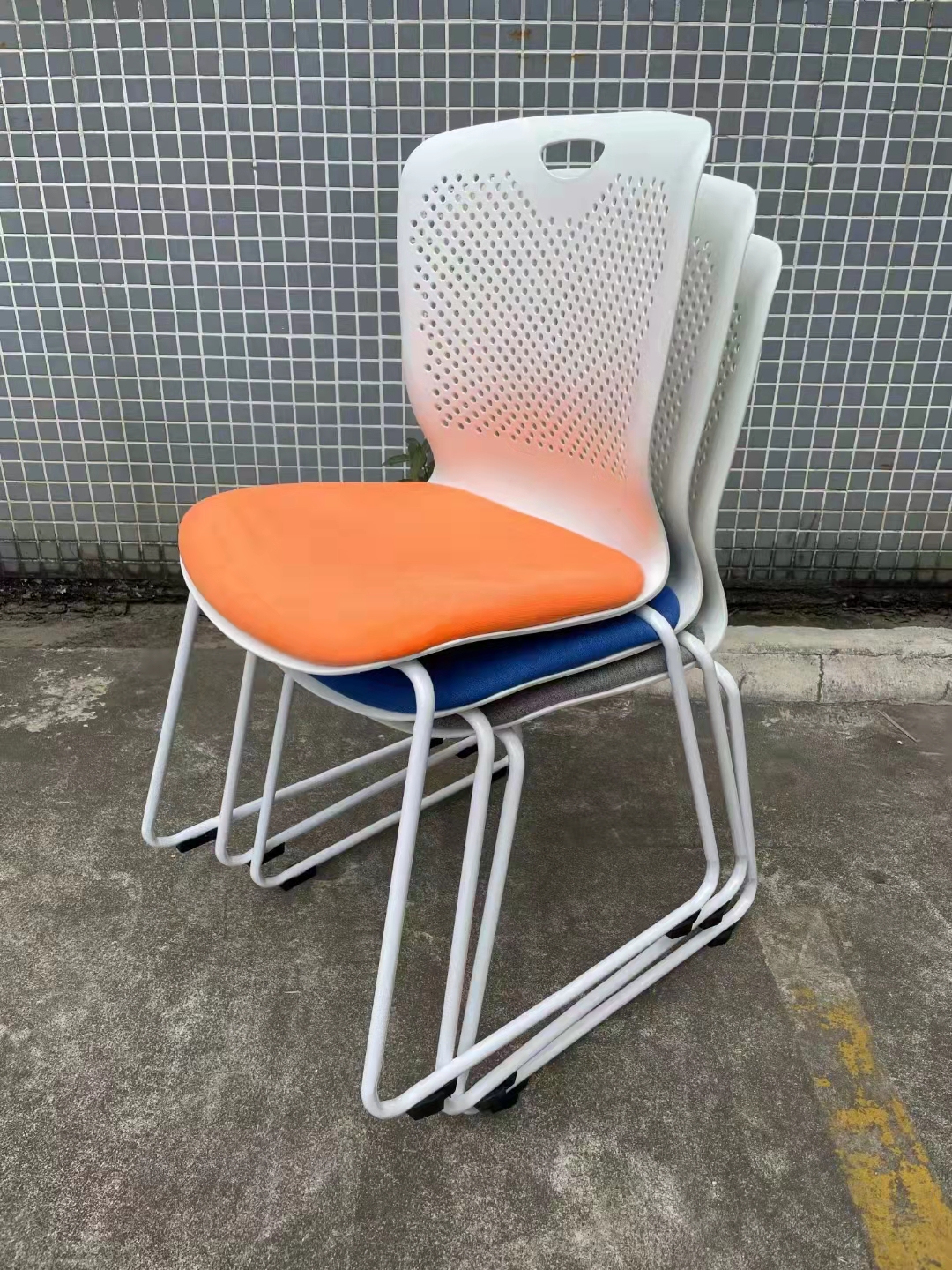
Commercial stacking chairs are versatile seating solutions designed to meet the demands of various environments, such as offices, schools, hospitals, and event spaces. As a B2B buyer, your main concerns typically include durability, cost-effectiveness, and the ability to meet specific application requirements. This article will provide you with essential insights into evaluating specifications, understanding cost factors, addressing common problems, recognizing the importance of materials, and exploring the applications of commercial stacking chairs across different industries.
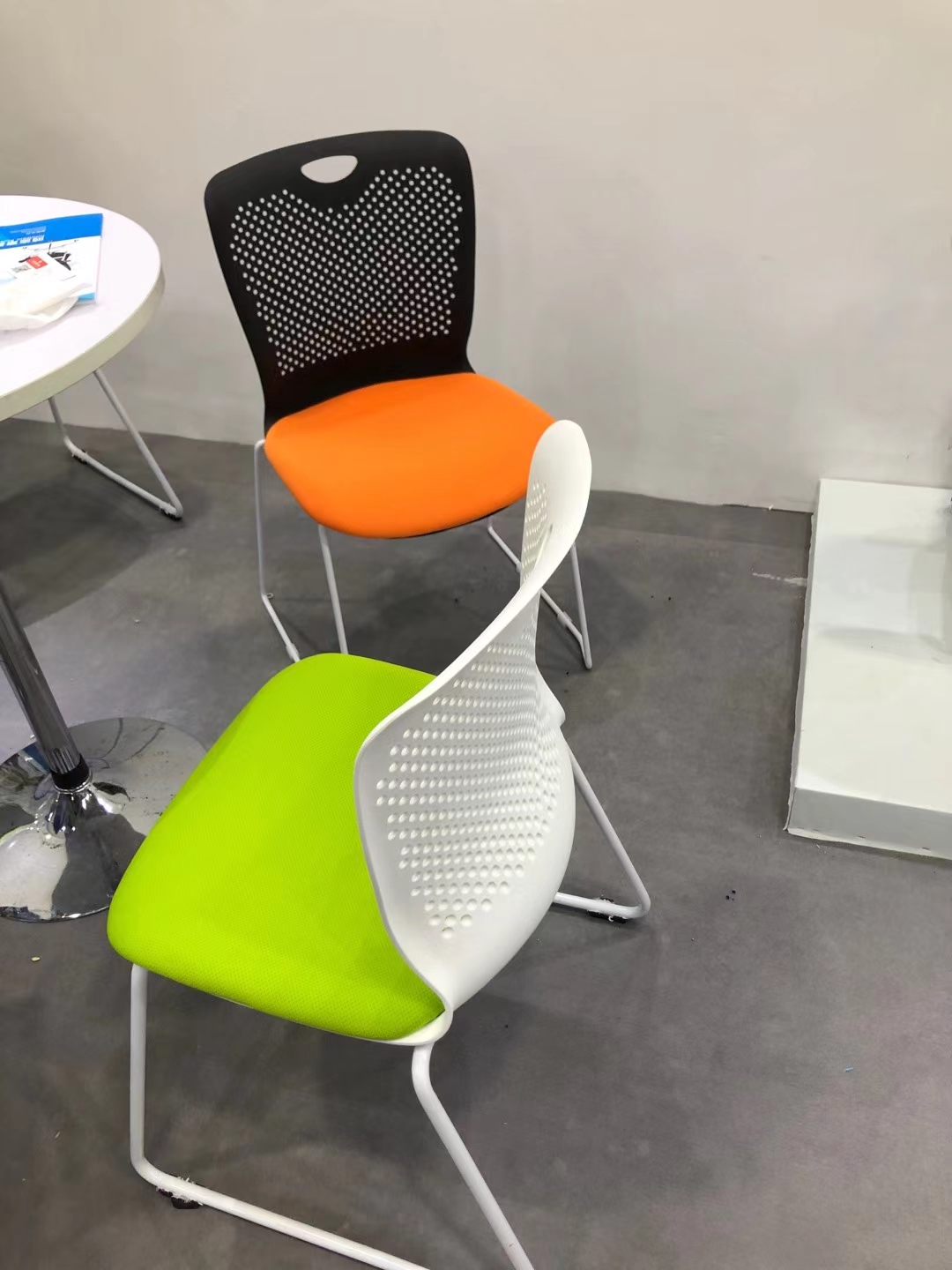
Understanding the Cost Factors of Commercial Stacking Chairs
The cost of commercial stacking chairs can vary widely based on several factors. Understanding these can help you manage your budget effectively.
Material Costs: Higher quality materials typically lead to increased costs. For example, chairs made with premium fabrics or reinforced frames may have a higher upfront price but can offer better durability and longer lifespans.
Manufacturing Processes: The complexity of the manufacturing process can also influence costs. Chairs that require extensive customization or advanced manufacturing techniques may incur additional charges.
Order Volume: Bulk orders often come with discounts, so it's worth considering how many units you need. Establishing a minimum order quantity (MOQ) can help you negotiate better pricing.
Shipping and Handling: Don’t forget to account for shipping costs. These can vary based on the destination, weight, and dimensions of the packaged chairs.
Lead Time: Faster shipping options may come at a premium. Understanding your timeline can help you choose the most cost-effective shipping method.
By considering these factors, you can better estimate the total cost of ownership and make a strategic purchasing decision.