
Essential Guide to Office Visitor Chairs

All Categories

office visitor chair

Office visitor chairs are essential pieces of furniture in any professional setting, designed to provide comfort and support for guests during meetings or waiting periods. For B2B buyers, selecting the right office visitor chair involves understanding critical factors such as quality, specifications, and application suitability. This article will delve into the core aspects of office visitor chairs, helping you make informed purchasing decisions that align with your project requirements and budget.
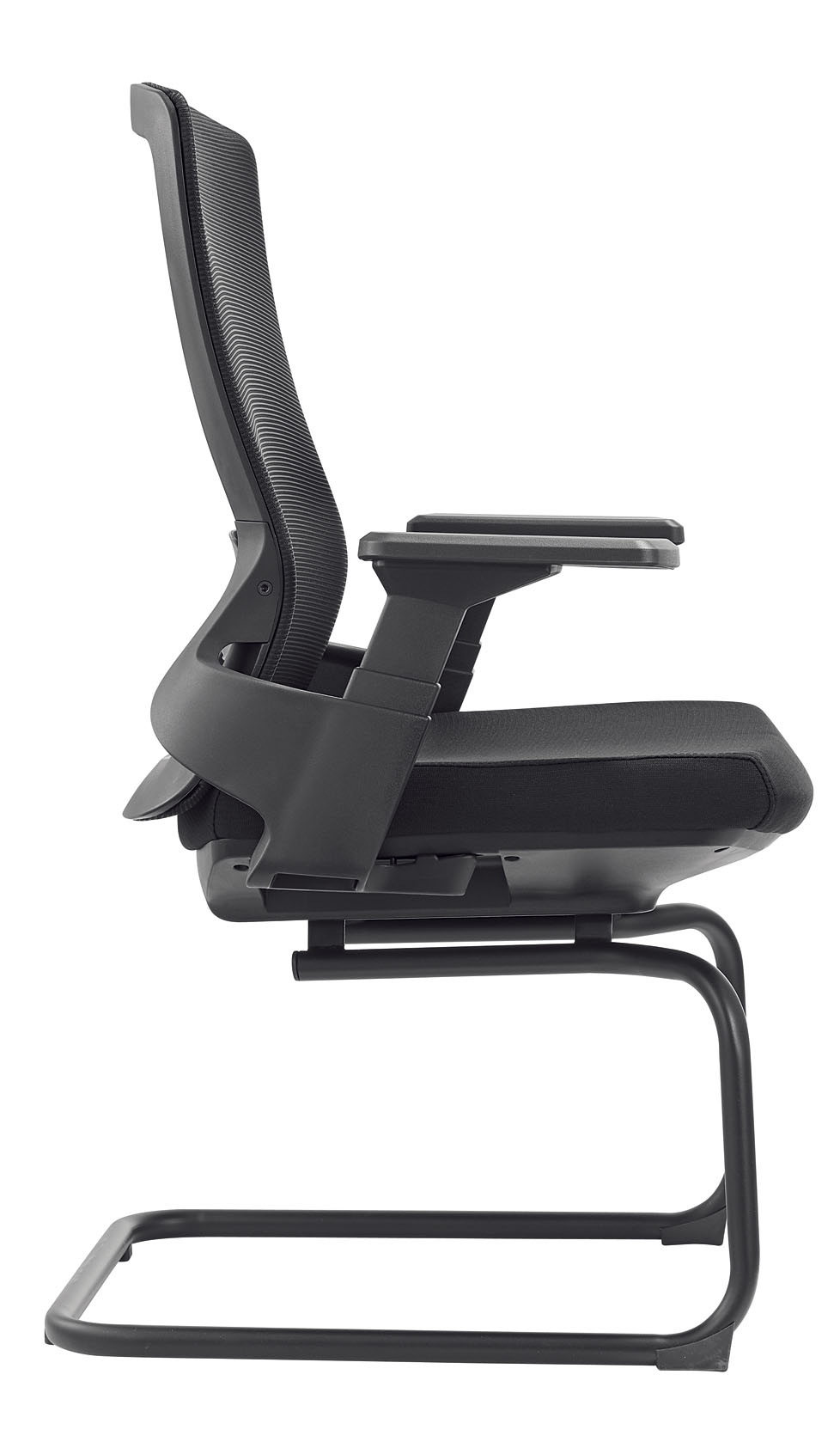
Key Specifications for Office Visitor Chairs You Should Know

Key Specifications for Office Visitor Chairs You Should Know

Understanding the specifications of office visitor chairs can greatly influence your purchasing decision. Key specifications include:

Weight Capacity: Ensure the chair can support varying weights, typically ranging from 250 to 400 pounds, depending on the design and materials used.

Seat Height: Standard seat heights vary between 16 to 20 inches. Ensure the height is suitable for your target user demographic to promote comfort.

Dimensions: The overall size, including width and depth, should accommodate various body types. Be mindful of space constraints in your office layout.

Material: Common materials include fabric, leather, and mesh. Each has its advantages; for example, mesh provides better airflow, while leather offers a more formal appearance.

Mobility Features: Consider whether you need chairs with wheels for easy movement or fixed legs for stability.

Incorporating these specifications into your evaluation process will help ensure that the chairs you select align with your functional and aesthetic requirements.
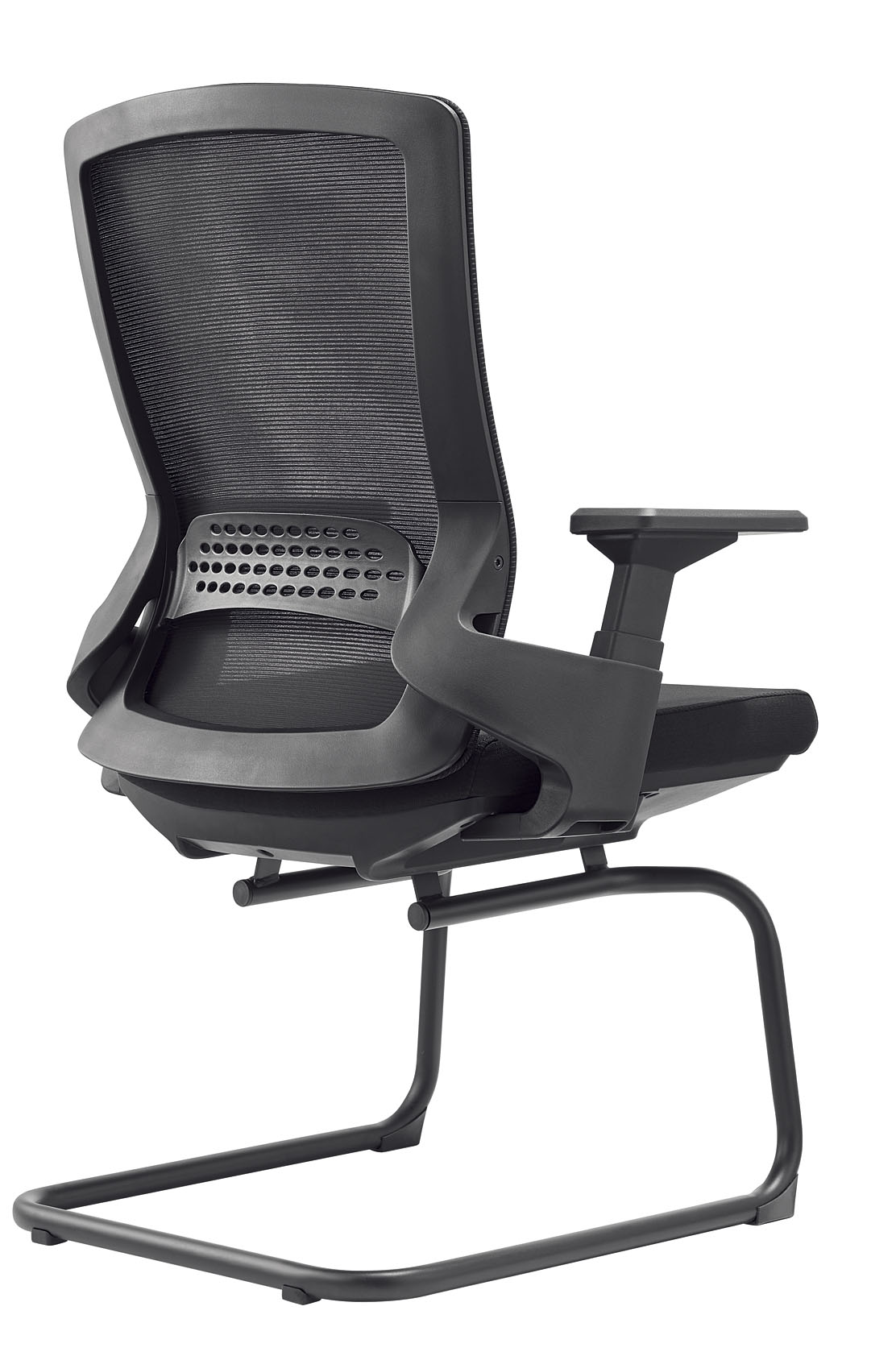
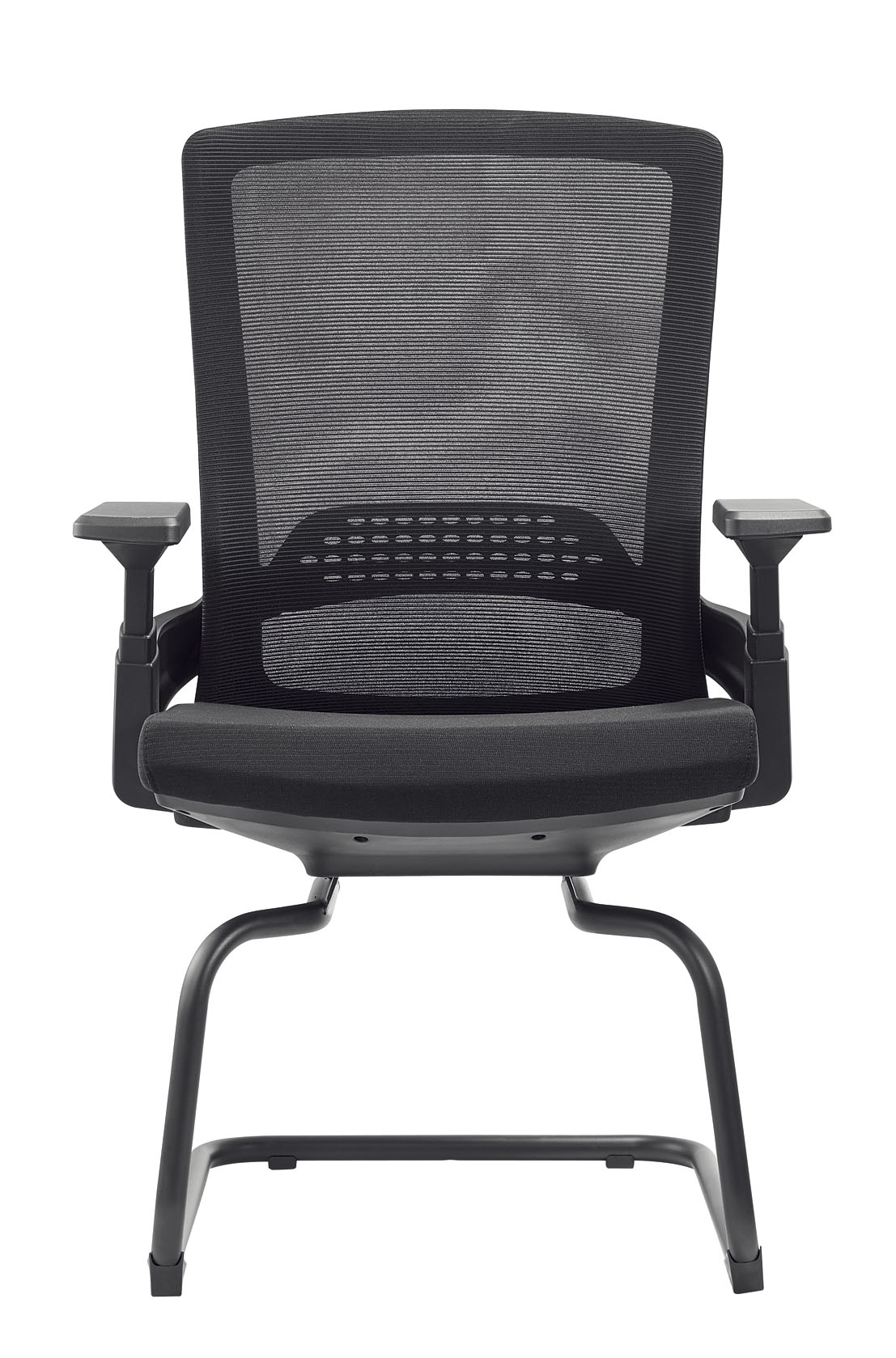
Common Problems with Office Visitor Chairs and Effective Solutions

Common Problems with Office Visitor Chairs and Effective Solutions

While office visitor chairs are designed for comfort and functionality, they can present common issues that impact user experience. Some of these problems include:

Wear and Tear: Frequent use can lead to fabric fraying or cushioning breakdown. To mitigate this, choose chairs with high abrasion resistance and easy-to-clean materials.

Poor Ergonomics: Chairs that lack proper lumbar support can lead to discomfort. Ensure the chairs have ergonomic designs that support the natural curvature of the spine. Options like the HL-651 Series Double-Back Lumbar Support Training Chair are ideal for this purpose.

Instability: Wobbly chairs can be a safety hazard. This can often be resolved by selecting chairs with a wider base or adjustable feet to evenly distribute weight.

Aesthetic Mismatch: Chairs that do not fit the office decor can detract from the overall ambiance. Consider custom upholstery options that allow you to match the chair colors and styles with your brand identity.

By being proactive about these potential issues, you can select chairs that not only meet your functional needs but also enhance the overall office environment.

Applications for Office Visitor Chairs in Various Business Environments

Applications for Office Visitor Chairs in Various Business Environments

Office visitor chairs serve versatile roles across different business settings. Their applications include:

Corporate Offices: In corporate environments, visitor chairs are crucial for waiting areas and conference rooms, where they must blend comfort with professional aesthetics.

Medical Facilities: In hospitals and clinics, durable and easy-to-clean chairs are essential for patient waiting areas. Chairs with antimicrobial properties can further enhance hygiene.

Educational Institutions: Schools and universities often require visitor chairs for open areas and auditoriums. Lightweight, stackable chairs can facilitate easy storage and rearrangement for events. For example, the GJ035C Modern Stylish 4-Seater Integrated Canteen Table-Chair Set is a great option for such settings.

Showrooms: In retail or product showrooms, attractive visitor chairs can enhance customer experience while complementing the display of goods.

Understanding these applications will help you choose chairs that not only fulfill functional roles but also cater to the specific needs of various environments.

A Complete Guide

In summary, selecting the right office visitor chair involves thorough evaluation and consideration of specifications, potential issues, and application suitability. When preparing for a request for quotation (RFQ) or supplier discussion, be ready to provide specific information, including:

Product Type: Specify whether you need mesh, fabric, or leather chairs.Model and Dimensions: Include preferred models and necessary dimensions for your space.Material Preferences: Indicate any material requirements based on durability or aesthetic needs.Quantity: Determine the number of chairs required for your project.Customization Needs: Discuss any custom colors or features that align with your brand.Delivery and Packaging: Consider how you would like the chairs packaged and delivered, especially for larger orders.

By addressing these elements, you can ensure a smoother procurement process and achieve better outcomes for your office environment. Making informed decisions about office visitor chairs will not only enhance the workspace but also contribute to a more comfortable experience for your guests.

How to Evaluate the Quality of Office Visitor Chairs for Your Projects

When assessing the quality of office visitor chairs, buyers should consider several key factors. First, the materials used in construction play a significant role in durability and comfort. For instance, chairs made with high-quality mesh or padded upholstery provide better breathability and support, reducing fatigue during extended use.

It's also important to examine the chair's frame and base. Sturdy metal frames or reinforced plastic bases enhance stability and longevity. Look for chairs that have undergone rigorous testing to meet industry standards, as this reflects a commitment to quality. For example, the HL-670 Series Integrally Molded Fixed Backrest Training Chair is designed to meet such standards.

Another critical aspect is the finish and assembly of the chair. A well-constructed chair will have even seams, smooth edges, and no wobbling when seated. Additionally, considering certifications such as ANSI/BIFMA can help verify that the chairs meet safety and performance standards.

Get a Free Quote

Our representative will contact you soon.
Name
Email
Company Name
Telephone
Message
0/1000
Attachment
Please upload at least an attachment
Up to 3 files, each no larger than 30MB. Supported formats: jpg, jpeg, png, pdf, doc, docx, xls, xlsx, csv, txt, stp, step, igs, x_t, dxf, prt, sldprt, sat, rar, zip.

Related product categories

Essential Guide to Office Visitor Chairs

Get a Free Quote

Our representative will contact you soon.
Name
Email
Company Name
Telephone
Message
0/1000
Attachment
Please upload at least an attachment
Up to 3 files, each no larger than 30MB. Supported formats: jpg, jpeg, png, pdf, doc, docx, xls, xlsx, csv, txt, stp, step, igs, x_t, dxf, prt, sldprt, sat, rar, zip.