
Choosing Conference Room Tables and Chairs Wisely

All Categories

conference room table and chairs

Choosing the right conference room table and chairs can significantly influence the functionality and aesthetics of your meeting space. As a B2B buyer, whether you are a purchasing manager, product manager, or distributor, your main concerns will likely revolve around the durability, cost-effectiveness, and suitability of the furniture for your specific environment. This article will provide you with practical insights into selecting conference room tables and chairs, sourcing reliable suppliers, understanding key specifications, evaluating cost factors, and installation guidance.
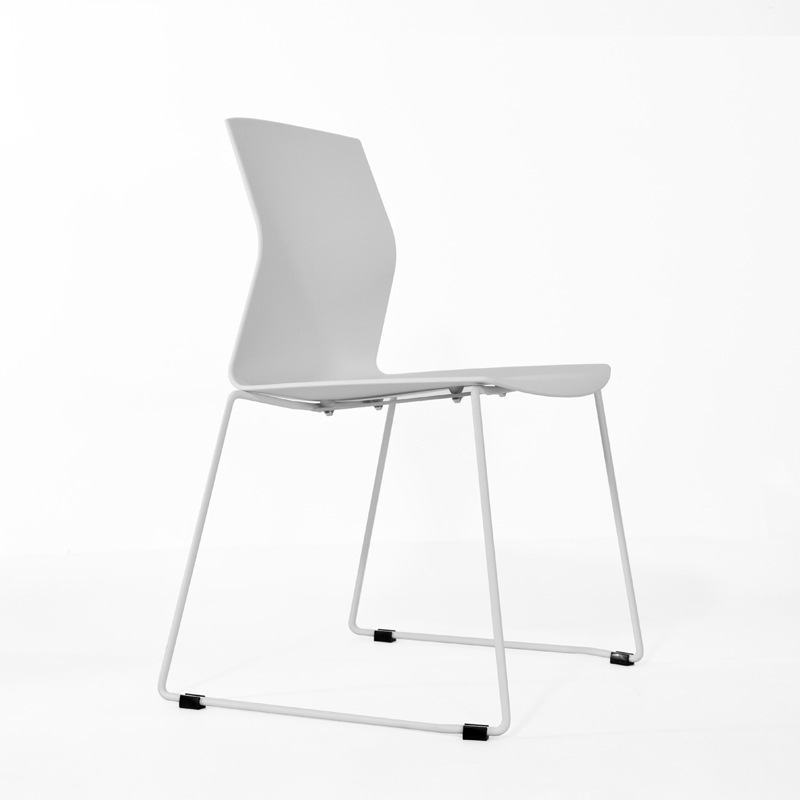
Where to Find Reliable Wholesale Suppliers for Conference Furniture

Where to Find Reliable Wholesale Suppliers for Conference Furniture

Finding a dependable supplier for conference furniture is essential for ensuring quality and timely delivery. Start by researching manufacturers with a strong reputation in the industry, such as DESTON FURNITURE, which specializes in office and commercial furniture. Look for companies that offer a variety of products and customization options to suit distinct needs.

Online platforms like trade directories and industry-specific marketplaces can also be valuable resources. These sources often provide reviews and ratings from other businesses, helping you gauge the reliability of potential suppliers.

Additionally, attending trade shows and industry conferences can facilitate direct interactions with manufacturers and suppliers. This allows you to assess product quality firsthand and discuss your specific requirements. Always request samples and ensure the supplier has robust quality control processes in place to meet your expectations.
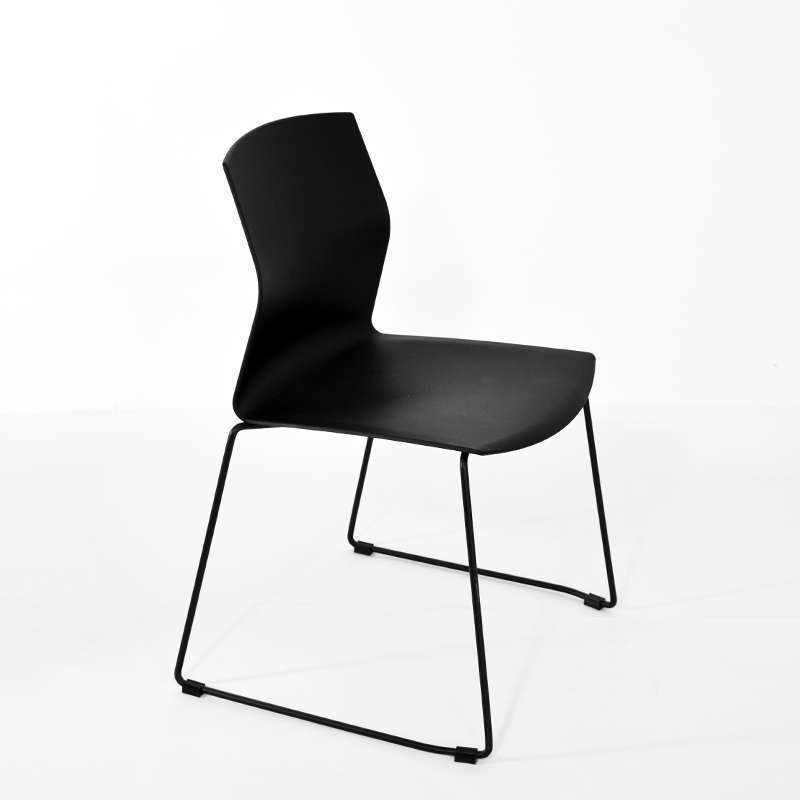
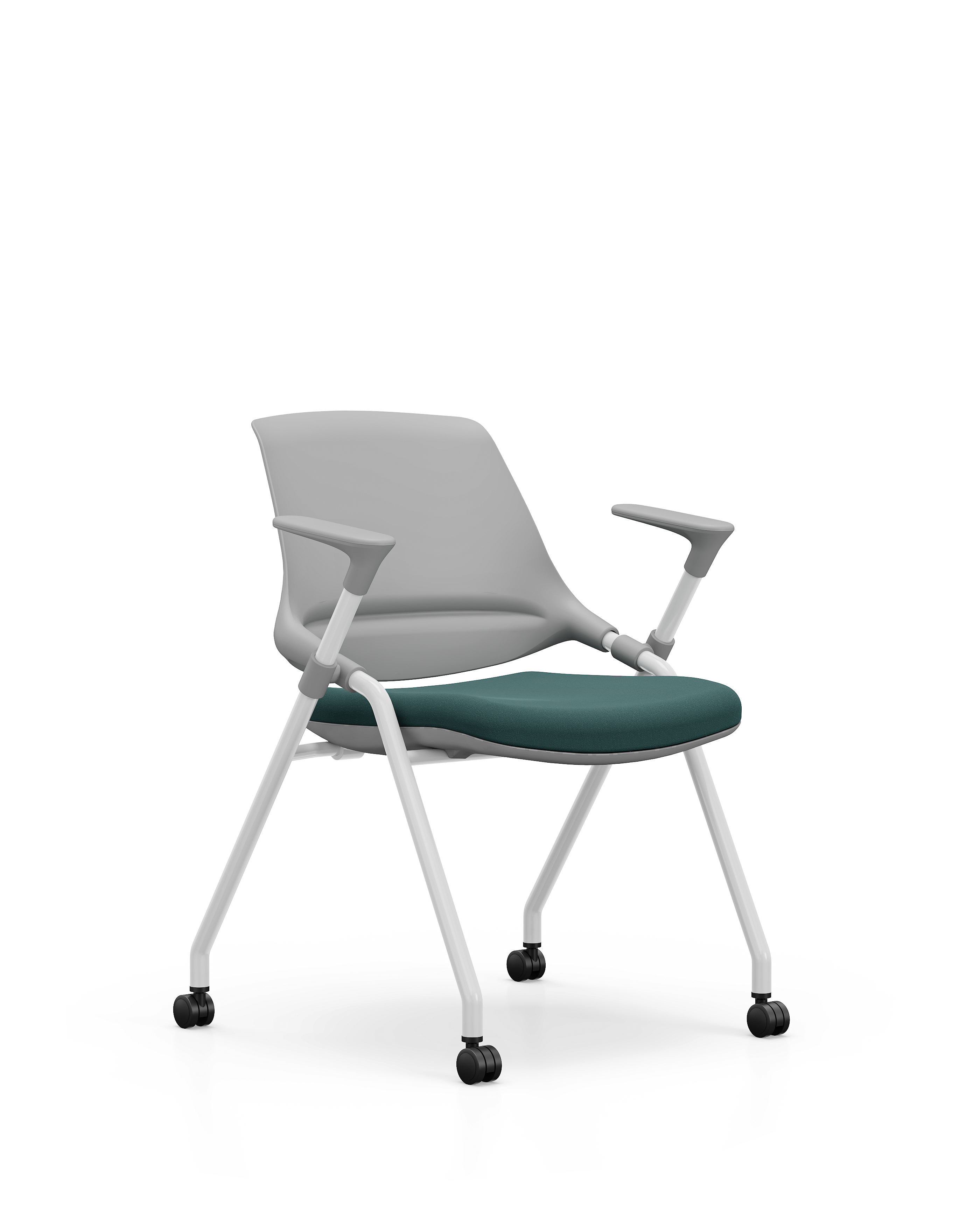
Key Specifications to Consider for Conference Room Tables and Chairs

Key Specifications to Consider for Conference Room Tables and Chairs

When evaluating conference room tables and chairs, several specifications are critical to their performance and longevity:

Materials: The choice of materials affects durability and maintenance. For instance, tables made from high-density particleboard or solid wood offer different aesthetics and resilience. Upholstery materials for chairs should be stain-resistant and easy to clean.

Dimensions: Ensure that the dimensions of the table and chairs align with the space and the number of expected users. A table that is too large can crowd a room, while one that is too small may not accommodate all participants comfortably.

Weight Capacity: For chairs, check the manufacturer’s specifications for weight limits to avoid potential issues with structural integrity. This is particularly important for environments like schools or hospitals, where usage can be varied.

Finish and Surface Treatment: The table's finish should not only be visually appealing but also suitable for the intended use, whether that involves frequent cleaning or exposure to wear and tear.

Customization Options: Depending on your specific needs, confirm what customization options are available. This may include color, shape, or additional features such as integrated power outlets for technology use, enhancing the functionality of pieces like a Dining Table.

Cost Factors for Bulk Orders of Conference Room Furniture

Cost Factors for Bulk Orders of Conference Room Furniture

The cost of conference room furniture can vary significantly based on several factors. Bulk orders often come with discounts, but understanding the components that influence prices is vital for budgeting:

Material Quality: Higher-quality materials will generally result in increased costs but may offer better durability and a lower total cost of ownership over time.

Design Complexity: Custom designs or unique finishes can lead to higher manufacturing costs. If your project has specific aesthetic or functional requirements, be prepared to discuss these with your supplier.

Quantity: The more units ordered, the greater the likelihood of receiving a lower per-unit price. However, confirm the minimum order quantities (MOQ) with your supplier to avoid unexpected costs.

Shipping and Handling: Consider logistics costs, especially for large orders. Shipping fees can add significantly to the overall expenditure, so factor this into your budget early in the process.

Lead Time: Suppliers may charge more for expedited orders. Establishing a reasonable timeline for delivery can help manage costs effectively.

Installation Guidance for Conference Room Tables and Chairs

Proper installation of conference room tables and chairs is crucial for ensuring safety, aesthetics, and functionality. Here are some best practices:

Space Planning: Before installation, create a layout that accounts for movement and accessibility. Ensure that there is enough space between the table and walls for easy access and that chairs can be pulled out comfortably.

Assembly Instructions: Follow the manufacturer’s assembly guidelines carefully. If you lack the expertise, consider hiring professionals to ensure that the furniture is assembled correctly and securely.

Leveling: Ensure that tables and chairs are level to prevent wobbling, especially in rooms with uneven flooring. Utilize adjustable feet if available.

Final Inspection: After installation, conduct a thorough inspection to confirm that all pieces are securely in place and functioning as intended. This is a good opportunity to address any potential issues before they affect usage.

Maintenance Recommendations: Provide users with guidelines for maintaining the furniture, including cleaning procedures and regular checks for loose parts or wear.

By understanding these aspects of selecting, sourcing, and installing conference room furniture, B2B buyers can make informed decisions that enhance their meeting environments. Making the right choice in conference room tables and chairs not only improves functionality but also contributes to a professional and inviting atmosphere for collaboration.

Choosing the Right Conference Room Table and Chairs for Your Needs

Selecting the appropriate conference room table and chairs involves assessing several factors. First, consider the size of your conference room. A larger space may accommodate a rectangular or oval table, allowing for more seating and a collaborative environment. Conversely, smaller rooms may benefit from circular tables that promote discussion without overwhelming the space.

Next, think about the intended use. Will the furniture be used for formal meetings, workshops, or casual brainstorming sessions? For example, training tables should be lightweight and easy to rearrange, while executive tables might require a more polished finish and robust construction. Options like a Foldable Table can be great for versatile uses.

Another crucial factor is the ergonomic design of the chairs. Comfortable seating can enhance productivity during long meetings. Look for chairs with adjustable features, breathable materials, and adequate lumbar support. This ensures that participants can focus on discussions rather than discomfort. Consider investing in Office Chairs that provide optimal support for prolonged use.

Lastly, consider the style and finish of the furniture. The design should align with your company’s branding and the overall ambiance you wish to create. A cohesive aesthetic can enhance the professional image of your organization.

Get a Free Quote

Our representative will contact you soon.
Name
Email
Company Name
Telephone
Message
0/1000
Attachment
Please upload at least an attachment
Up to 3 files, each no larger than 30MB. Supported formats: jpg, jpeg, png, pdf, doc, docx, xls, xlsx, csv, txt, stp, step, igs, x_t, dxf, prt, sldprt, sat, rar, zip.

Related product categories

Choosing Conference Room Tables and Chairs Wisely

Get a Free Quote

Our representative will contact you soon.
Name
Email
Company Name
Telephone
Message
0/1000
Attachment
Please upload at least an attachment
Up to 3 files, each no larger than 30MB. Supported formats: jpg, jpeg, png, pdf, doc, docx, xls, xlsx, csv, txt, stp, step, igs, x_t, dxf, prt, sldprt, sat, rar, zip.