
Choosing the Right Conference Seating for Events

All Categories

conference seating

When planning an event, selecting the right conference seating is crucial to ensuring comfort and productivity. Conference seating encompasses a wide variety of chairs and tables designed specifically for meetings, workshops, and seminars. As a B2B buyer, you may have concerns regarding the type of seating that best fits your event's needs, comfort levels, aesthetic appeal, and budget constraints. This article will provide you with practical insights on choosing the right conference seating, catering to wholesale buyers, considering cost factors, installation guidance, and addressing common problems associated with conference seating.
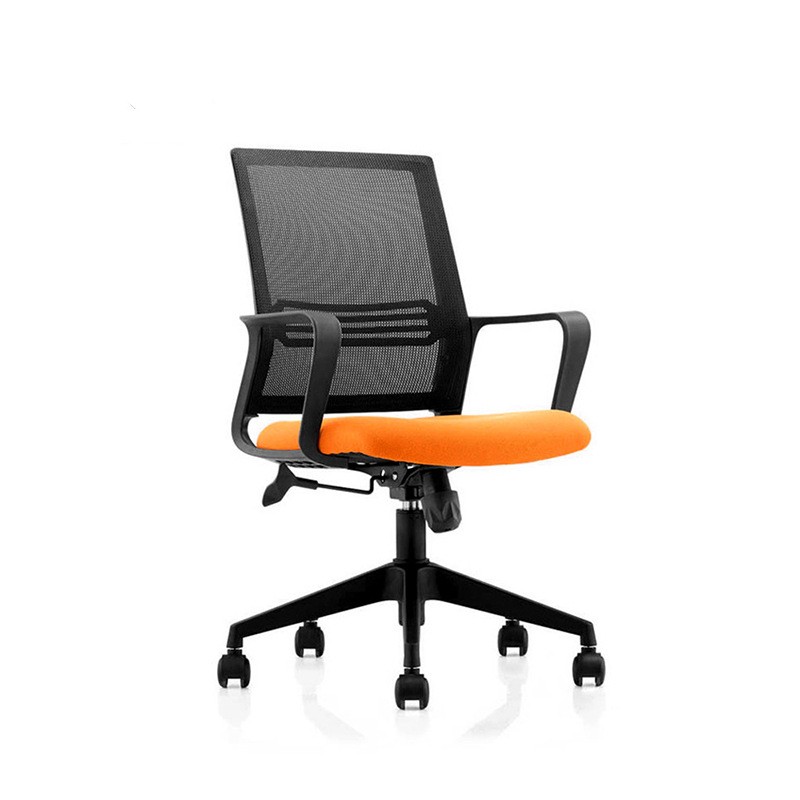
Conference Seating for Wholesale Buyers

Conference Seating for Wholesale Buyers

Wholesale buyers often face unique challenges when sourcing conference seating, such as balancing quality, cost, and availability. Here are key considerations:

Minimum Order Quantity (MOQ): Verify the supplier's MOQ. DESTON FURNITURE offers flexible MOQ options, making it easier for buyers to stock up for multiple events.

Customization: Look for suppliers that provide customization options, including fabric choices, colors, and branding opportunities. This allows you to tailor seating to your specific needs.

Quality Assurance: Investigate the supplier's quality control processes. Ensure that they have stringent inspection methods in place to guarantee that the seating meets industry standards.

Production Capacity: Assess the supplier’s production capabilities to ensure they can fulfill large orders on time. Confirm lead times and production schedules to avoid last-minute surprises.

By focusing on these areas, wholesale buyers can secure high-quality conference seating that meets their budget and event requirements. For example, the HL-670 Series Integrally Molded Fixed Backrest Training Chair is a solid option for classroom use.
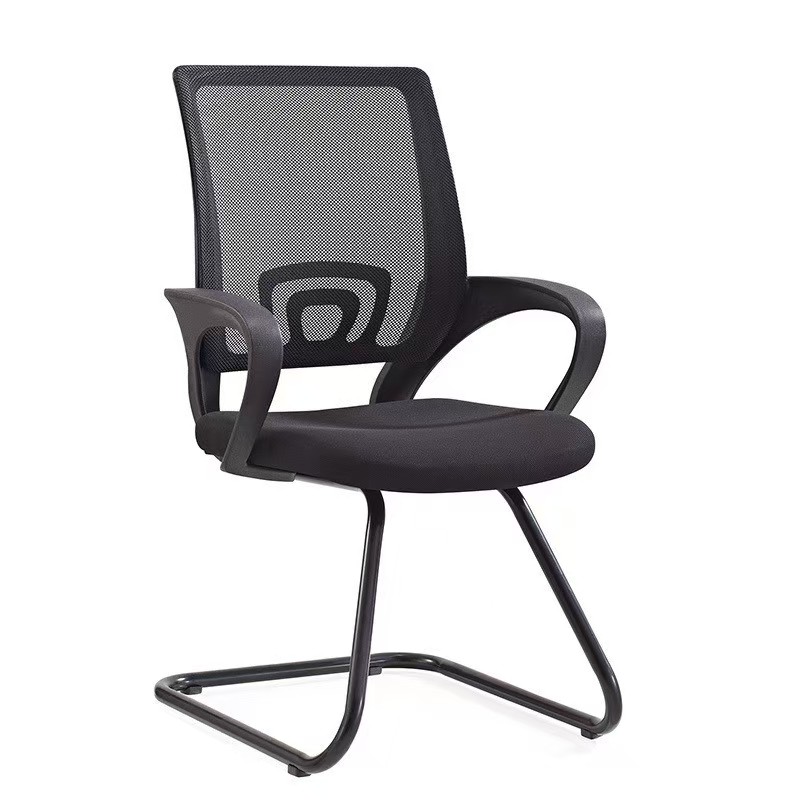
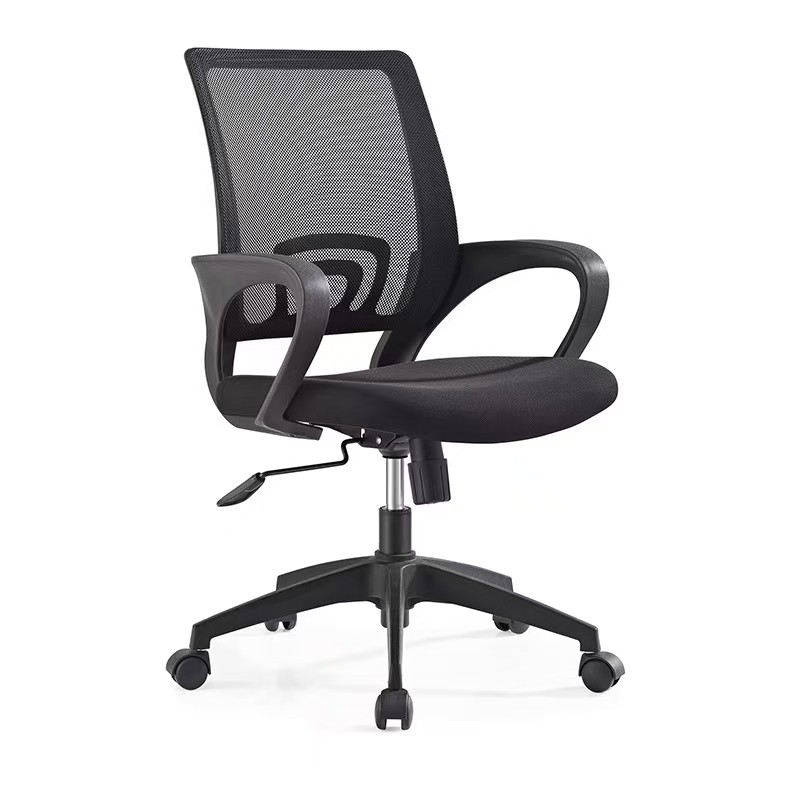
Cost Factors to Consider When Purchasing Conference Seating

Cost Factors to Consider When Purchasing Conference Seating

Understanding the cost factors associated with conference seating can significantly impact your budget. Here are several key elements to consider:

Material Quality: The choice of materials affects not only the price but also the durability and comfort of the seating. Mesh and fabric are popular for their comfort, while metal and plastic provide durability but may sacrifice comfort.

Design and Ergonomics: Ergonomic chairs may come at a premium, but investing in comfort can lead to better attendee engagement and satisfaction.

Shipping and Handling: Shipping costs can vary significantly based on the weight and dimensions of the seating. Consider these costs in your overall budget.

Long-term Use: Evaluate whether the seating will be a one-time investment or if it can be reused for future events. Durable seating may have a higher initial cost but can save money in the long run.

Additional Features: Features such as folding capabilities, stackability, or integrated writing surfaces can influence pricing but may provide added functionality.

By considering these cost factors, you can make a more informed purchasing decision that aligns with both your budget and functional needs.

Installation Guidance for Your Conference Seating Solutions

Installation Guidance for Your Conference Seating Solutions

Proper installation is crucial to ensure the safety and comfort of your conference seating. Here are some tips to help you with the installation process:

Follow Manufacturer Instructions: Always adhere to the installation guidelines provided by the manufacturer. This ensures that the seating is assembled correctly and safely.

Prepare the Space: Before installation, ensure that the venue is ready. Clear the area of obstacles and ensure that the flooring is suitable for the type of seating being used.

Layout Planning: Use the venue layout to plan the arrangement of the seating. Measure the space to ensure that there is adequate room for movement and that the seating aligns with your intended configuration.

Test Stability and Comfort: After installation, test each chair for stability and comfort. Make adjustments as necessary to ensure that all seating is positioned correctly and safely.

Training Staff: If you have staff assisting with the setup, provide them with training on how to handle and position the seating correctly.

By following these steps, you can ensure that your conference seating is installed properly, creating a comfortable environment for all attendees.

Common Problems with Conference Seating and Their Effective Solutions

While selecting and using conference seating, various challenges may arise. Here are some common issues and solutions:

Comfort Issues: If attendees report discomfort, consider offering cushion pads or adjustable seating options. Ergonomic designs can also be beneficial for long events.

Durability Concerns: Low-quality seating may wear out quickly. Opt for products that come with warranties or are manufactured with high-quality materials, such as reinforced frames.

Space Constraints: If your venue is small, consider using stackable or foldable chairs that can be easily stored when not in use. This maximizes your available space, such as the GJ035C Modern Stylish 4-Seater Integrated Canteen Table-Chair Set.

Aesthetic Discrepancies: If the seating does not match the event's theme or decor, consider using slipcovers or rental options that can be customized for the occasion.

Logistical Challenges: Late deliveries or damaged products can disrupt event planning. Establish a clear communication channel with your supplier to address these concerns proactively.

By being aware of these potential issues and planning accordingly, you can enhance the overall experience of your conference seating and ensure a successful event.

Selecting the right conference seating involves careful consideration of various factors, from comfort and aesthetics to cost and installation. By understanding your unique event needs and the challenges associated with purchasing, you can make informed decisions that lead to a successful and productive gathering.

How to Choose Conference Seating for Your Unique Event Needs

Selecting the appropriate conference seating starts with understanding the specific requirements of your event. Consider the following factors:

Event Duration: For longer meetings, invest in ergonomic seating that provides support and comfort. Mesh chairs, known for their breathability and adjustability, can be an excellent choice.

Space and Layout: Evaluate the venue's layout. Will it be a theater-style arrangement, or do you need round tables for group discussions? The configuration can influence the type of seating you’ll need.

Capacity: Ensure that the seating you choose can comfortably accommodate the expected number of attendees while allowing for easy movement. Understanding the dimensions of both your available space and the seating is essential.

Aesthetic Appeal: Conference seating should align with your branding and the event's theme. Materials and colors should complement the overall decor.

Accessibility: Consider the inclusivity of your seating arrangements. Ensure that there are options available for individuals with mobility issues.

By considering these factors, you can select conference seating that enhances the overall event experience while meeting practical requirements. For instance, options like the HL-651Series Double-Back Lumbar Support Training Chair can provide ergonomic benefits.

Get a Free Quote

Our representative will contact you soon.
Name
Email
Company Name
Telephone
Message
0/1000
Attachment
Please upload at least an attachment
Up to 3 files, each no larger than 30MB. Supported formats: jpg, jpeg, png, pdf, doc, docx, xls, xlsx, csv, txt, stp, step, igs, x_t, dxf, prt, sldprt, sat, rar, zip.

Related product categories

Choosing the Right Conference Seating for Events

Get a Free Quote

Our representative will contact you soon.
Name
Email
Company Name
Telephone
Message
0/1000
Attachment
Please upload at least an attachment
Up to 3 files, each no larger than 30MB. Supported formats: jpg, jpeg, png, pdf, doc, docx, xls, xlsx, csv, txt, stp, step, igs, x_t, dxf, prt, sldprt, sat, rar, zip.