EN

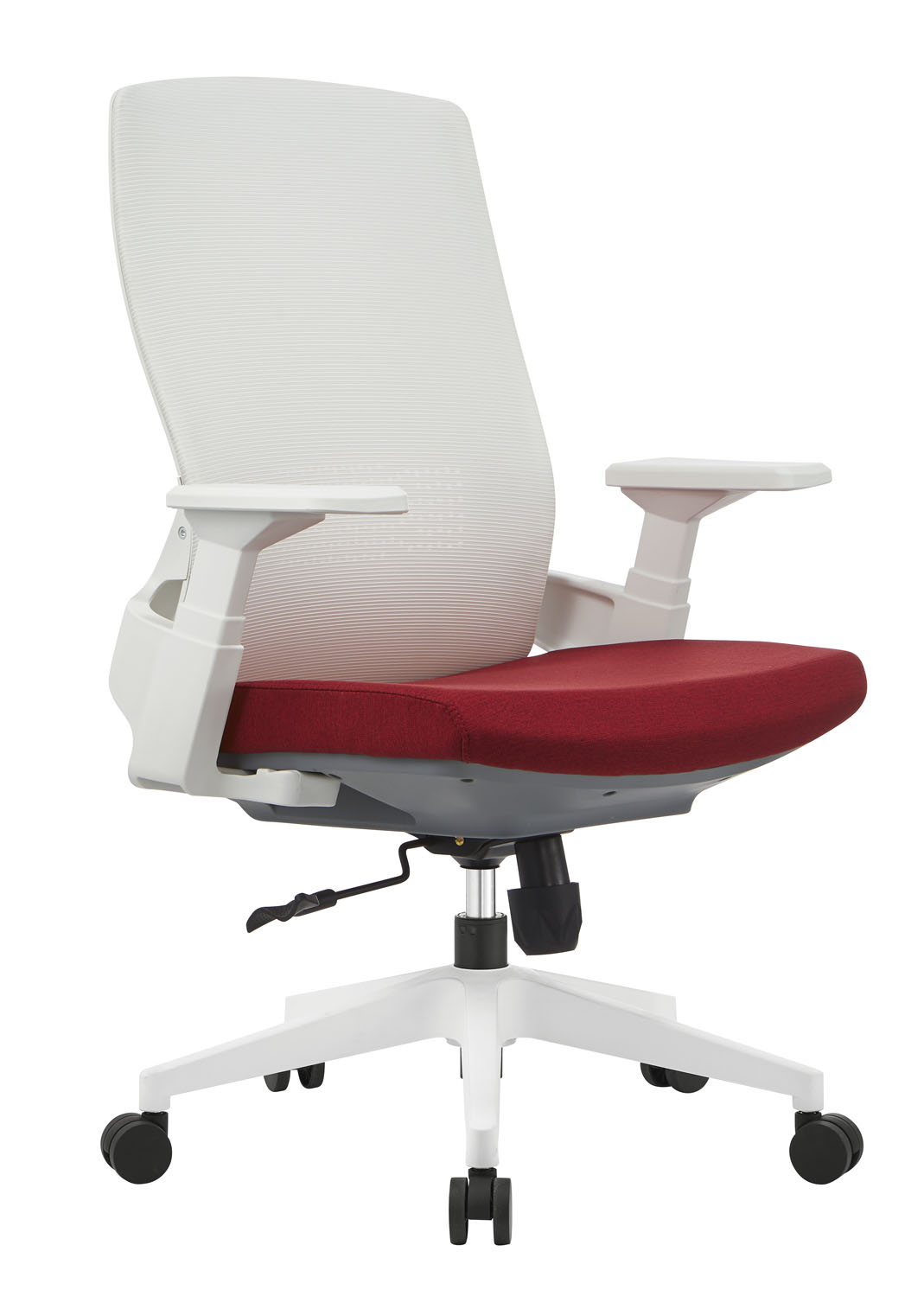
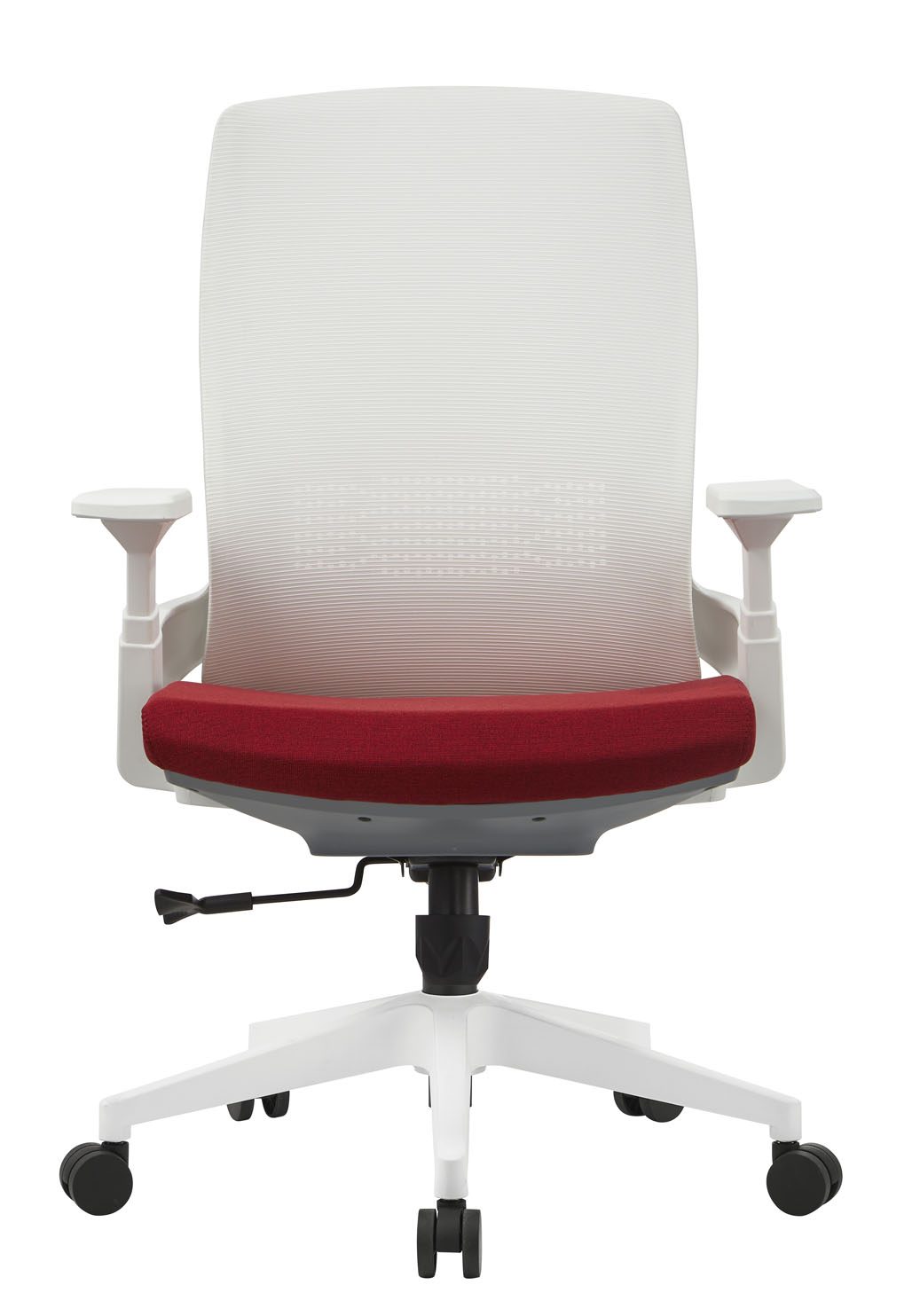
Conference chairs with wheels are essential for modern office environments, providing flexibility and comfort for various settings, from formal meetings to collaborative spaces. As B2B buyers, purchasing managers, and office designers seek to optimize workspace functionality, understanding the nuances of these chairs becomes crucial. This article explores how to select the right conference chairs with wheels, key specifications to consider, reliable sourcing options, common issues, and the benefits they bring to office environments.
Key Specifications to Consider for Conference Chairs with Wheels
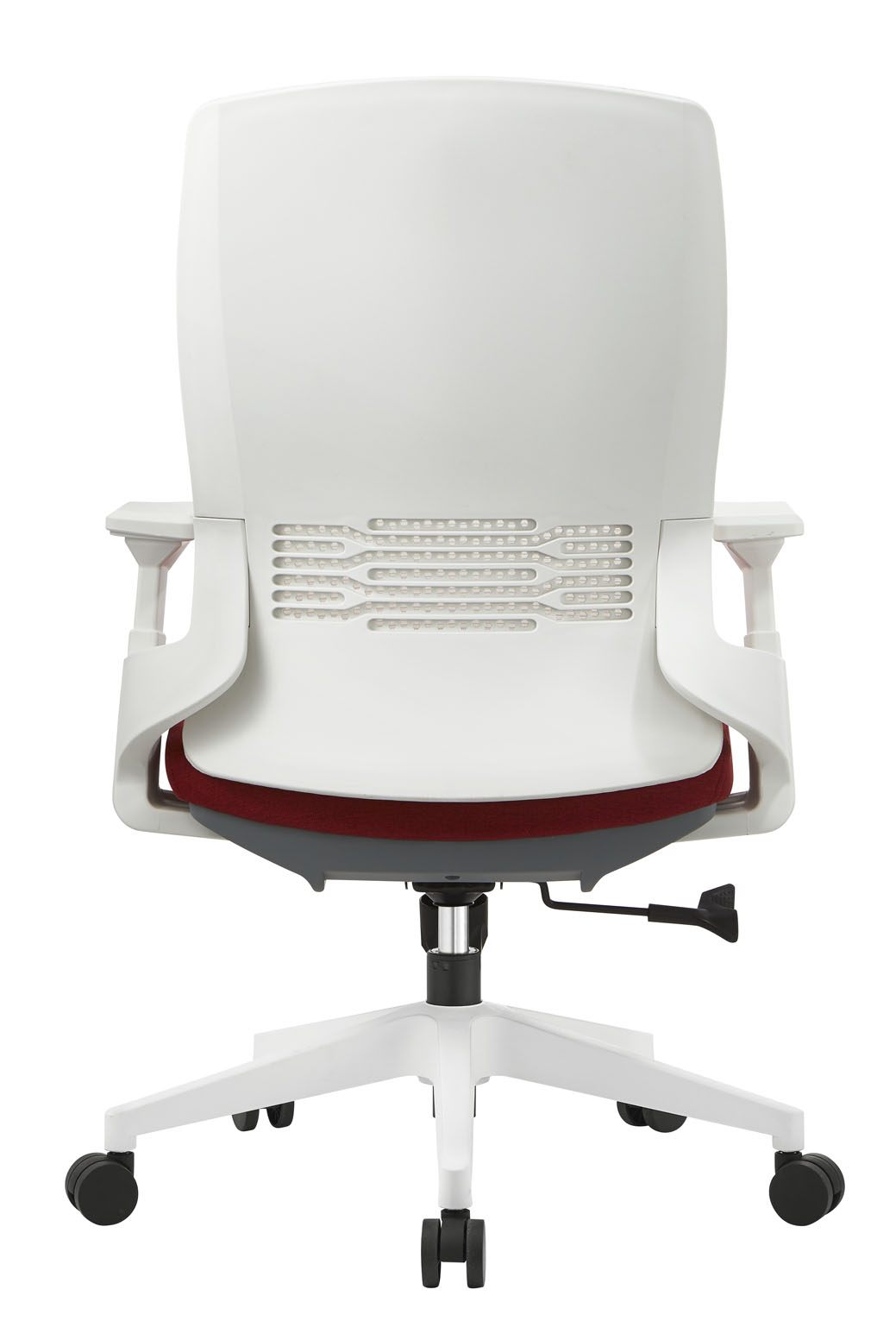
When evaluating conference chairs with wheels, several key specifications should be prioritized:
Weight Capacity: Ensure that the chairs can support the expected user weight. Most commercial chairs have a standard capacity of 250-300 pounds, but it's wise to confirm if your needs exceed this.
Material: The choice of materials affects durability and aesthetics. Look for chairs with high-quality mesh for breathability or durable upholstery for a more formal appearance. The frame should be made of robust materials, such as steel or reinforced plastic, for longevity.
Wheel Design: Wheel size and type play a significant role in mobility. Larger wheels often provide better movement across various surfaces, while locking mechanisms offer stability when chairs are stationary.
Dimensions: Standard seat widths and heights may not suit all individuals. Custom dimensions may be necessary to accommodate specific users or space constraints, which is where manufacturers like DESTON FURNITURE can provide tailored solutions. You might also consider the HL-651 Series Double-Back Lumbar Support Training Chair for additional options.
Warranty and Certifications: Verify any warranties provided by the manufacturer along with relevant certifications, such as BIFMA, which ensure the chairs meet industry standards for safety and performance.