EN

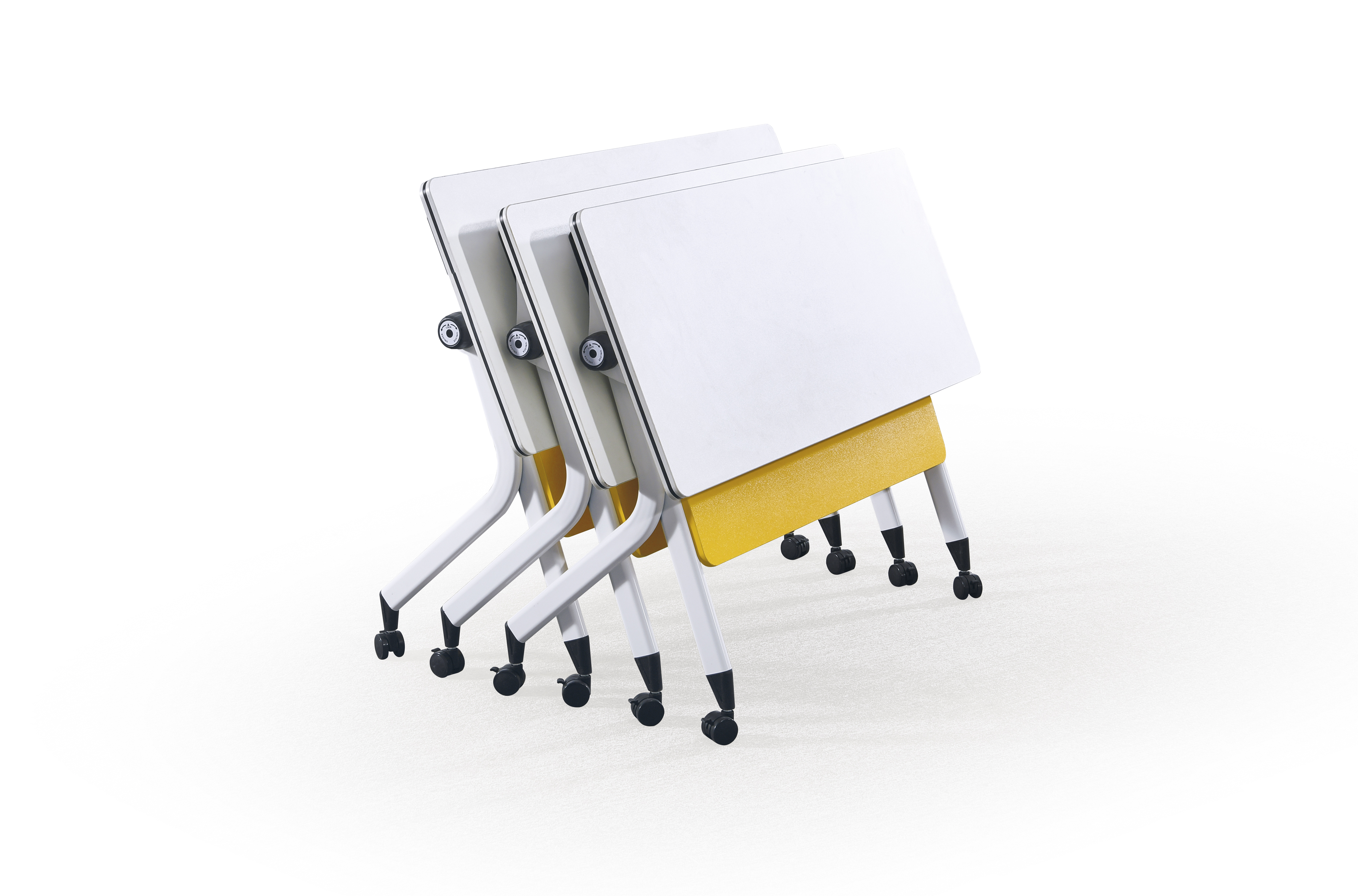
Large foldable tables are versatile and practical solutions for various commercial and industrial applications, providing flexibility and convenience for businesses of all sizes. When selecting a large foldable table, B2B buyers often have concerns about durability, material quality, and suitability for specific environments. This article aims to guide purchasing managers, distributors, and product managers in making informed decisions regarding large foldable tables, detailing key specifications, common issues, quality control processes, and applications across different industries.
Key Specifications to Evaluate in Large Foldable Tables
When assessing large foldable tables, certain specifications are critical in determining their suitability for your application:
Weight Capacity: This indicates how much weight the table can safely support. It is essential to select a table with a weight capacity that accommodates your needs; exceeding this limit can lead to structural failure.
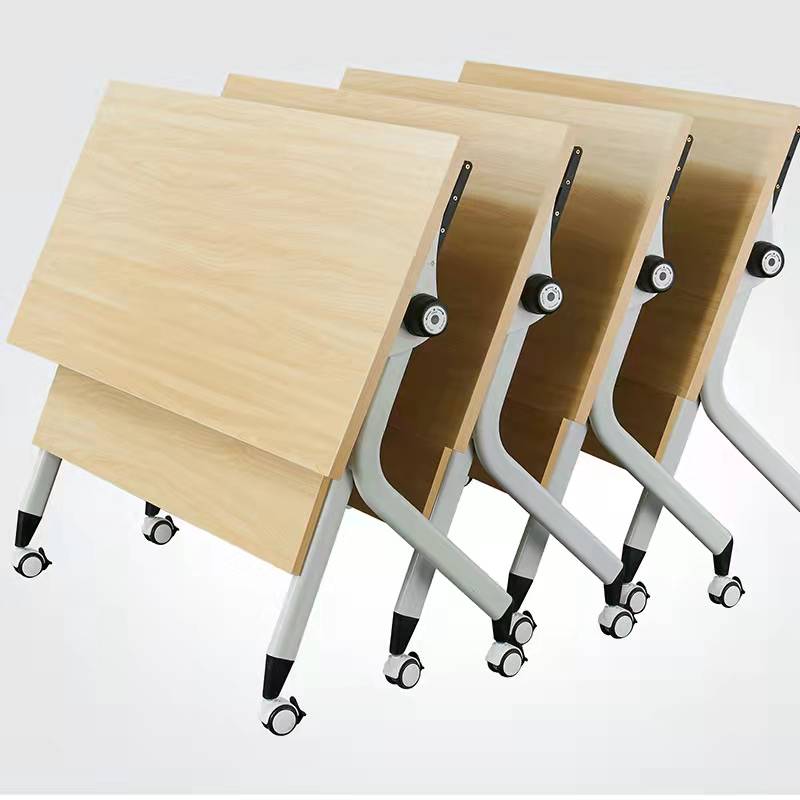
Table Surface: The surface material affects both durability and maintenance. High-pressure laminate or melamine surfaces are easy to clean and resistant to scratches, making them ideal for high-traffic environments. Ensure the surface material aligns with the intended application, especially in sectors like food service or education.
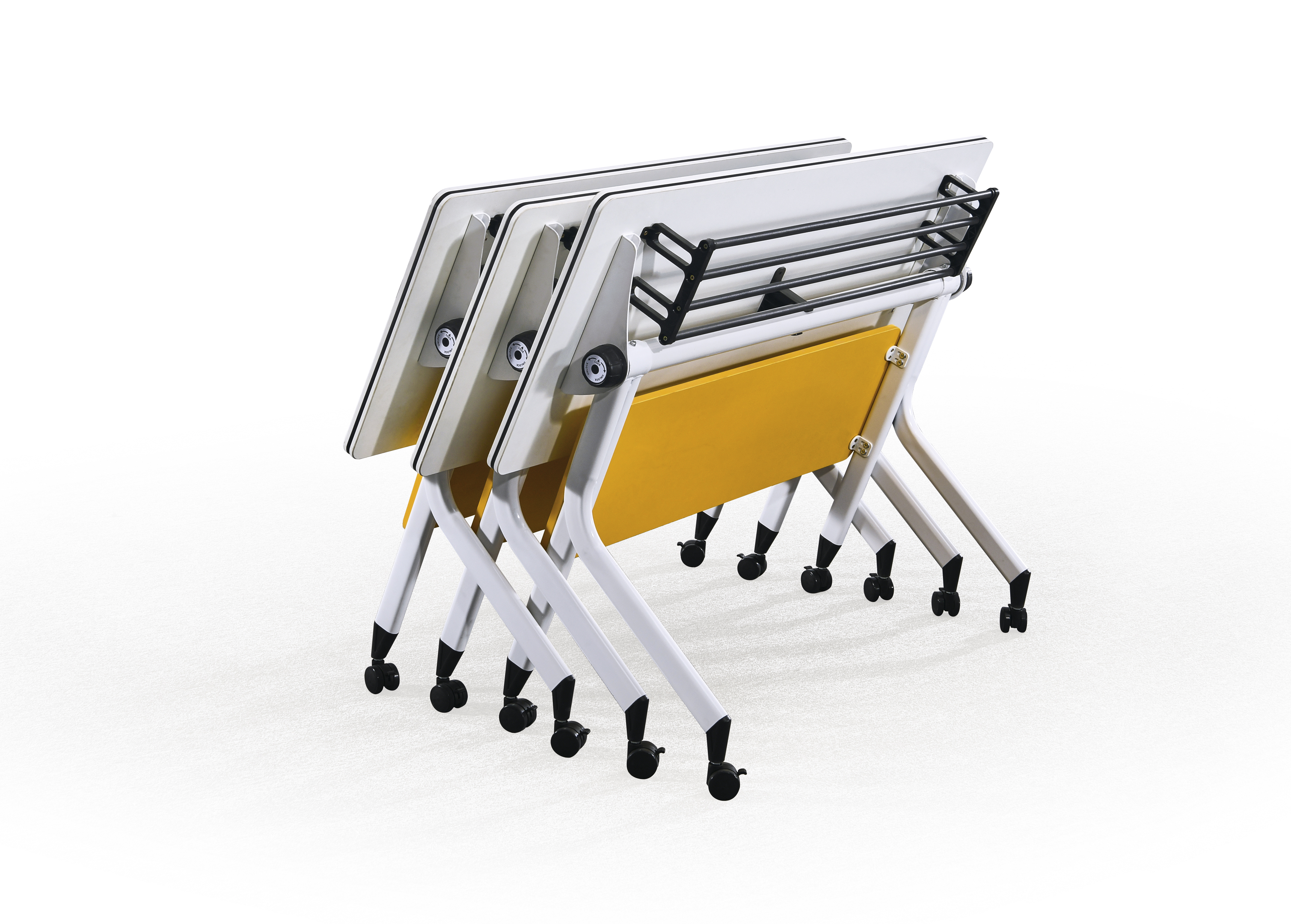
Foldability Mechanism: Look for a reliable and user-friendly folding mechanism. A table that folds easily allows for quick setup and takedown, which is particularly valuable for events and temporary setups.
Leg Design: Sturdy legs provide stability and support. Some tables feature locking mechanisms to prevent accidental folding during use, enhancing safety.